
Stein an der Donau in der Wachau — History & Facts
Is this a mirror — or a memory? In Stein an der Donau in der Wachau, the viewer is drawn into a haunting silence that resonates deeply within the soul. The stillness of the water reflects an emptiness that transcends mere landscape, inviting contemplation on the nature of existence itself. Look to the foreground where the tranquil river glides gently, its surface a shimmering canvas of blues and greens. Notice how the light dances delicately upon the water, creating a rhythmic interplay that both soothes and stirs.
In the distance, the quaint architecture of Stein emerges amidst a soft haze, their outlines blurred as if caught between reality and dream. The composition is expertly balanced, yet the subtle disarray of natural elements hints at a deeper unease lurking beneath the serene facade. As you delve deeper into the painting, small details reveal layers of meaning. The juxtaposition of the solid, formidable cliffs against the ephemeral ripples of the river speaks to the contrast between permanence and transience.
The lingering shadows cast by the fading sunlight evoke a sense of longing and nostalgia, suggesting that what we see may be as elusive as a memory fading into the abyss. This emotional tension elevates the scene from mere representation to a profound meditation on life's fleeting moments. Fritz Lach painted Stein an der Donau in der Wachau in 1906 while living in Vienna, a period marked by the rising influence of Impressionism in European art. This work reflects his exploration of color and light, and the desire to capture the essence of landscapes with a fresh perspective.
The early 20th century was a time of great change in the art world, where artists like Lach sought to break free from tradition, ultimately leading to new expressions of reality.
More Artworks by Fritz Lach
Browse all →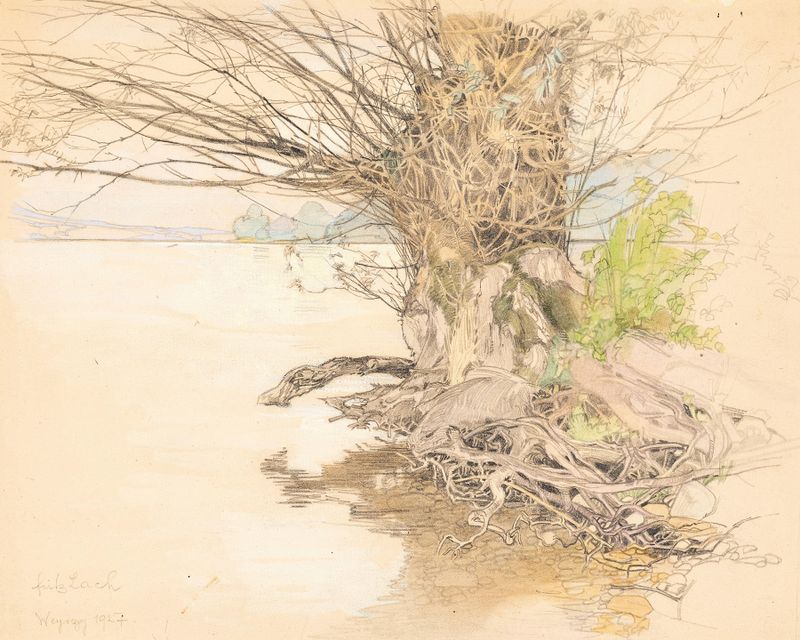
A willow tree at the lake shore
Fritz Lach
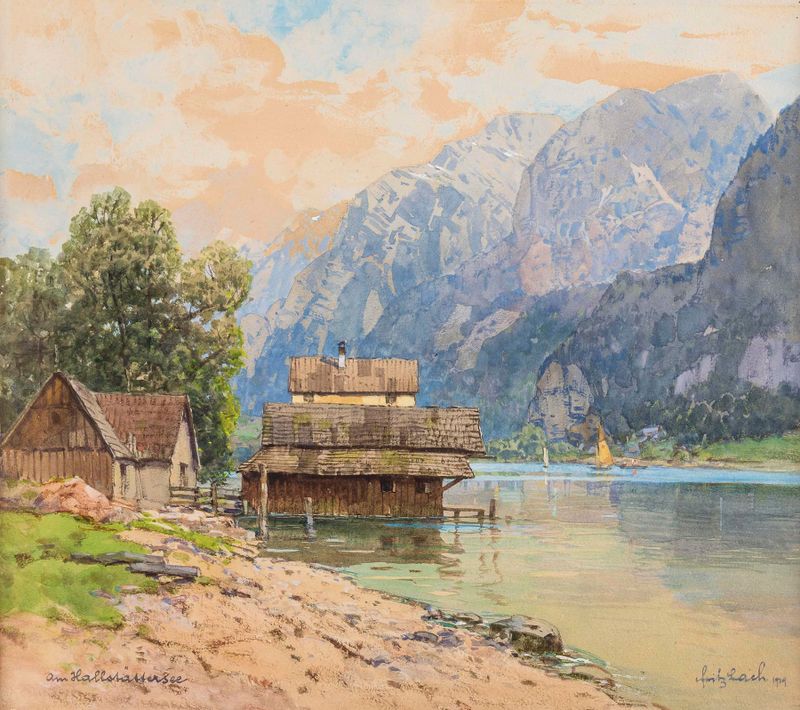
Bootshäuser am Hallstätter See
Fritz Lach
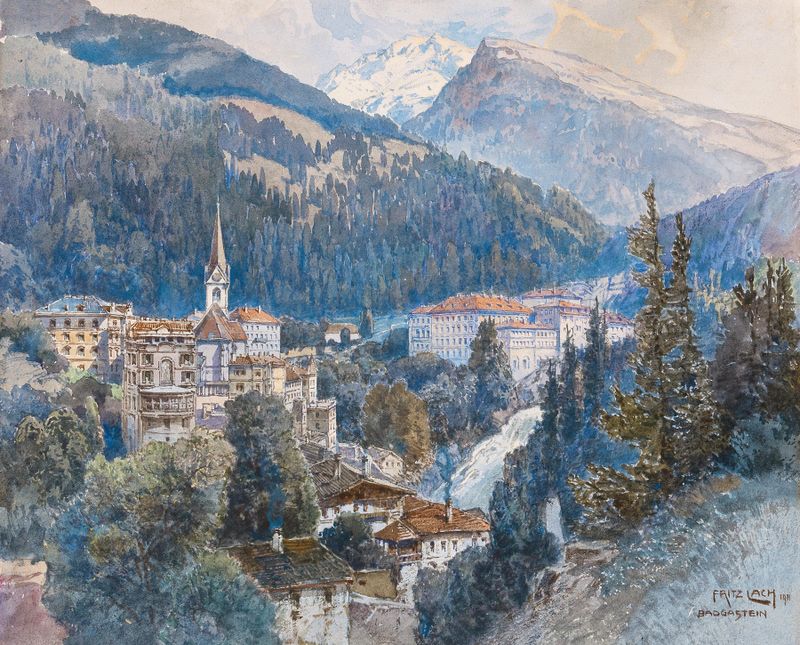
A view of Bad Gastein and the waterfall
Fritz Lach
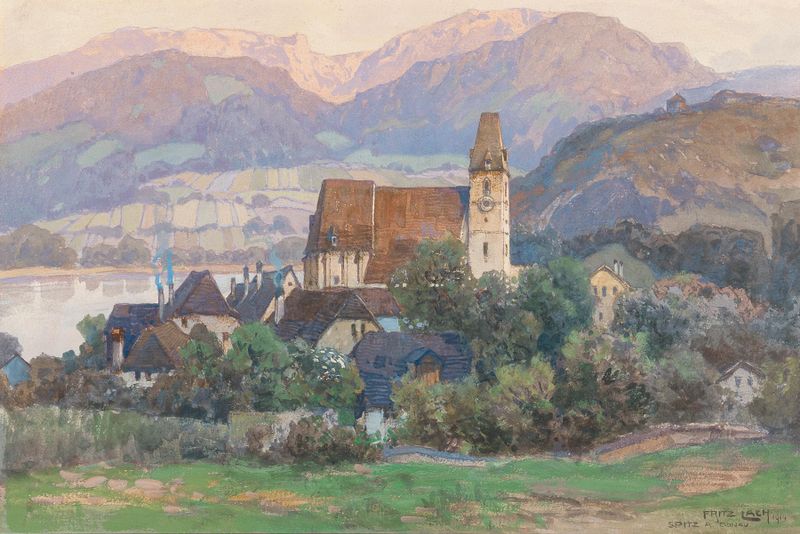
A view of Spitz in the Wachau valley
Fritz Lach
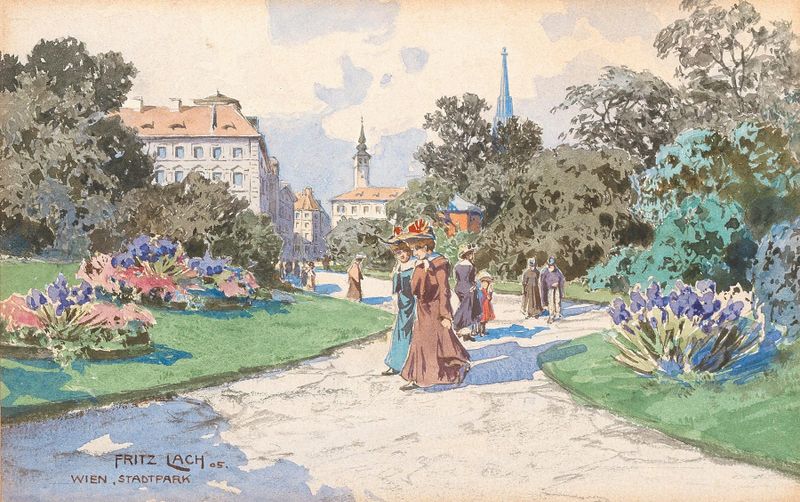
A walk in Vienna’s Stadtpark
Fritz Lach
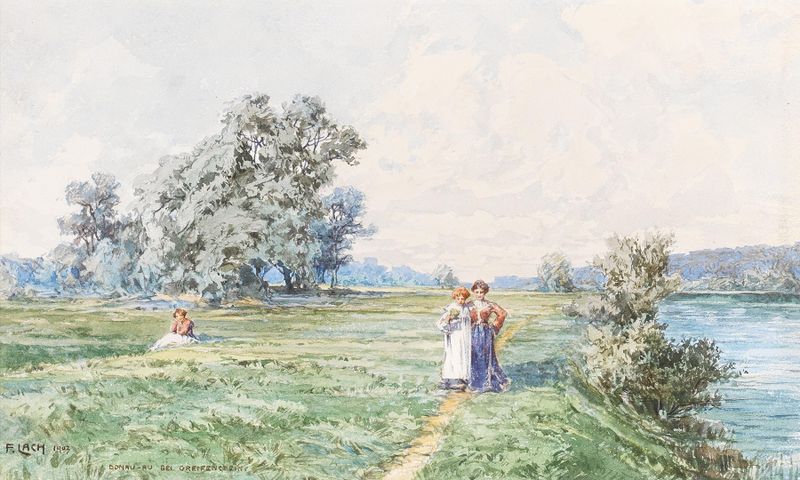
At the Danube near Greifenstein
Fritz Lach
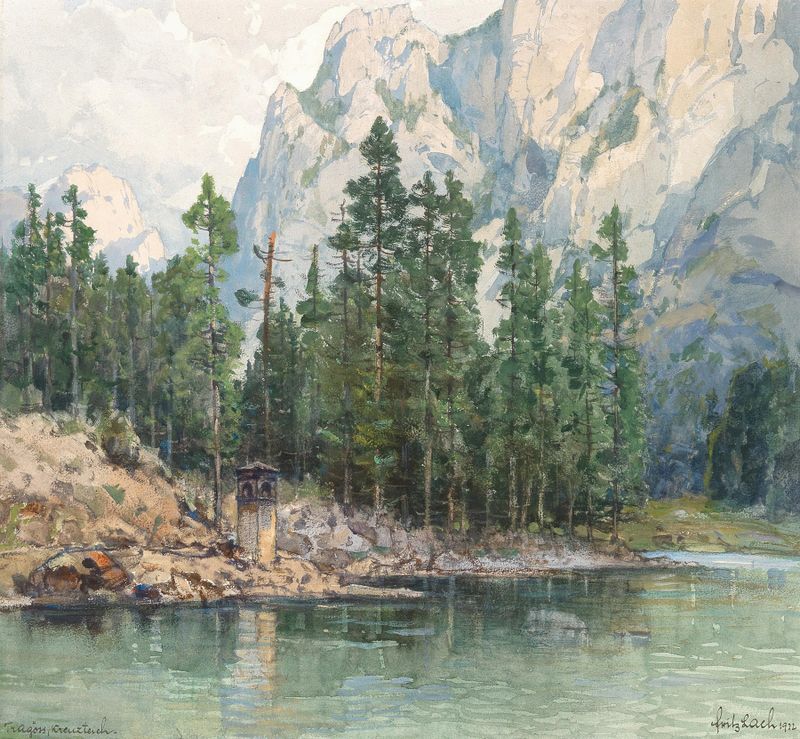
Kreuzteich near Tragöss
Fritz Lach
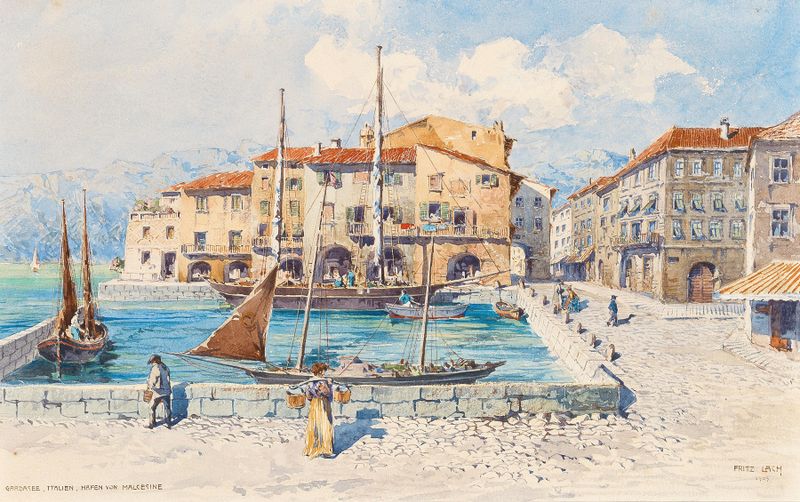
Malcesine near Gardasee
Fritz Lach
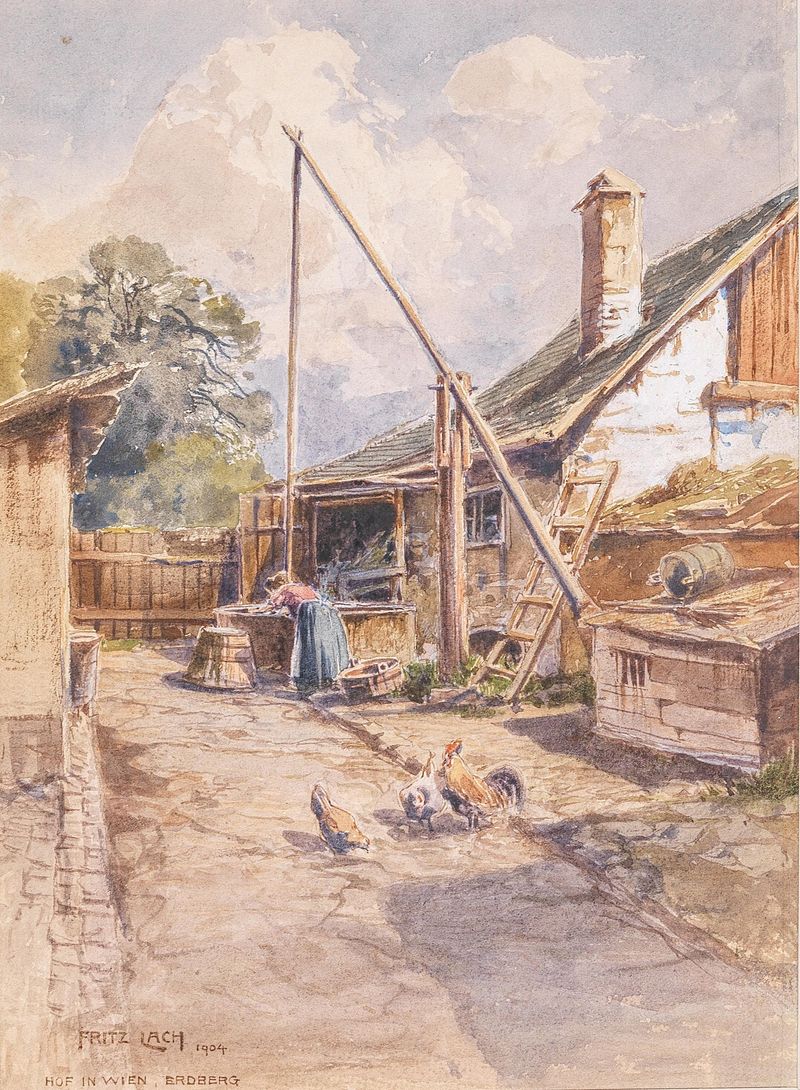
Hof in Wien Erdberg
Fritz Lach
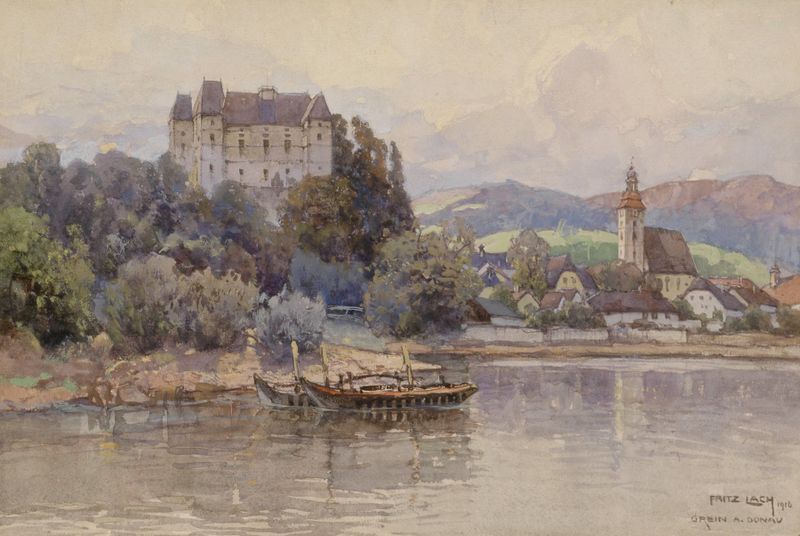
Blick auf Grein an der Donau
Fritz Lach





