
Stephanienbrücke — History & Facts
What secret hides in the quiet of the canvas? In Stephanienbrücke, a deep yearning flows through the tranquil scene, beckoning the viewer to explore its hidden depths. Look to the left at the elegantly arched bridge, its structure gracefully drawing the eye across the canvas. The soft hues of twilight cast a gentle glow on the water below, mirroring the delicate palette of muted blues and warm oranges in the sky. Suppantschitsch deftly uses light to create a serene atmosphere, inviting viewers to linger in this moment of stillness.
The careful placement of trees and reflections in the water offers a sense of balance and harmony, showcasing the artist's mastery of composition. Yet, as peaceful as it appears, beneath the surface lies a tension between nature and industry. Notice how the bridge, a symbol of connection, contrasts with the looming structures in the background, hinting at encroaching modernity. The vibrant colors of the sky evoke a sense of nostalgia, a longing for an untouched landscape, while the presence of civilization suggests an inevitable change.
This interplay creates an emotional resonance, drawing viewers to contemplate their relationship with the world around them. In 1901, Maximilian Suppantschitsch painted this piece during a time of significant transformation in Europe. He was immersed in the artistic movements that sought to capture the essence of the natural world while grappling with the rise of urbanization. This period of his life was marked by exploration and a desire to reflect the beauty of his surroundings, making Stephanienbrücke a poignant expression of both aspiration and melancholy.
More Artworks by Maximilian Suppantschitsch
Browse all →
Wien vom Bisamberg
Maximilian Suppantschitsch
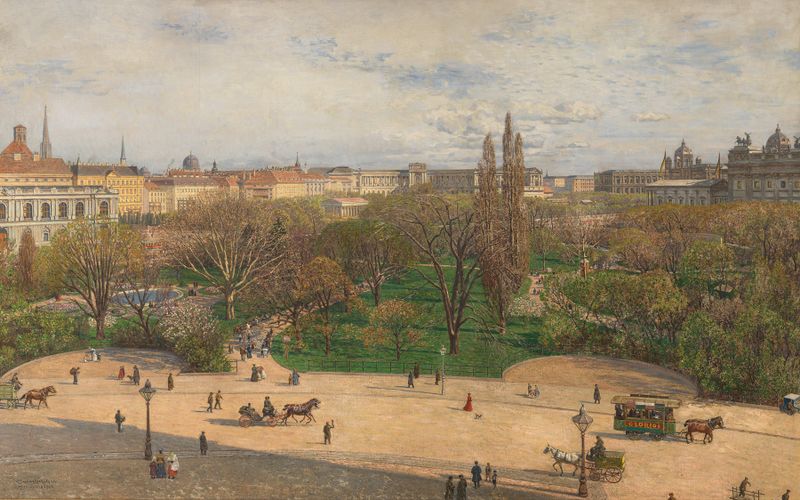
Blick vom Rathaus auf den neuen Trakt der Hofburg und dessen Umgebung
Maximilian Suppantschitsch

Franz-Josephs-Kai mit Donaukanal
Maximilian Suppantschitsch
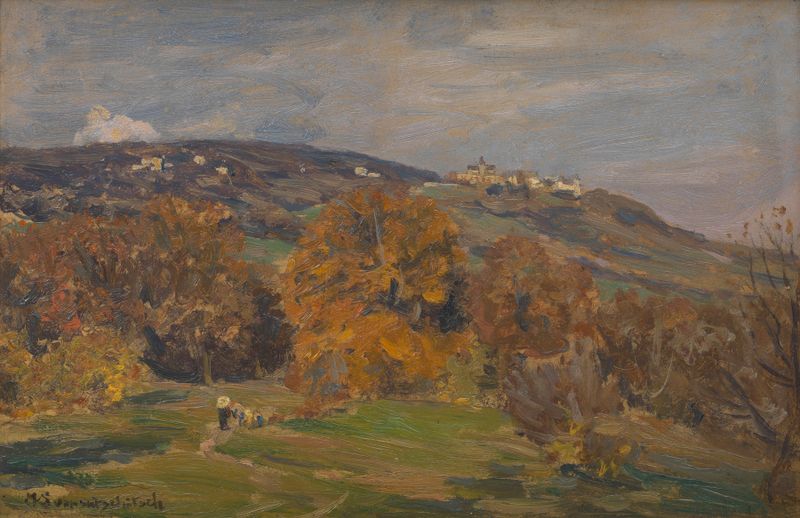
Der Kahlenberg vom Kobenzl aus
Maximilian Suppantschitsch
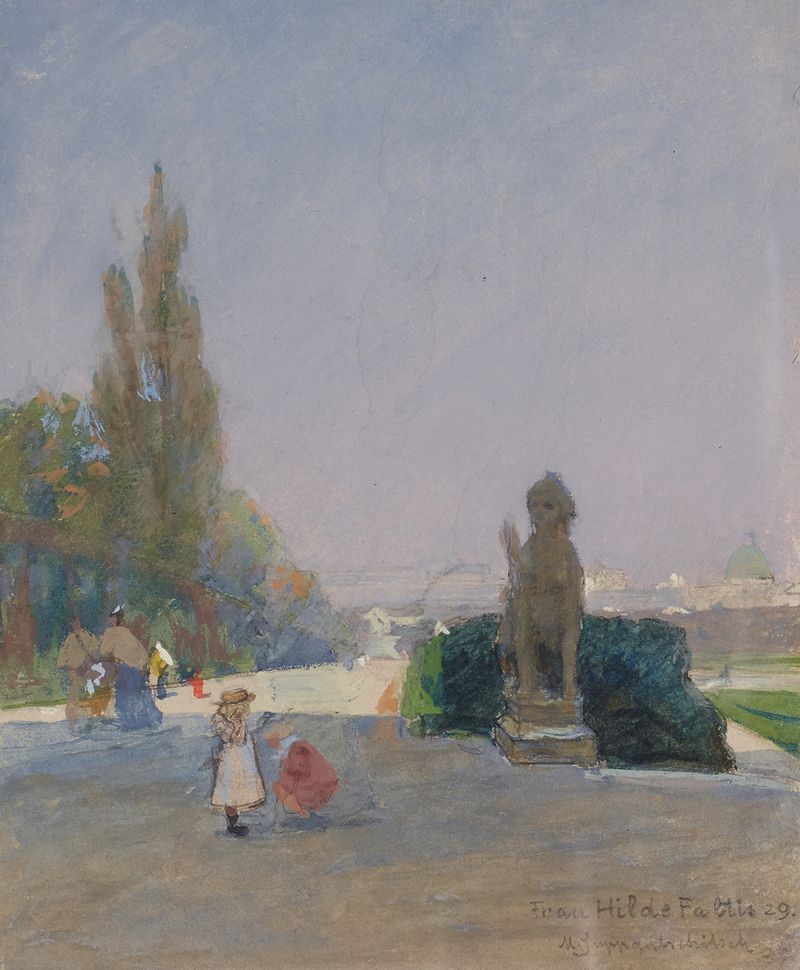
Blick vom Oberen Belvedere auf Wien
Maximilian Suppantschitsch
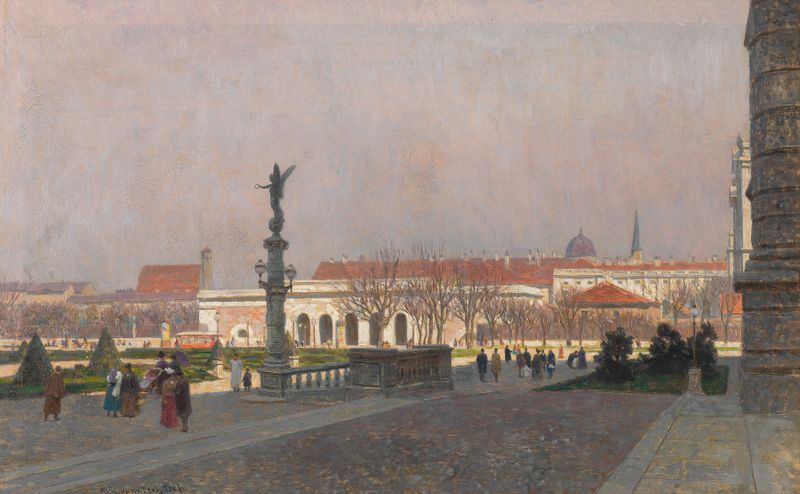
Blick auf die Hofburg vom Kunsthistorischen Museum
Maximilian Suppantschitsch
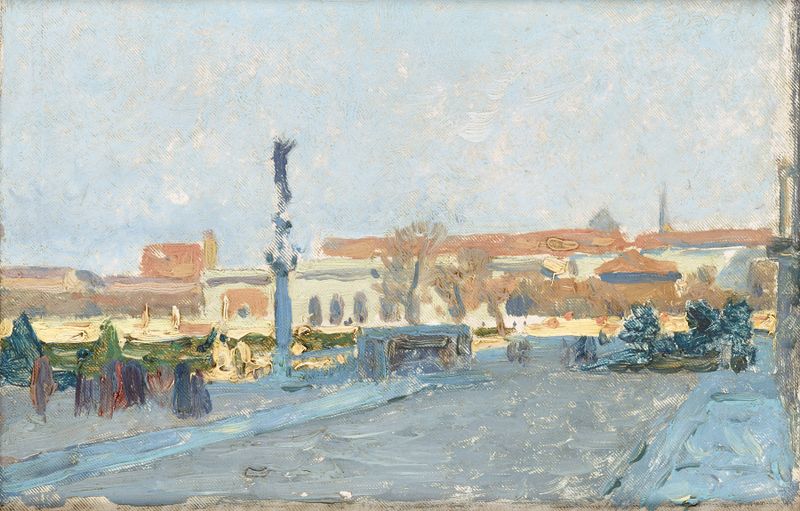
Blick auf Wien vom äußeren Burgtor
Maximilian Suppantschitsch

Blick auf den Ring gegen das Rathaus und Parlament
Maximilian Suppantschitsch
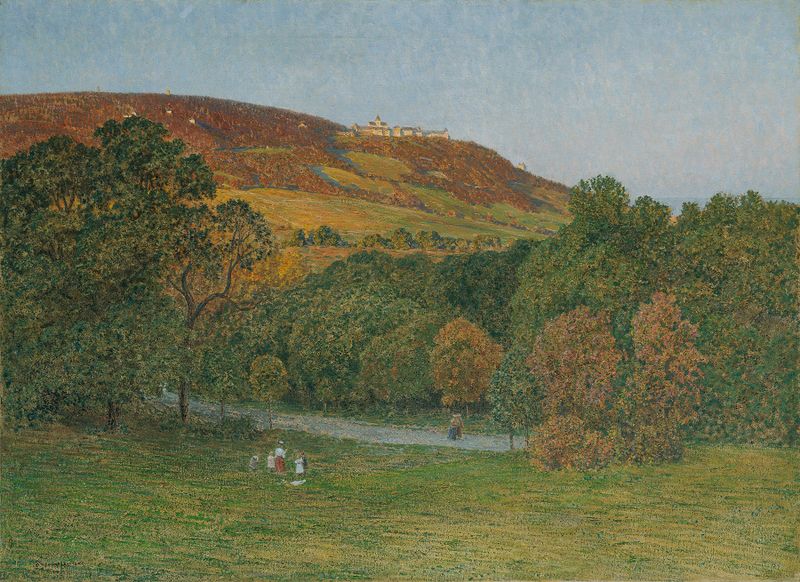
Blick vom Cobenzl auf den Kahlenberg bei Wien
Maximilian Suppantschitsch
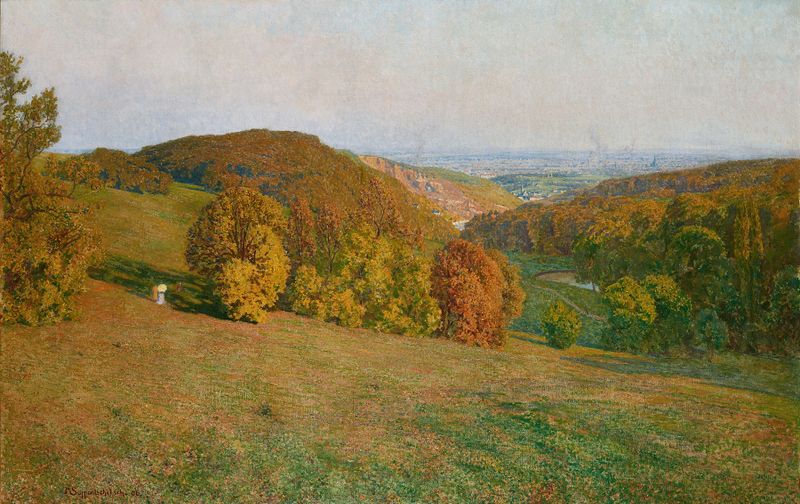
Wien vom Kobenzl aus
Maximilian Suppantschitsch





