
Steppe (Transcaspian Land) From the journey to Turkestan — History & Facts
Who listens when art speaks of silence? In Steppe (Transcaspian Land), the vast expanse of the landscape whispers with a poignant nostalgia, inviting the viewer to reflect upon what once was and what remains unspoken. Look to the center of the canvas, where gentle undulations of golden grass stretch towards a distant horizon, punctuated by the faint silhouette of mountains. The interplay of muted earth tones and soft, diffused light creates an atmosphere of tranquility, while the delicate brushwork captures the ephemeral quality of the landscape. Notice how the horizon blurs into a hazy embrace of color, evoking a sense of infinite space, yet confining the viewer within the frame of memory. Hidden beneath the surface of the painting lies a deeper emotional tension.
The spaciousness of the steppe suggests both freedom and isolation, a duality that echoes the artist’s own journey. Each stroke embodies a longing for connection, while simultaneously encapsulating the solitude of the vast terrain, where the echoes of history linger like whispers in the wind. This juxtaposition invites contemplation on the passage of time and the stories that fade into silence, overshadowed by the beauty of the land. In 1912, Jan Ciągliński painted this work during a period of exploration and cultural exchange, capturing his experiences in Turkestan.
As he observed the landscape and its people, he sought to bridge East and West through his art, linking the essence of his journey with broader themes of identity and belonging. This painting stands as a testament to that transformative experience, forever framed in a moment of introspection.
More Artworks by Jan Ciągliński
Browse all →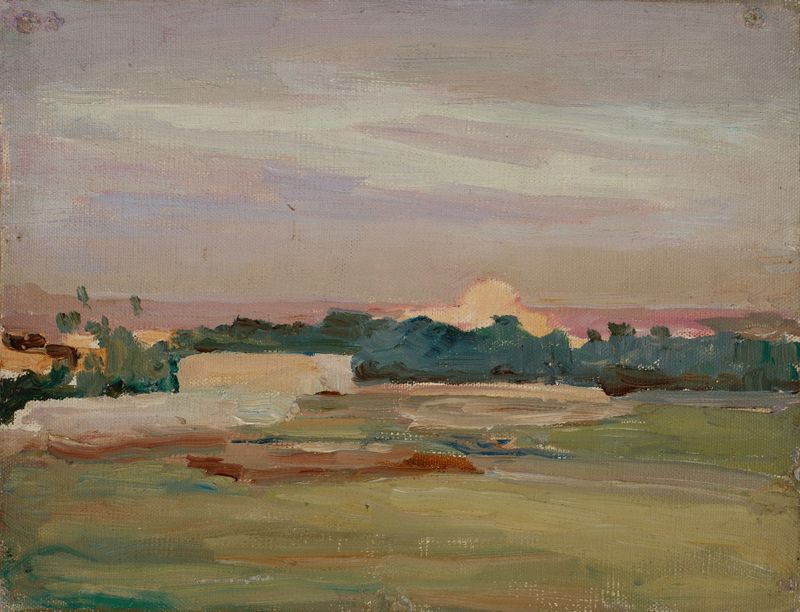
The Sirocco
Jan Ciągliński
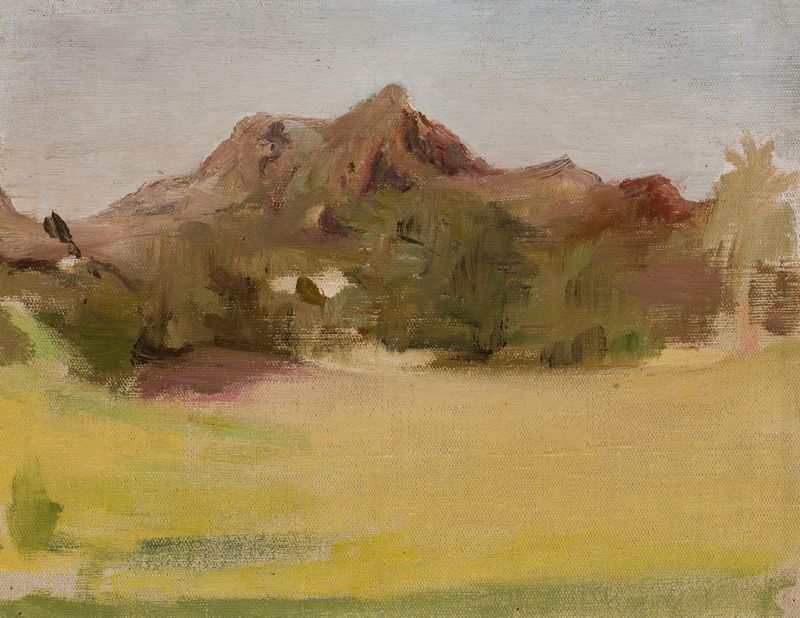
Mountain landscape. From the journey to India
Jan Ciągliński
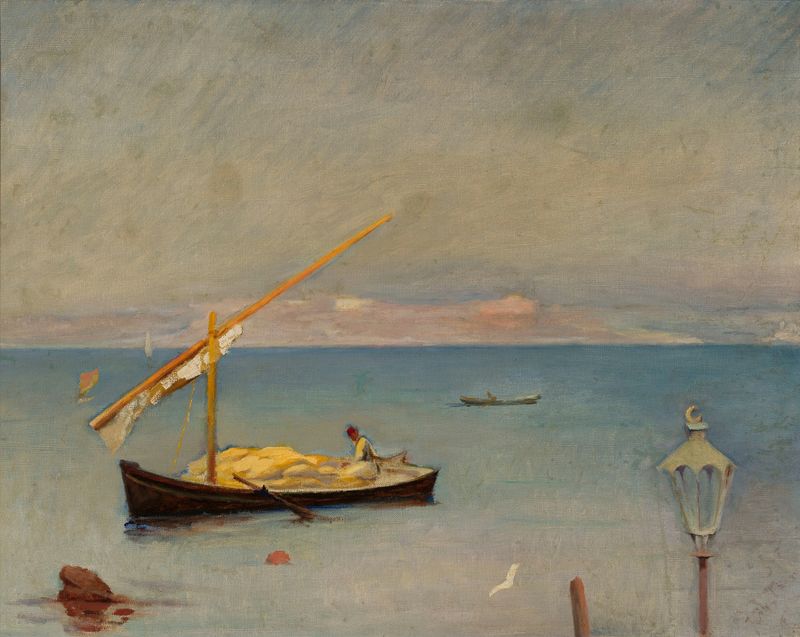
At Bosporus
Jan Ciągliński
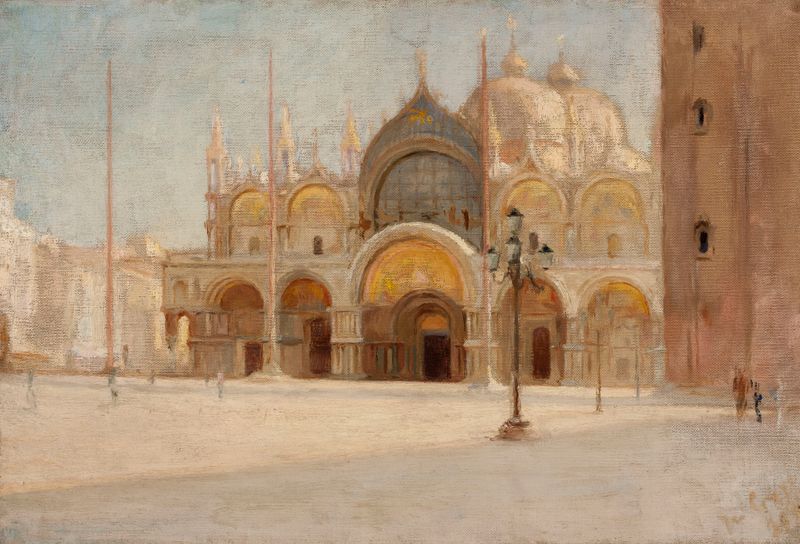
St Mark’s Square in Venice
Jan Ciągliński
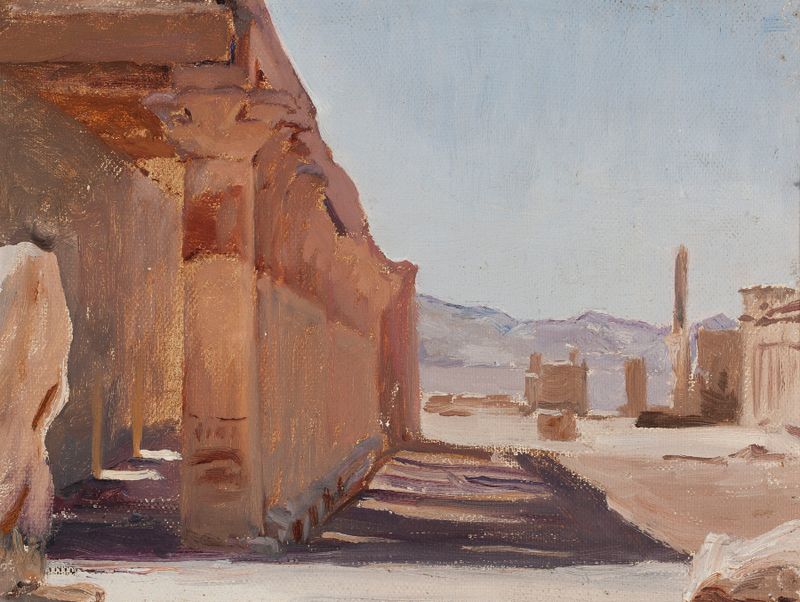
Temple. From the journey to Egypt
Jan Ciągliński
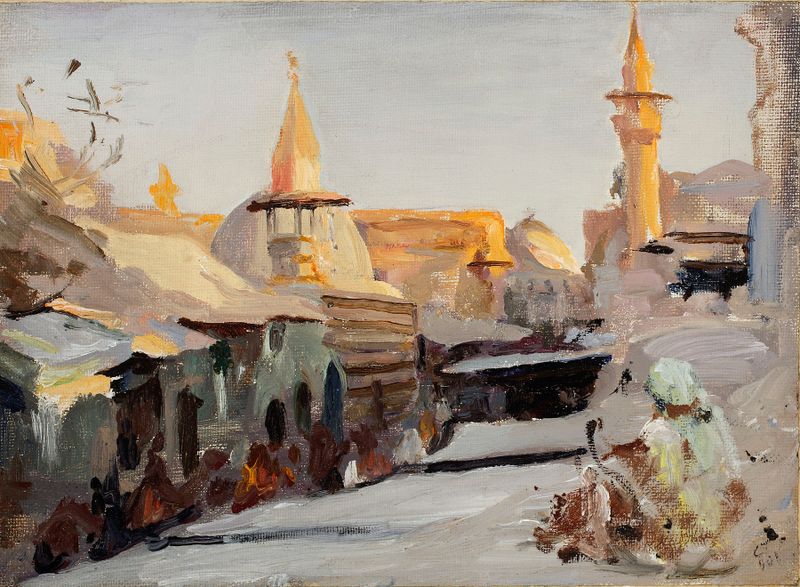
Street in Damascus. From the journey to Palestine
Jan Ciągliński
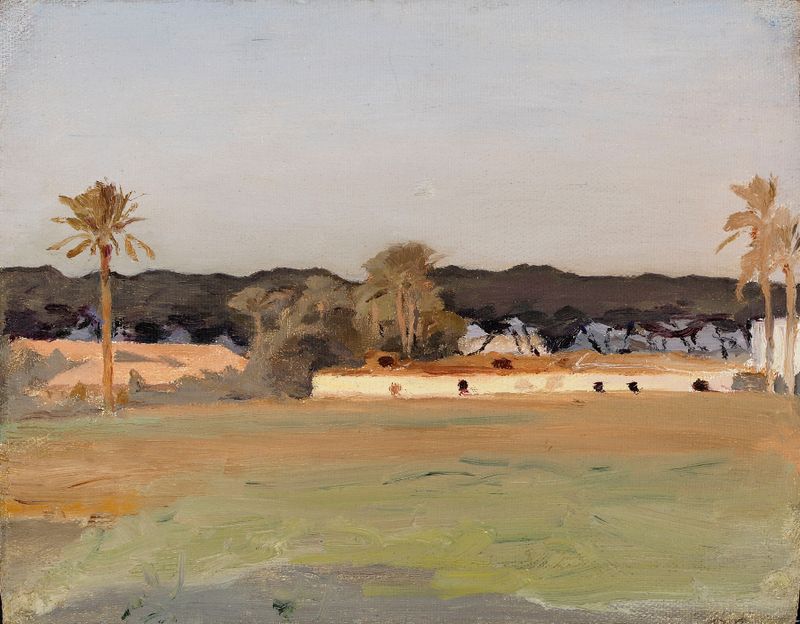
Evening. From the journey to Egypt
Jan Ciągliński
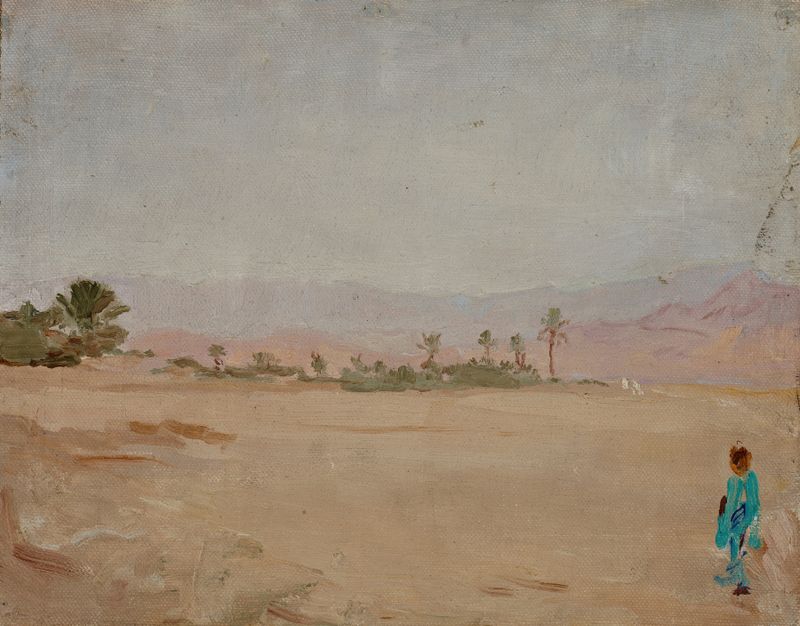
Sahara (Desert)
Jan Ciągliński
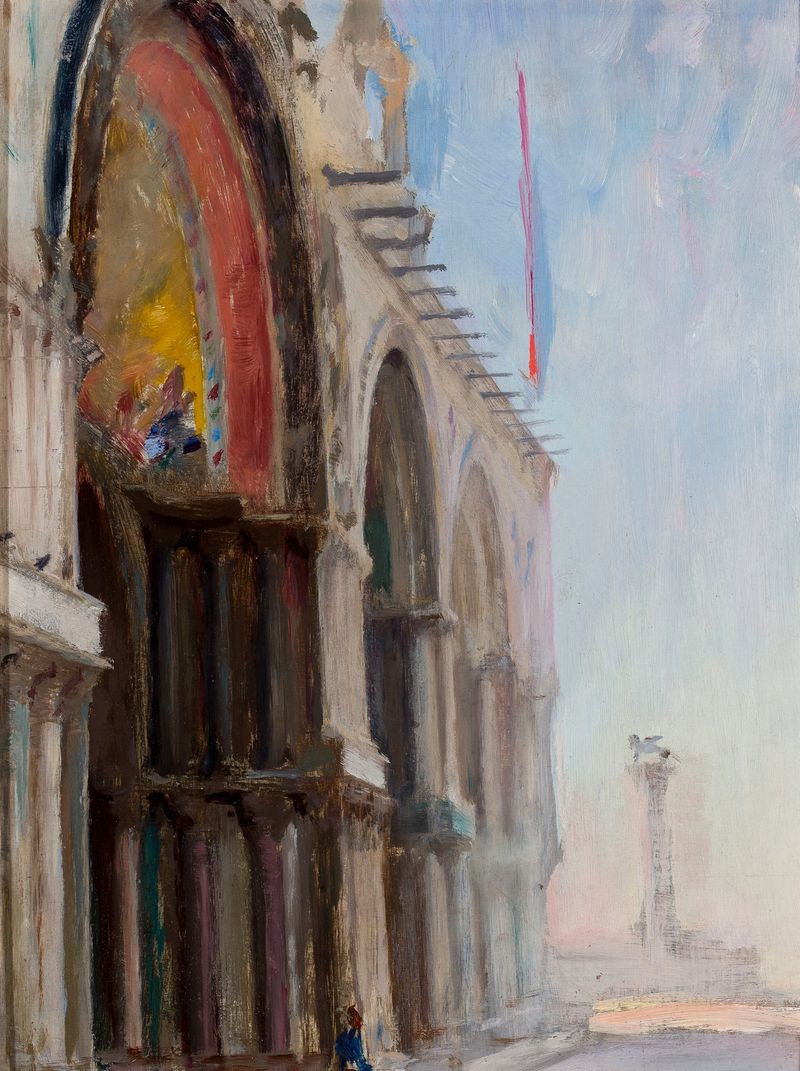
Venice – San Marco. From the journey to Italy
Jan Ciągliński
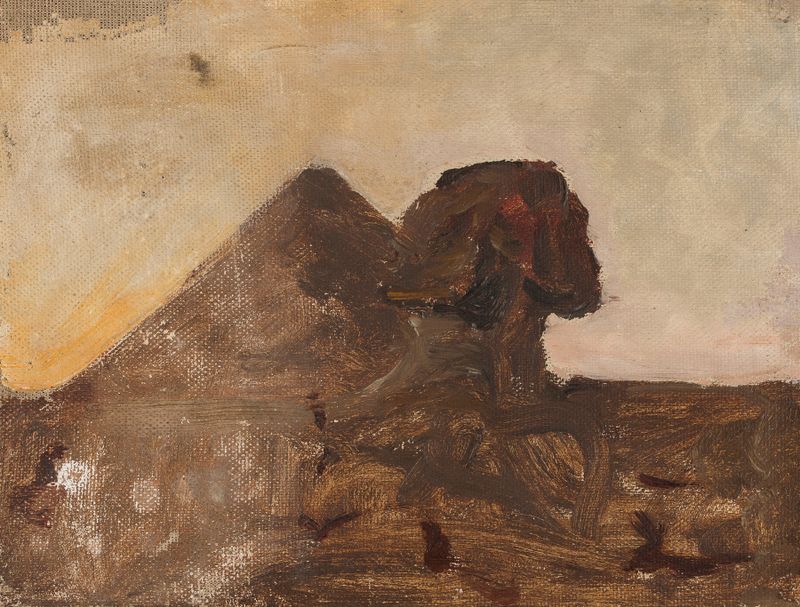
Evening in the desert – Sphinx and pyramid. From the journey to Egypt
Jan Ciągliński





