
Stevenage — History & Facts
When did color learn to lie? In Stevenage, light dances upon the surface of every hue, revealing layers of truth and deception intertwined with the human experience. Look to the left at the soft, blending tones of the sprawling landscape, where gentle greens intermingle with muted browns. Notice how the artist employs a delicate touch, rendering each blade of grass with a subtle vibrancy that breathes life into the scene. The horizon is punctuated by a warm glow, evoking the fading day’s last breath, while shadows stretch and curl, hinting at mysteries lurking just beyond the frame. Yet, beneath its serene exterior lies a tension of contrasting emotions.
The lush colors represent vitality and growth, but they also suggest a fleeting nature, as the light that bathes the scene in warmth is inevitably bound to vanish. The reflections in the water capture not just nature's beauty but also an unsettling sense of transience, as if the viewer is invited to contemplate what is merely a façade of perfection. Maur Griggs painted Stevenage during a time when English landscape painting was undergoing significant change. In 1902, he was deeply engaged with the interplay of light and atmosphere, seeking to challenge perception through his use of color.
It was a period of artistic exploration, influenced by both the Impressionists and the emerging Modernist movements, as societal shifts called into question the very nature of representation in art.
More Artworks by Frederick Landseer Maur Griggs
Browse all →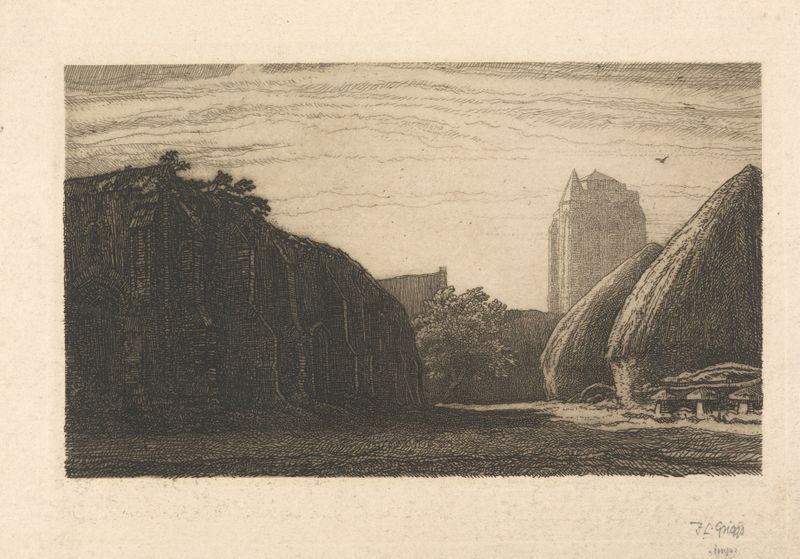
Maur’s Farm
Frederick Landseer Maur Griggs
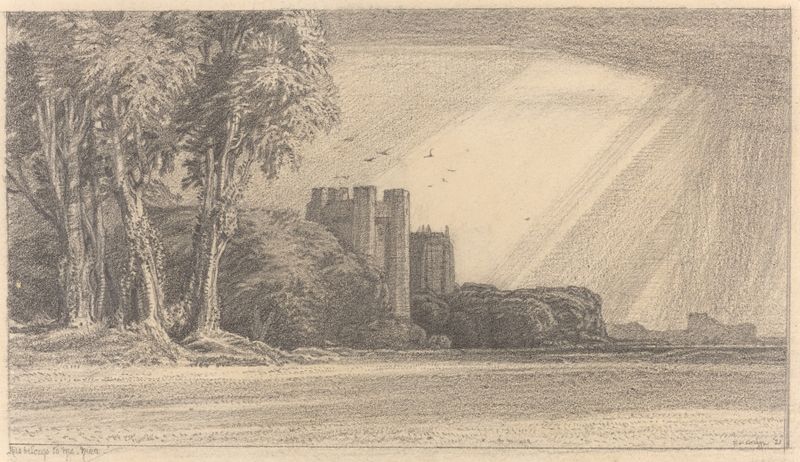
Landscape with Castle
Frederick Landseer Maur Griggs
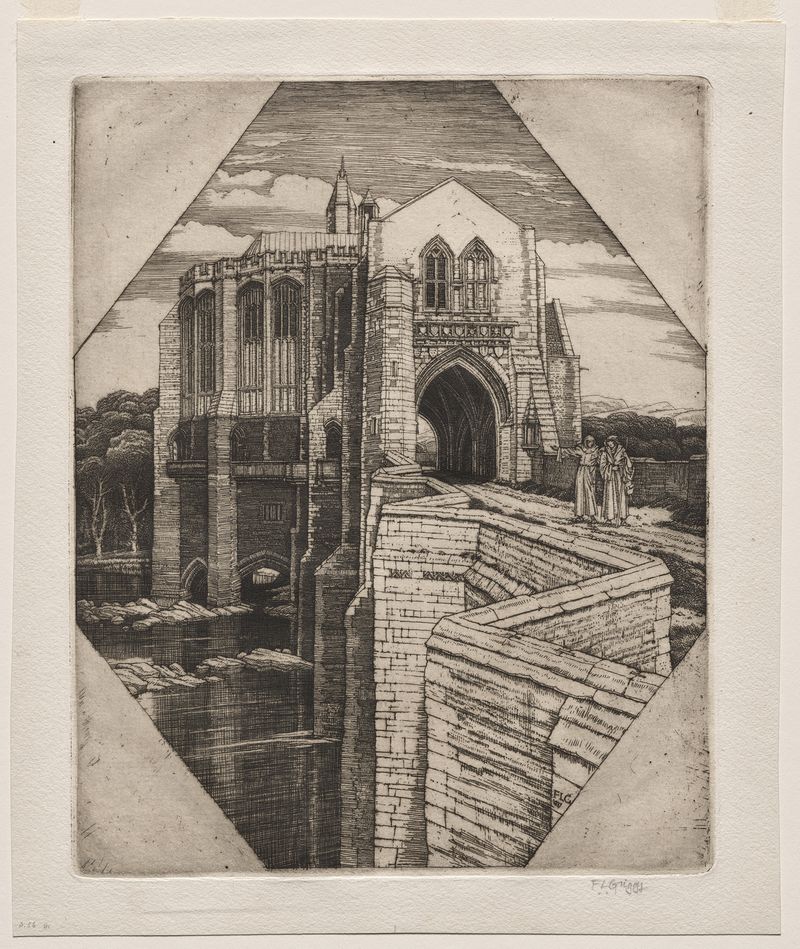
St. Botolph’s Bridge No. 2 1937
Frederick Landseer Maur Griggs
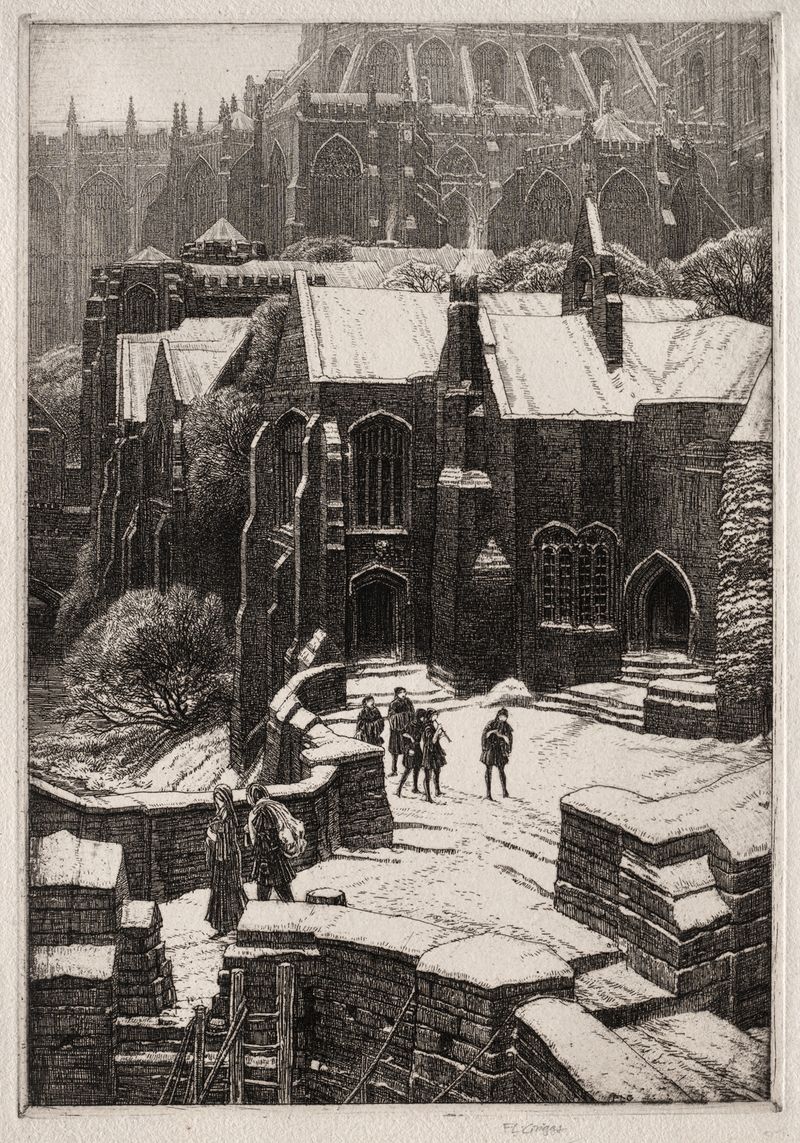
The Almonry
Frederick Landseer Maur Griggs

The Cresset
Frederick Landseer Maur Griggs
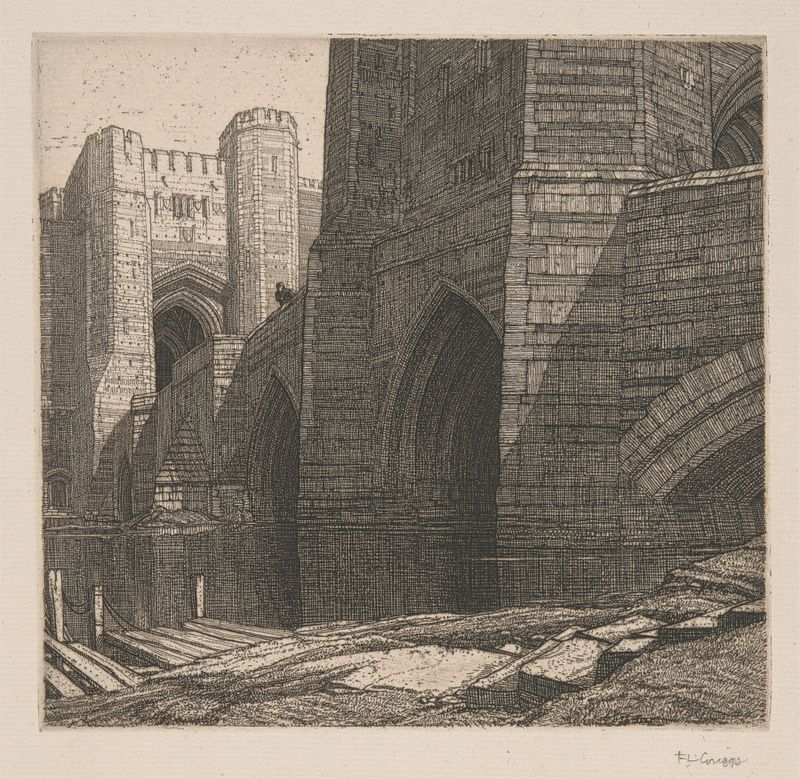
The Barbican
Frederick Landseer Maur Griggs

Maur’s Farm
Frederick Landseer Maur Griggs
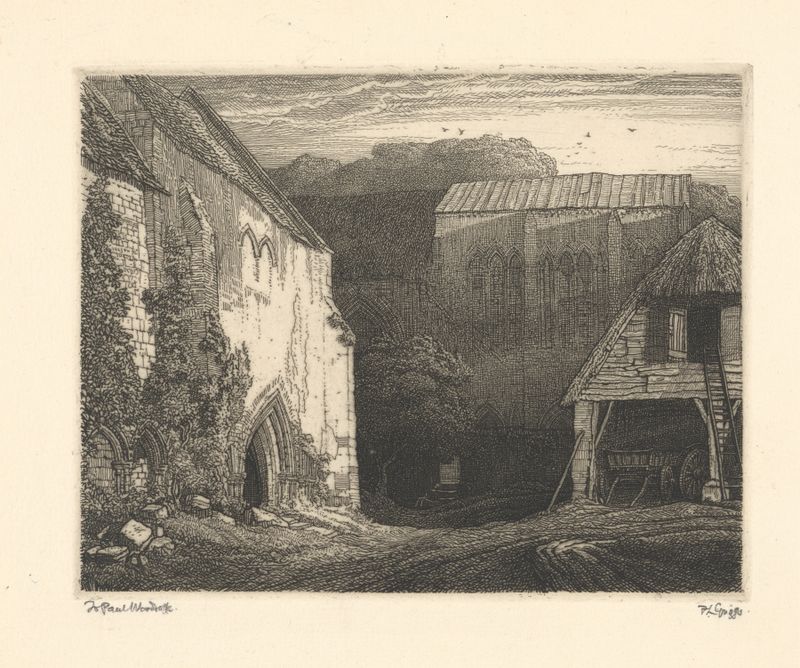
Priory Farm
Frederick Landseer Maur Griggs

St. Wendred’s March
Frederick Landseer Maur Griggs
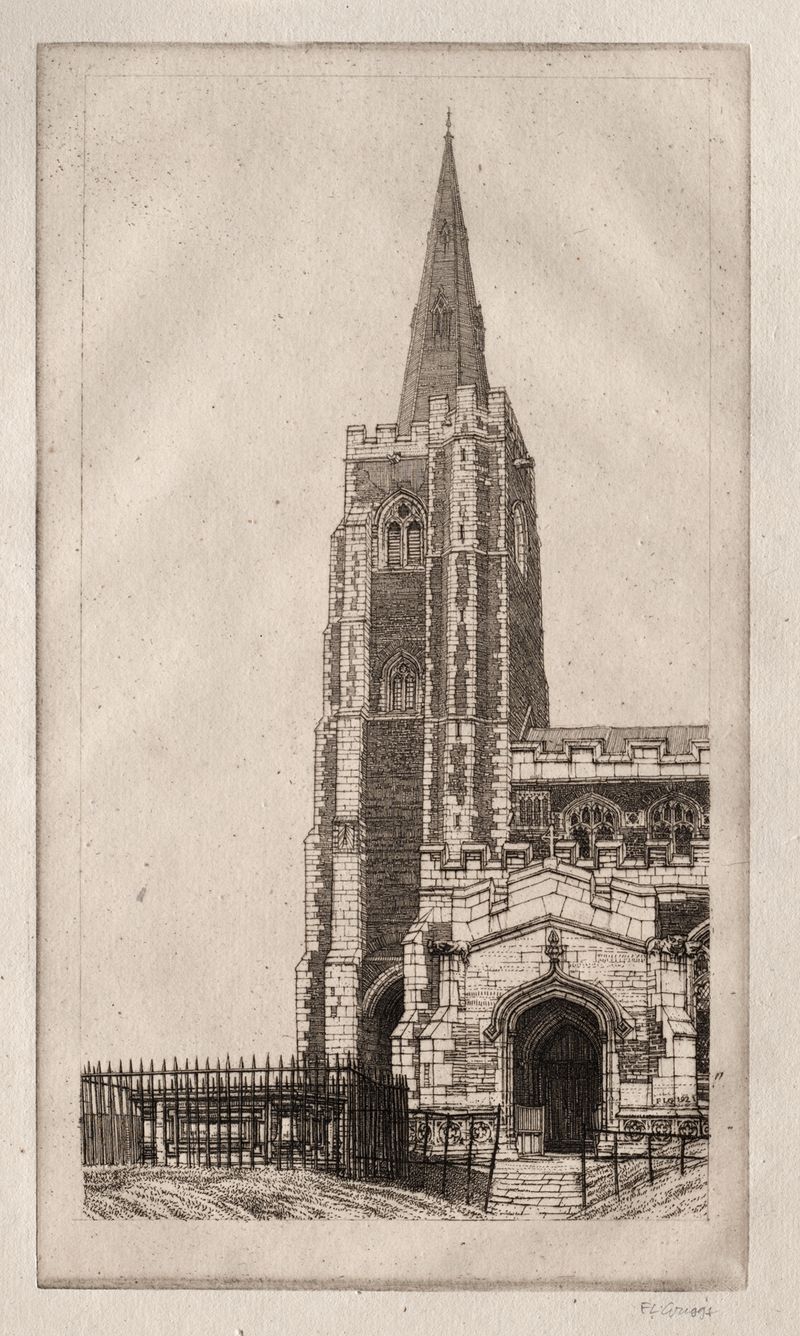
St. Wendred’s, March
Frederick Landseer Maur Griggs





