Discover insights about this artwork
Still Life with a Ginger Jar and Eggplants — History & Facts
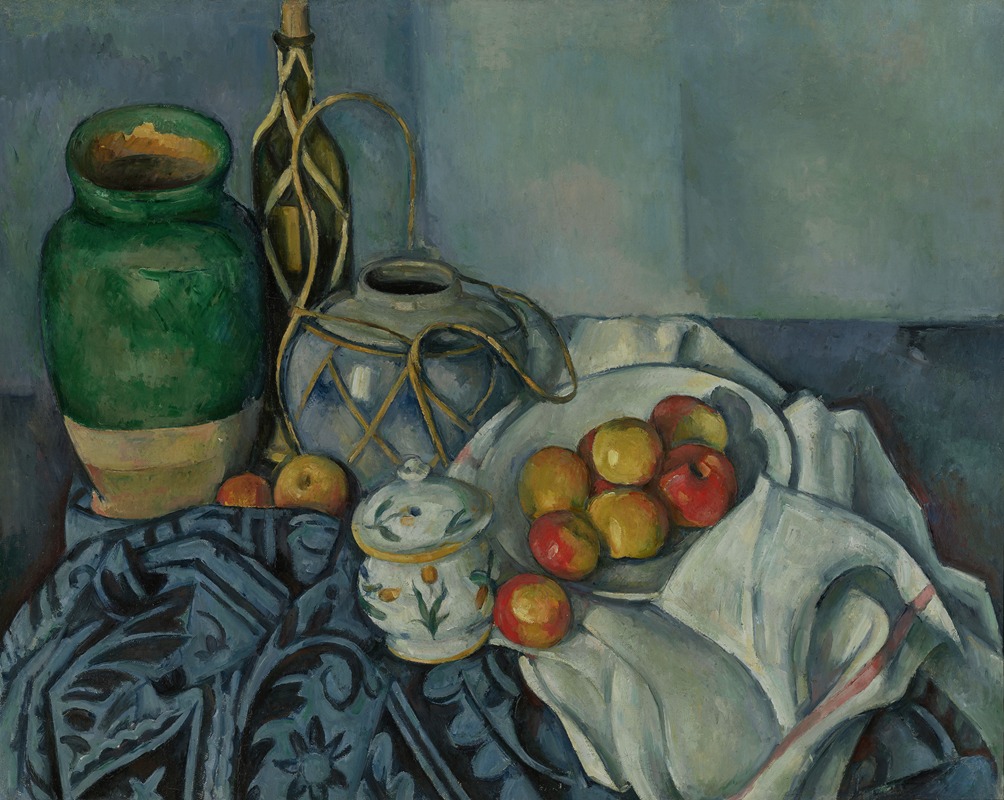
In Still Life with a Ginger Jar and Eggplants, Paul Cézanne presents a composition filled with rich colors and textures. The ginger jar, prominently placed, contrasts beautifully with the deep purple of the eggplants. The background is a soft blend of muted tones, which enhances the vibrancy of the objects in the foreground.
This arrangement reflects Cézanne's interest in the interplay of light and shadow. The painting is executed in oil on canvas, a medium that allows for the layering of colors and the creation of depth. Cézanne's brushwork is distinctive, characterized by short, visible strokes that build up the forms of the objects. The composition is carefully balanced, with the jar and eggplants drawing the viewer's eye across the canvas.
The dimensions are approximately 60 x 80 cm, making it a medium-sized work. Paul Cézanne is often regarded as a bridge between Impressionism and modern art. This particular work, created in the 1880s, showcases his unique approach to still life, where he emphasizes the geometric shapes of the objects. An interesting fact about this painting is how Cézanne's use of color and form influenced later artists, particularly in the development of Cubism.
His ability to simplify forms while maintaining their essence is a hallmark of his style.
More Artworks by Paul Cézanne
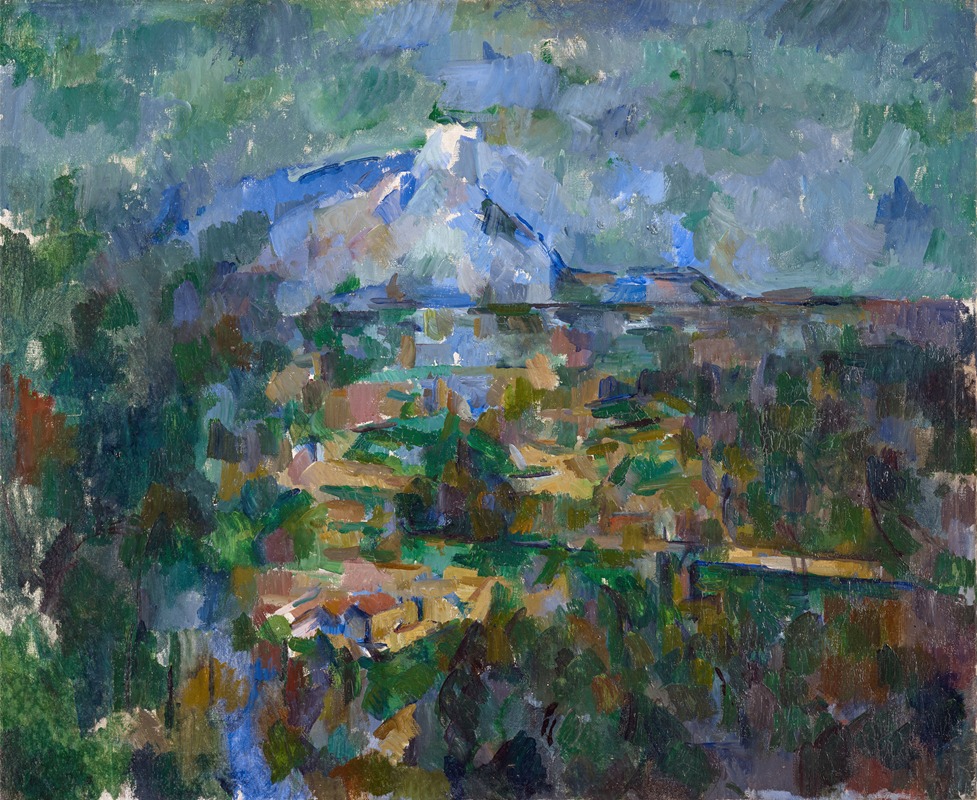
The Mont Sainte-Victoire Seen From Les Lauves
Paul Cézanne
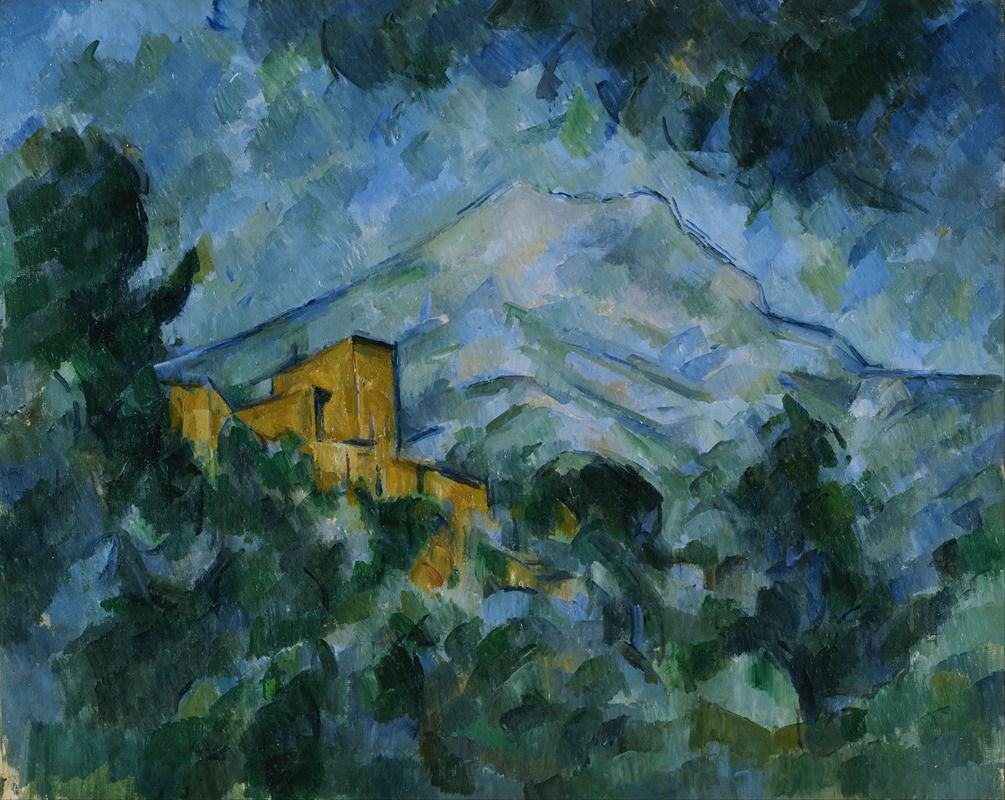
Mont Sainte-Victoire and Château Noir
Paul Cézanne
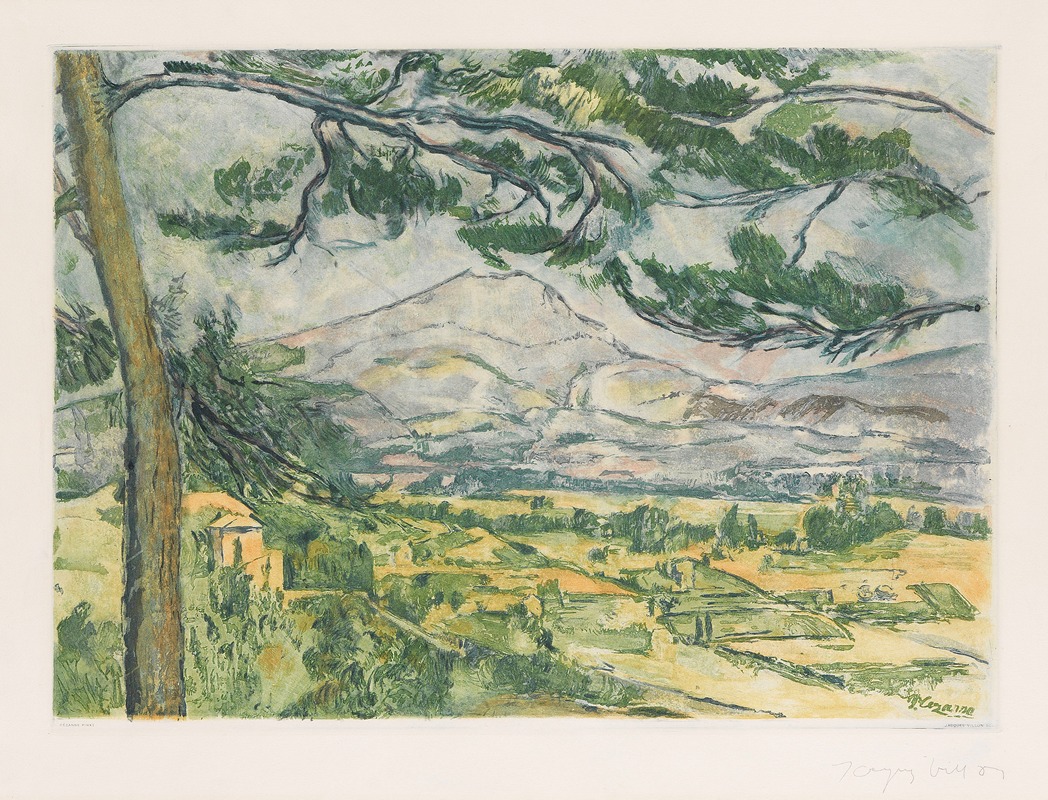
La Montagne Sainte-Victoire
Paul Cézanne
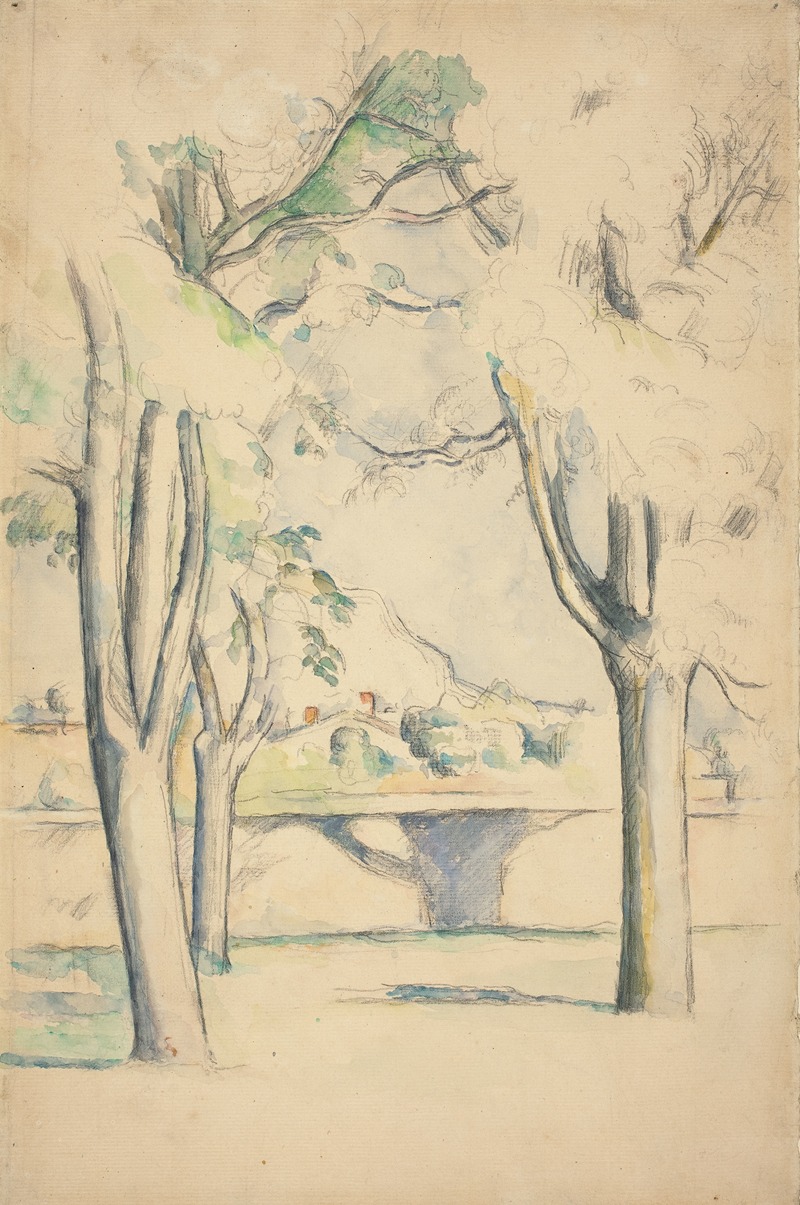
Mont Sainte-Victoire Seen beyond the Wall of the Jas de Bouffan
Paul Cézanne
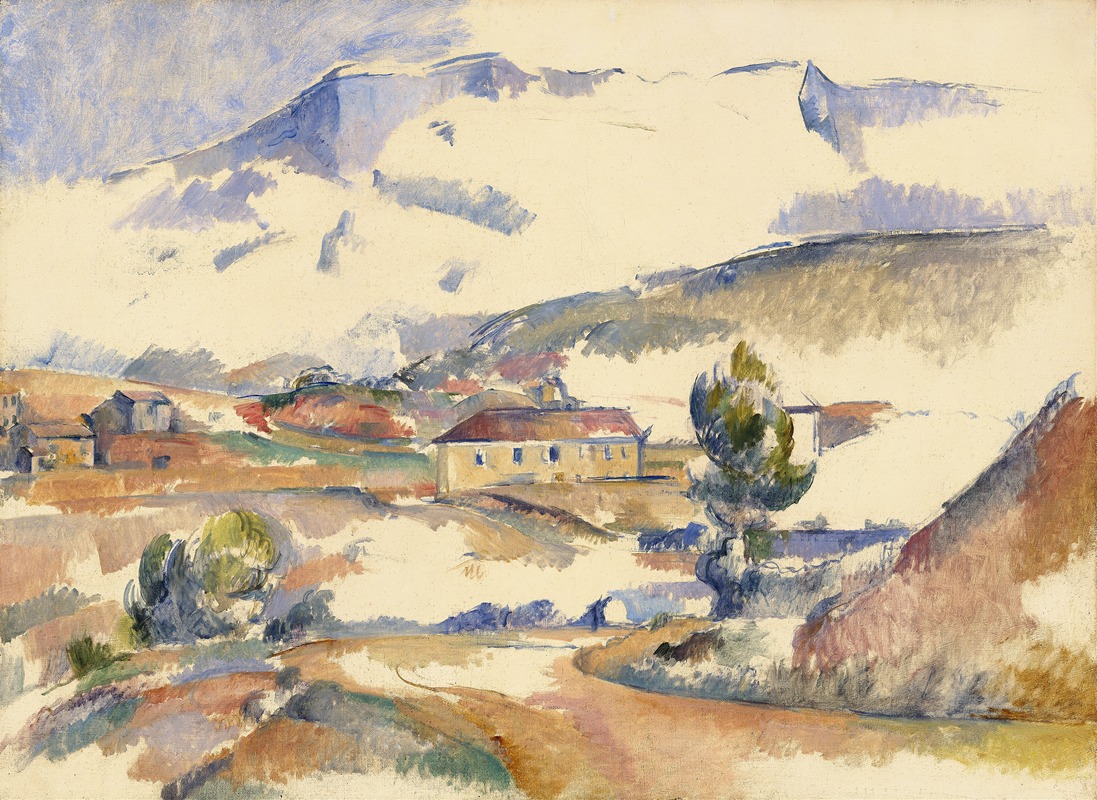
Montagne Sainte-Victoire,from near Gardanne
Paul Cézanne
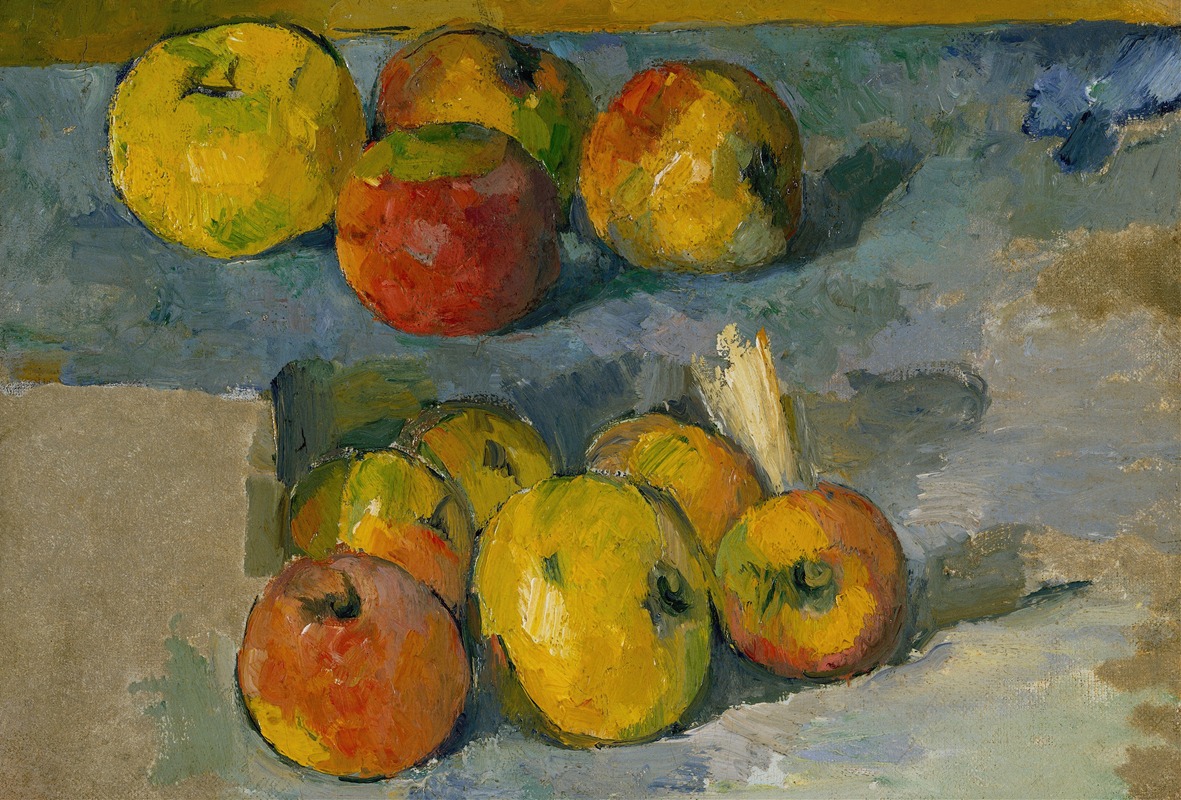
Apples
Paul Cézanne
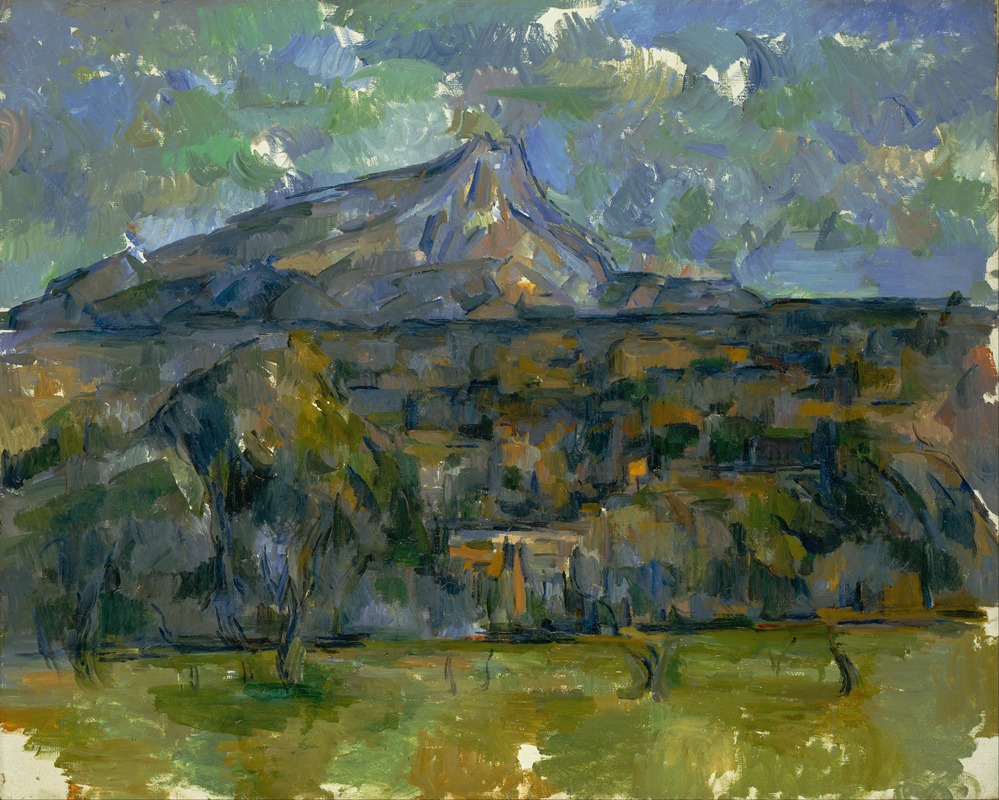
Mont Sainte-Victoire
Paul Cézanne
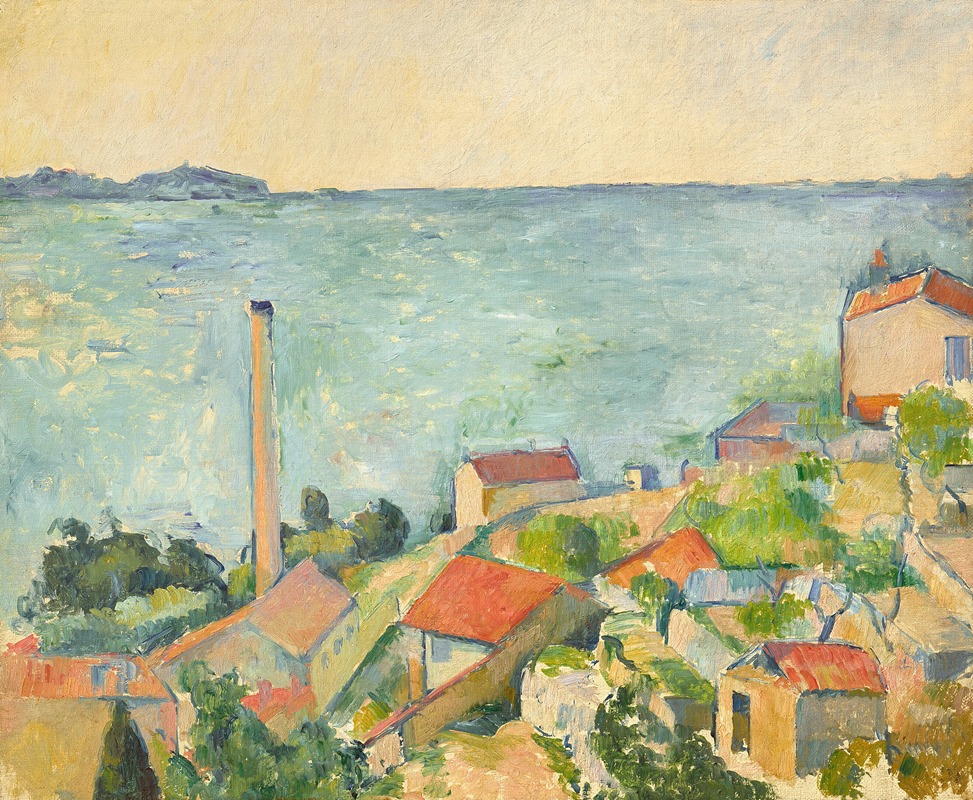
La mer à l’Estaque
Paul Cézanne
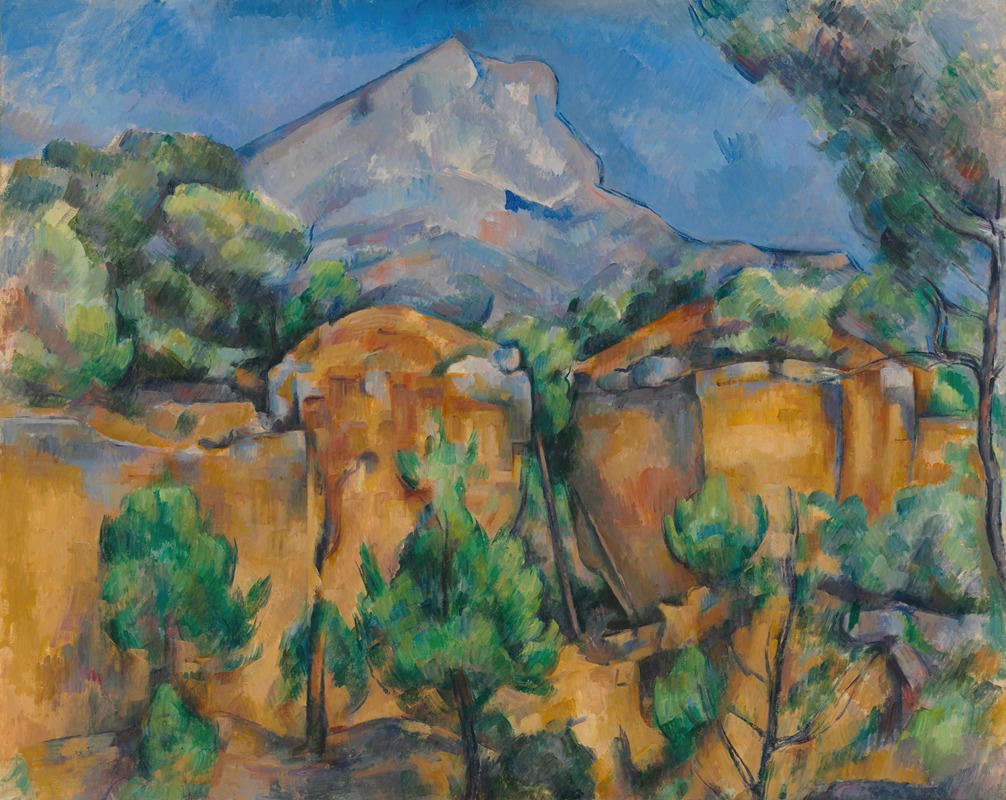
La Montagne Sainte-Victoire vue de la carrière Bibémus
Paul Cézanne
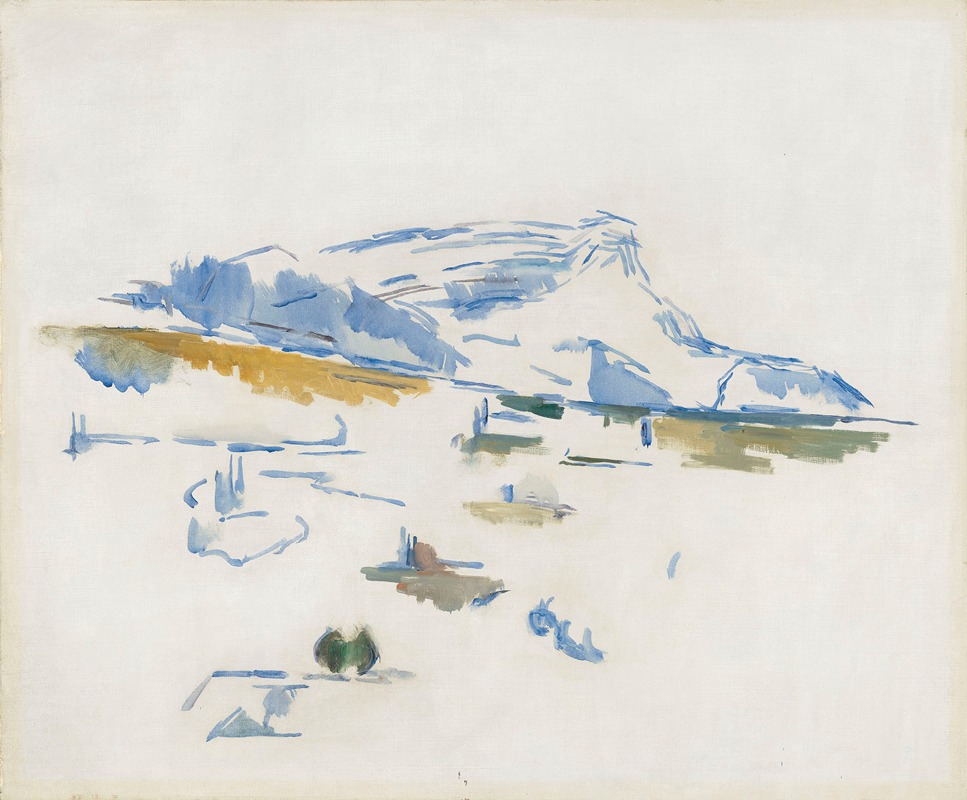
La Montagne Sainte-Victoire vue des Lauves
Paul Cézanne