Discover insights about this artwork
Still Life with Apples and a Pot of Primroses — History & Facts
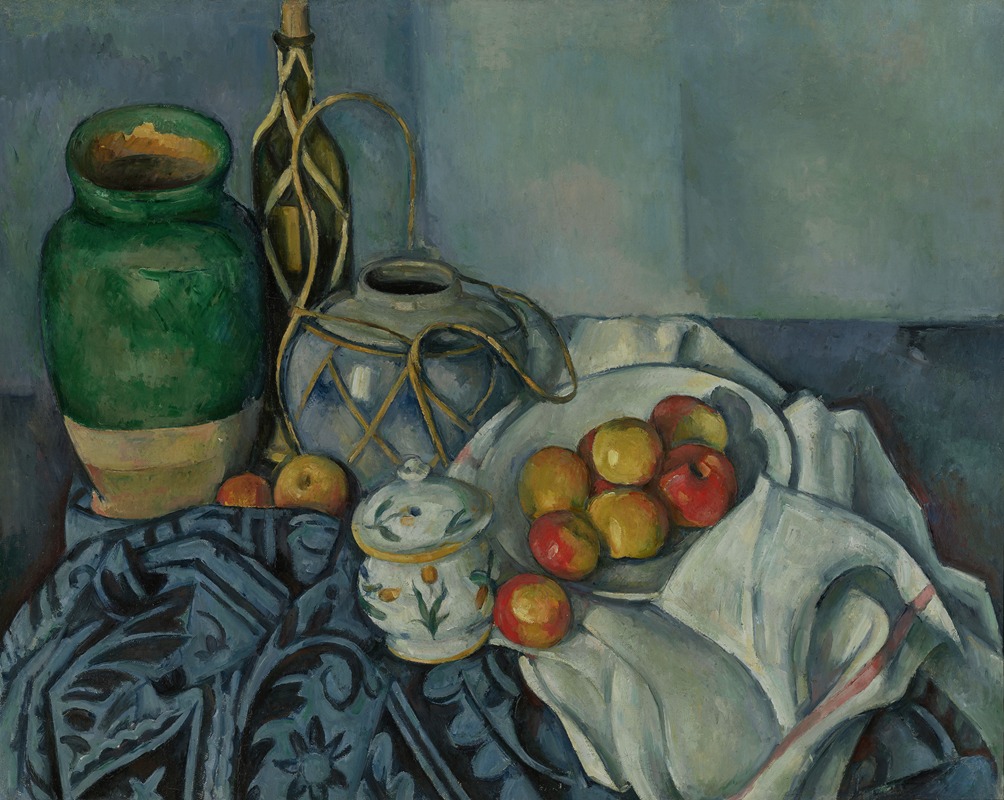
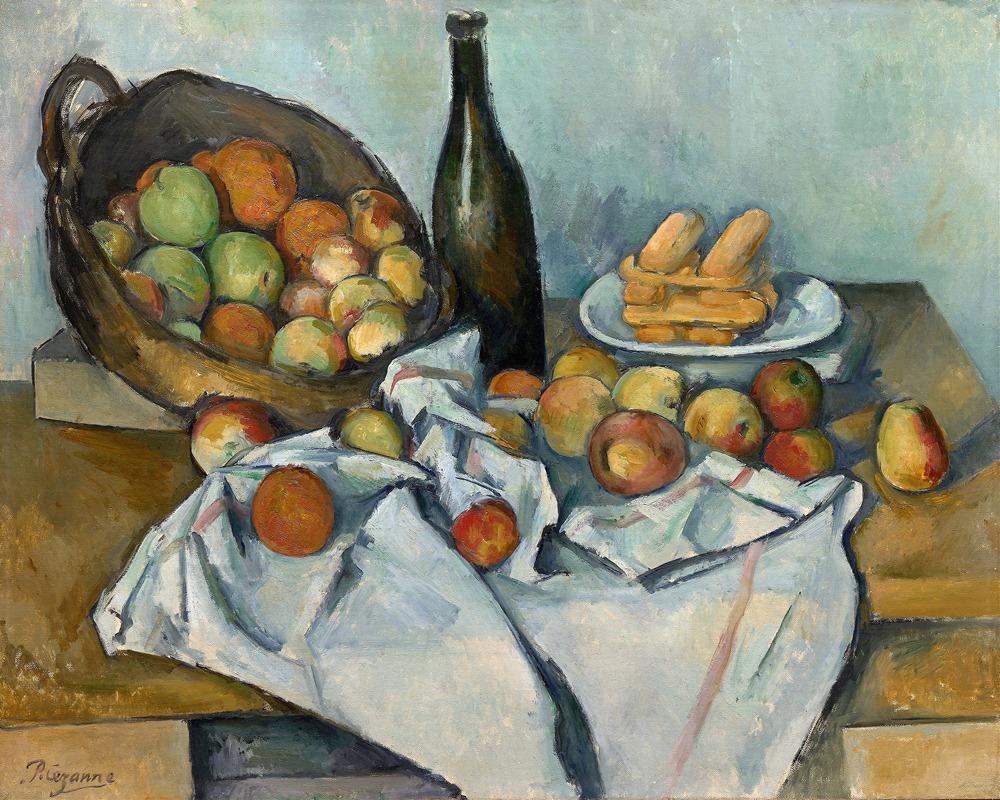
In Still Life with Apples and a Pot of Primroses, Paul Cézanne presents a vibrant arrangement of fruit and flowers. The painting features a cluster of red and green apples, their surfaces reflecting light in a way that emphasizes their roundness. Beside them, a pot of delicate primroses adds a touch of softness and color contrast.
The background is muted, allowing the apples and flowers to stand out prominently. Cézanne's technique in this painting showcases his unique brushwork and use of color. The apples are rendered with thick, expressive strokes, creating a sense of volume and texture. The pot of primroses is painted with a lighter touch, highlighting the fragility of the flowers.
This contrast in technique draws the viewer's eye and enhances the overall composition. Paul Cézanne is often regarded as a bridge between Impressionism and modern art. This work, created in the 1890s, reflects his interest in the structure of forms and the interplay of color. Interestingly, Cézanne believed that everything in nature could be reduced to geometric shapes, which is evident in the way he depicts the apples and flowers.
His approach influenced many artists in the 20th century, making him a pivotal figure in art history.
More Artworks by Paul Cézanne
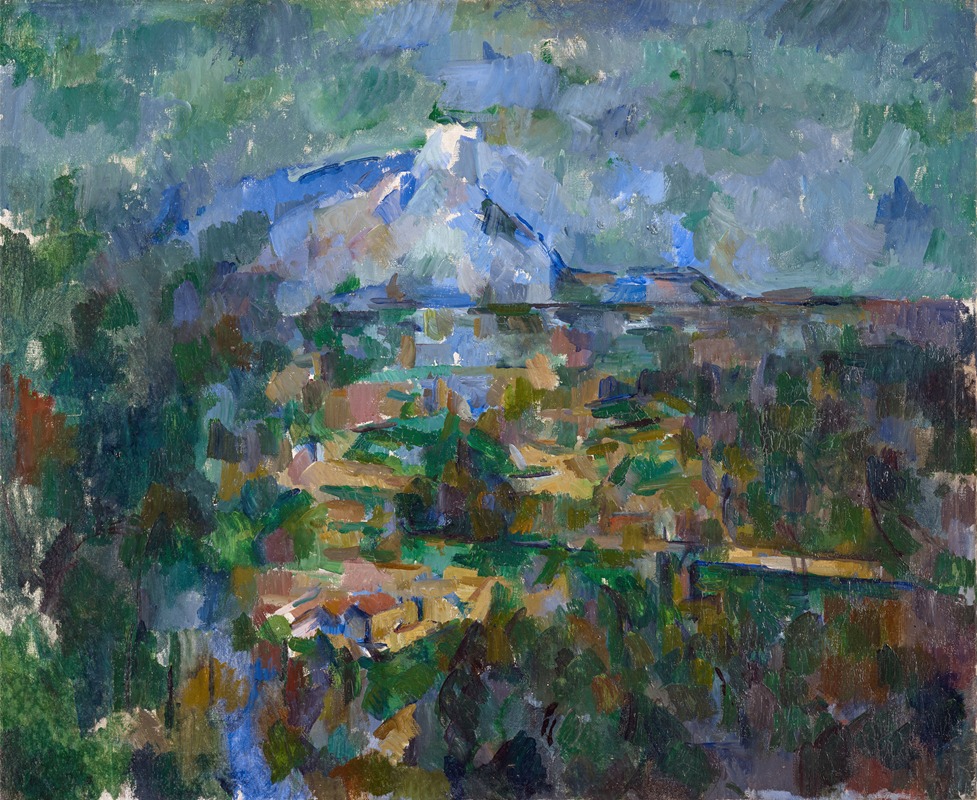
The Mont Sainte-Victoire Seen From Les Lauves
Paul Cézanne
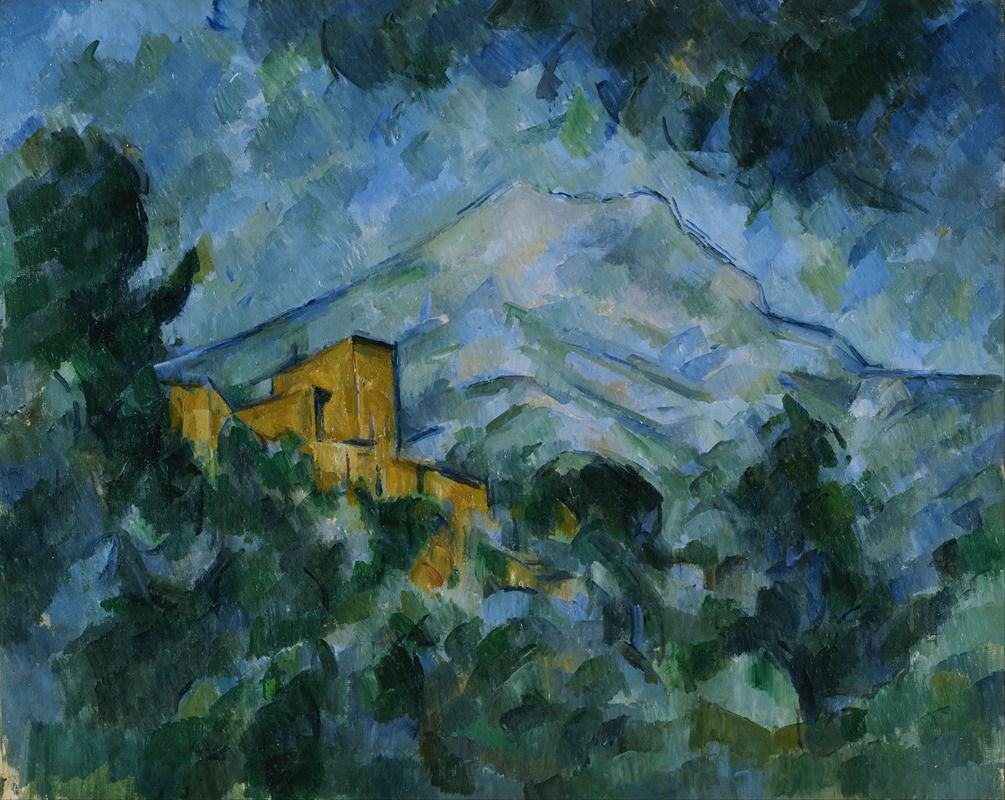
Mont Sainte-Victoire and Château Noir
Paul Cézanne
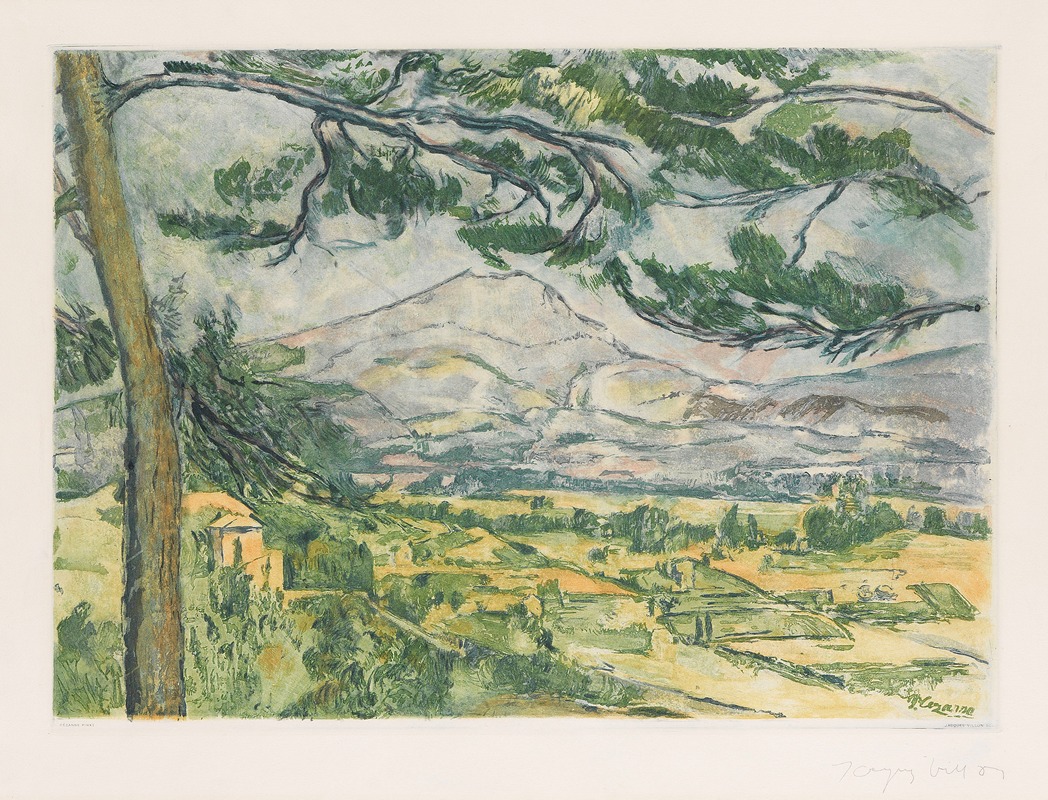
La Montagne Sainte-Victoire
Paul Cézanne
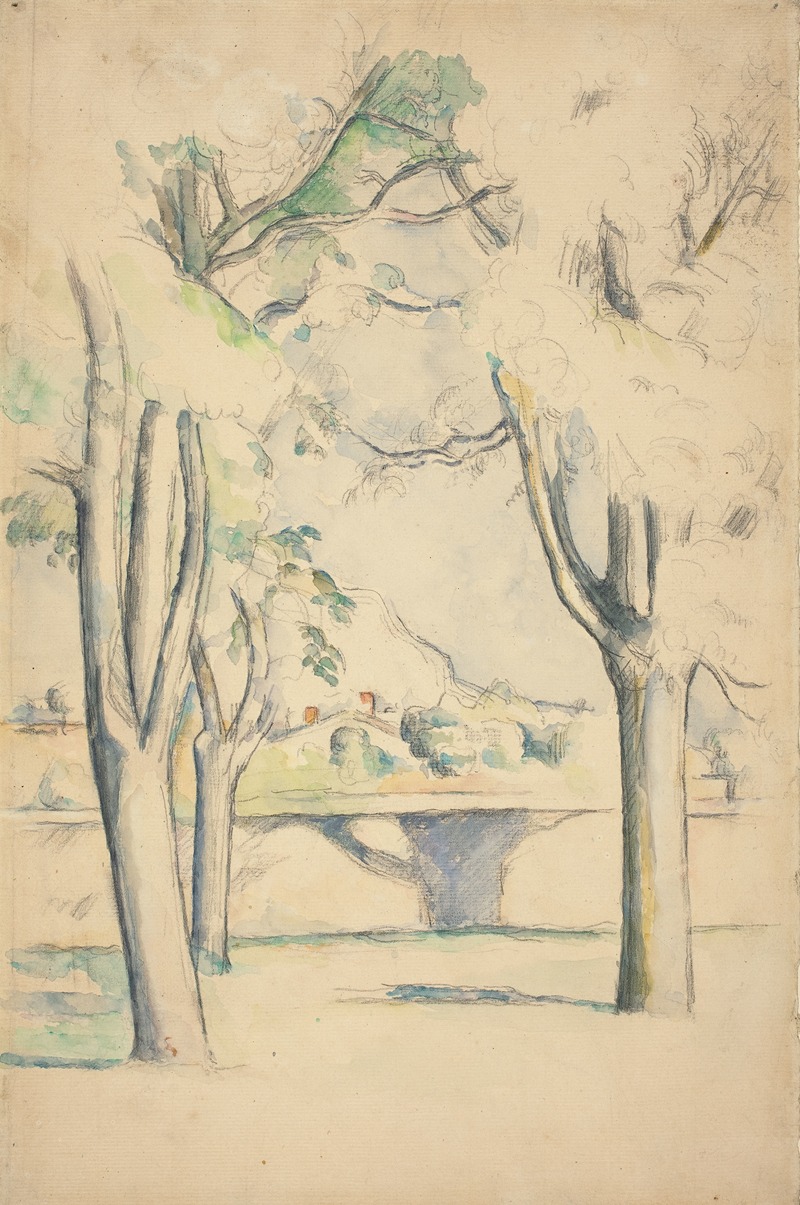
Mont Sainte-Victoire Seen beyond the Wall of the Jas de Bouffan
Paul Cézanne
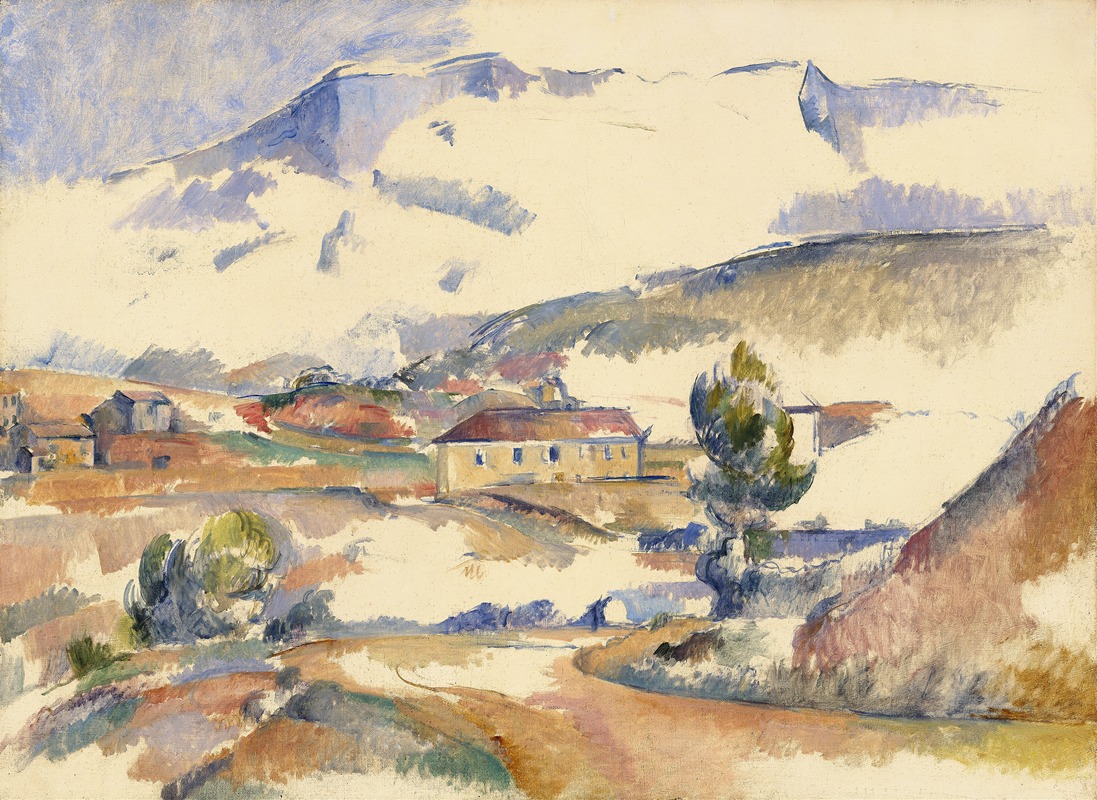
Montagne Sainte-Victoire,from near Gardanne
Paul Cézanne
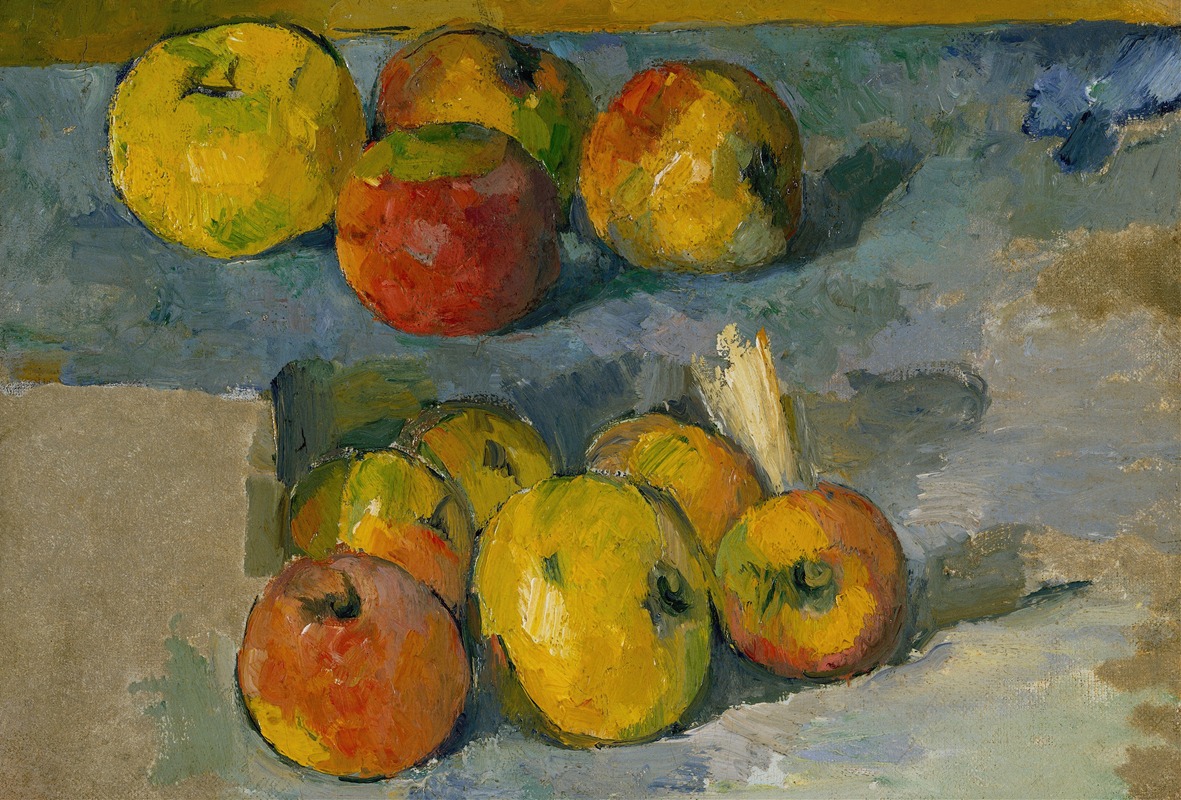
Apples
Paul Cézanne
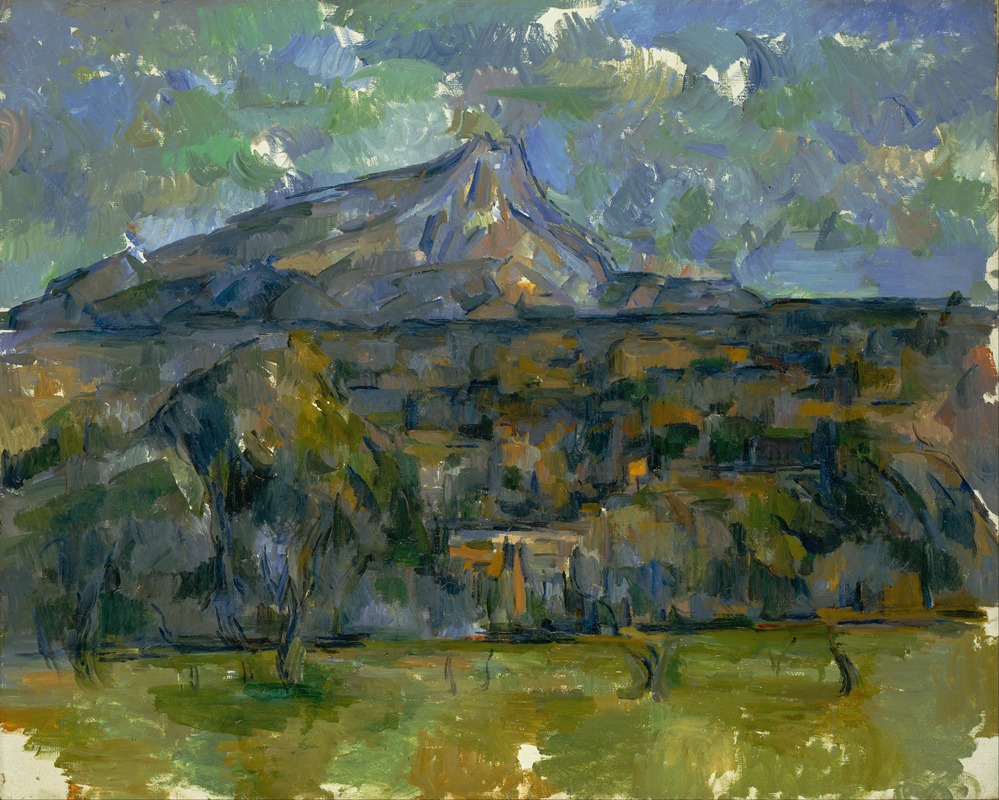
Mont Sainte-Victoire
Paul Cézanne
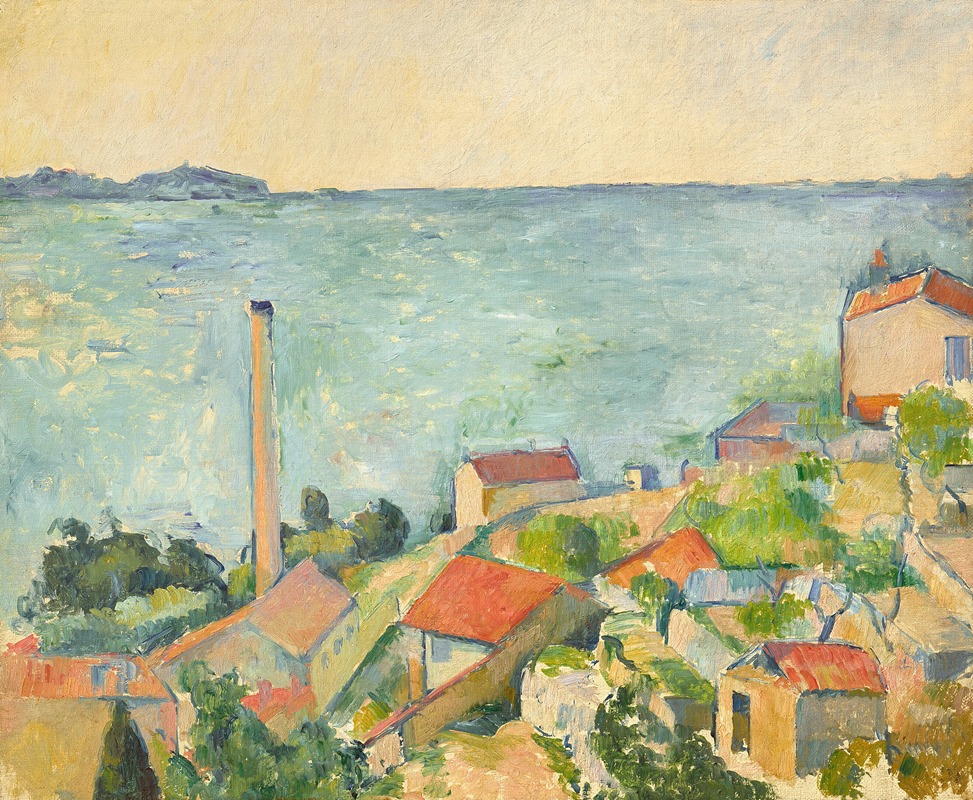
La mer à l’Estaque
Paul Cézanne
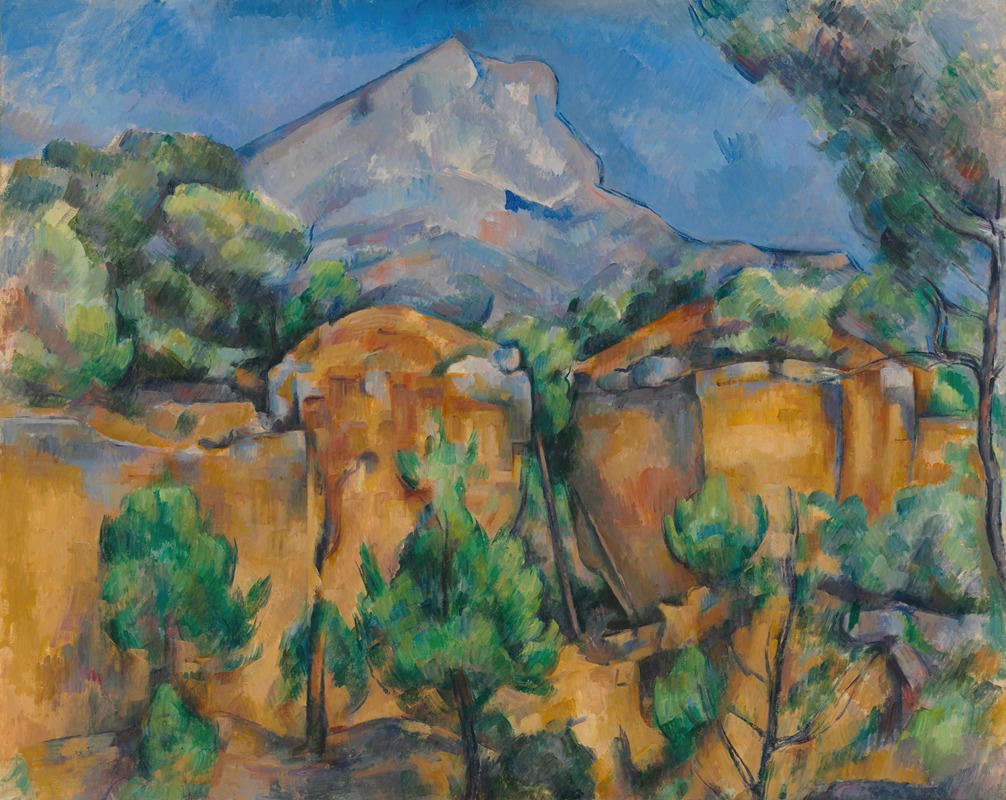
La Montagne Sainte-Victoire vue de la carrière Bibémus
Paul Cézanne
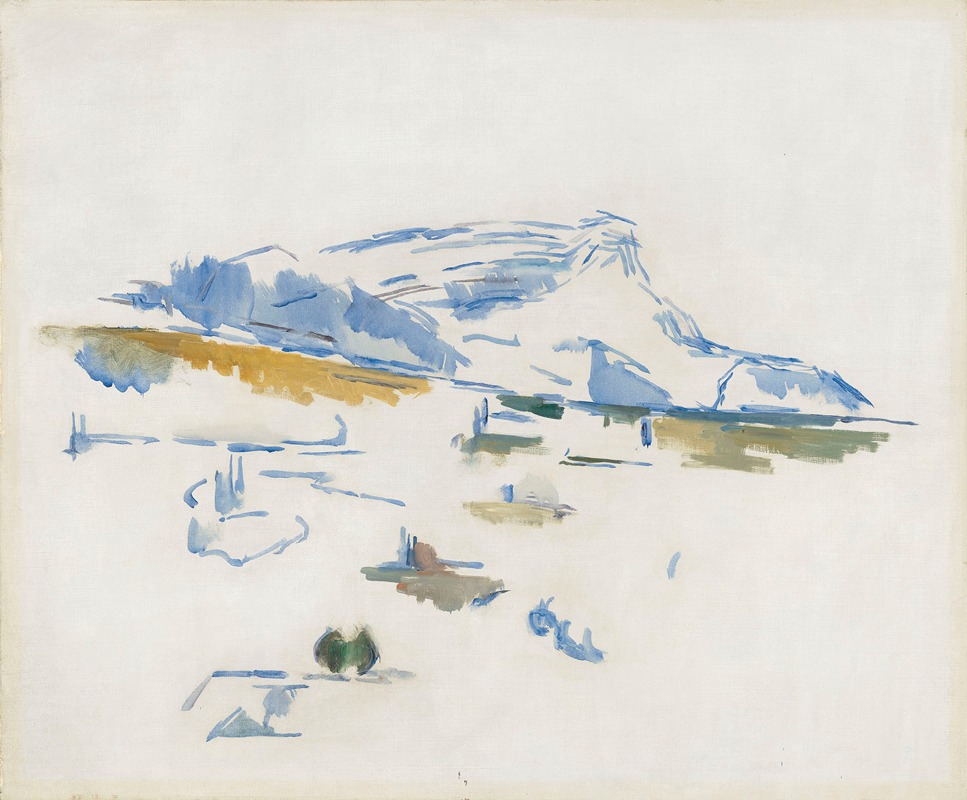
La Montagne Sainte-Victoire vue des Lauves
Paul Cézanne