Discover insights about this artwork
Still life with kettle — History & Facts
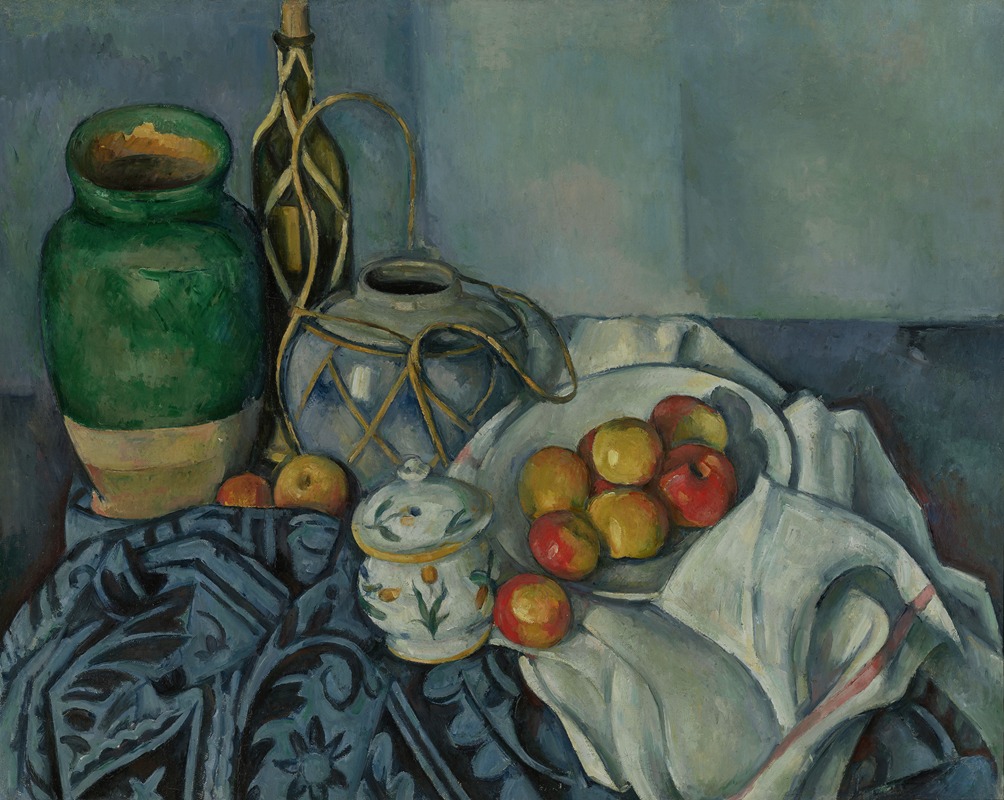
In Still Life with Kettle, Paul Cézanne presents a composition rich in color and form. The painting features a kettle, fruits, and various objects arranged on a table. The colors are vibrant, with deep greens, warm yellows, and soft browns creating a harmonious balance.
The setting is intimate, inviting viewers into a domestic space filled with everyday items. Cézanne's technique is evident in the brushstrokes, which are both bold and delicate. The use of oil on canvas allows for a rich texture, enhancing the visual depth of the objects. The kettle, a central focus, is rendered with careful attention to light and shadow, showcasing Cézanne's understanding of form.
The overall composition reflects his innovative approach to still life, moving away from traditional representations. Paul Cézanne, a key figure in the transition from Impressionism to modern art, often explored the theme of still life. This particular work is notable for its emphasis on geometric shapes and the interplay of color. An interesting fact about this painting is that it exemplifies Cézanne's belief that art should reflect the structure of nature, a principle he applied throughout his career.
His unique style has influenced countless artists and remains celebrated today.
More Artworks by Paul Cézanne
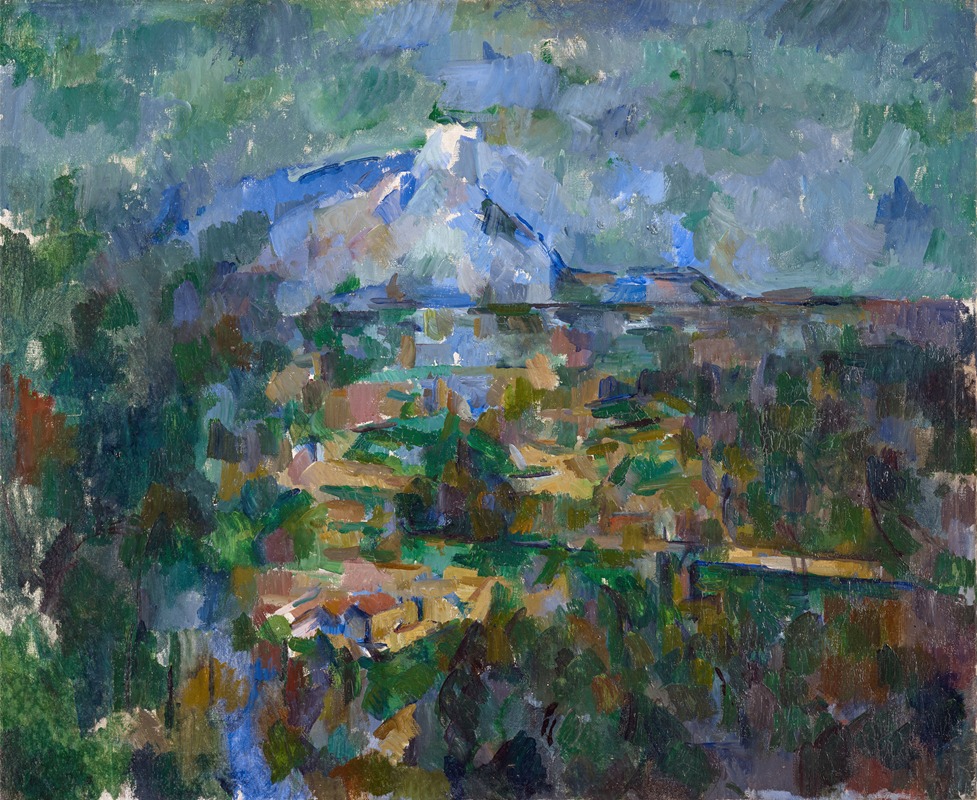
The Mont Sainte-Victoire Seen From Les Lauves
Paul Cézanne
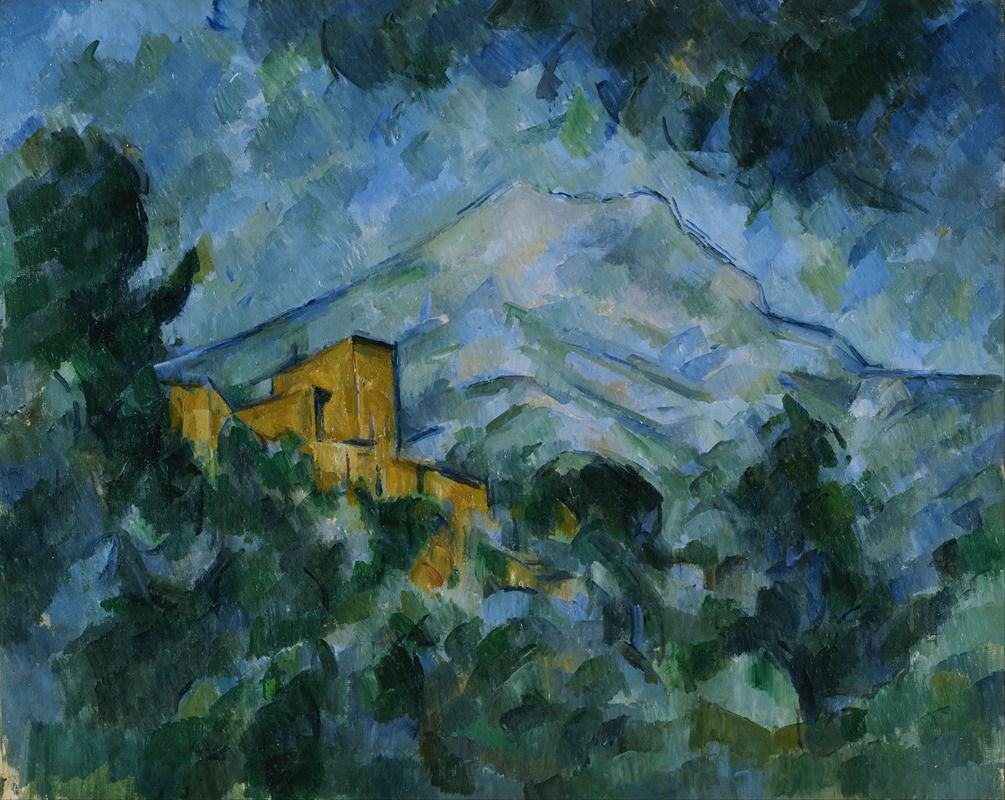
Mont Sainte-Victoire and Château Noir
Paul Cézanne
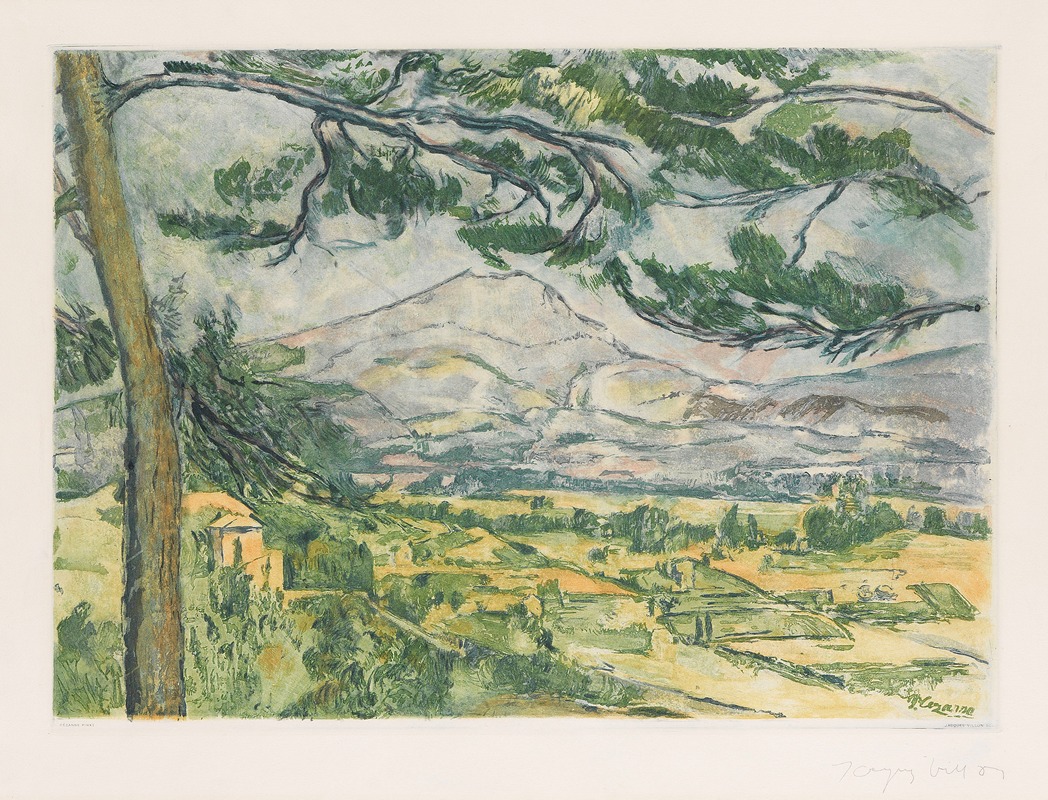
La Montagne Sainte-Victoire
Paul Cézanne
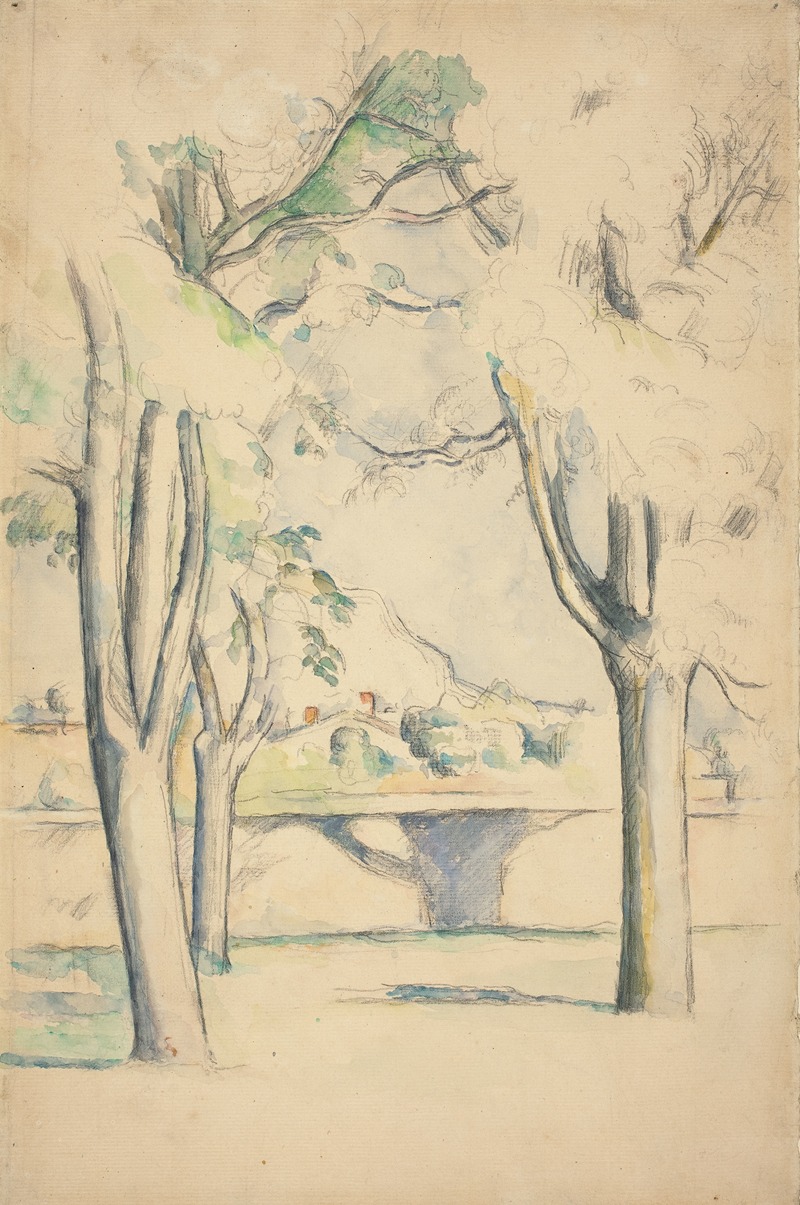
Mont Sainte-Victoire Seen beyond the Wall of the Jas de Bouffan
Paul Cézanne
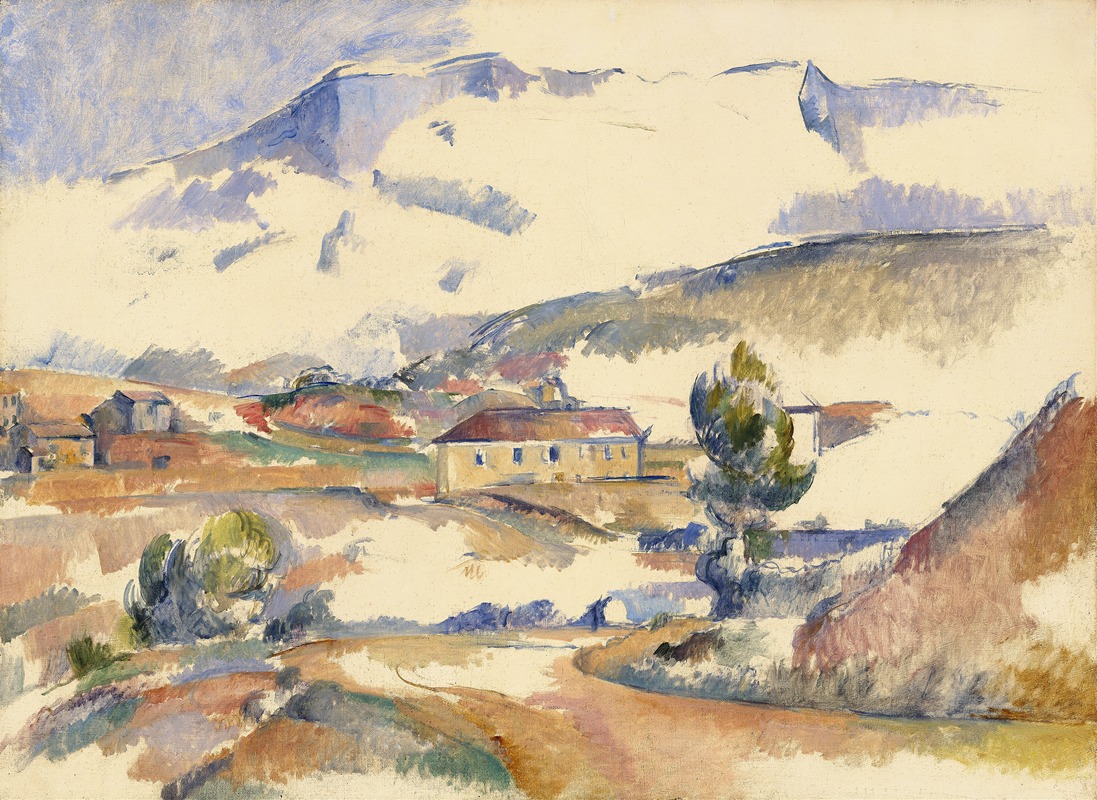
Montagne Sainte-Victoire,from near Gardanne
Paul Cézanne
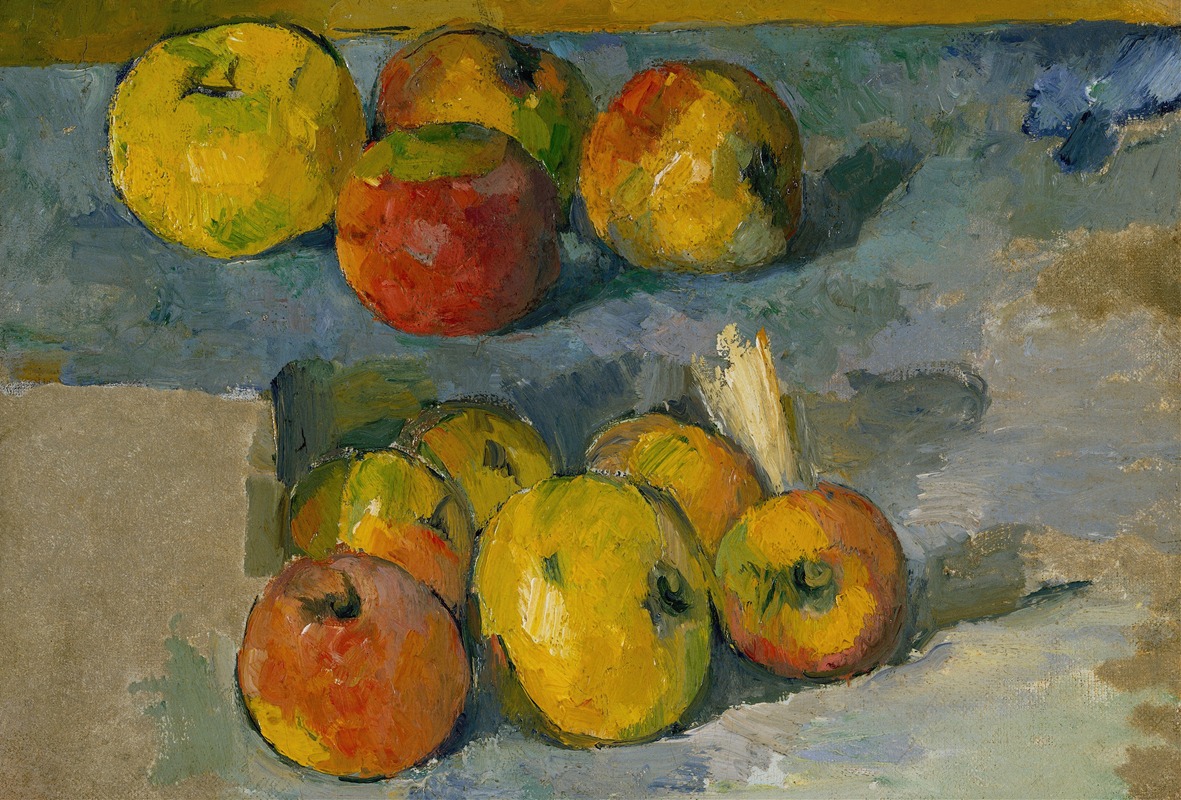
Apples
Paul Cézanne
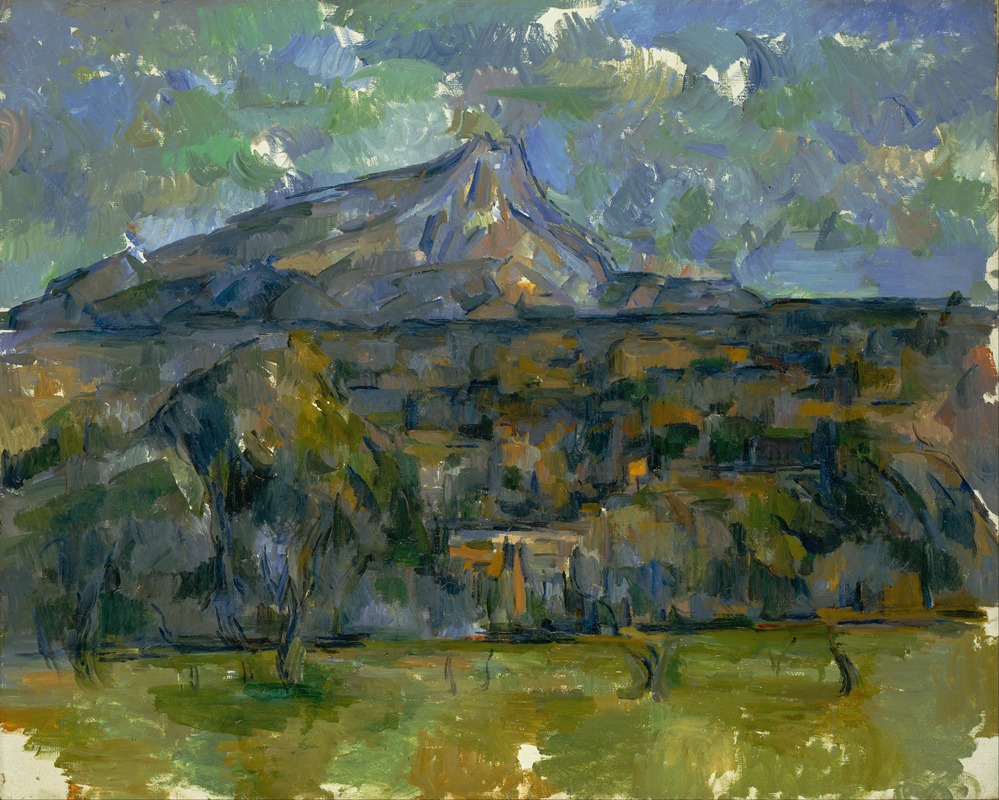
Mont Sainte-Victoire
Paul Cézanne
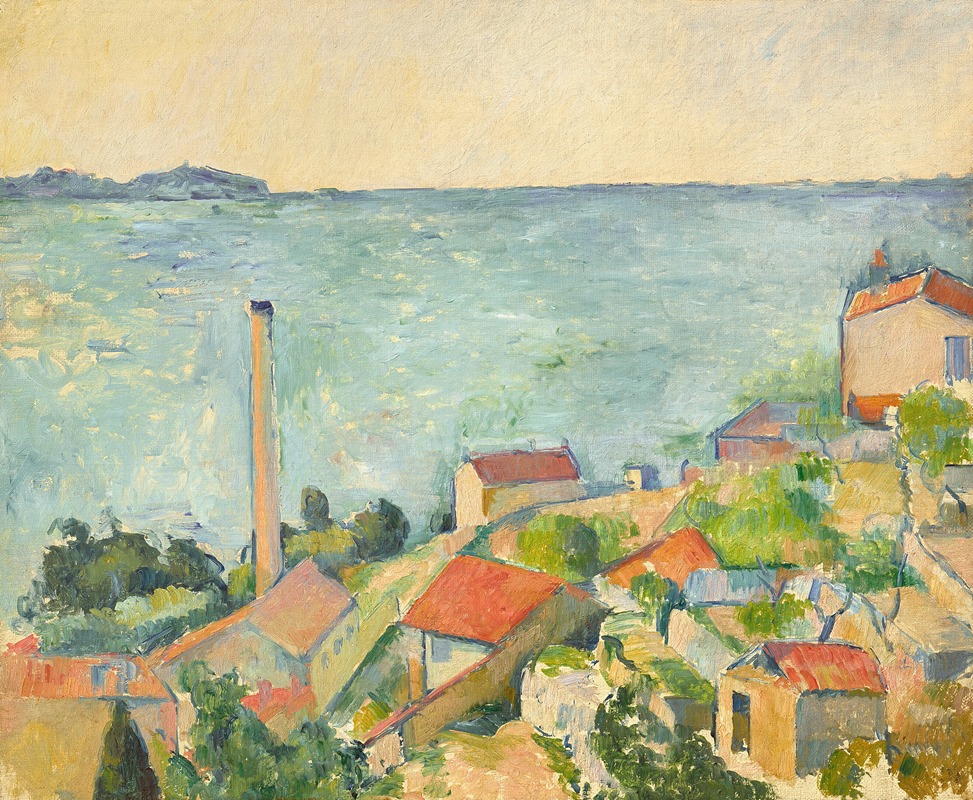
La mer à l’Estaque
Paul Cézanne
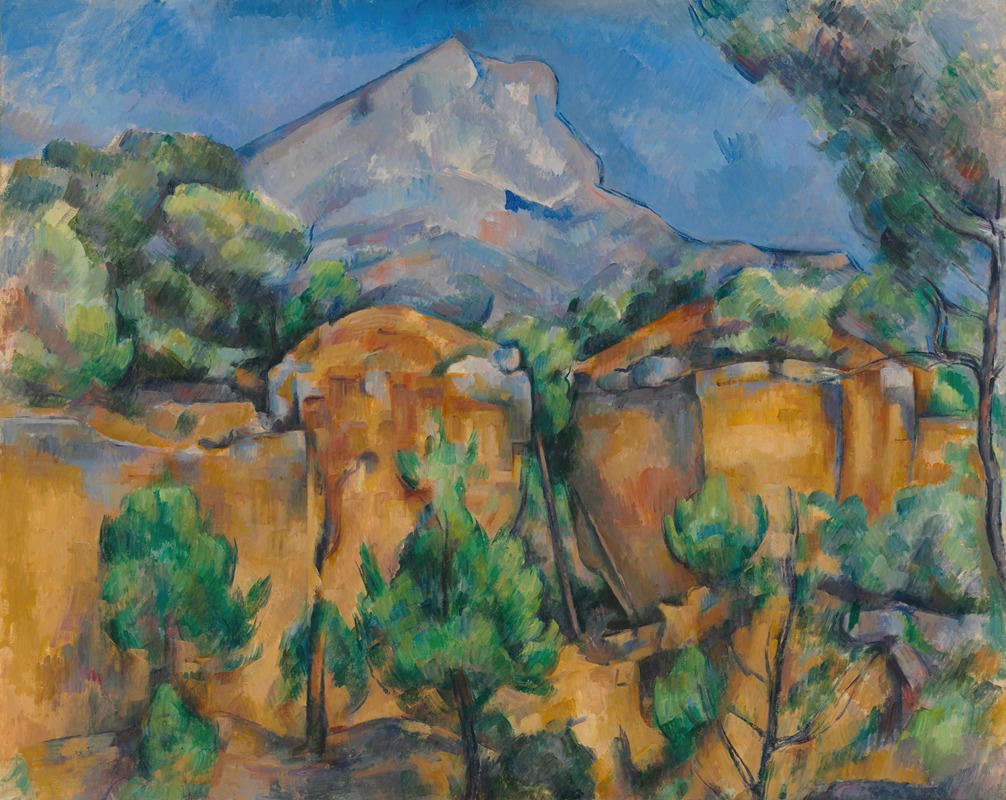
La Montagne Sainte-Victoire vue de la carrière Bibémus
Paul Cézanne
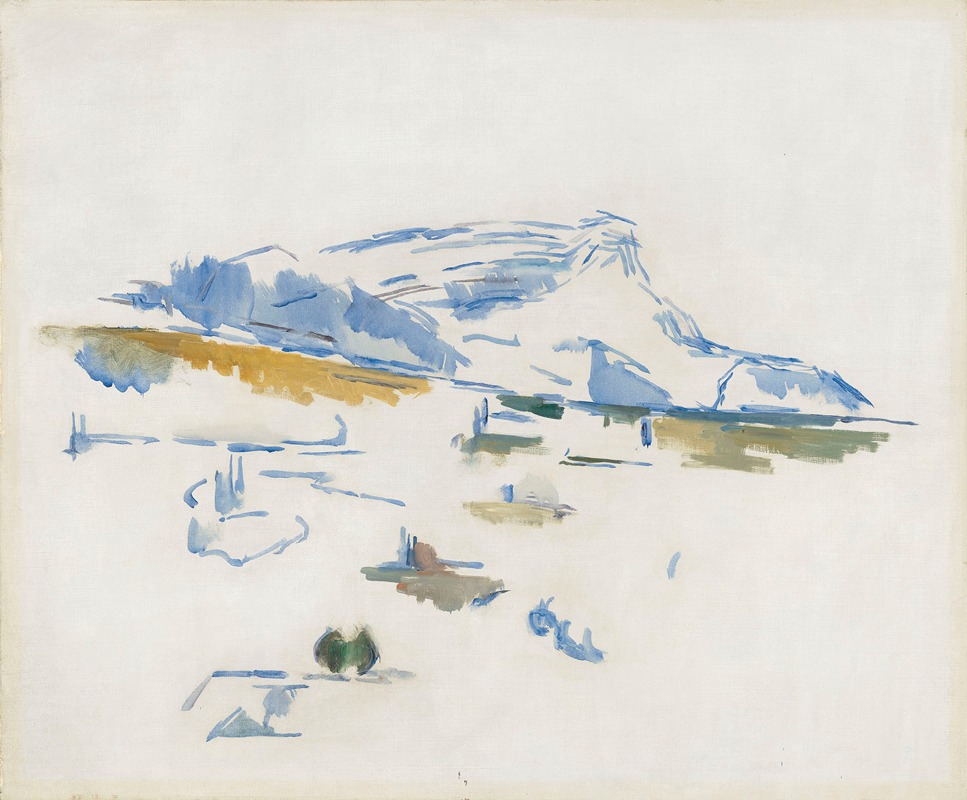
La Montagne Sainte-Victoire vue des Lauves
Paul Cézanne