Discover insights about this artwork
Still Life with Onions — History & Facts
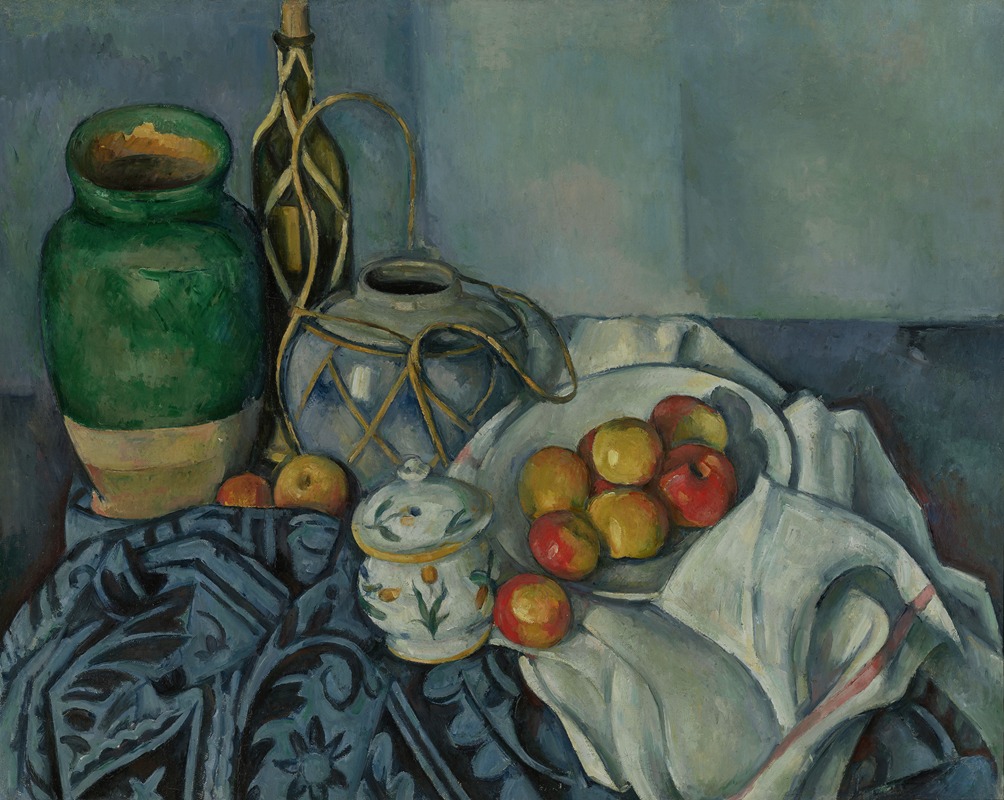
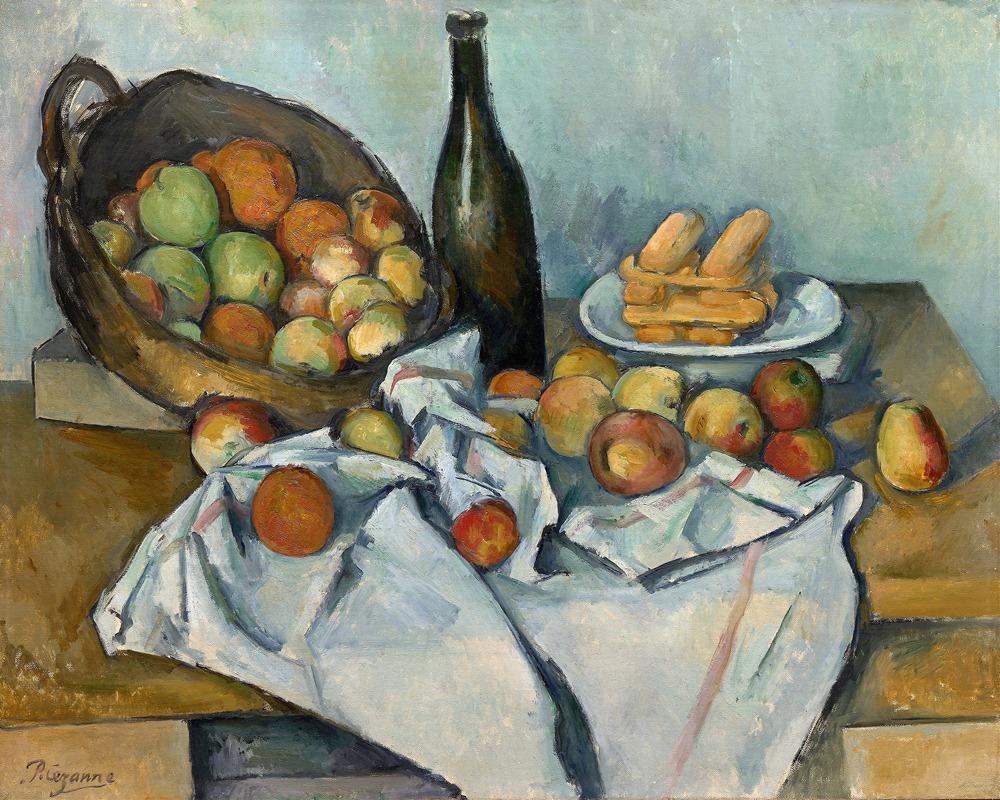
In Still Life with Onions, Paul Cézanne presents a composition dominated by earthy tones. The onions, rendered in shades of yellow and brown, sit atop a textured surface. The background features muted colors that enhance the focus on the onions.
This arrangement creates a sense of depth and dimensionality. Cézanne's technique is evident in the way he layers paint to create volume. The brushstrokes are visible, adding a tactile quality to the work. The use of light and shadow gives the onions a realistic appearance, while the overall composition remains distinctly stylized.
This painting exemplifies Cézanne's approach to still life. Paul Cézanne is often regarded as a bridge between Impressionism and modern art. This particular work, created in the 1890s, reflects his interest in form and structure. An interesting fact about this painting is that it showcases his unique ability to transform everyday objects into subjects of beauty.
Cézanne's still lifes have had a lasting influence on artists who followed him.
More Artworks by Paul Cézanne
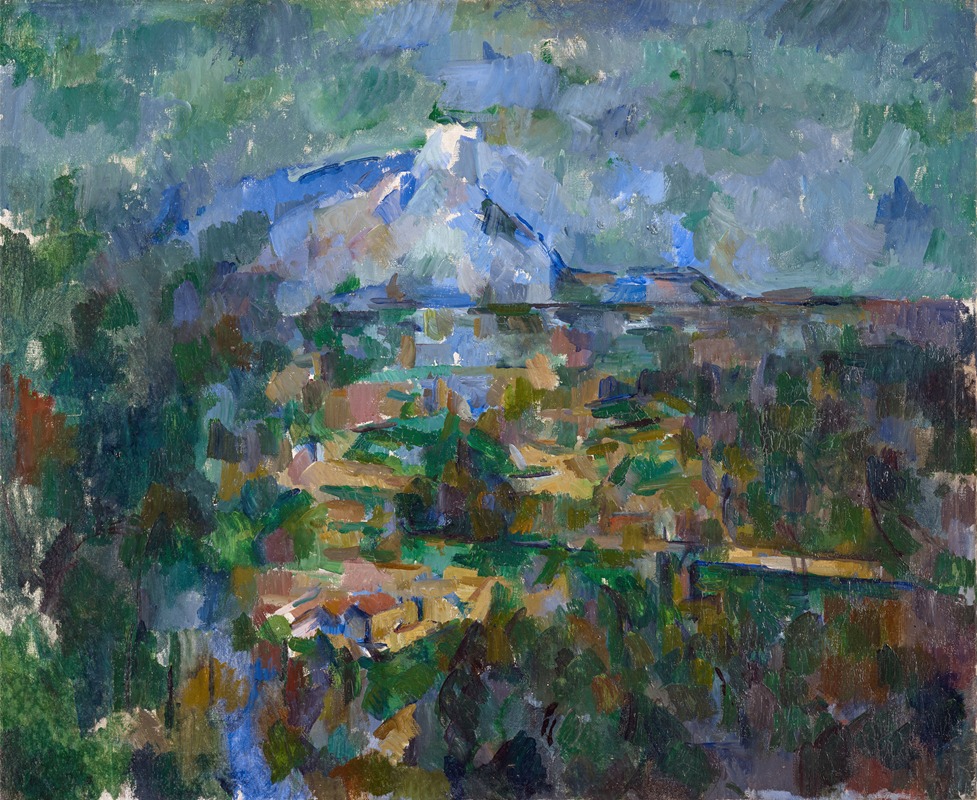
The Mont Sainte-Victoire Seen From Les Lauves
Paul Cézanne
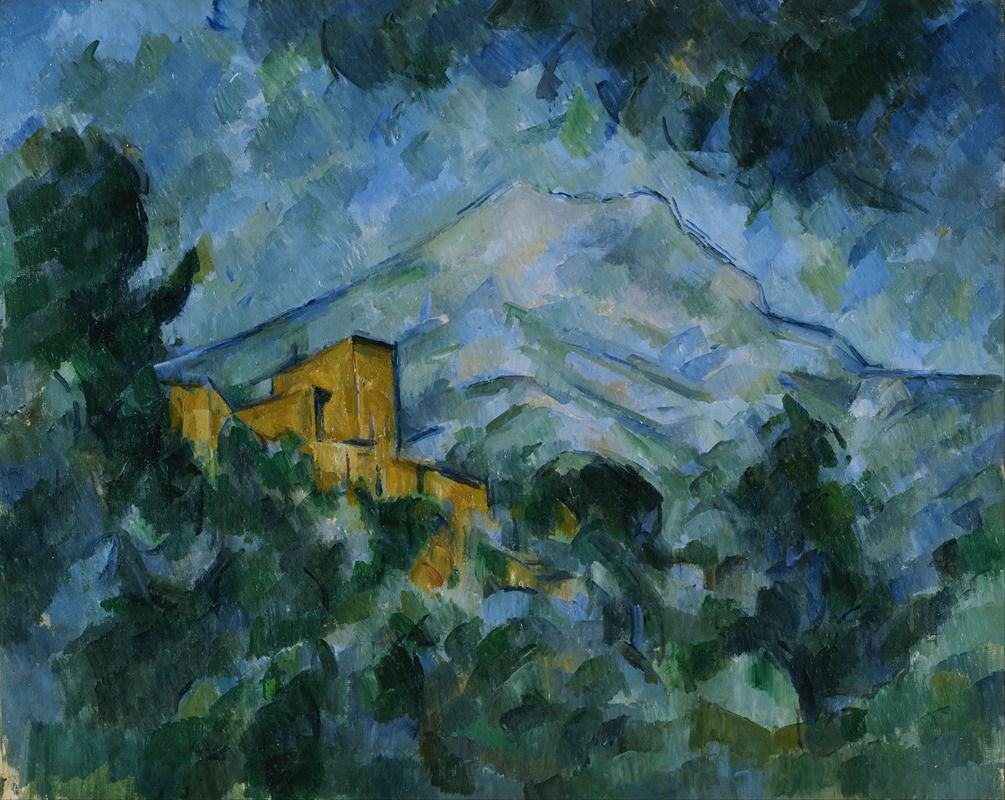
Mont Sainte-Victoire and Château Noir
Paul Cézanne
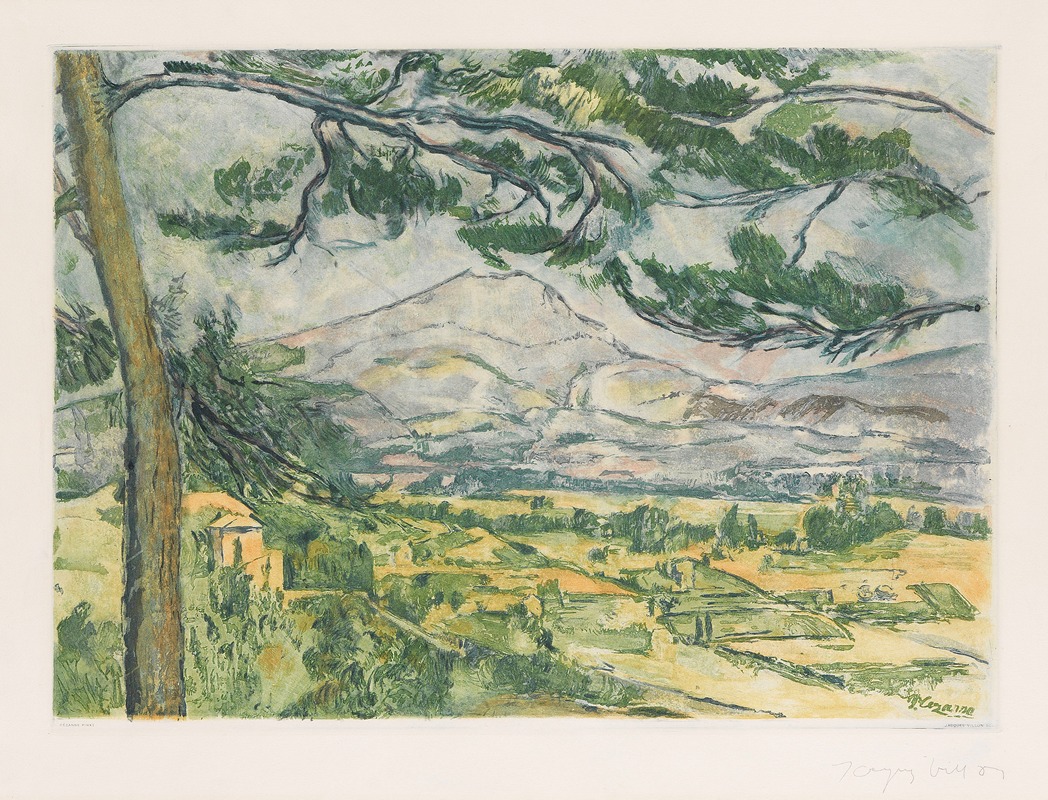
La Montagne Sainte-Victoire
Paul Cézanne
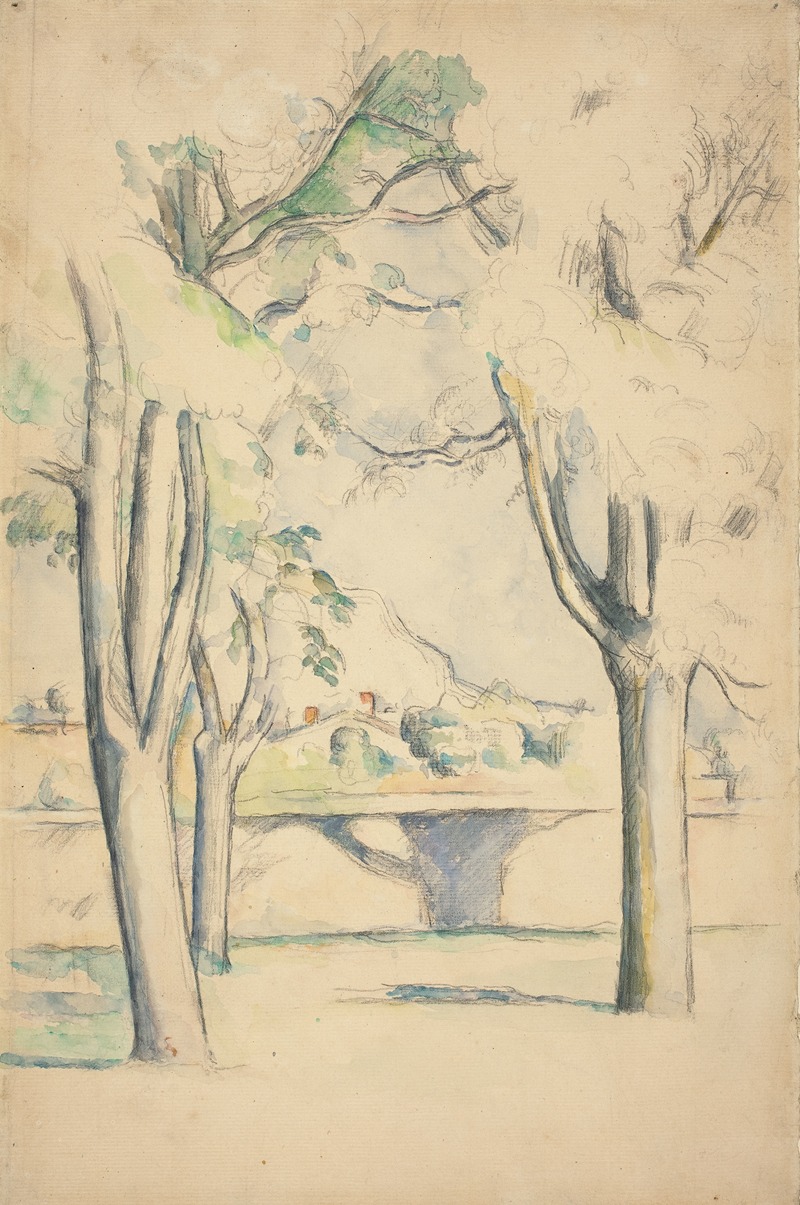
Mont Sainte-Victoire Seen beyond the Wall of the Jas de Bouffan
Paul Cézanne
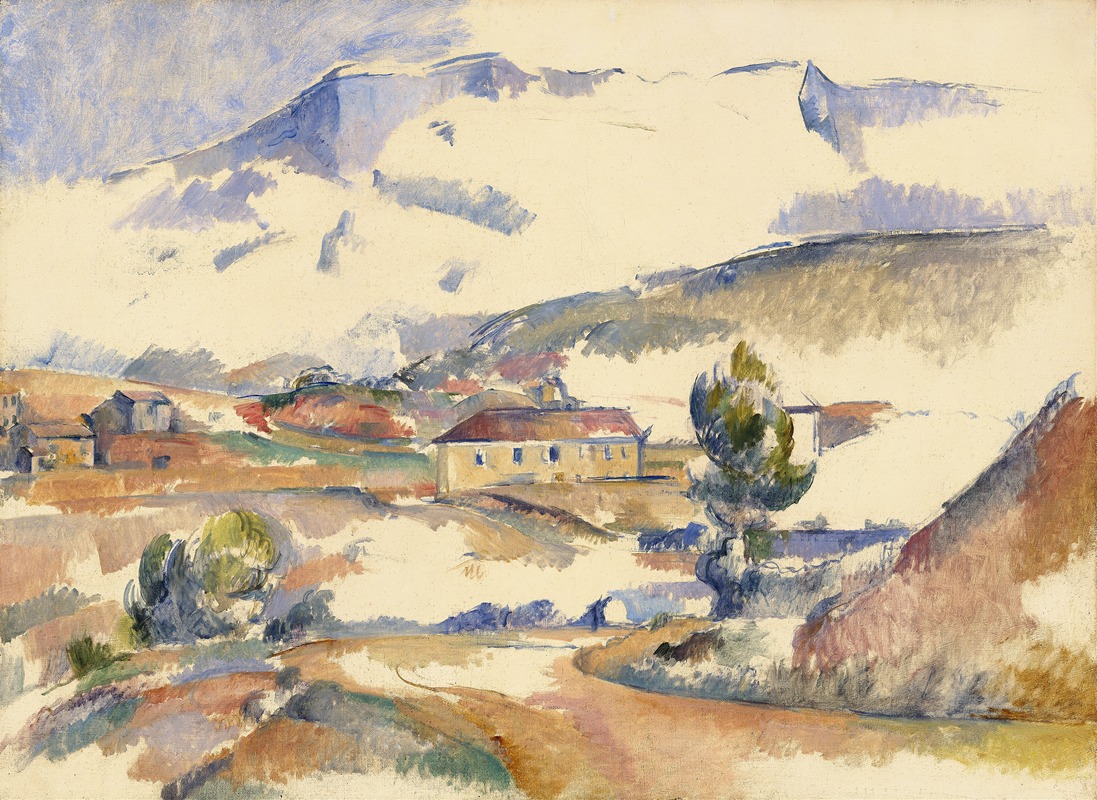
Montagne Sainte-Victoire,from near Gardanne
Paul Cézanne
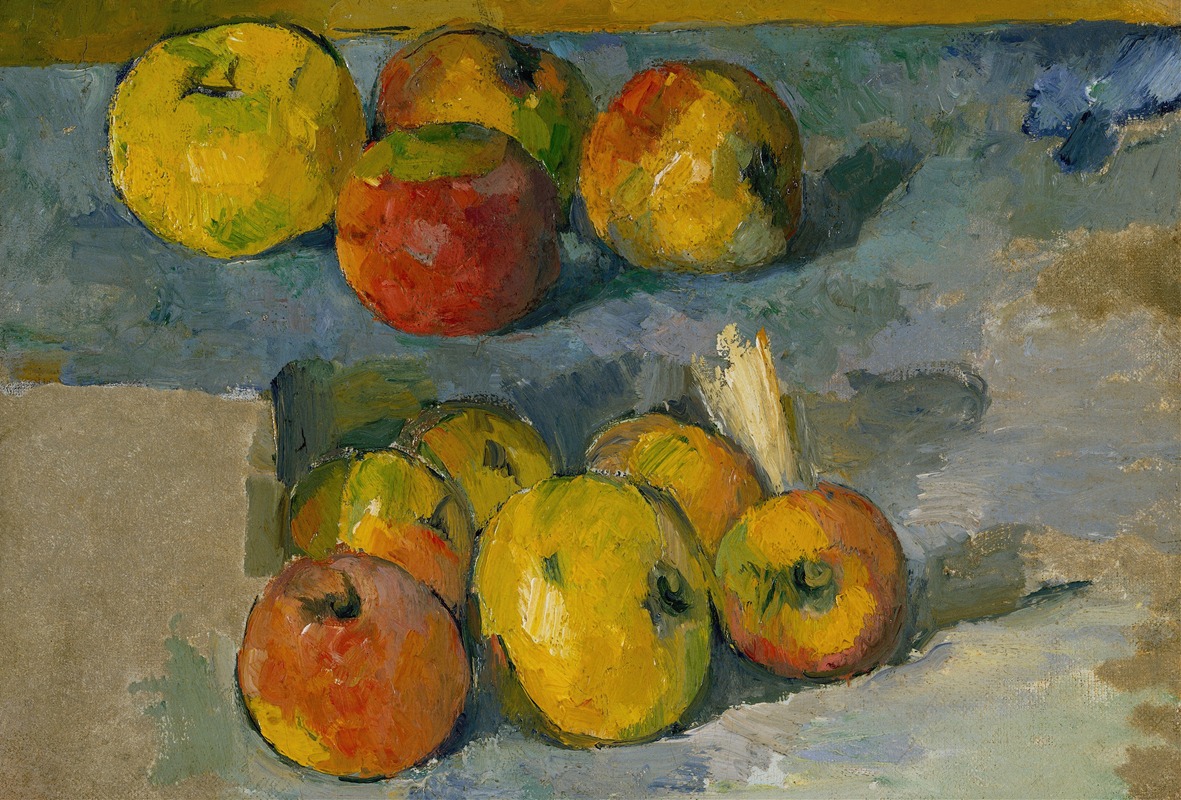
Apples
Paul Cézanne
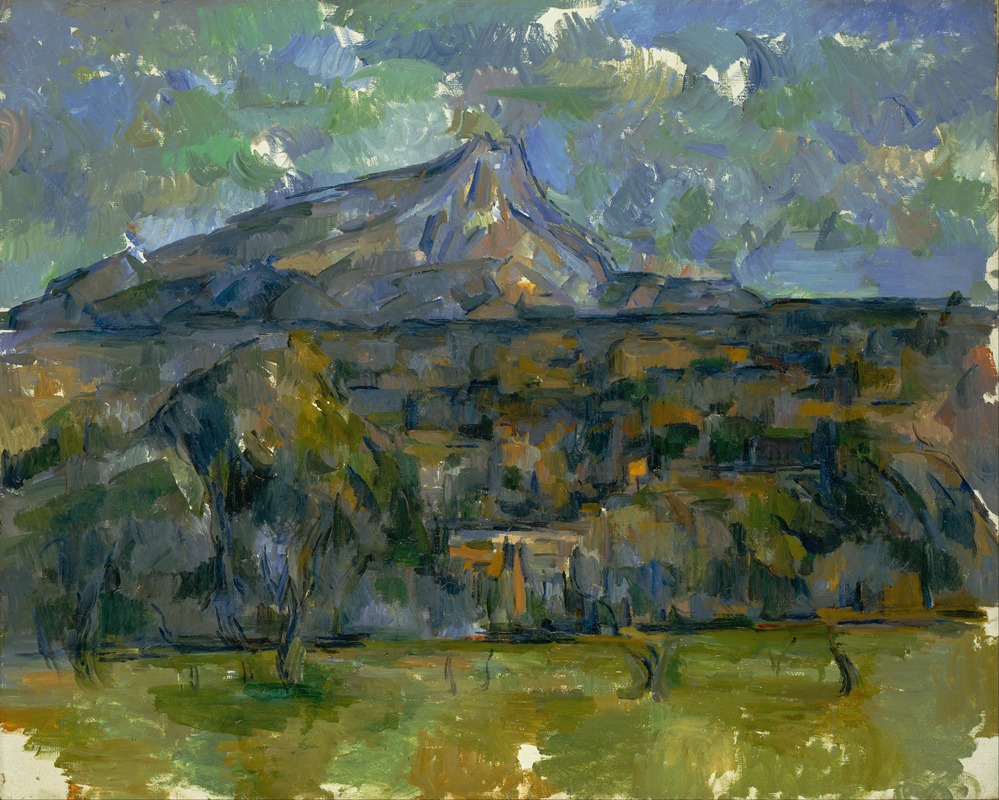
Mont Sainte-Victoire
Paul Cézanne
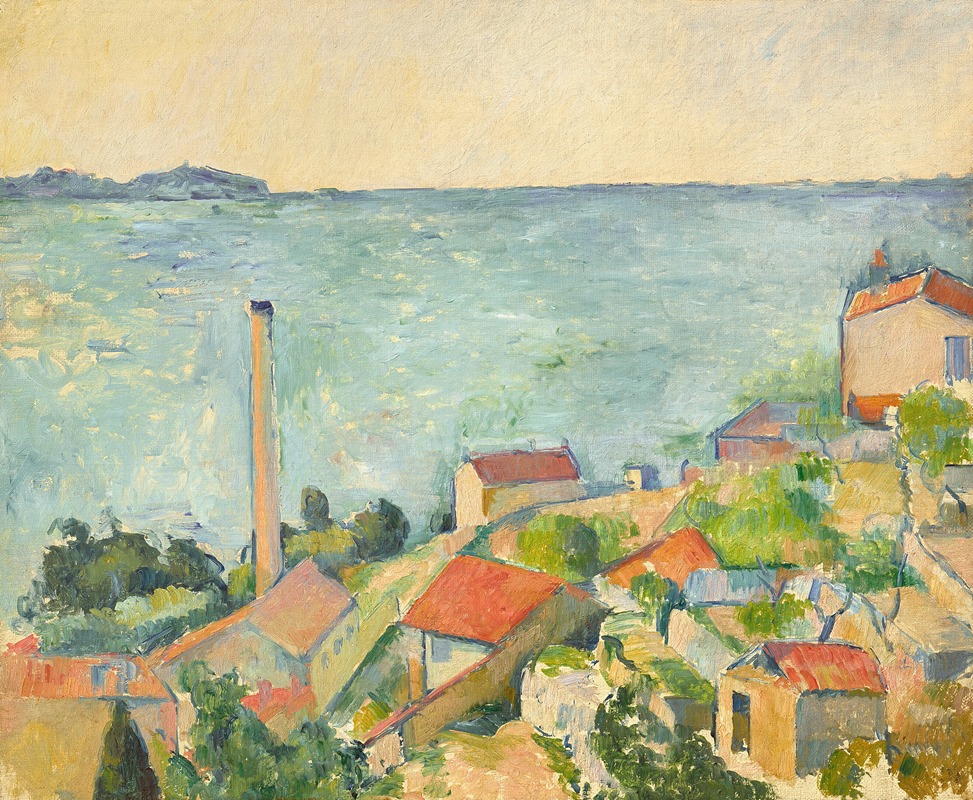
La mer à l’Estaque
Paul Cézanne
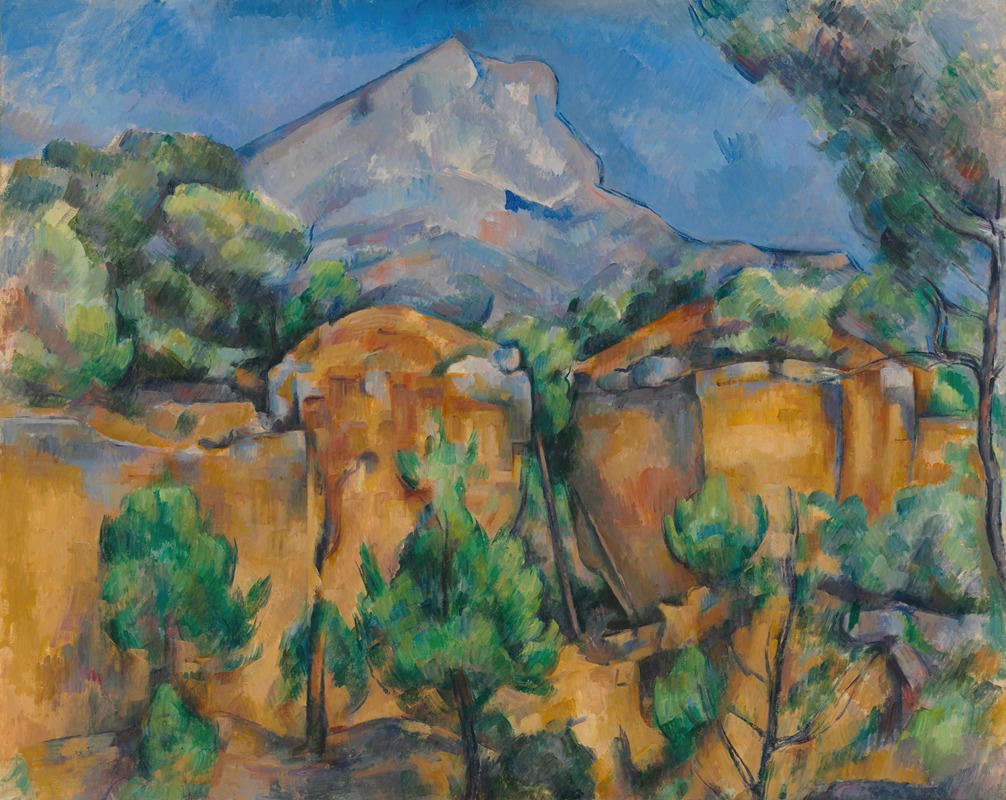
La Montagne Sainte-Victoire vue de la carrière Bibémus
Paul Cézanne
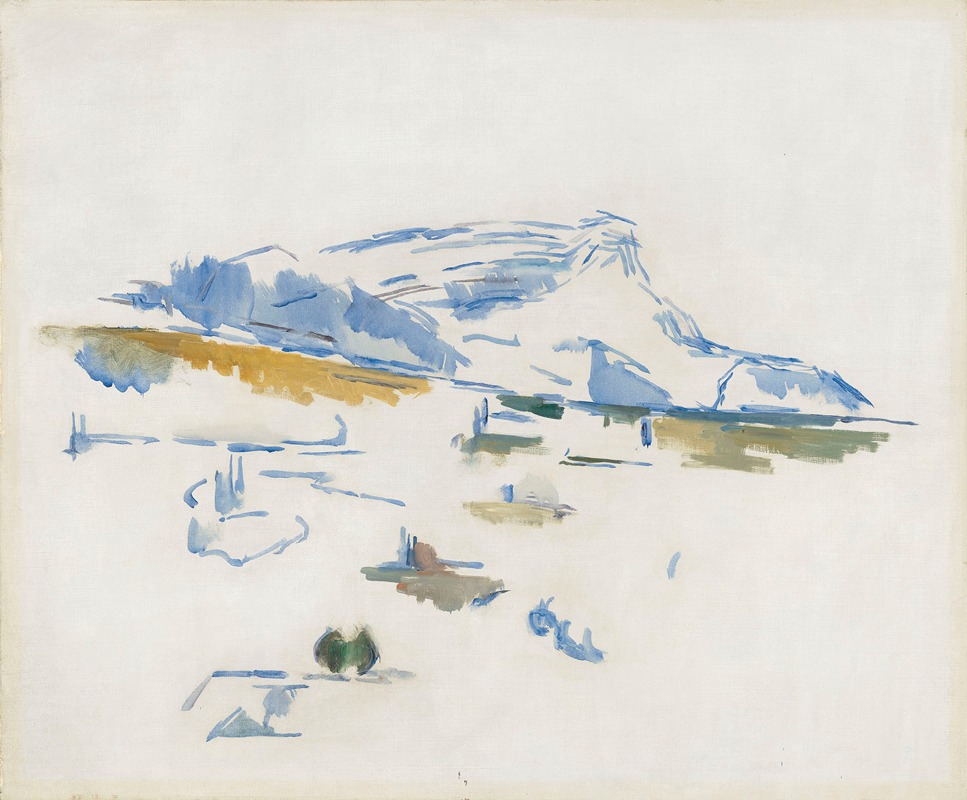
La Montagne Sainte-Victoire vue des Lauves
Paul Cézanne