Still Life with Suckling-Pig Skulls — History & Facts
Could beauty survive in a century of chaos? In the stillness of this composition, we find a delicate balance between mortality and artistry, where life’s transience is laid bare for contemplation. Look to the foreground of this intricate arrangement, where the suckling-pig skulls sit starkly against a backdrop of rich textures. Notice how the artist employs a muted color palette, allowing the soft grays and browns to harmonize with the subtle sheen of the surfaces. The interplay of light casts gentle shadows, guiding your eyes to the carefully placed elements that surround the skulls.
Each item—a gleaming dish, a withered fruit, a napkin—seems to whisper secrets of the past, inviting the viewer to delve deeper into this tableau. In this still life, contrasts abound; the stark reality of skulls juxtaposes with the luxuriousness of the setting, reflecting the duality of existence. The skulls serve as a poignant reminder of mortality, yet they rest amidst the opulence of life’s pleasures, suggesting that beauty and death coexist in a perpetual dance. This tension invites reflection on the fleeting nature of beauty, with every object telling a story of balance between life's indulgences and its inevitable end. Created between 1620 and 1640, the artist of this work remains unknown, yet the painting emerges from a period rich with Baroque influences, where still lifes became a means of exploring complex themes.
It was a time marked by social upheaval and philosophical inquiry, as artists sought to capture not only the visible world but also the deeper truths that lie beneath the surface. This piece encapsulates that spirit, embodying a moment in art history devoted to examining the delicate equilibrium between beauty and decay.
More Artworks by Unknown Artist
Browse all →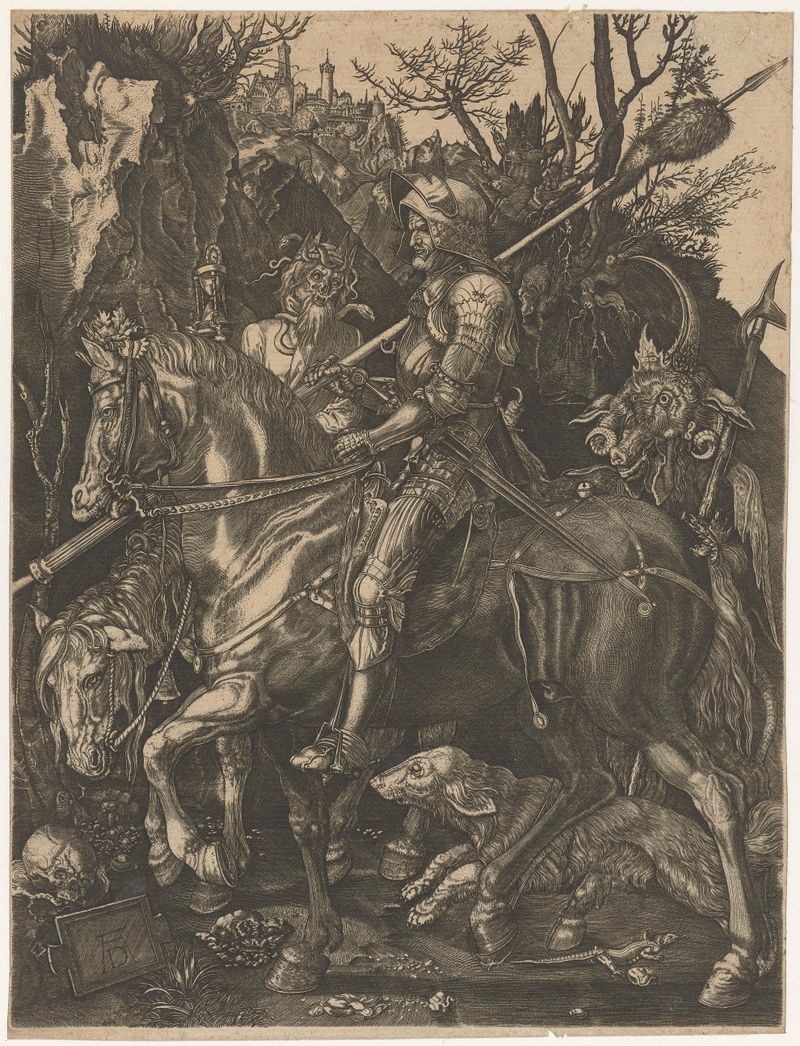
Ridder, Dood en Duivel
Unknown Artist
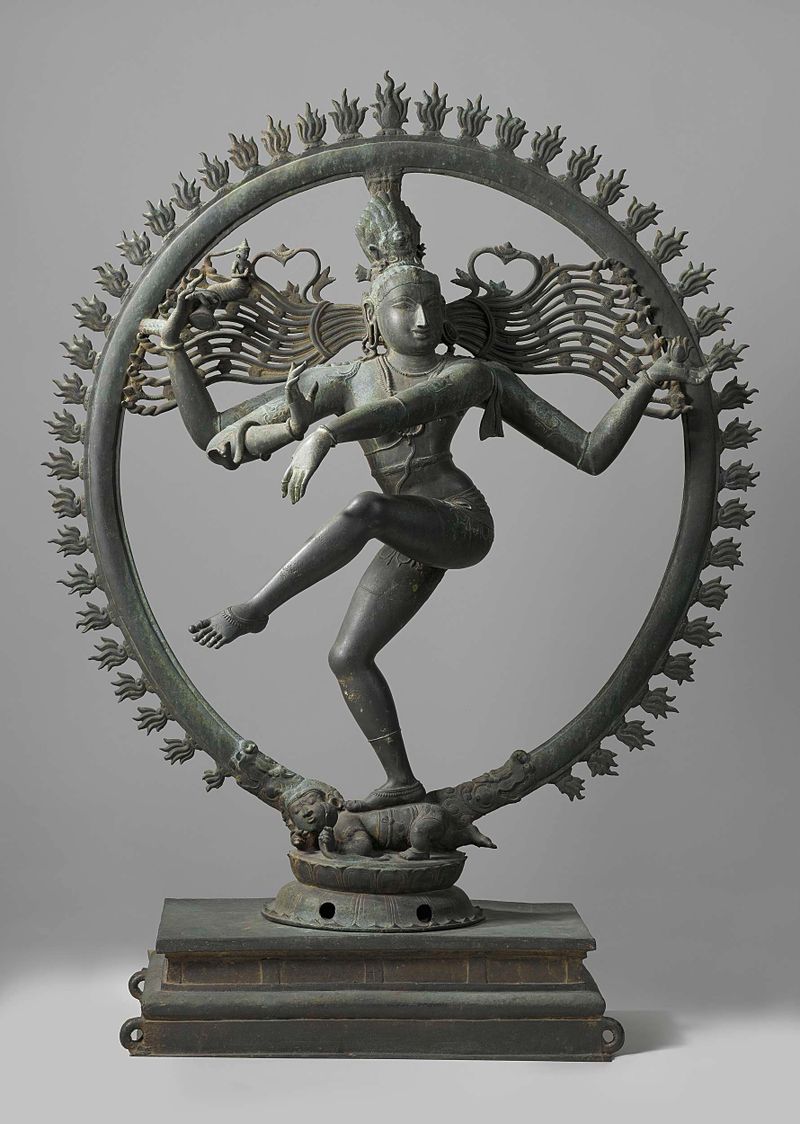
Shiva Nataraja
Unknown Artist
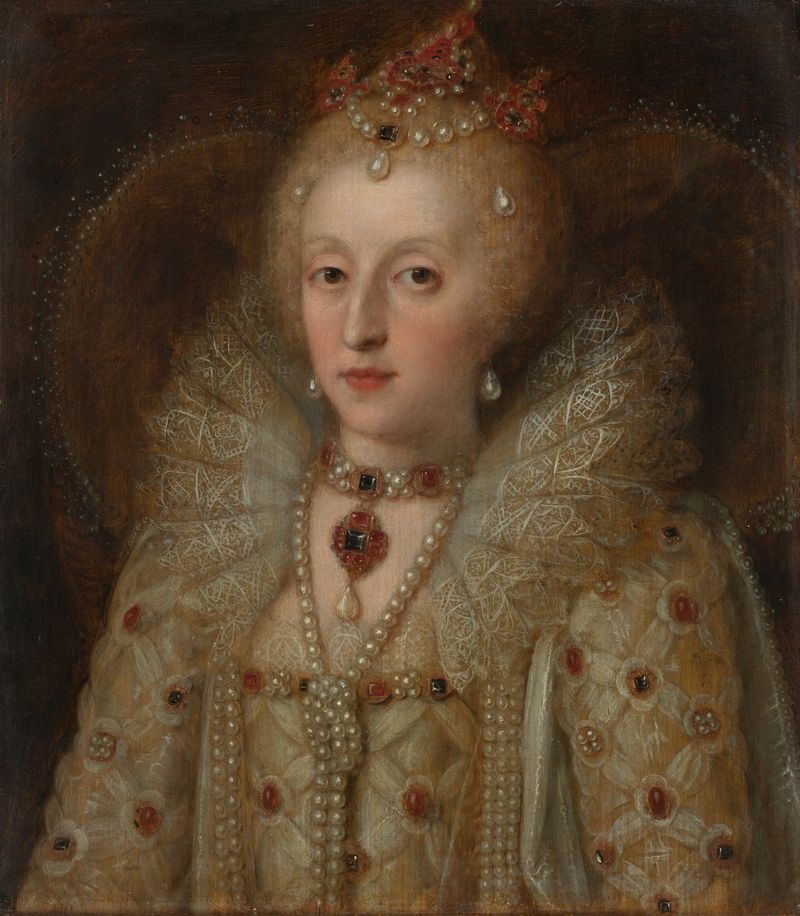
Portrait of Elizabeth I, Queen of England
Unknown Artist
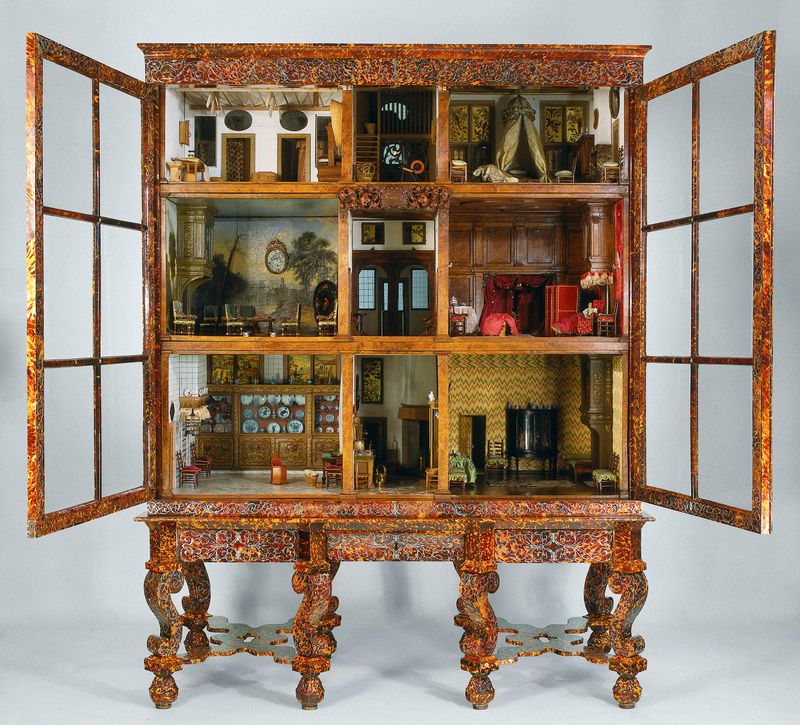
Dolls’ house of Petronella Oortman
Unknown Artist
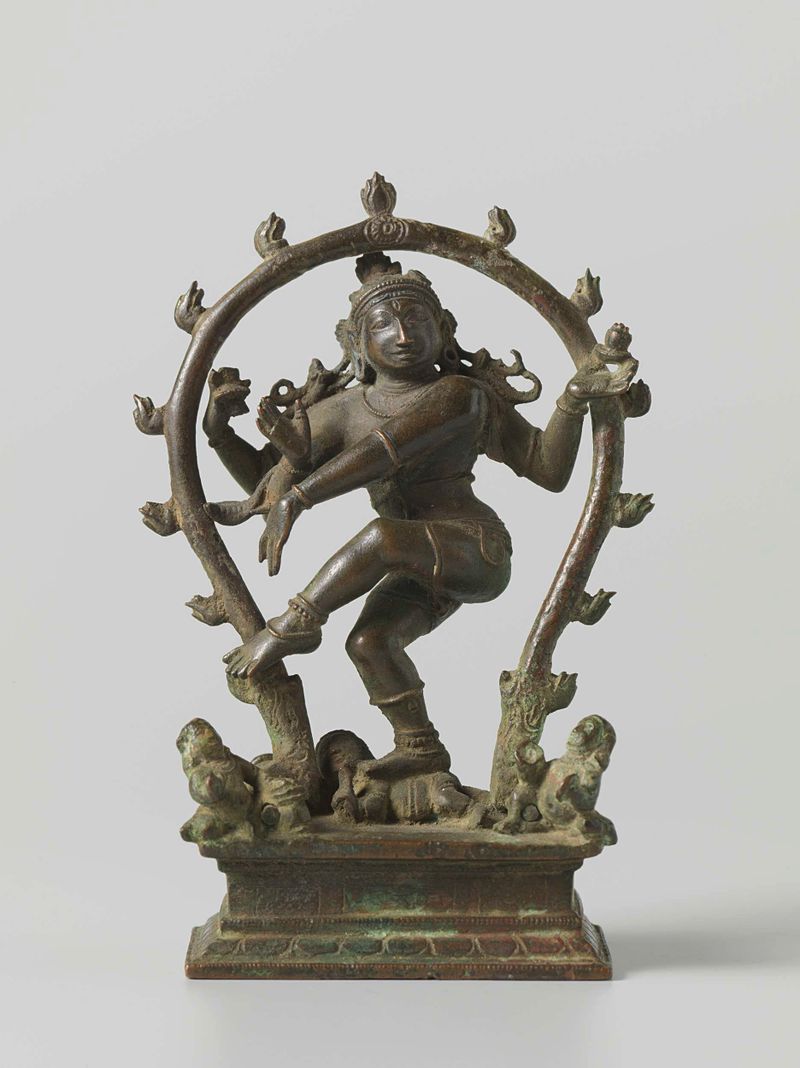
Shiva Nataraja
Unknown Artist

The Tale of Genji
Unknown Artist

The Tale of Genji
Unknown Artist

Cong
Unknown Artist
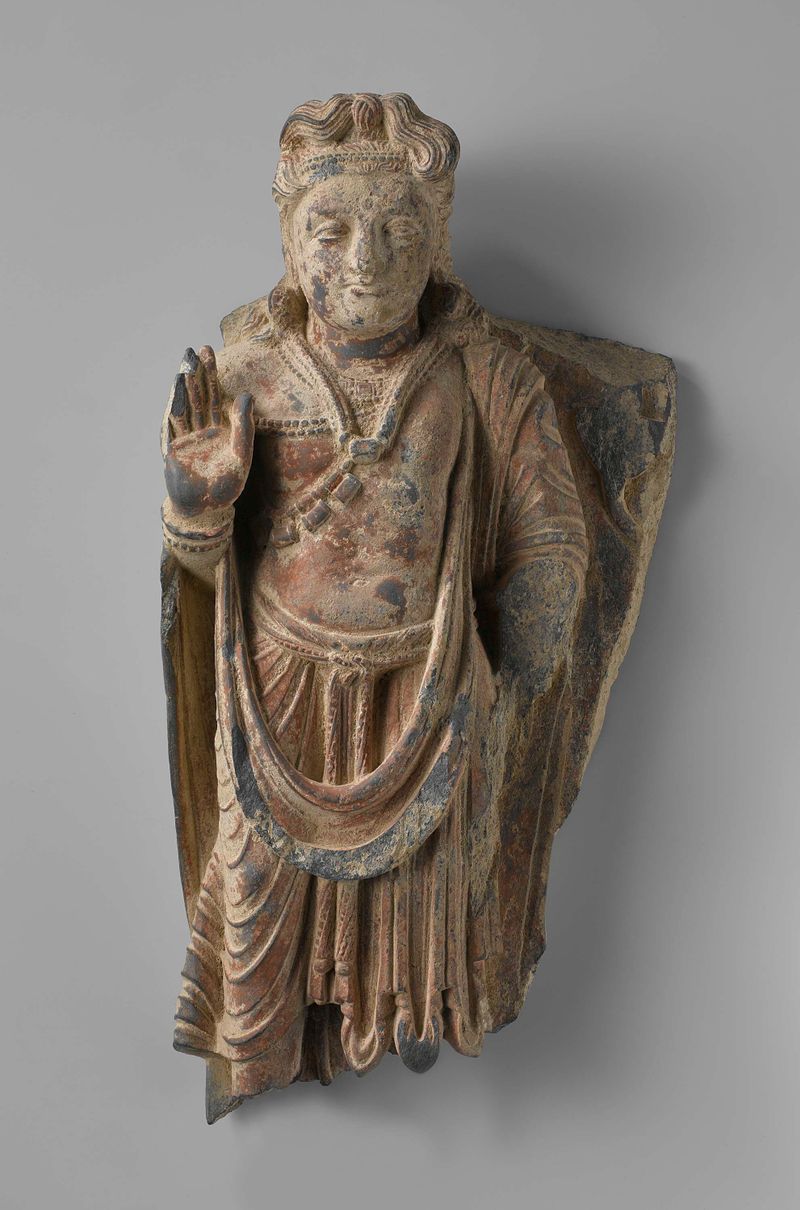
The bodhisattva Maitreya
Unknown Artist

Teabowl with a 'hare's fur' glaze
Unknown Artist