
Still Waters — History & Facts
In the stillness of the water, truths emerge, waiting to be unveiled. A moment captured in time, where reflection becomes revelation, and the depths whisper secrets long held beneath the surface. Look to the center of the canvas, where the placid water mirrors the soft hues of the sky. Here, the artist’s brush delicately dances with light and shadow.
The gentle strokes create a sense of tranquility, while the muted palette invites the viewer to linger, to dive deeper into the serene yet elusive landscape. Notice how the trees along the shore frame the scene, their silhouettes both comforting and haunting, guiding your gaze and evoking a sense of solitude. As you explore further, consider the contrast between the vibrant colors of the foliage and the subdued tones of the water. This duality hints at the tension between inner thoughts and outward appearances—a reflection of the human experience.
The calm surface belies the complexities that lie beneath, echoing the unspoken emotions that ripple through our lives. The painting invites contemplation, encouraging us to confront the quiet confessions we often suppress. David Young Cameron painted this work in 1906, a time when he was heavily influenced by the Impressionist movement and the beauty of Scottish landscapes. Living in a shifting world marked by industrialization, he sought solace in nature, capturing its transient moments.
This period of his life was characterized by exploration and introspection, leading him to create pieces that resonate with stillness and depth, much like Still Waters.
More Artworks by David Young Cameron
Browse all →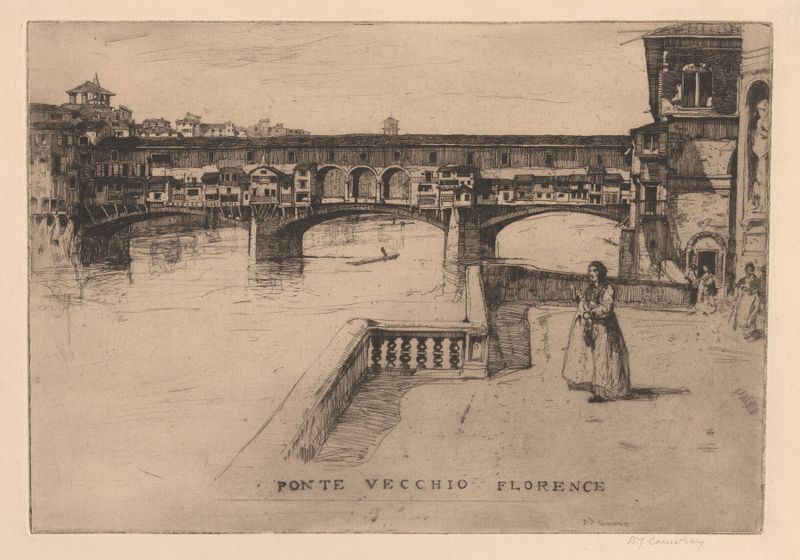
Ponte Vecchio
David Young Cameron

The Deanery, Winchester
David Young Cameron
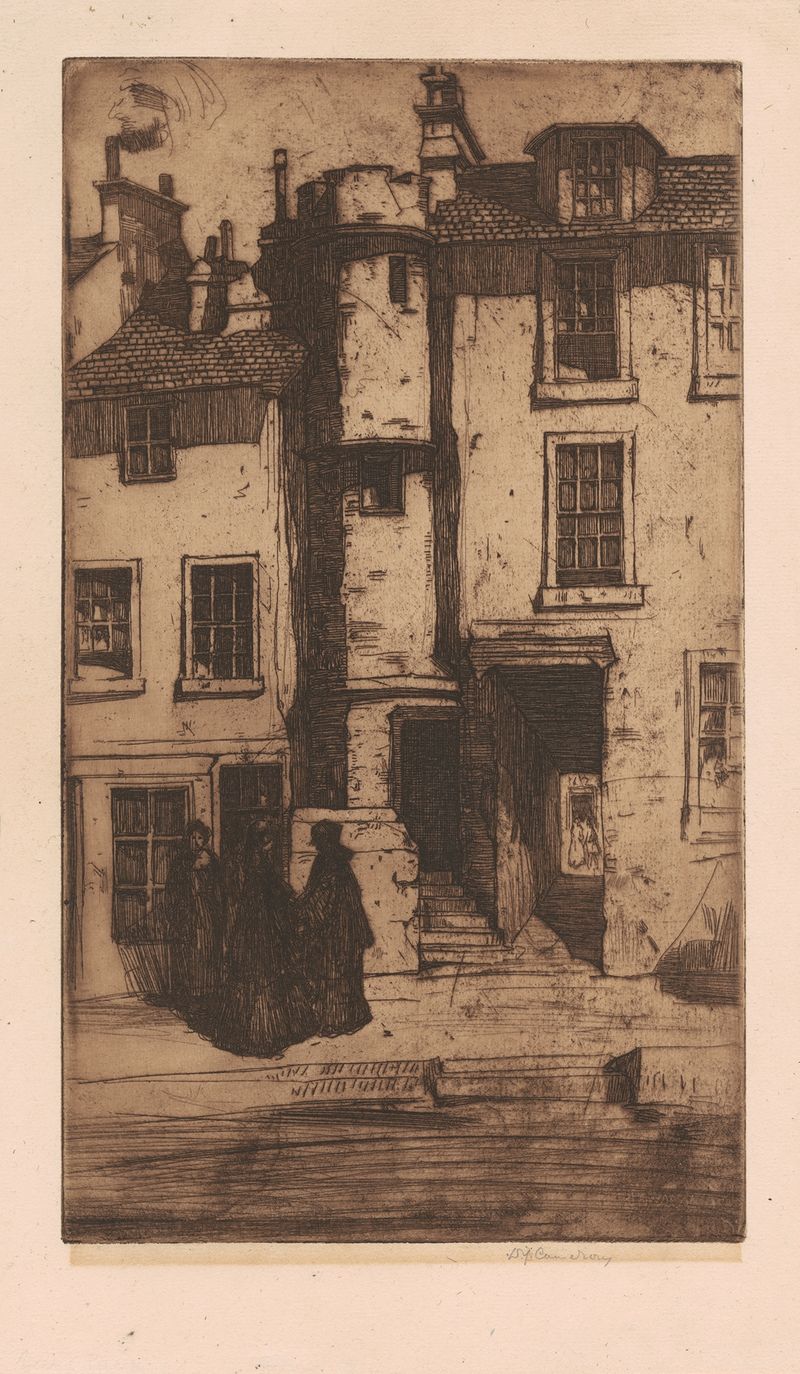
Old Houses, Stirling
David Young Cameron
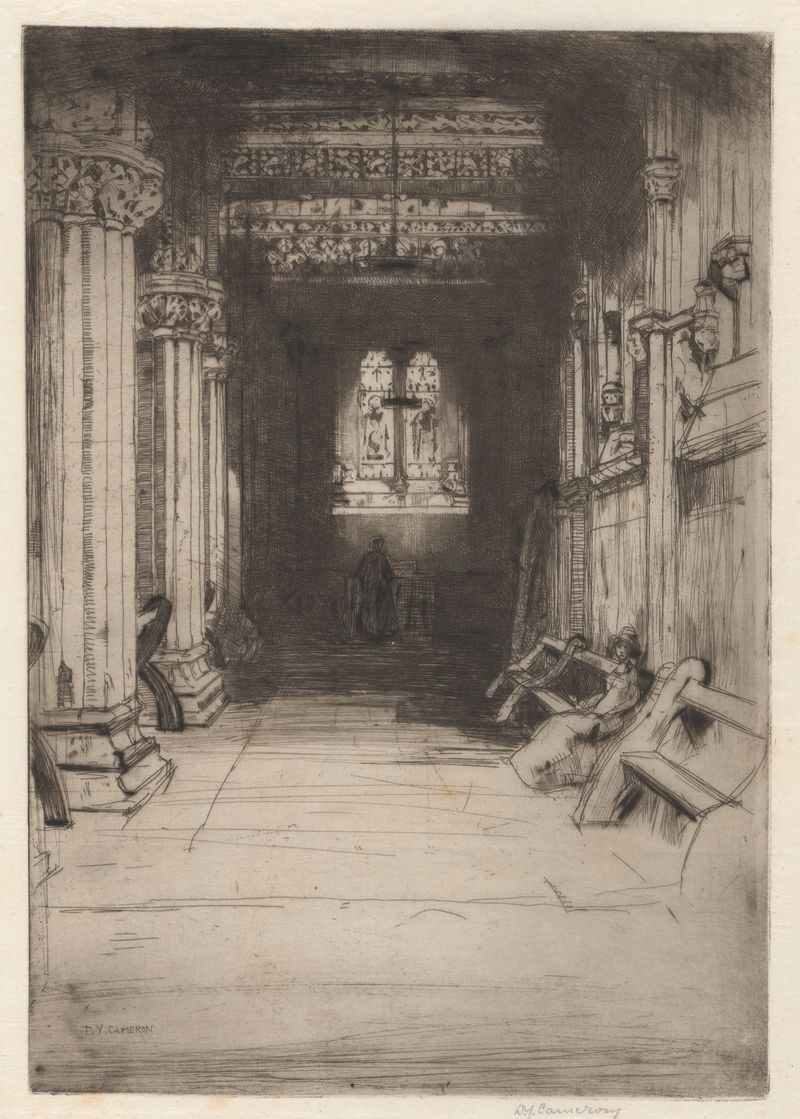
Rosslyn Chapel
David Young Cameron

The Old Museum, Beauvais
David Young Cameron
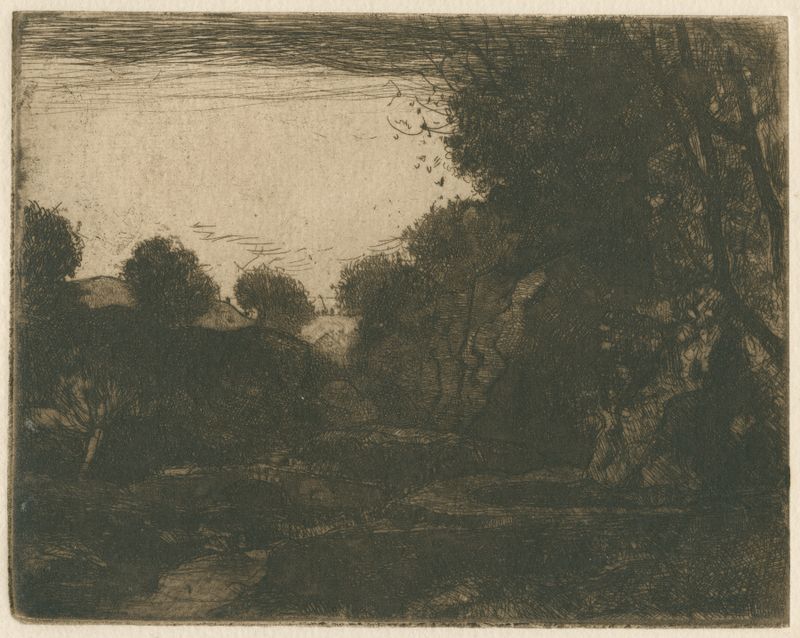
On the Bradford
David Young Cameron

The Smithy
David Young Cameron
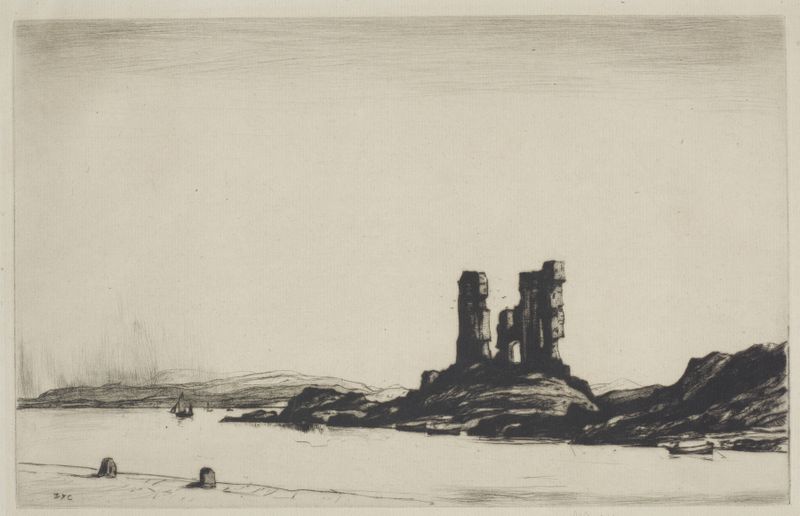
Castle Moyle
David Young Cameron
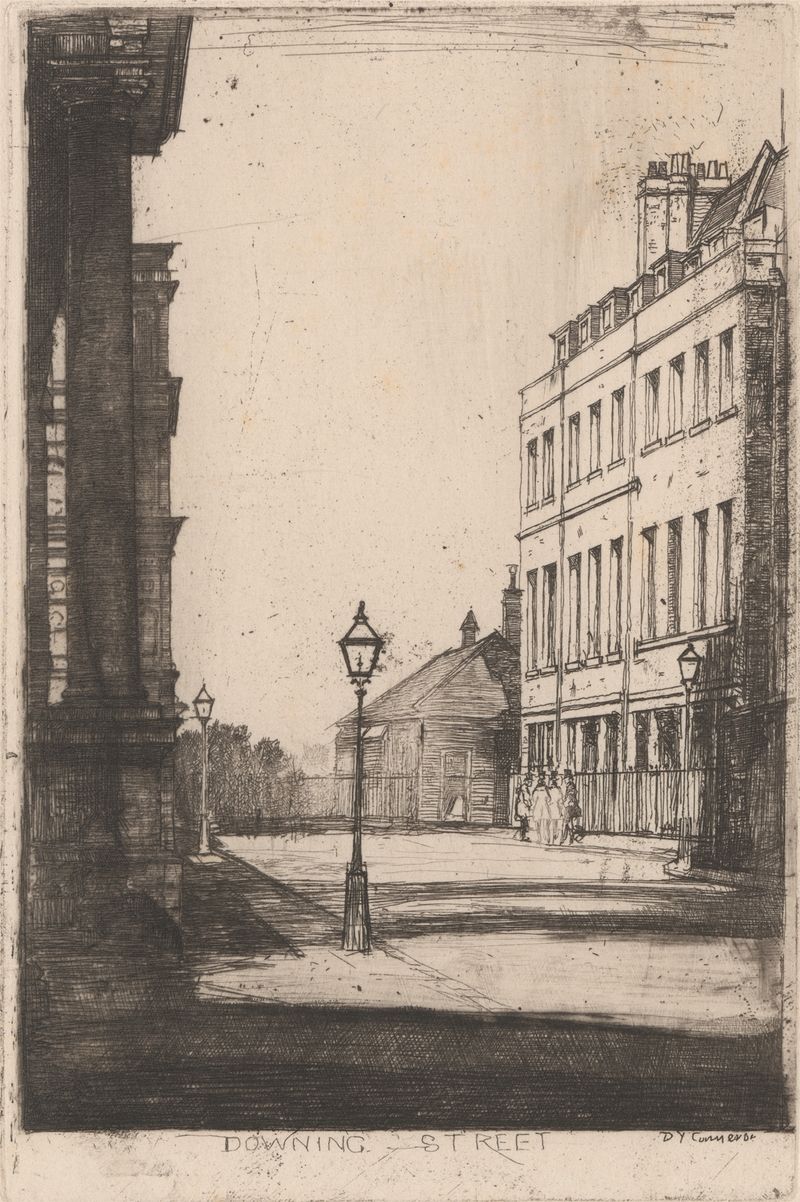
Downing Street
David Young Cameron

Glasgow Cathedral
David Young Cameron





