Discover insights about this artwork
Stoneware Pitcher — History & Facts
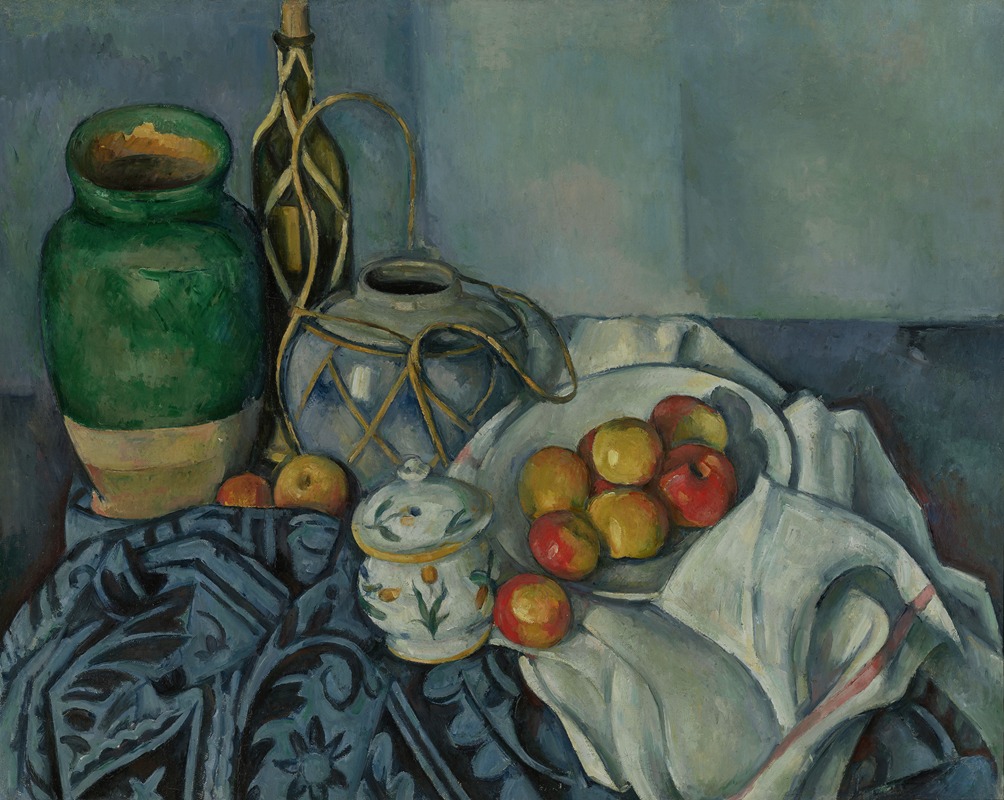
In Stoneware Pitcher, Paul Cézanne presents a still life featuring a stoneware pitcher. The colors are rich and earthy, with deep browns and muted greens dominating the palette. The setting is simple, focusing on the pitcher, which is depicted with a sense of volume and solidity.
The background is softly blurred, allowing the viewer to concentrate on the object itself. Cézanne uses oil on canvas to create this work, employing thick brushstrokes that add texture and depth. The composition is carefully arranged, with the pitcher placed slightly off-center to create a dynamic balance. The play of light and shadow enhances the three-dimensional quality of the pitcher, making it appear almost sculptural.
The overall effect is one of harmony and simplicity, characteristic of Cézanne's style. Created in the late 19th century, this painting reflects Cézanne's exploration of form and color. He is often regarded as a bridge between Impressionism and modern art, influencing many artists after him. An interesting fact about this work is that it exemplifies his interest in still life as a means to study the interplay of light and color.
Today, it is housed in the Musee d'Orsay, a fitting location for such an iconic piece.
More Artworks by Paul Cézanne
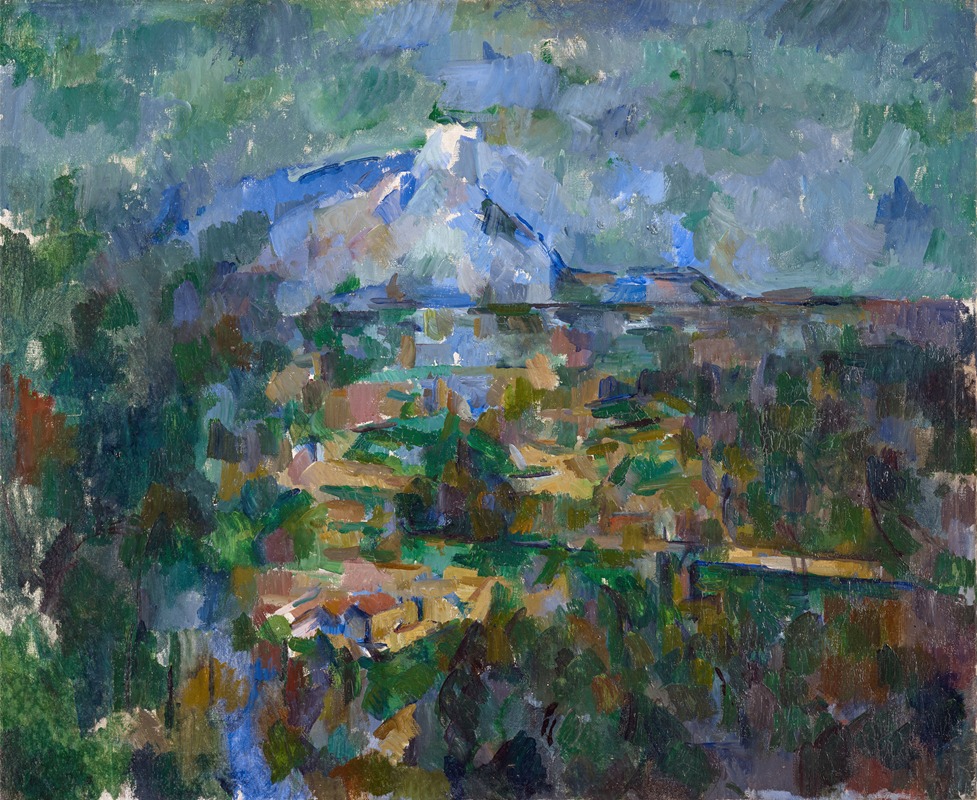
The Mont Sainte-Victoire Seen From Les Lauves
Paul Cézanne
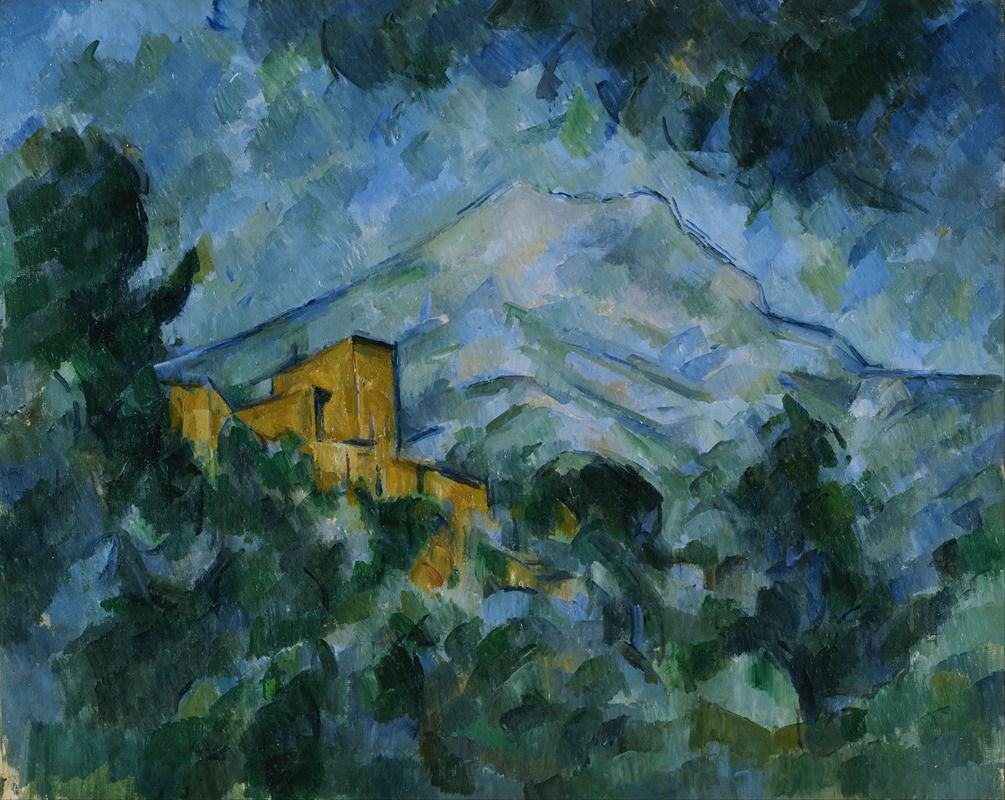
Mont Sainte-Victoire and Château Noir
Paul Cézanne
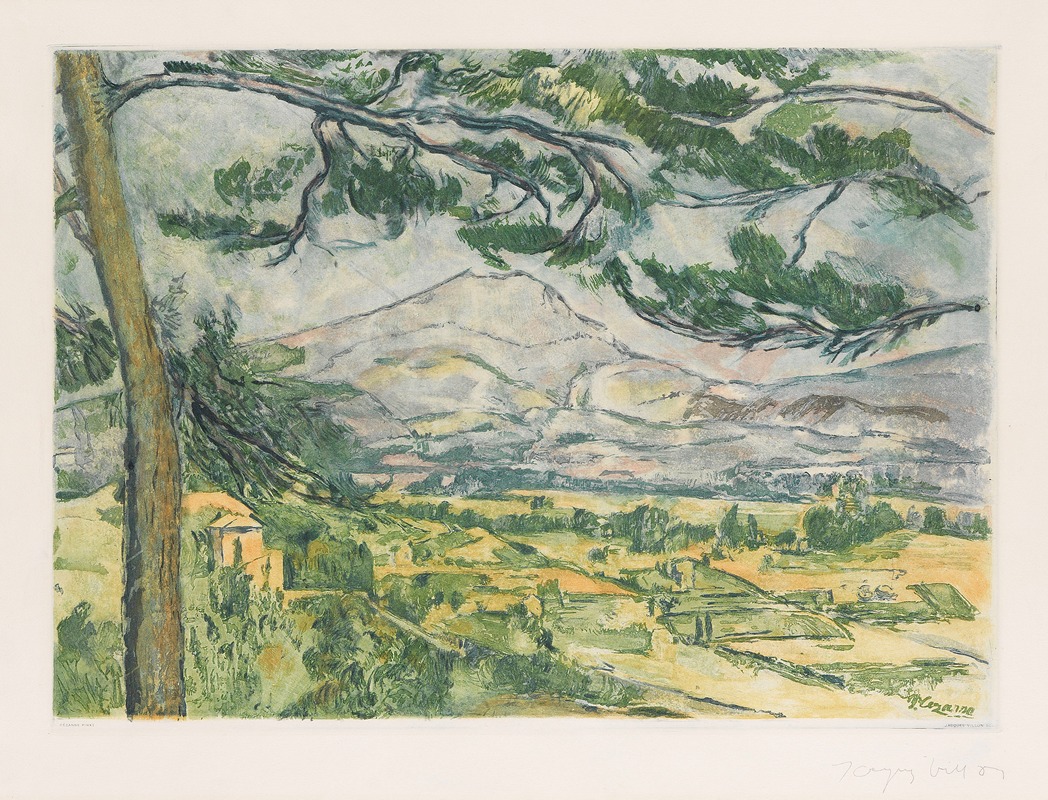
La Montagne Sainte-Victoire
Paul Cézanne
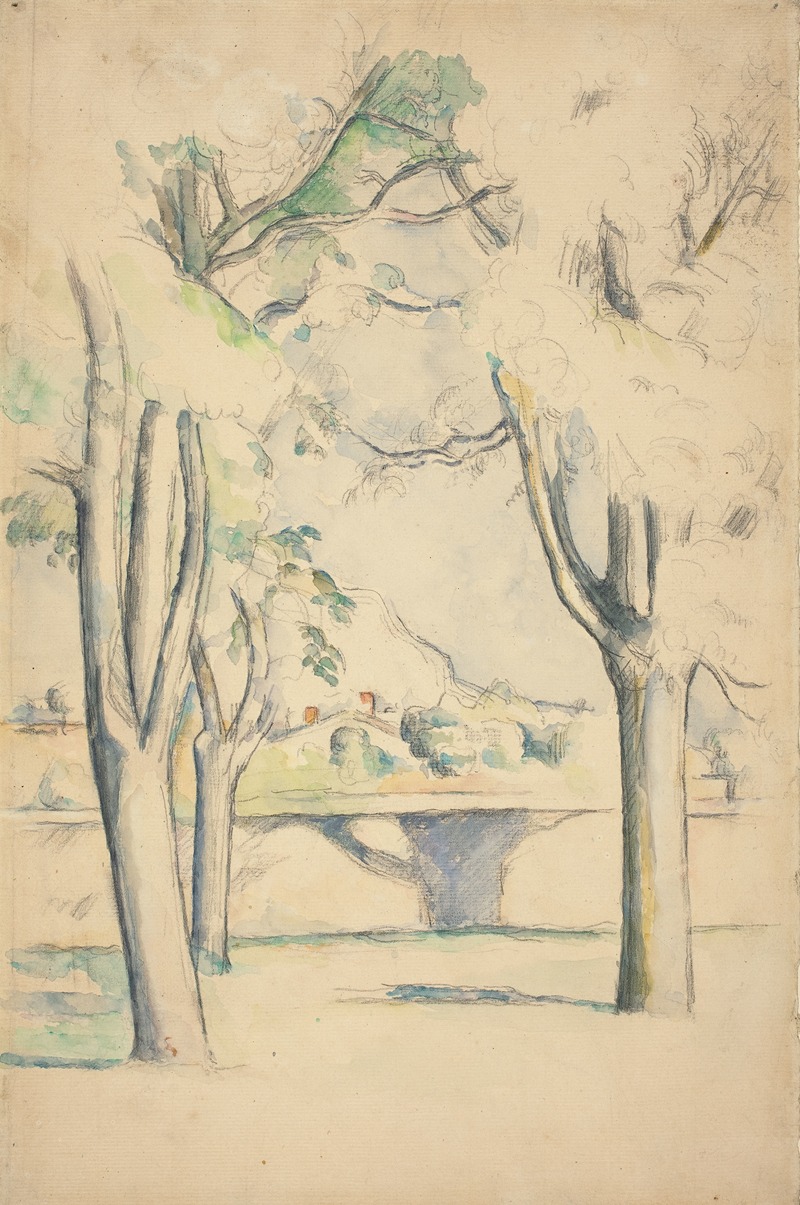
Mont Sainte-Victoire Seen beyond the Wall of the Jas de Bouffan
Paul Cézanne
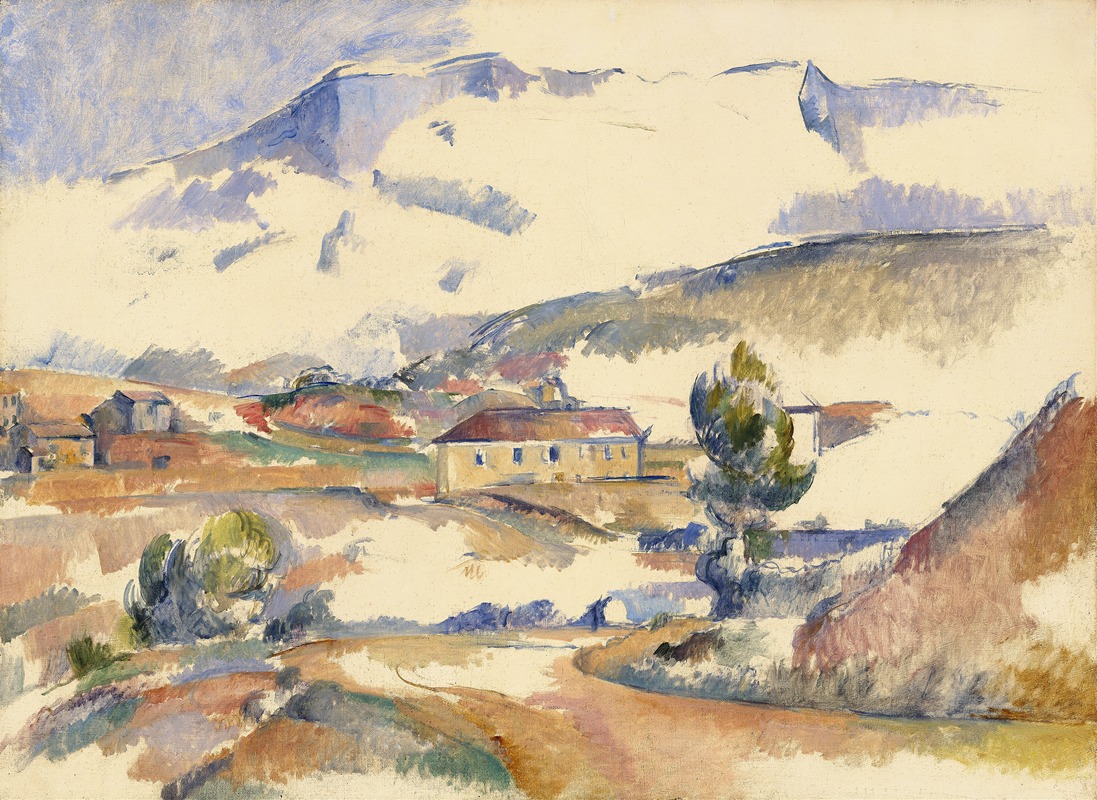
Montagne Sainte-Victoire,from near Gardanne
Paul Cézanne
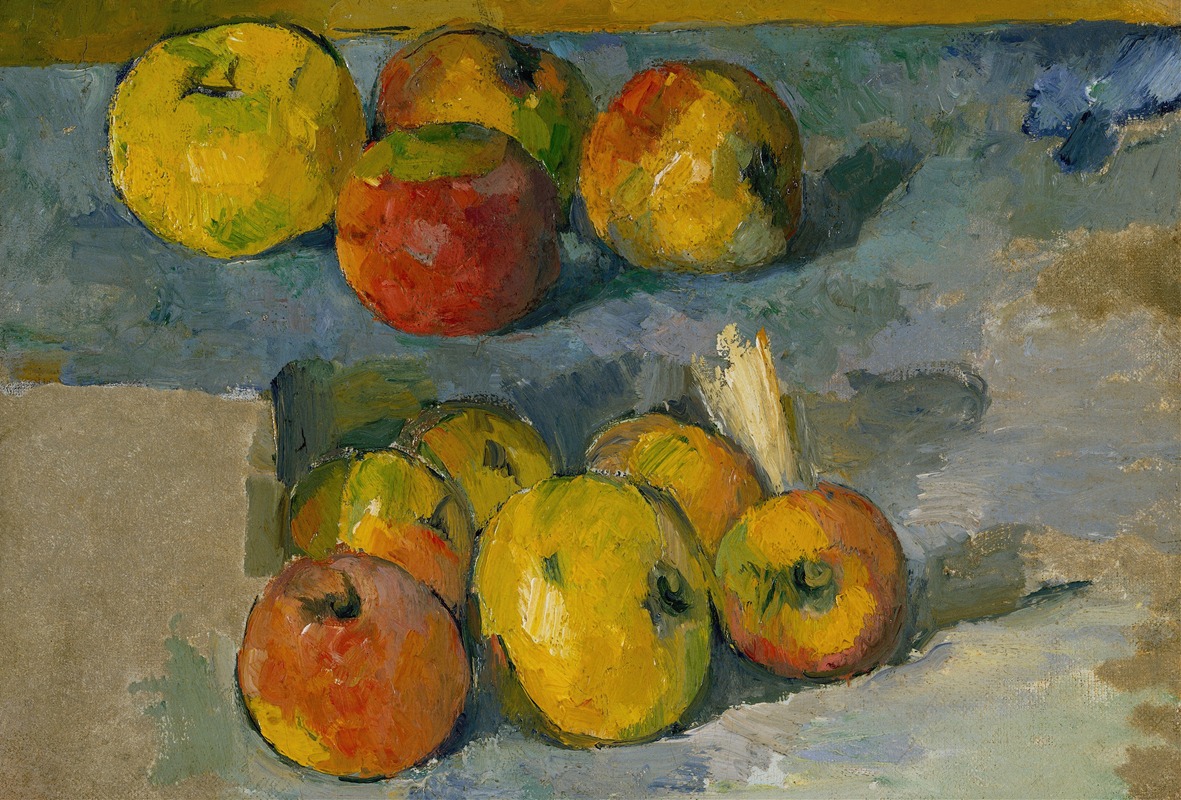
Apples
Paul Cézanne
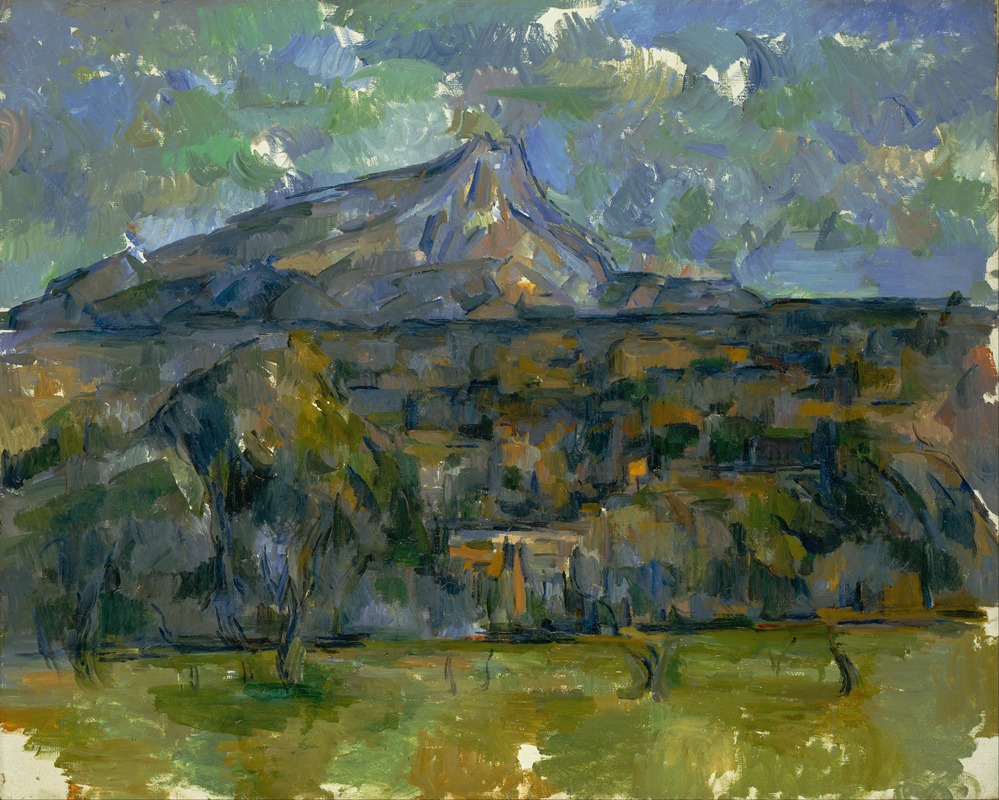
Mont Sainte-Victoire
Paul Cézanne
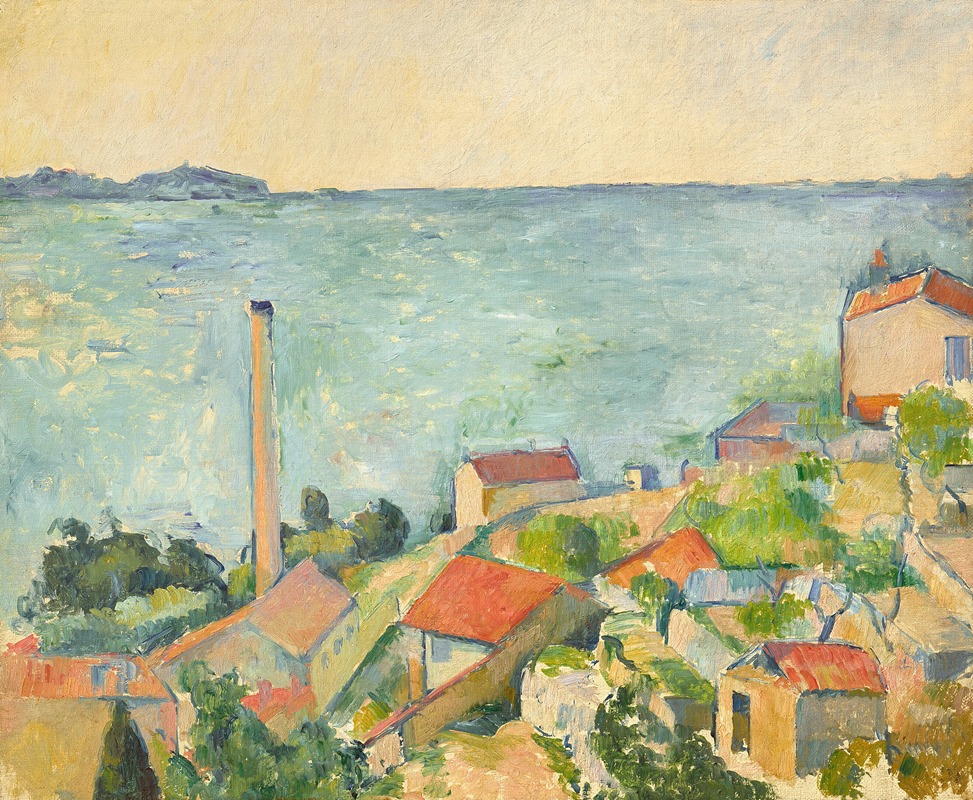
La mer à l’Estaque
Paul Cézanne
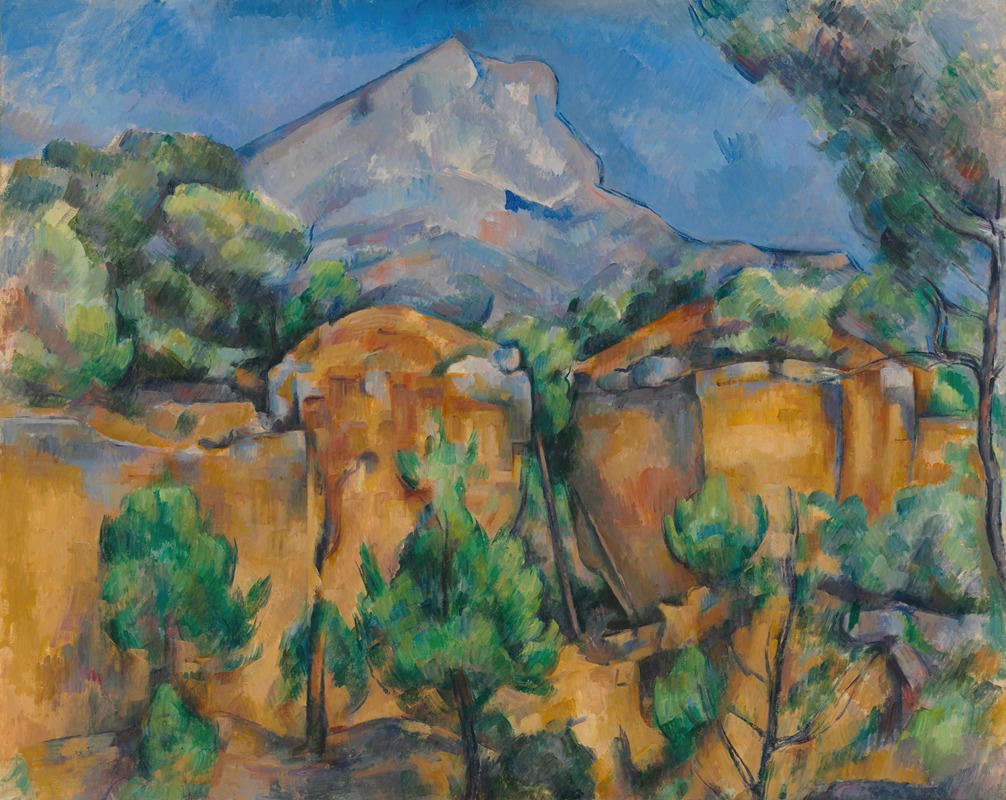
La Montagne Sainte-Victoire vue de la carrière Bibémus
Paul Cézanne
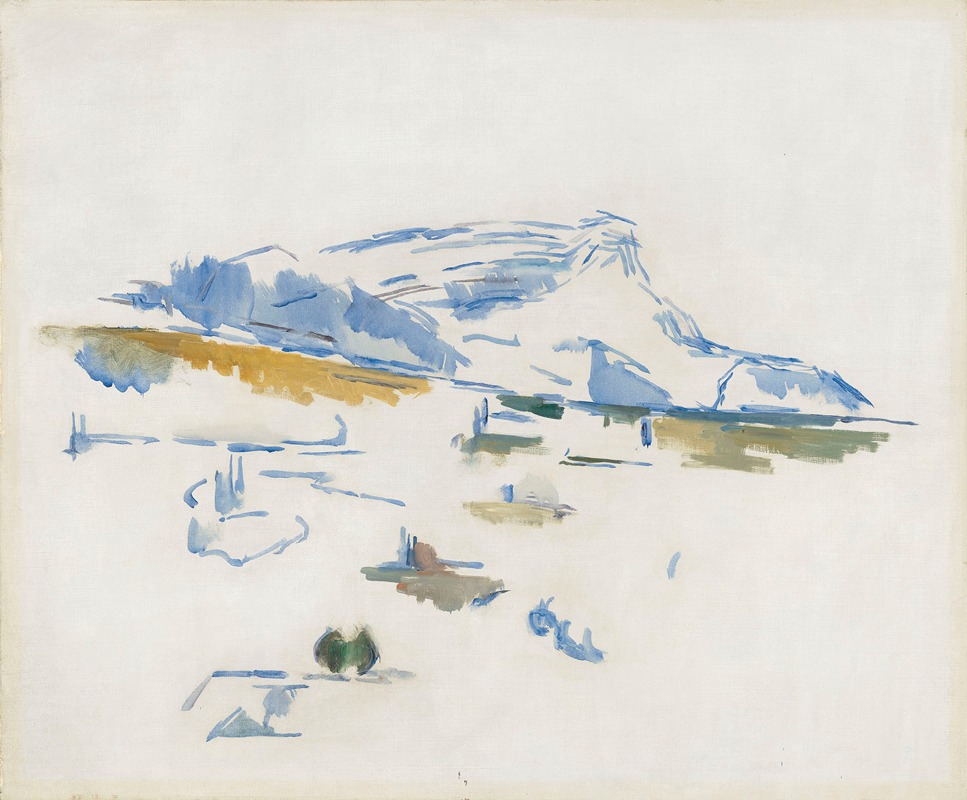
La Montagne Sainte-Victoire vue des Lauves
Paul Cézanne