
Storm Sundown — History & Facts
Could a single brushstroke hold eternity? In Storm Sundown, the essence of divinity unfurls across the canvas, evoking a sense of the sublime that transcends the fleeting moments of existence. Look to the horizon, where layers of turbulent clouds collide in a riot of colors — deep indigos, fiery oranges, and soft yellows blend seamlessly. Notice how the brushstrokes capture the storm’s ferocity, while simultaneously embracing the gentle caress of twilight. The viewer's eye is drawn towards the interplay of light and shadow, where the fading sun casts an ethereal glow, framing the chaos of the tempest above.
Each stroke seems to pulse with energy, reminding us of the dynamic tension between nature’s wrath and beauty. Within the swirling skies lies a profound contrast: the fierce, dark clouds resonate with the presence of an approaching storm, yet the tender light of the setting sun whispers of hope and renewal. This duality captures the emotional spectrum of existence — fear and tranquility intertwined, suggesting that even amidst turmoil, there is a promise of serenity. The subtle hues and dynamic movement evoke a sense of divine intervention, hinting at a greater force at play, inviting contemplation of our place within the grand tapestry of life. In 1892, David Young Cameron painted Storm Sundown during a period marked by a growing appreciation for natural landscapes in the art world.
Working primarily in Scotland, he embraced the Romantic movement, which emphasized emotional responses to nature. This work reflects Cameron's dedication to capturing not just the physical beauty of the landscape but also its spiritual significance, mirroring the broader artistic conversation of the time about the relationship between humanity and the divine.
More Artworks by David Young Cameron
Browse all →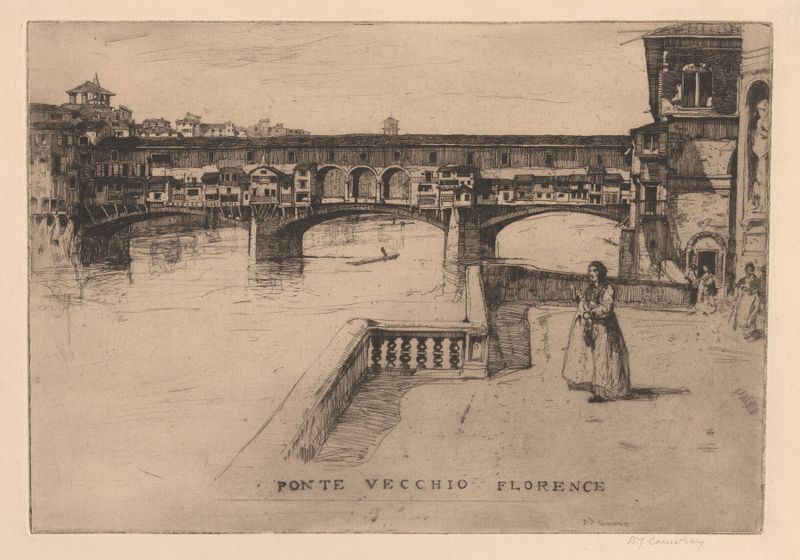
Ponte Vecchio
David Young Cameron

The Deanery, Winchester
David Young Cameron
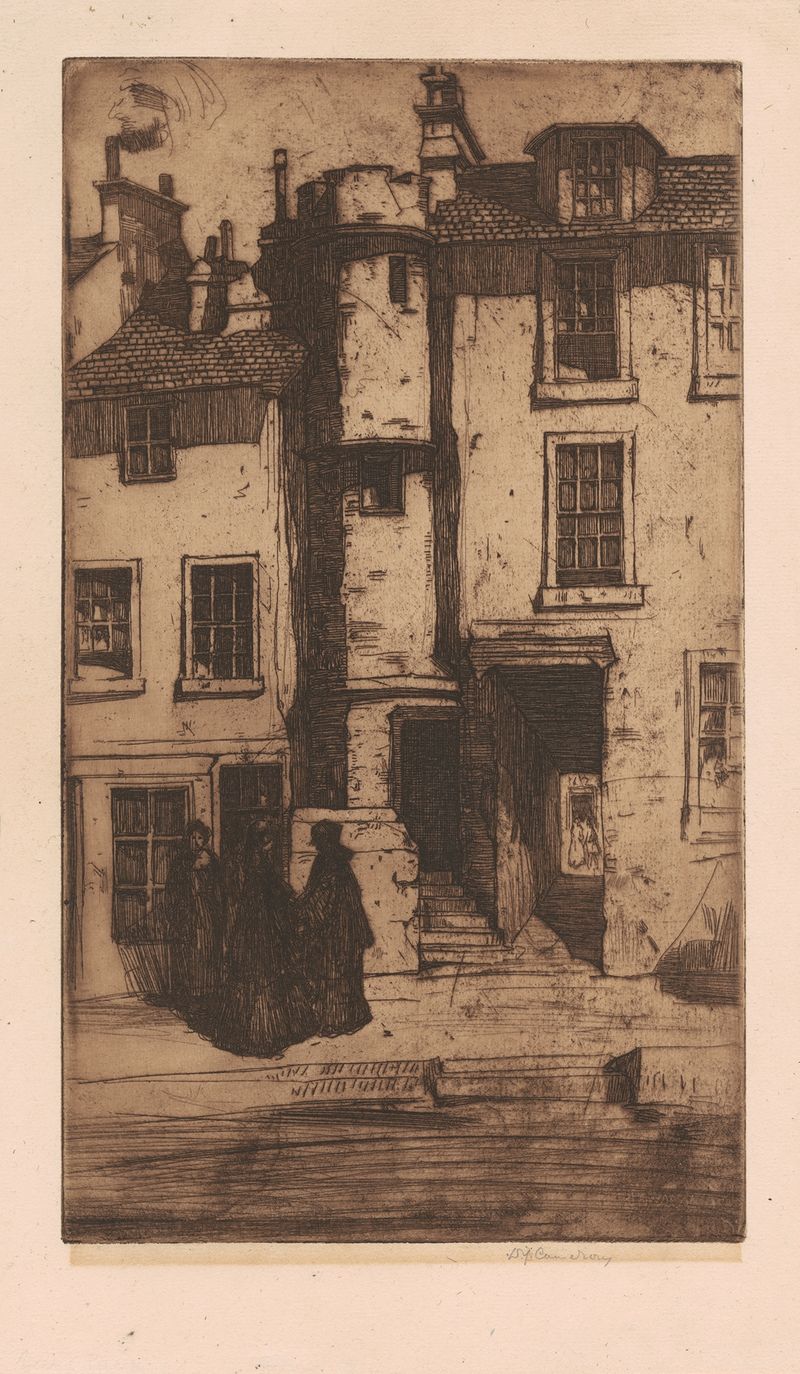
Old Houses, Stirling
David Young Cameron
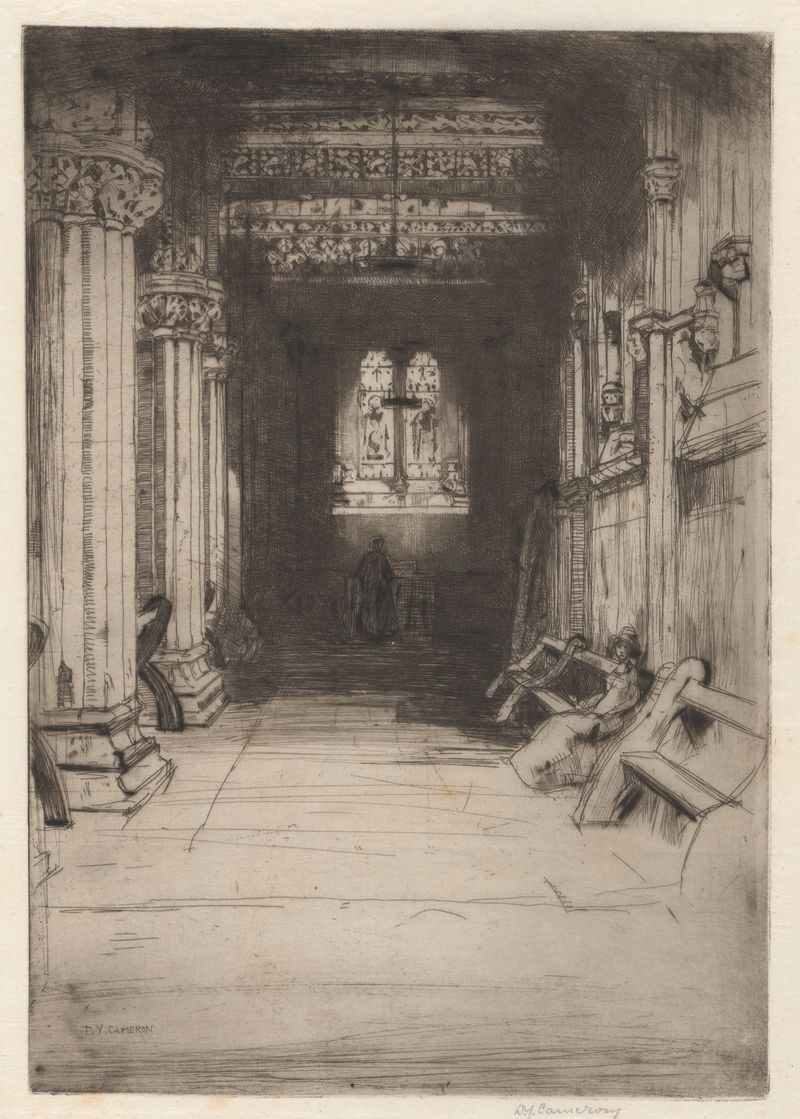
Rosslyn Chapel
David Young Cameron

The Old Museum, Beauvais
David Young Cameron
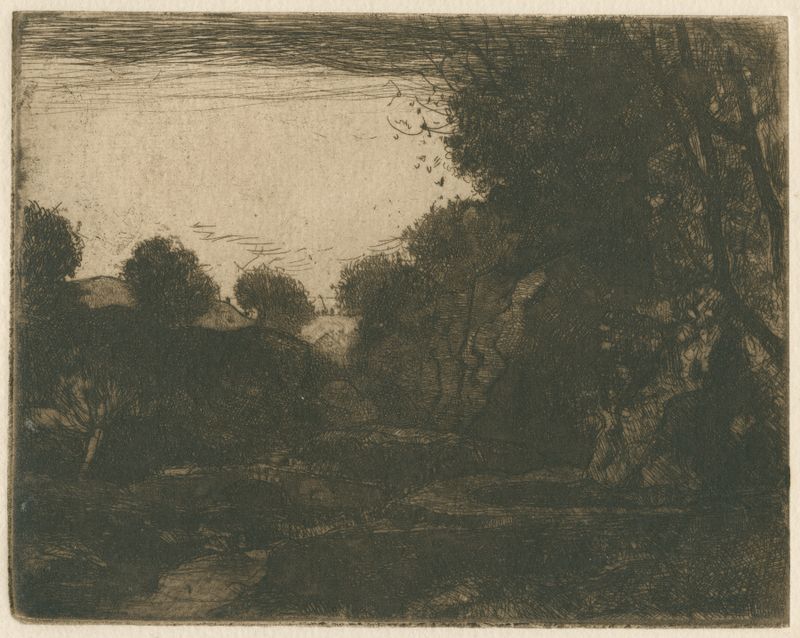
On the Bradford
David Young Cameron

The Smithy
David Young Cameron
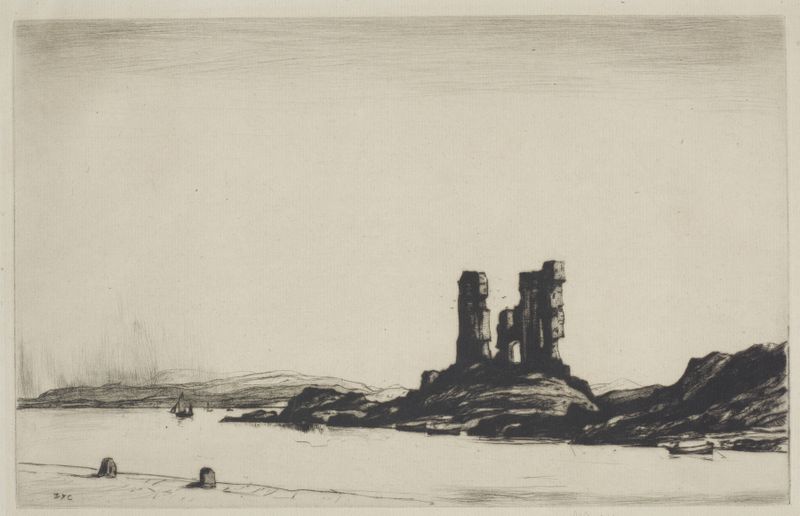
Castle Moyle
David Young Cameron
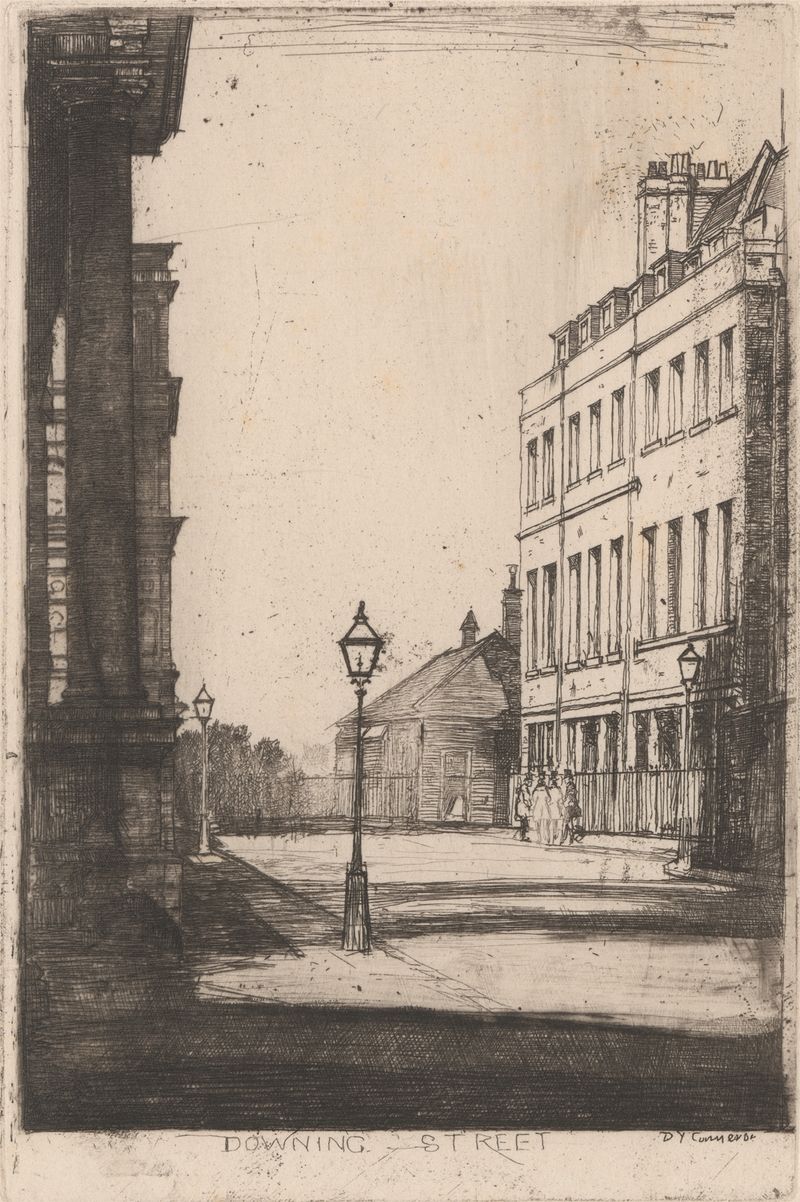
Downing Street
David Young Cameron

Glasgow Cathedral
David Young Cameron





