
Straatgezicht te Madrid — History & Facts
Can beauty exist without sorrow? In the quiet corners of urban life, the answer often dances on the edge of decay. Focus on the left side of the canvas, where crumbling facades whisper stories of a once-thriving Madrid. The ochre and sepia tones evoke an atmosphere of nostalgia, as if the city is slowly surrendering to time. Notice how the light filters through the gaps in the structures, casting soft shadows that breathe life into the stillness.
The brushwork is both delicate and expressive, lending an almost tactile quality to the peeling walls and scattered debris. Yet, beneath the surface lies a profound contrast between the vibrancy of life and the inevitable passage of time. The juxtaposition of the lively marketplace in the background against the desolate foreground speaks to a community on the brink of change. Small details—like a wilted flower in a windowsill or a child playing amidst the rubble—evoke a bittersweet tenderness, reminding us that beauty often emerges from moments of loss. Painted during a period of social and political upheaval, the artist captured the essence of urban decay in a Madrid on the cusp of transformation.
Howen’s work reflects a time when the city was grappling with modernity, while the remnants of its past lingered hauntingly. Through Straatgezicht te Madrid, he invites us to contemplate the fragile relationship between beauty and sorrow, urging us to find grace within the remnants of life.
More Artworks by Otto Howen
Browse all →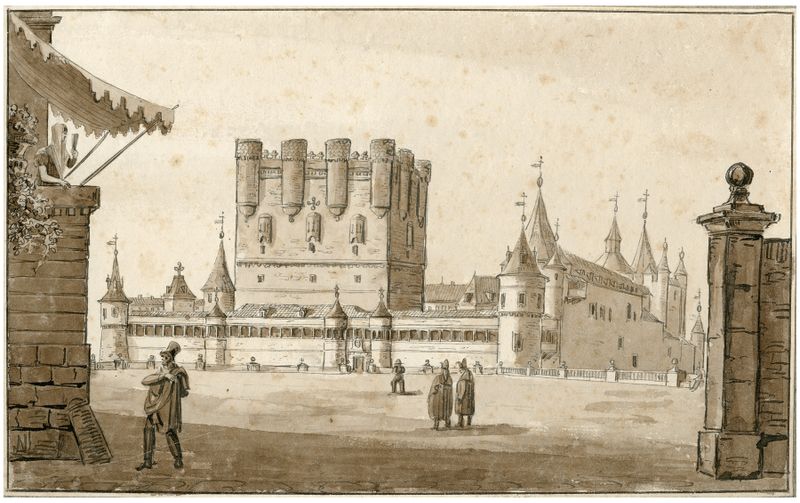
Het Alcazar te Segovia
Otto Howen
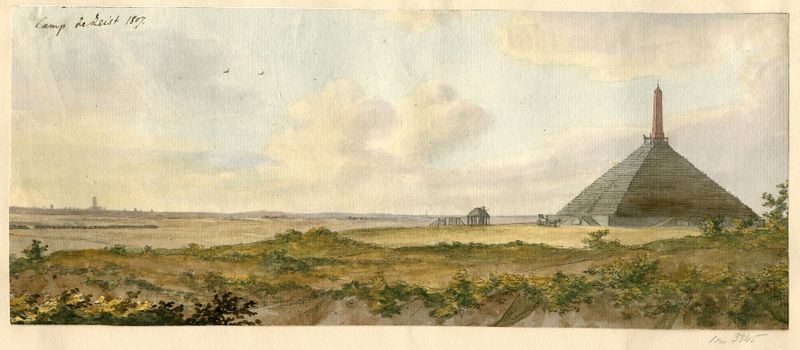
De piramide van Austerlitz bij Zeist
Otto Howen
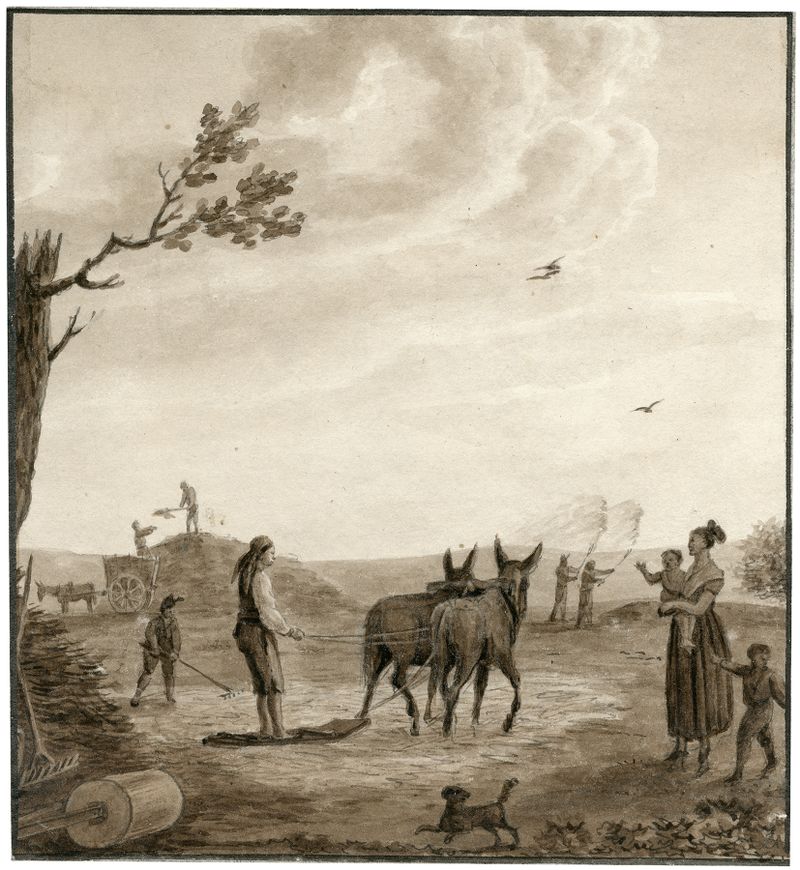
Het dorsen van het graan
Otto Howen
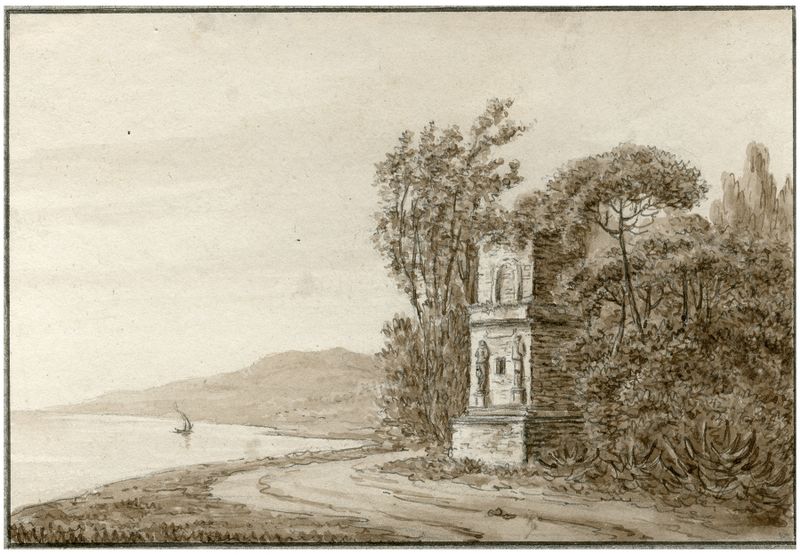
Een antiek monument in de omgeving van Taragone
Otto Howen
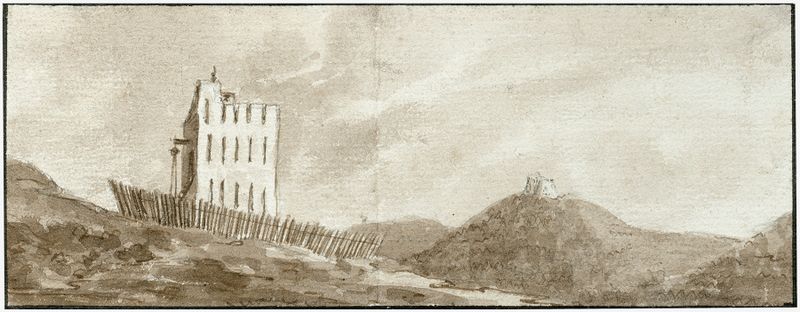
Gezicht in de omgeving van Gerona
Otto Howen
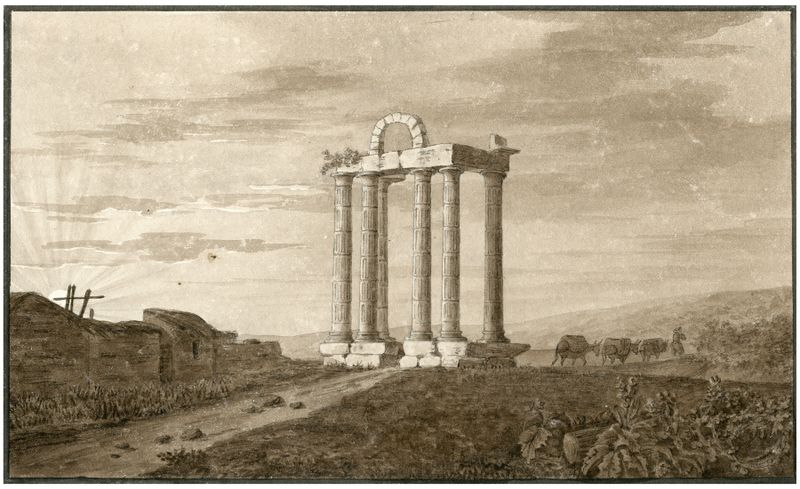
Antieke Ruïnes bij Talavera in Castillie
Otto Howen
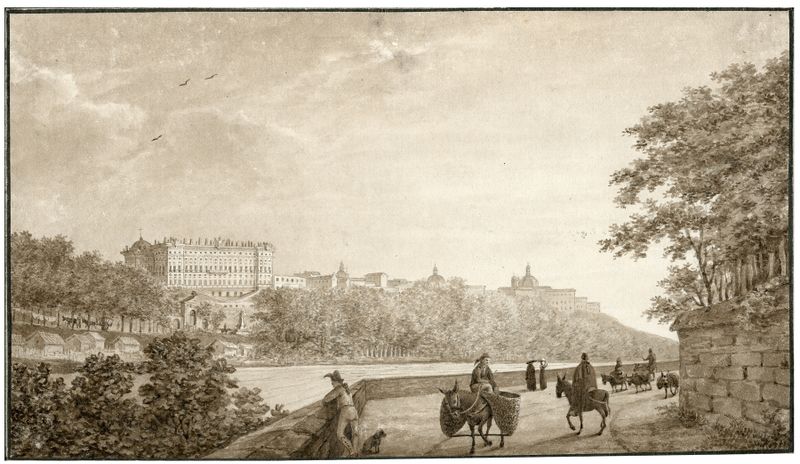
Het Koninklijke Paleis te Madrid
Otto Howen
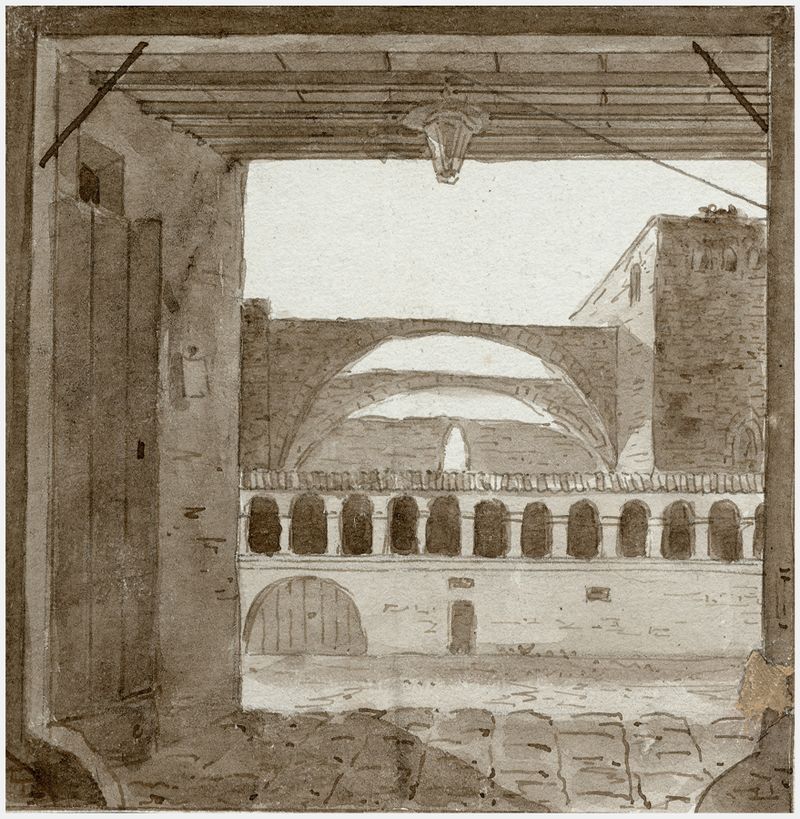
Ruïne van een klooster te Barcelona
Otto Howen
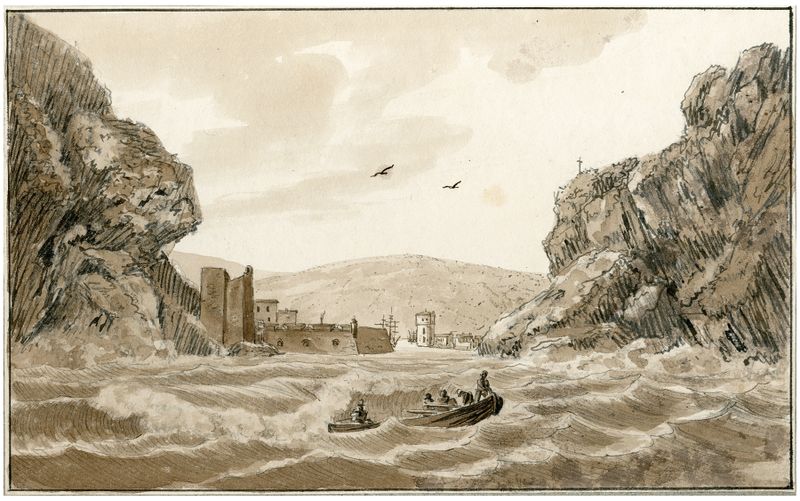
Een havenplaats in Spanje, Port de Passage
Otto Howen
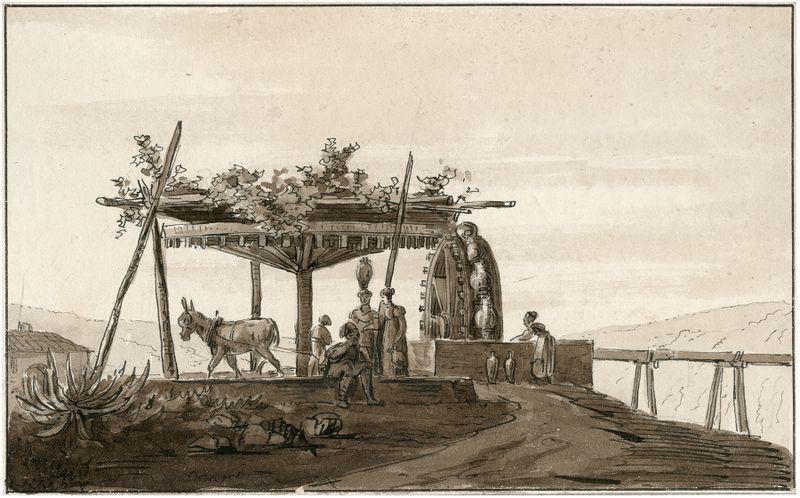
Een waterput met raderwerk en trekezel
Otto Howen





