
Straatgezicht te Narbonne — History & Facts
In the dance of light and shadow, we find a realm suspended in time, where the ordinary transforms into the extraordinary. Focus first on the gentle play of sunlight filtering through the trees in the foreground, casting dappled patterns on the cobblestone streets. The warm hues of ochre and soft greens create a serene atmosphere, beckoning viewers to wander into the scene. Look closely, and the meticulous brushwork reveals not just the textures of the buildings, but the pulse of life within them—windows slightly ajar, suggesting stories of those who reside in this sunlit world. Here, the viewer is invited to contemplate the interplay between light and shadow, with the delicate balance evoking a sense of nostalgia.
Notice the way the shadows stretch along the street, hinting at the passage of time and the stories embedded in the architecture. The absence of figures encourages a reflective solitude, as if the viewer has become a silent observer, experiencing a fleeting moment just before life resumes its rhythm. During the late 19th century, Otto Howen created this work amidst the burgeoning art movements that sought to capture the essence of everyday life. Living and working in France during this era, he was influenced by the Impressionists, who celebrated light in innovative ways.
The lack of a definitive date suggests a focus on capturing a transcendent moment rather than a specific event, inviting viewers to step into a timeless space where beauty resides quietly in the mundane.
More Artworks by Otto Howen
Browse all →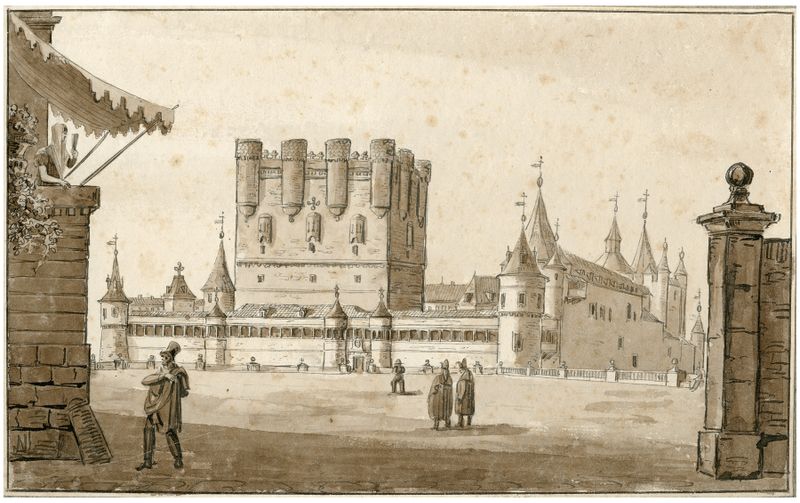
Het Alcazar te Segovia
Otto Howen
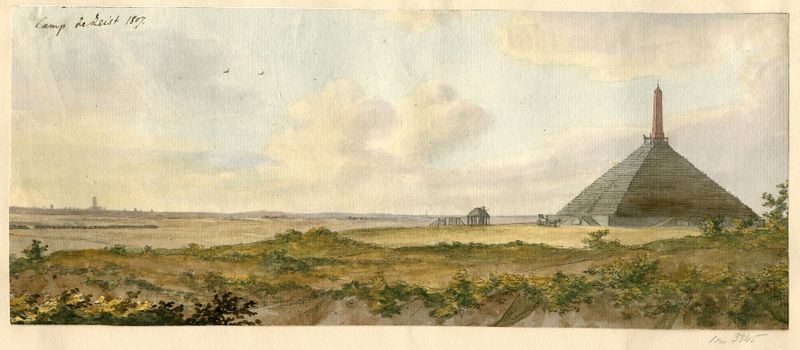
De piramide van Austerlitz bij Zeist
Otto Howen
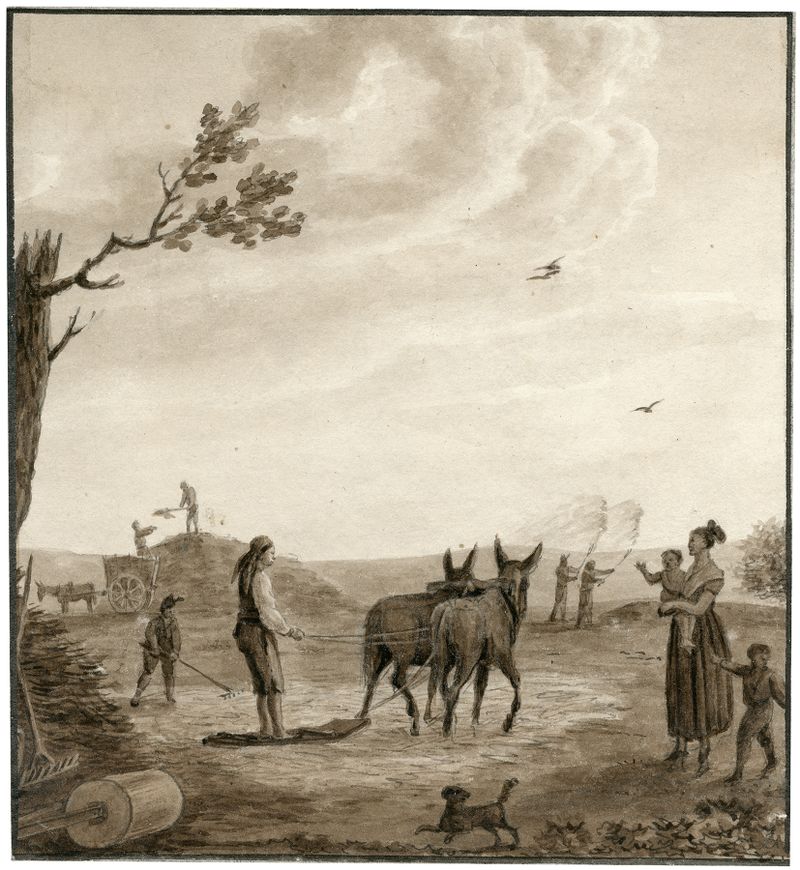
Het dorsen van het graan
Otto Howen
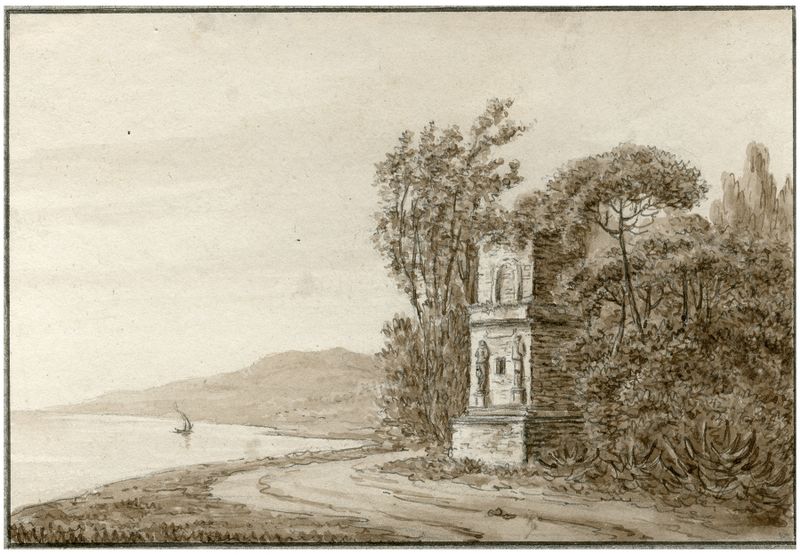
Een antiek monument in de omgeving van Taragone
Otto Howen
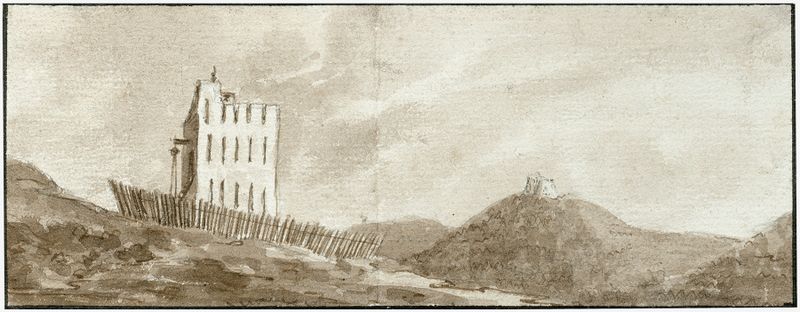
Gezicht in de omgeving van Gerona
Otto Howen
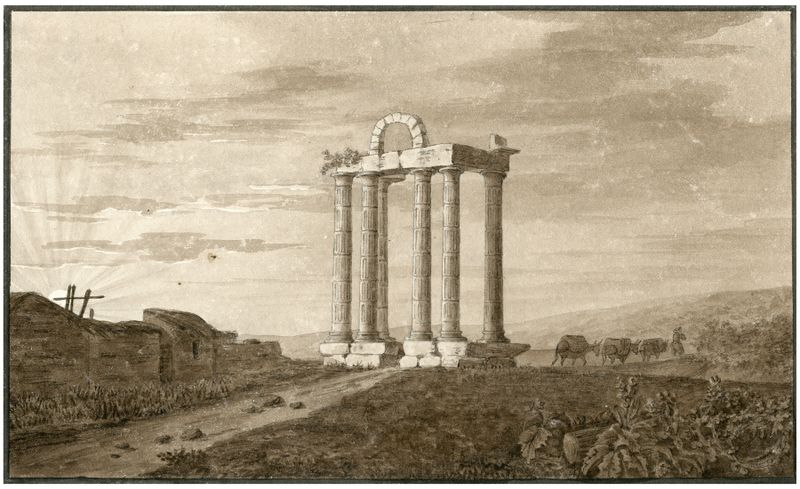
Antieke Ruïnes bij Talavera in Castillie
Otto Howen
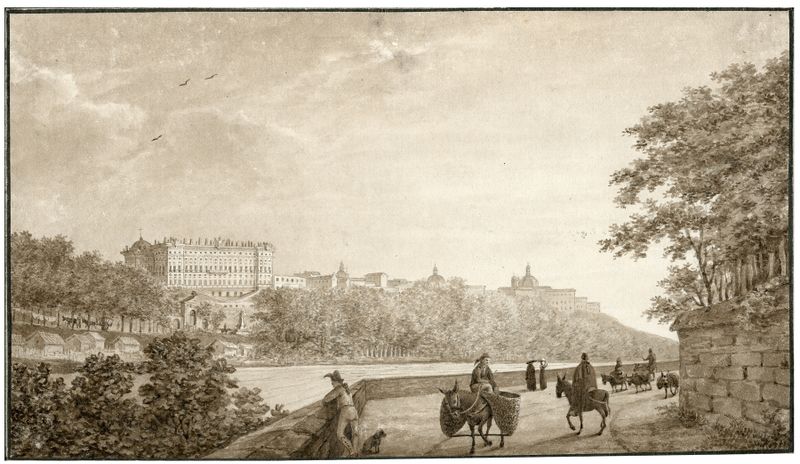
Het Koninklijke Paleis te Madrid
Otto Howen
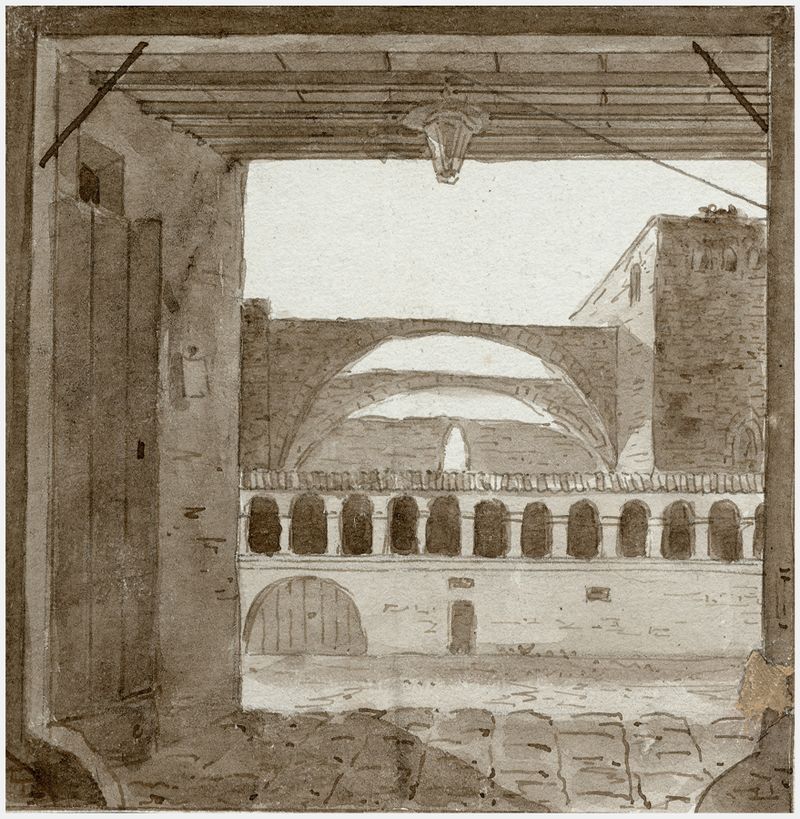
Ruïne van een klooster te Barcelona
Otto Howen
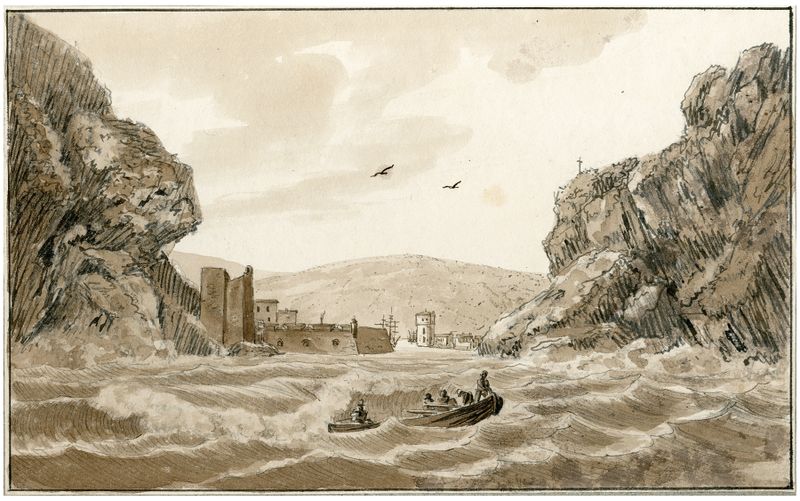
Een havenplaats in Spanje, Port de Passage
Otto Howen
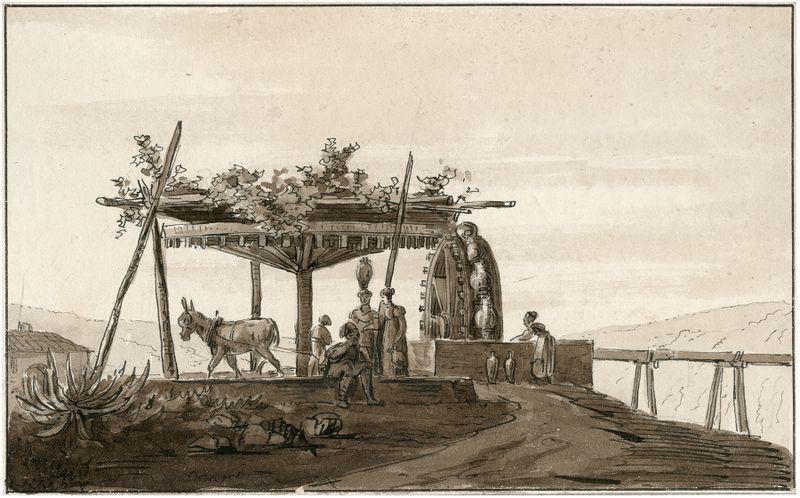
Een waterput met raderwerk en trekezel
Otto Howen





