Strook kloskant met hangende bladtak — History & Facts
Can paint confess what words never could? The delicate brushstrokes in this piece evoke a sense of transformation, where texture and form unfold like whispered secrets. Look closely at the intricate lacework, a focal point that captures the eye immediately. The artist's mastery is evident in the delicate interplay of light and shadow, which brings the textile to life. Notice how the soft hues blend seamlessly, creating a gentle contrast with the vibrant green of the hanging leaf branch.
This careful arrangement invites you to explore the depth of the fabric and the organic form, marrying two distinct yet harmonious elements. On a deeper level, the juxtaposition of the rigid lace against the fluidity of the foliage speaks to the theme of nature's resilience. The lace, a man-made marvel, contrasts with the wildness of the leaf, symbolizing the interplay between crafted beauty and unrestrained growth. Each thread tells a story of transformation—where artifice meets the natural world—suggesting a fleeting moment of coexistence that resonates beyond the canvas. Created between 1820 and 1830, the work belongs to a period of significant transition in the art world, with the rise of romanticism emphasizing individual emotion and nature's beauty.
The unknown artist, likely influenced by these broader movements, captured this delicate moment in time, reflecting both personal exploration and the evolving relationship between craftsmanship and the natural environment.
More Artworks by Unknown Artist
Browse all →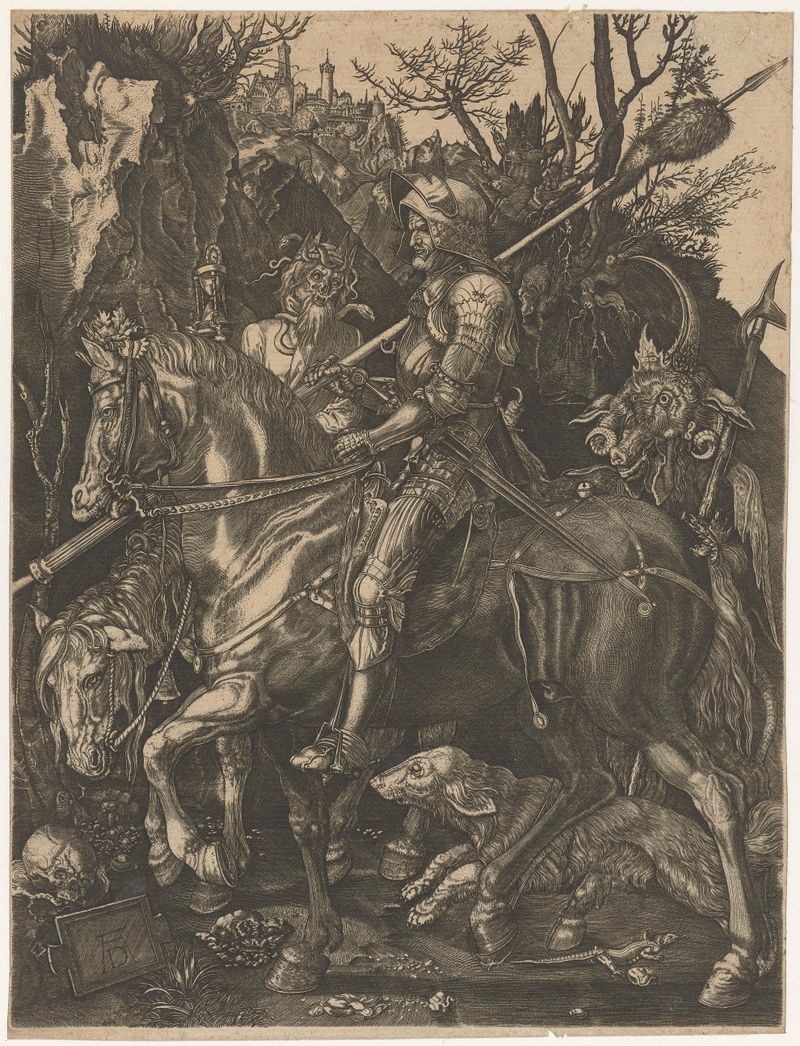
Ridder, Dood en Duivel
Unknown Artist
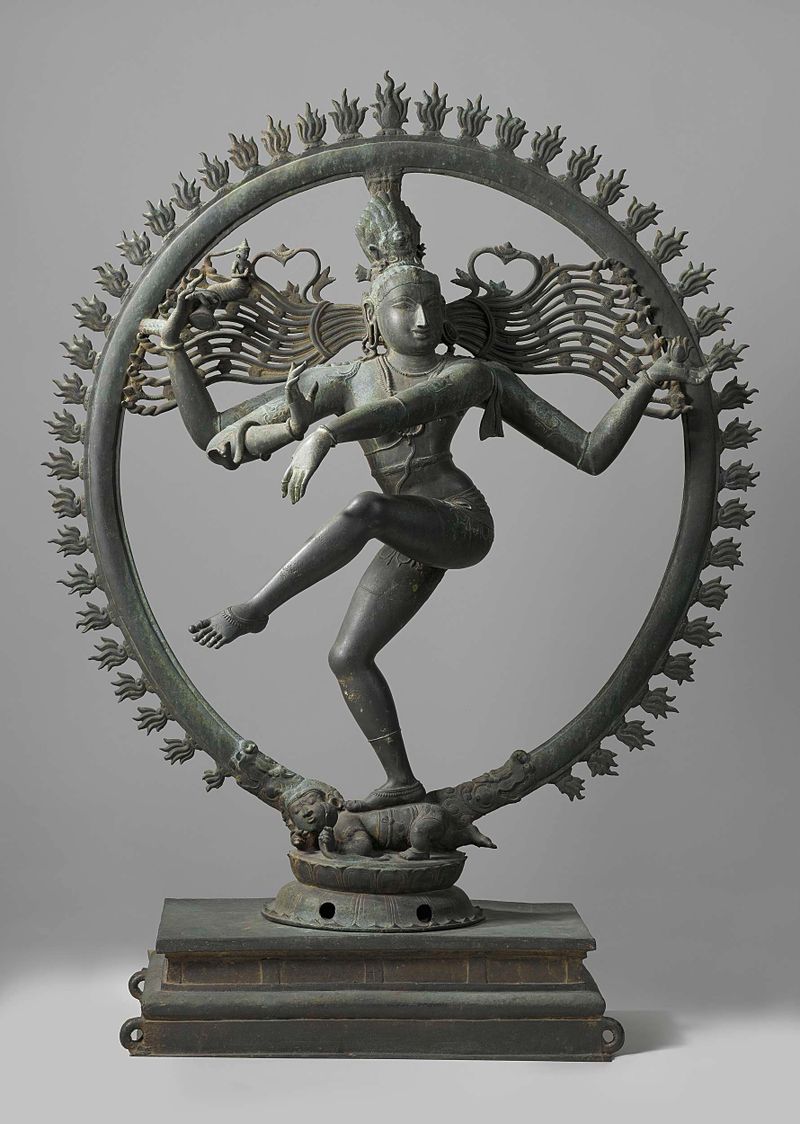
Shiva Nataraja
Unknown Artist
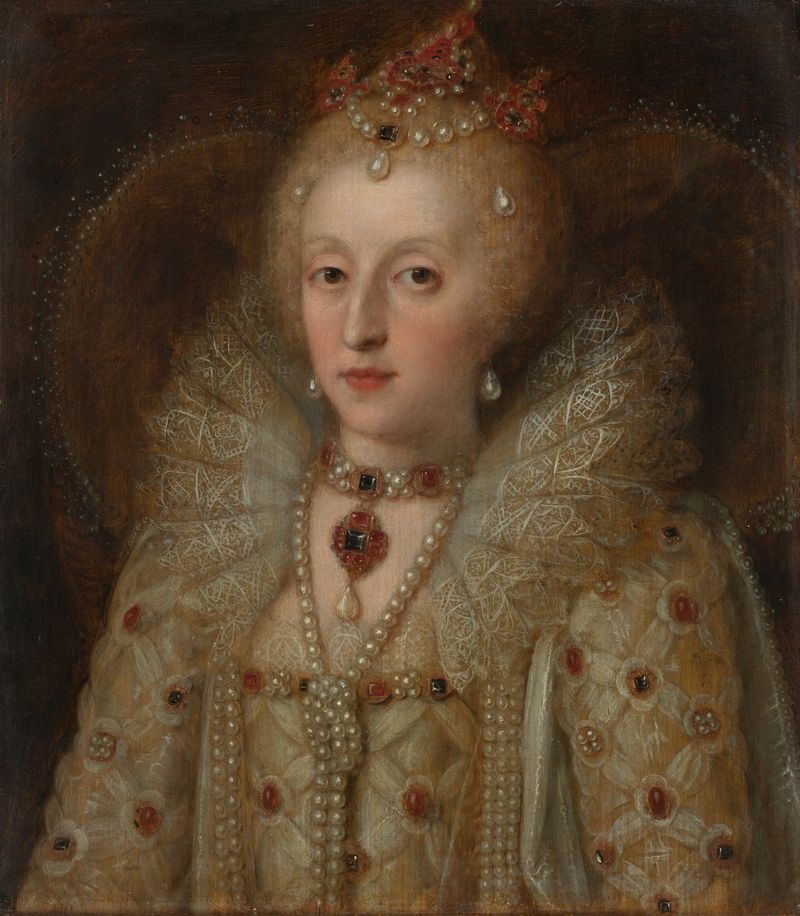
Portrait of Elizabeth I, Queen of England
Unknown Artist
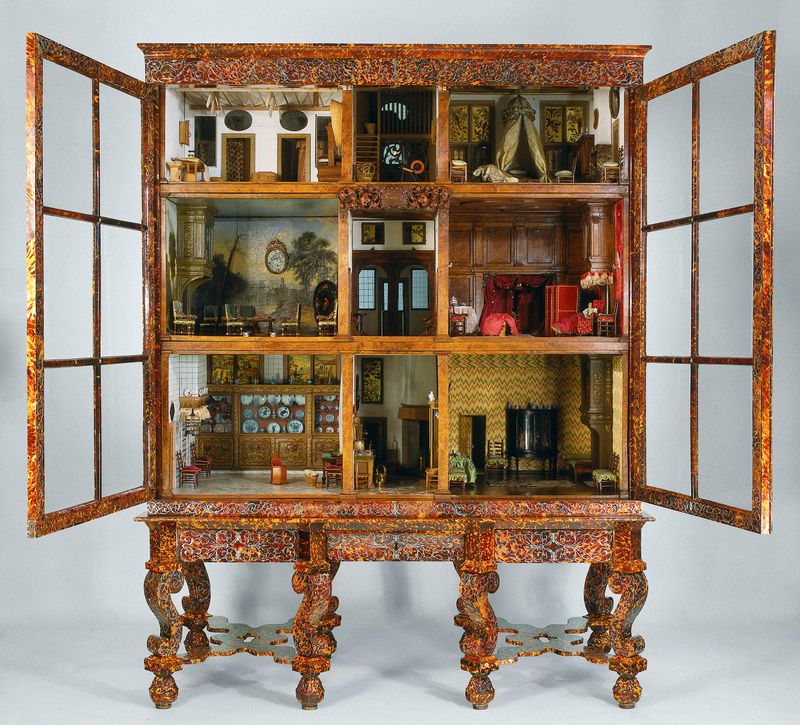
Dolls’ house of Petronella Oortman
Unknown Artist
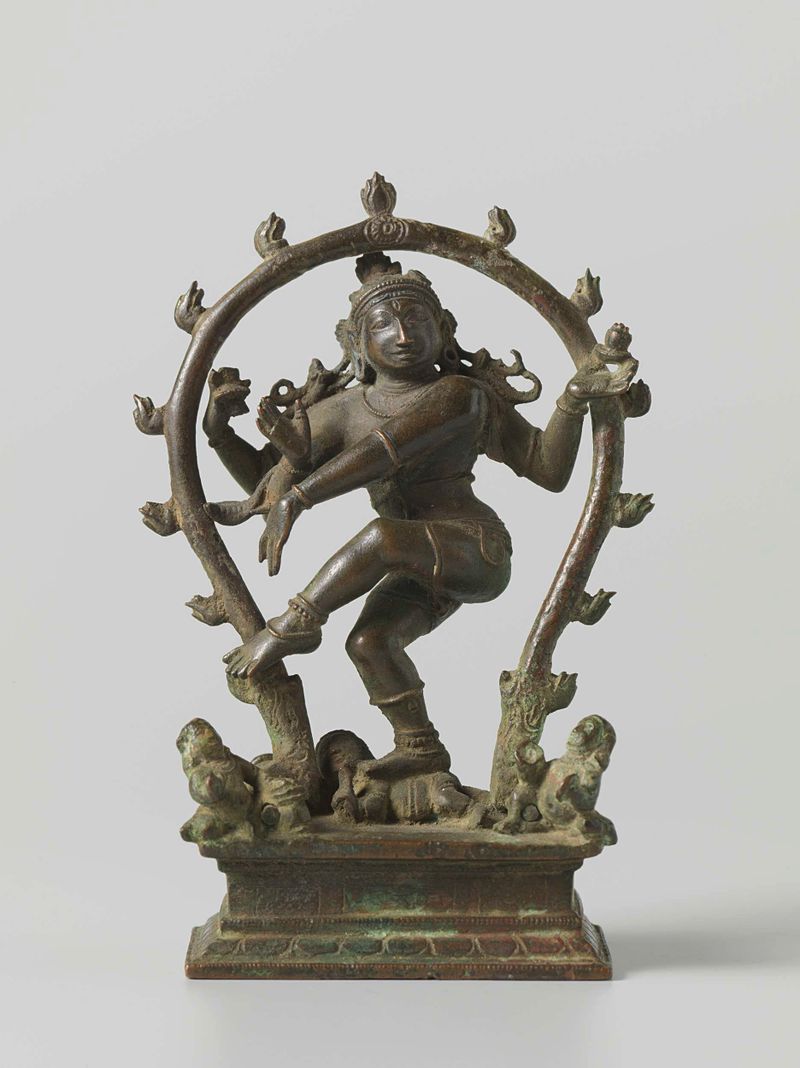
Shiva Nataraja
Unknown Artist

The Tale of Genji
Unknown Artist

The Tale of Genji
Unknown Artist

Cong
Unknown Artist
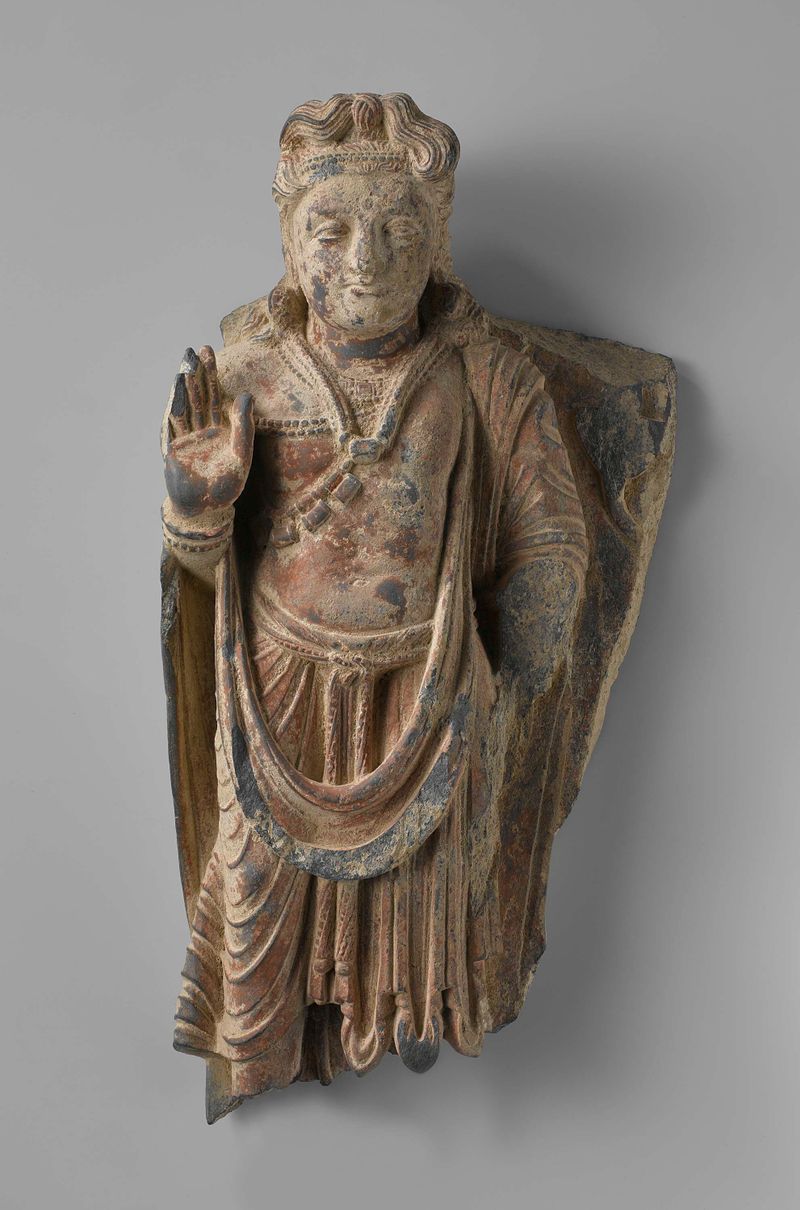
The bodhisattva Maitreya
Unknown Artist

Teabowl with a 'hare's fur' glaze
Unknown Artist