
Studie fra det indre af en nåletræskov — History & Facts
When did color learn to lie? In the hushed whispers of the forest, a profound loneliness breathes through the air, mingling with the shadows cast by towering evergreens. Here, the vibrant palette conceals an echo of isolation, inviting us to question the emotional landscape of our own journeys. Look to the left at the deep greens of the pine trees, their rich hues pulling us into the heart of this tranquil yet haunting woodland. Notice how the interplay of light filters through the branches, creating a tapestry of brightness and shade that dances across the forest floor.
The technique is both delicate and deliberate, with each stroke of paint enhancing the sense of depth and mystery, urging the viewer to wander deeper into the woods both physically and emotionally. As you gaze into the depths of the painting, notice the stark contrasts between the vibrant foliage and the muted earth beneath, reflecting the tension between the vitality of nature and the solitude it can evoke. The subtle use of light and dark suggests a narrative of hope intertwined with despair, as if the landscape itself holds secrets of those who have wandered through it, echoing their unvoiced yearnings. This duality resonates profoundly, revealing that even in beauty, loneliness can reside. During the time Studie fra det indre af en nåletræskov was created, Friedrich was navigating his own struggles with loss and isolation as he developed his signature romantic style.
This period, in the early 19th century, marked a shift in art toward deeper emotional expression, reflecting the tumultuous changes in society and the growing fascination with nature as both a refuge and a reminder of human vulnerability.
More Artworks by Caspar David Friedrich
Browse all →
Wanderer above the Sea of Fog
Caspar David Friedrich
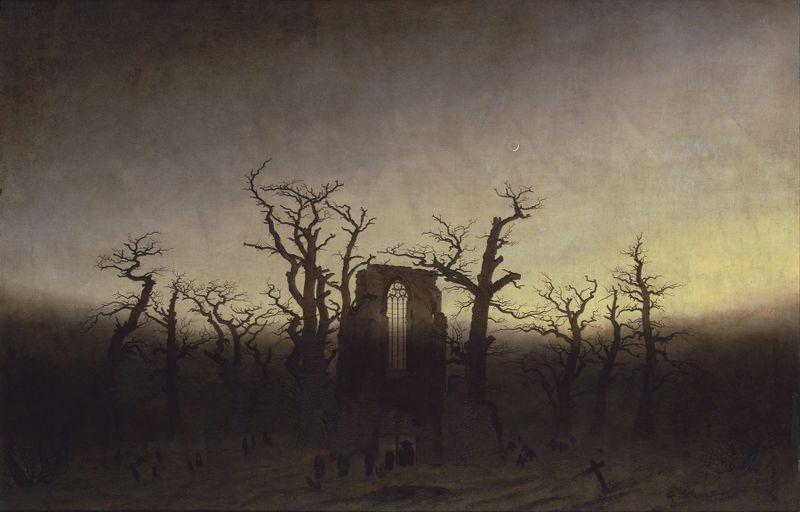
The Abbey in the Oakwood
Caspar David Friedrich
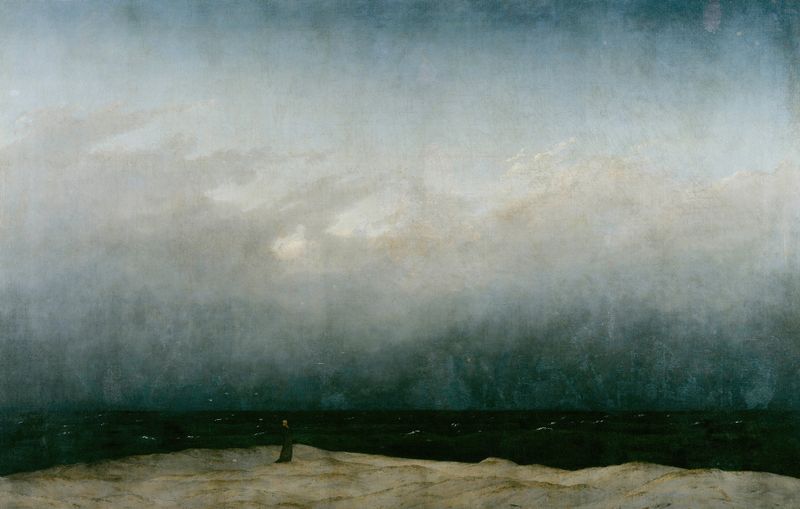
The Monk by the Sea
Caspar David Friedrich
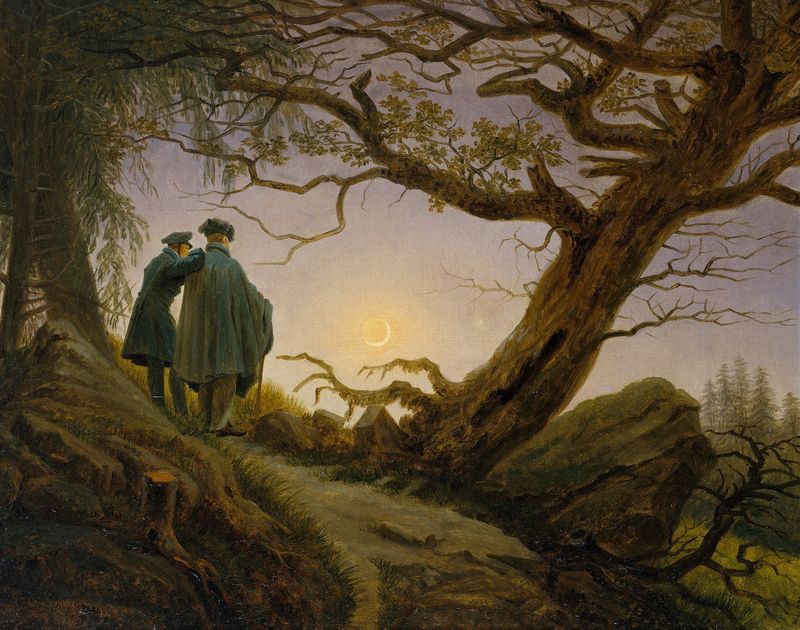
Two Men Contemplating the Moon
Caspar David Friedrich
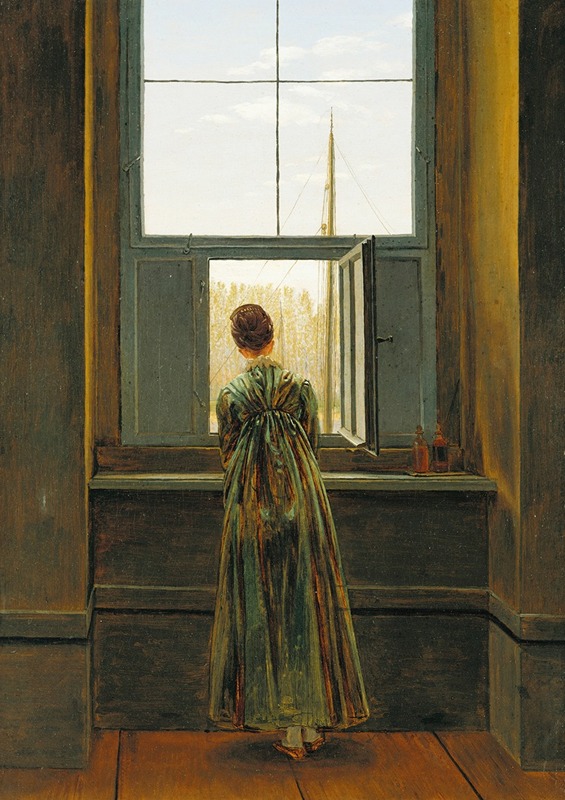
Woman at a Window
Caspar David Friedrich
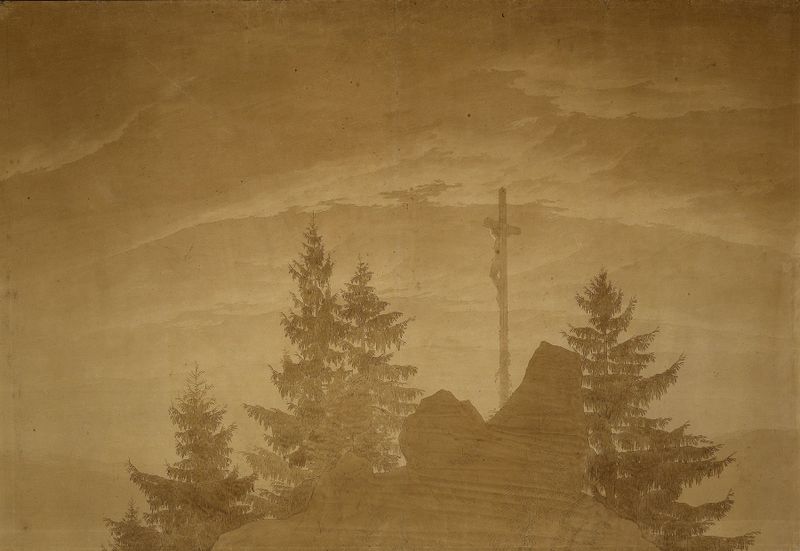
Cross in the Mountains
Caspar David Friedrich
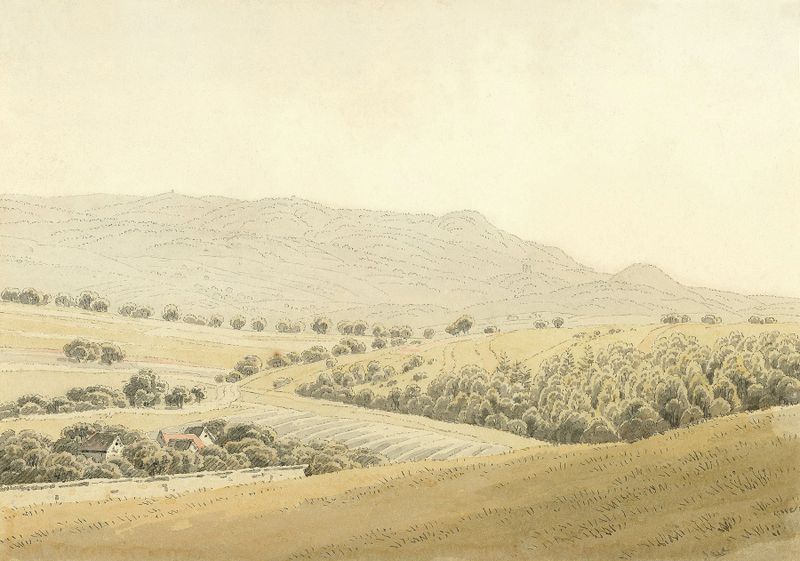
Mittelgebirgslandschaft
Caspar David Friedrich
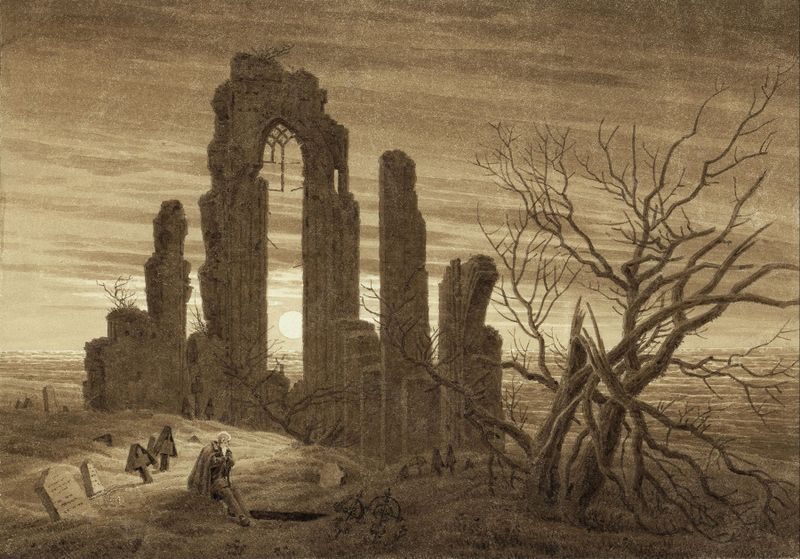
Winter – Night – Old Age and Death (from the times of day and ages of man cycle of 1803)
Caspar David Friedrich
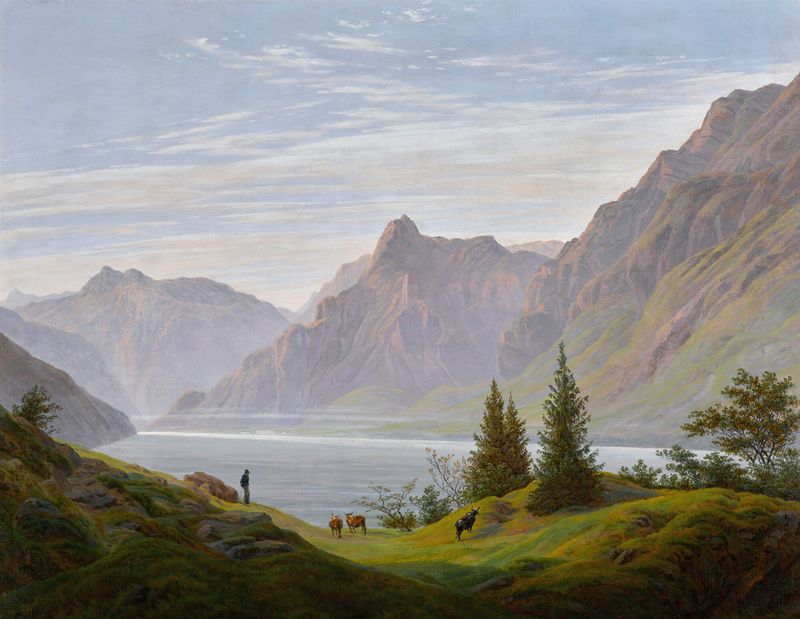
Landschaft mit gebirgsee, morgen
Caspar David Friedrich
Northern Sea in the Moonlight
Caspar David Friedrich





