Study — History & Facts
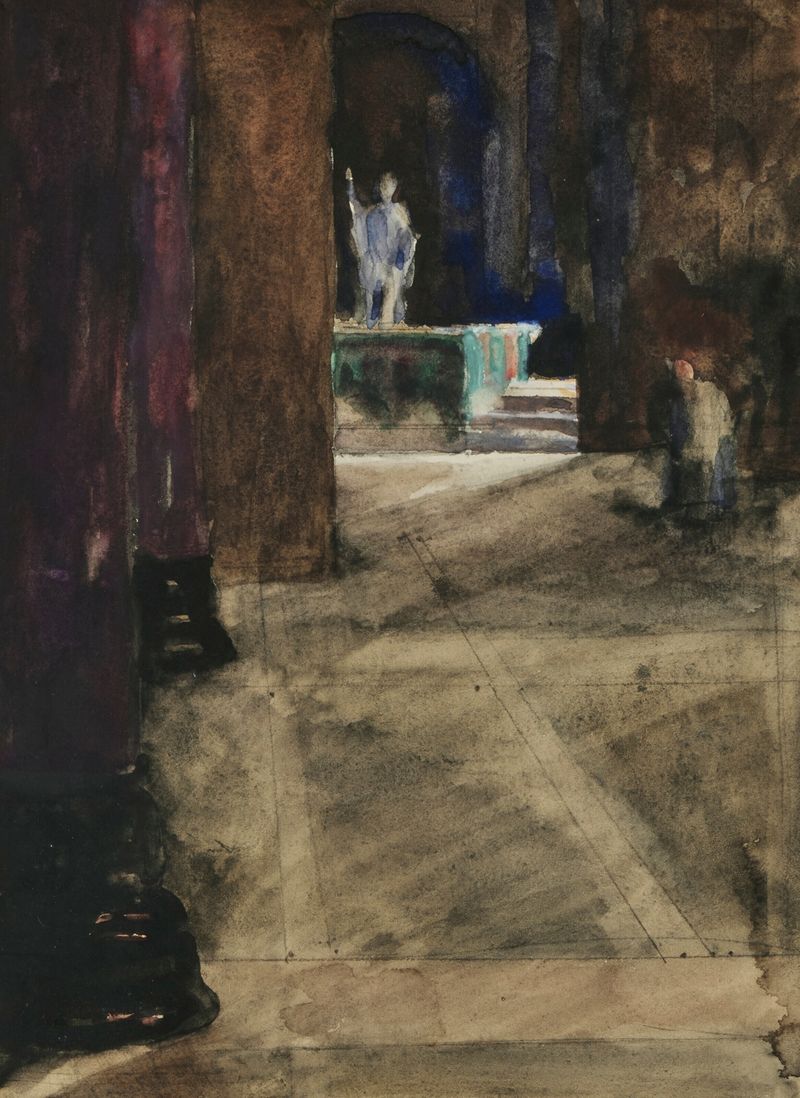
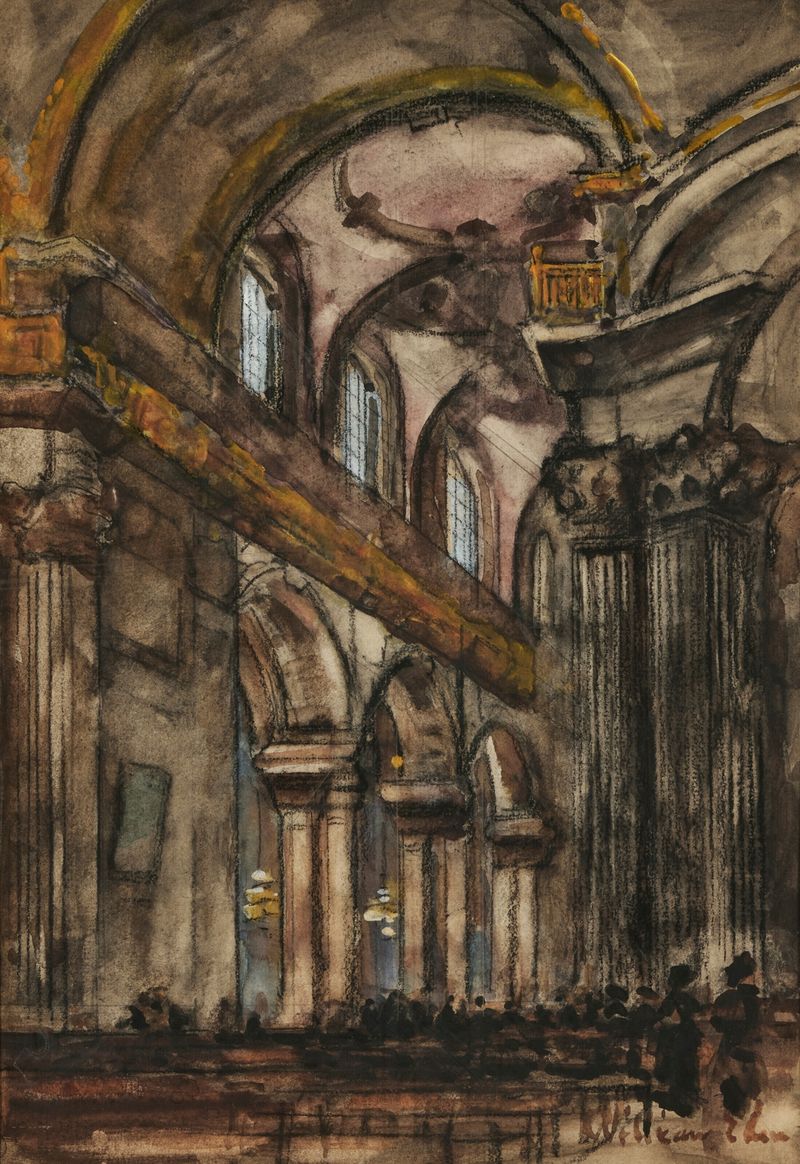
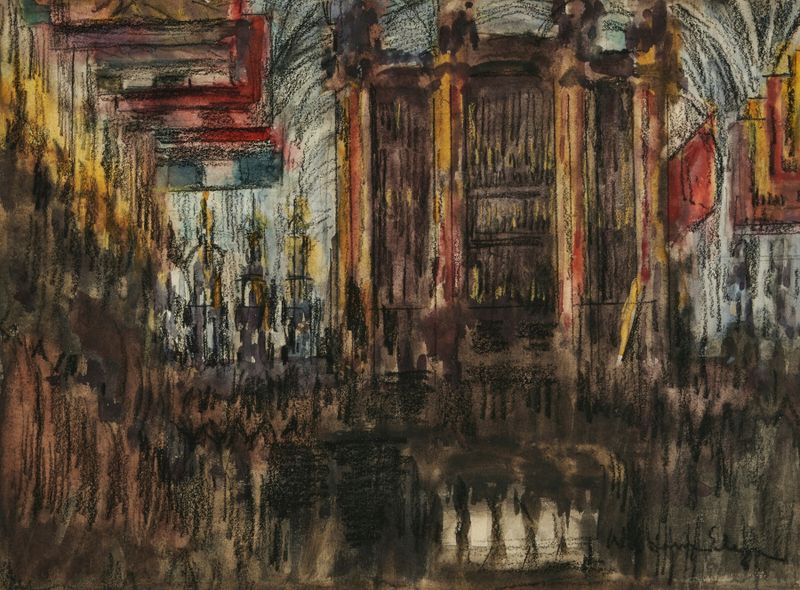
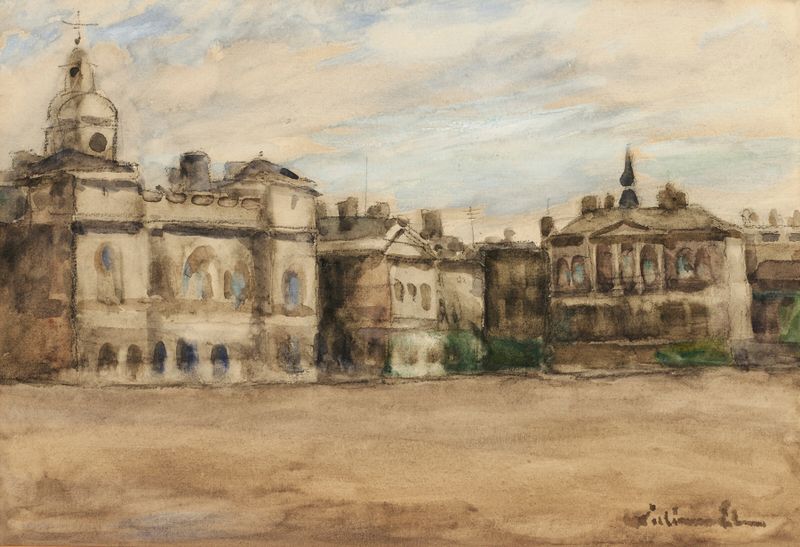
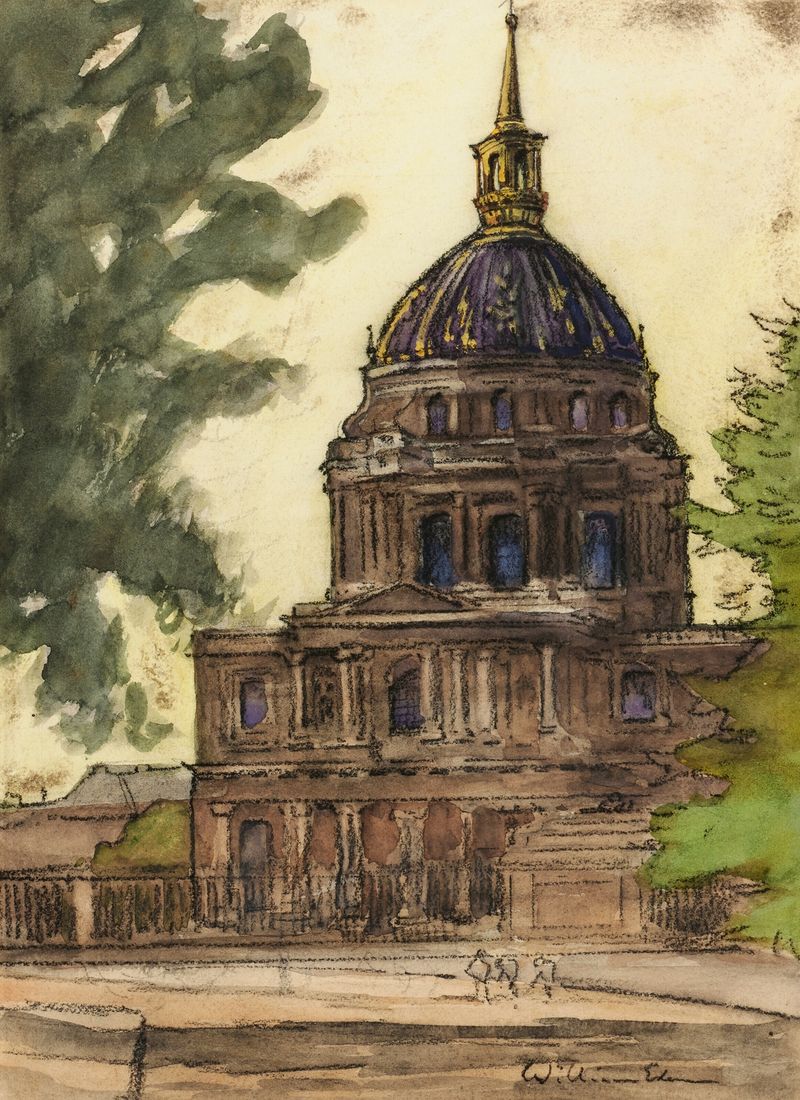
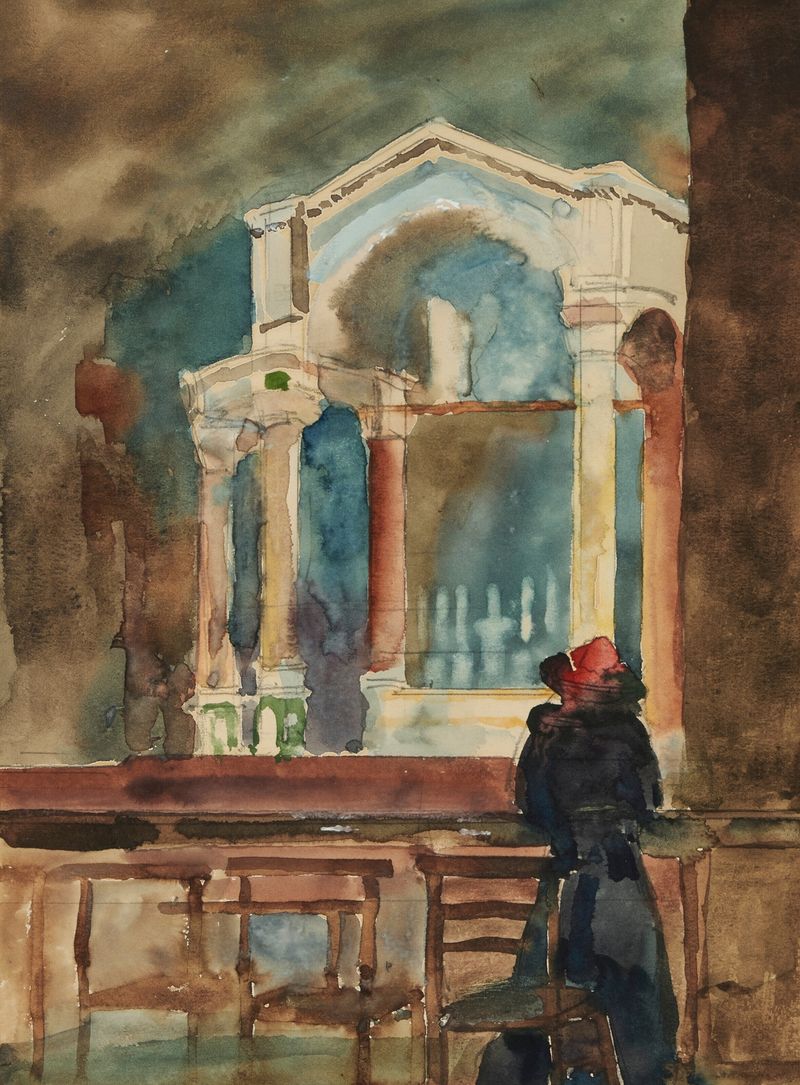
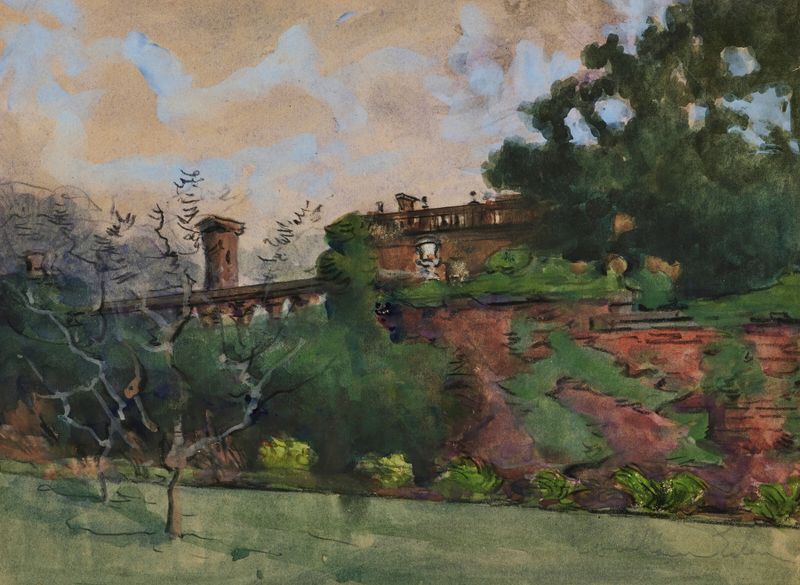
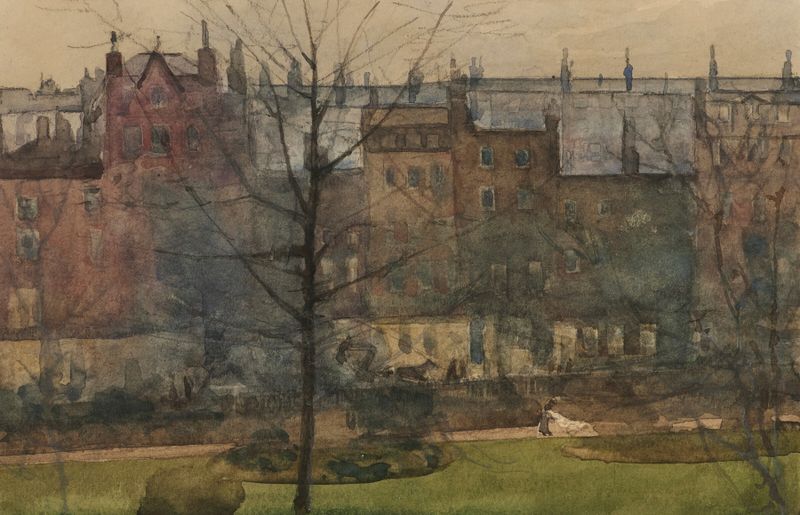
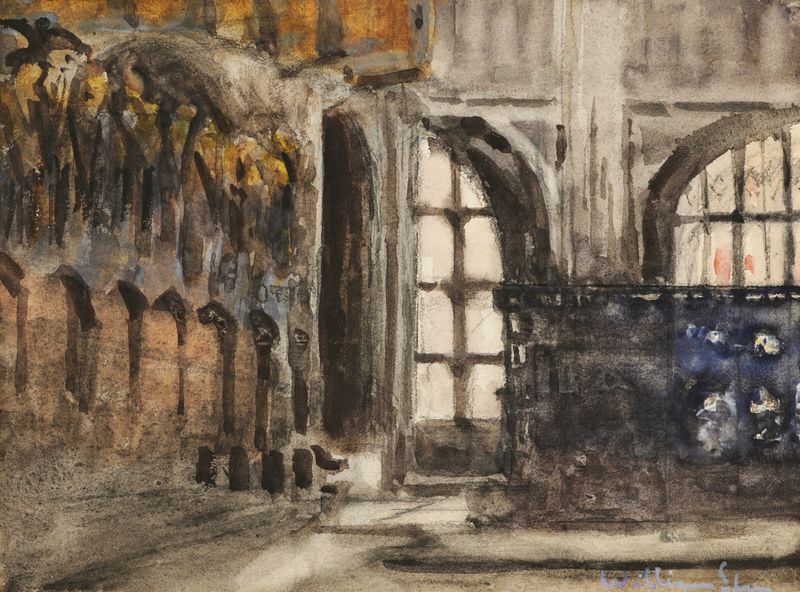
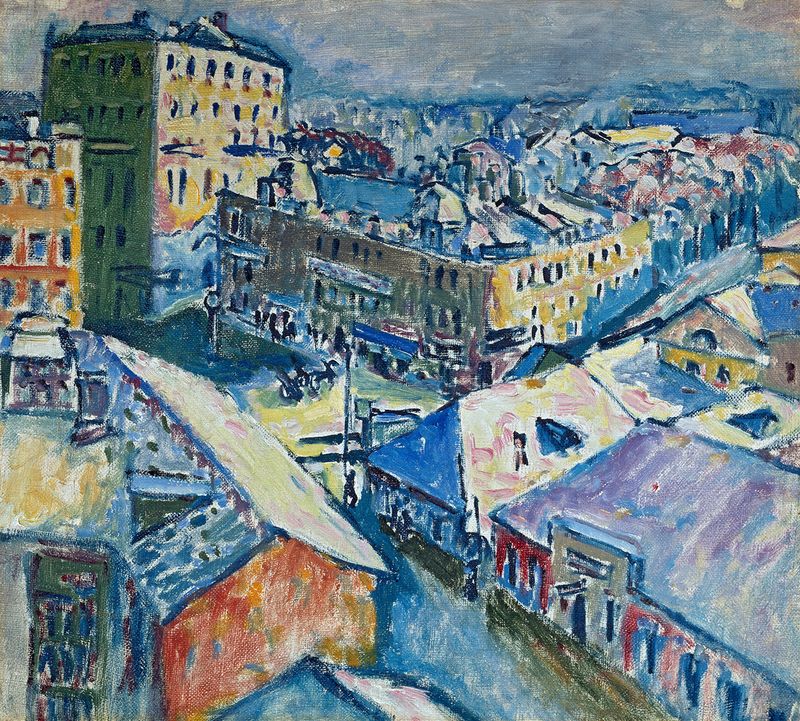
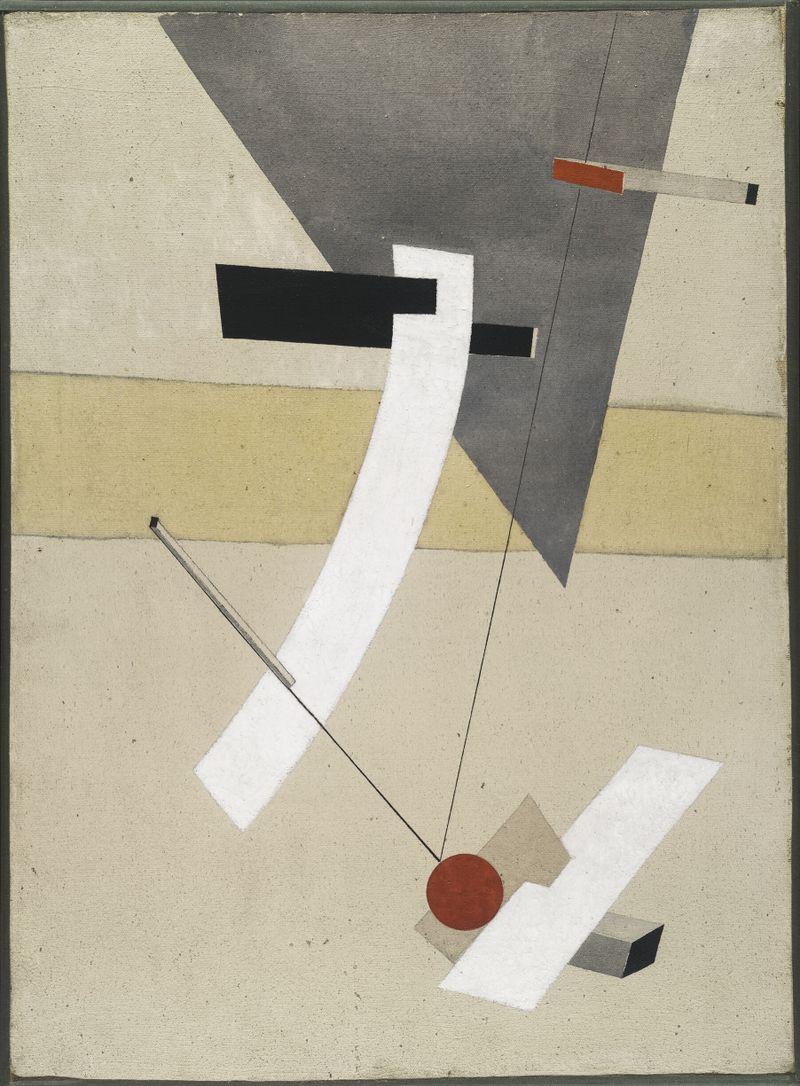
This reflection captures the duality of violence and beauty that flows through the dimensions of existence, a tension deftly explored in art. Focus on the central area of the canvas, where vigorous strokes and bursts of color collide, creating a palpable sense of turmoil. The brushwork is both aggressive and delicate, revealing a struggle between form and formlessness. The interplay of dark, moody tones juxtaposed with vibrant highlights draws the eye, suggesting a narrative of destruction and rebirth.
Notice how the textures add depth, inviting you to trace each layer, where the chaotic energy seems to pulse beneath the surface. Delve deeper into the painting’s emotional landscape. The swirling forms hint at a violence that is not only physical but also psychological, evoking feelings of unrest and contemplation. The contrast between the harsh edges and the softer gradients reflects the complexity of human experience—how chaos can give birth to something unexpectedly beautiful.
This tension resonates with the viewer, inviting each person to confront their own interpretations of disorder and harmony. When Study was created, Sir William Eden was navigating the evolving art scene of the early 20th century, a time marked by both innovation and conflict. His work reflects a burgeoning interest in abstraction, amidst the backdrop of societal upheavals and the aftermath of war. This period marked a pivotal shift in artistic expression, allowing artists like Eden to explore raw emotionality and the human condition through their canvases.