Church Interior — History & Facts
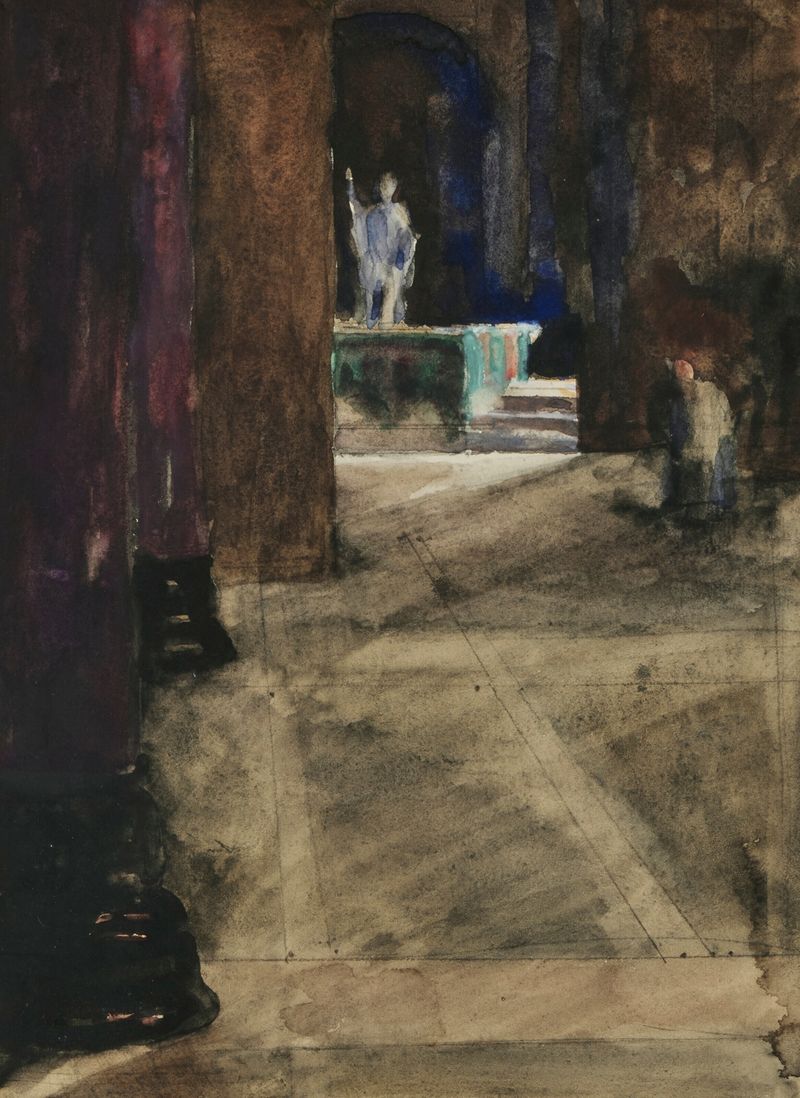
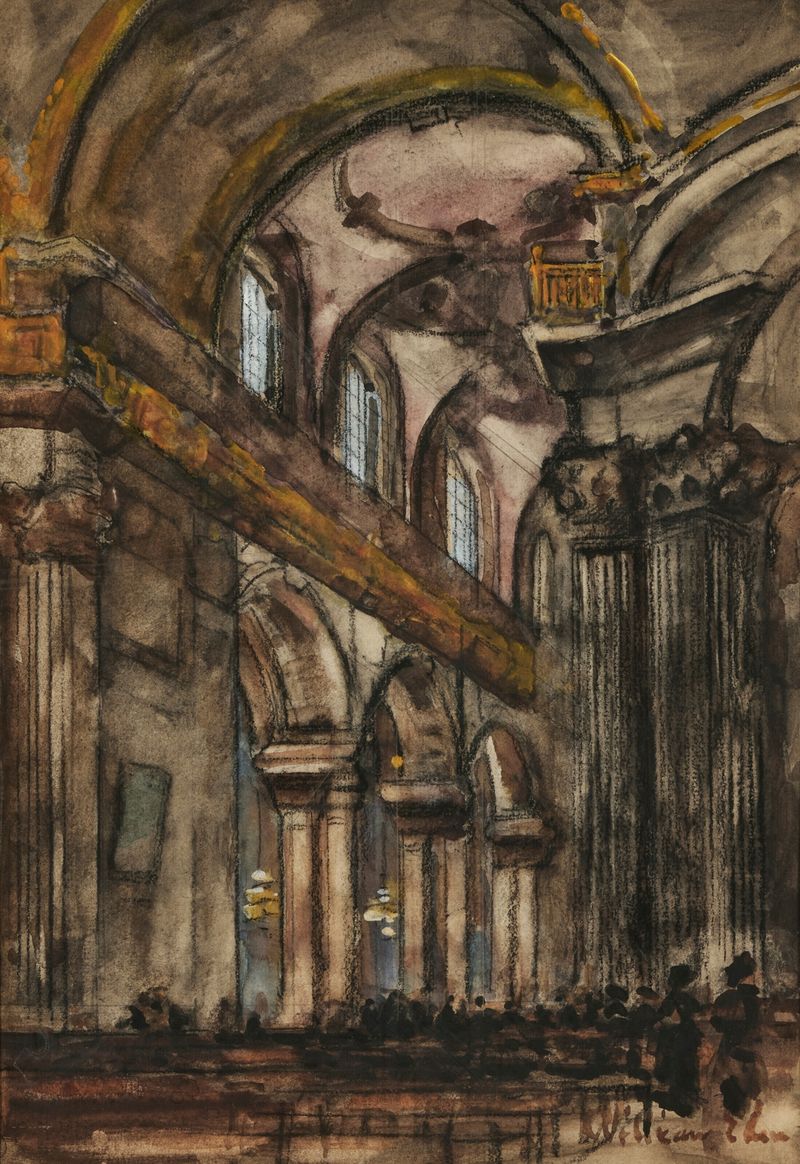
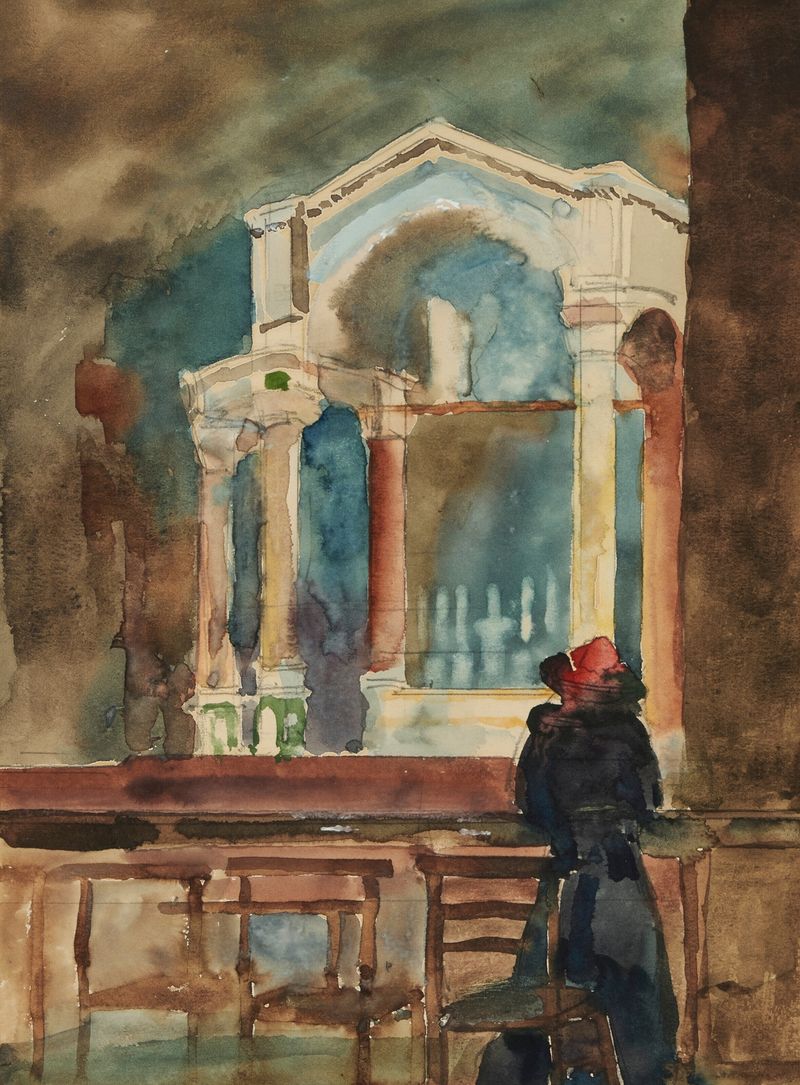
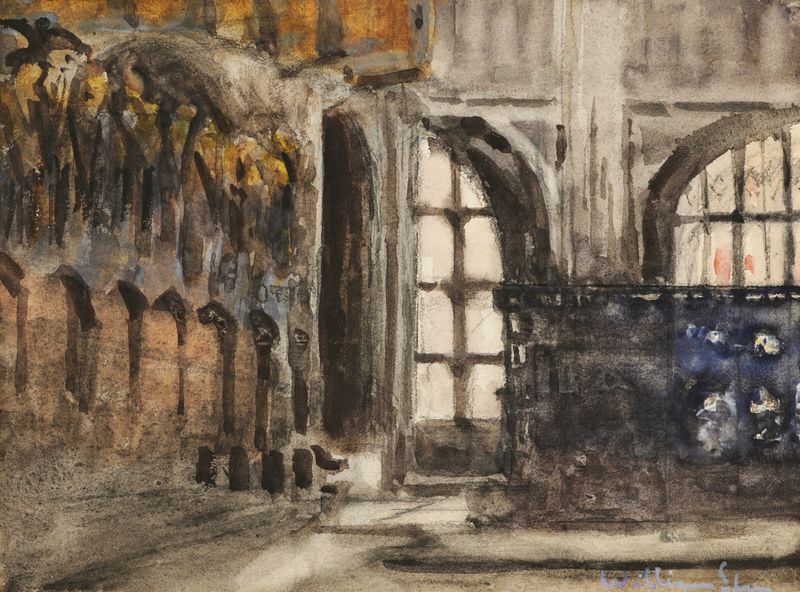
What if beauty was never meant to be finished? The exploration of a sacred space often reveals the depths of our own reflections, inviting us to ponder what lies beyond the surface. Look to the center of the canvas, where the grandeur of the altar draws the eye, bathed in a soft, ethereal light. Notice how the light filters through the stained glass windows, casting colorful patterns that dance across the stone floor. The careful arrangement of architectural elements creates a harmonious balance—each column and arch supporting not just the structure, but the weight of faith and devotion.
The muted palette of earthy tones contrasts with the vibrant hues of the glass, suggesting a dialogue between the divine and the earthly. In the intricate details, one can perceive the tension between permanence and transience. The aged walls bear witness to countless prayers and moments of solitude, while the flickering candle flames symbolize fleeting human existence. This juxtaposition of light and shadow evokes a sense of introspection, reminding viewers that beauty, much like faith, is often found in the imperfections and unfinished moments of life.
Each brushstroke captures not only the physical space but also the emotional essence of worship and contemplation. Created during a period of personal reflection, the artist crafted this piece in a time when society was navigating rapid changes in the realm of art and spirituality. While the exact date remains unknown, it likely belongs to the late 19th century, an era marked by a resurgence of interest in traditional religious themes. Sir William Eden, amidst the evolving artistic landscape, encapsulated a timeless sanctuary that resonates with both the past and the present.