Church Interior — History & Facts
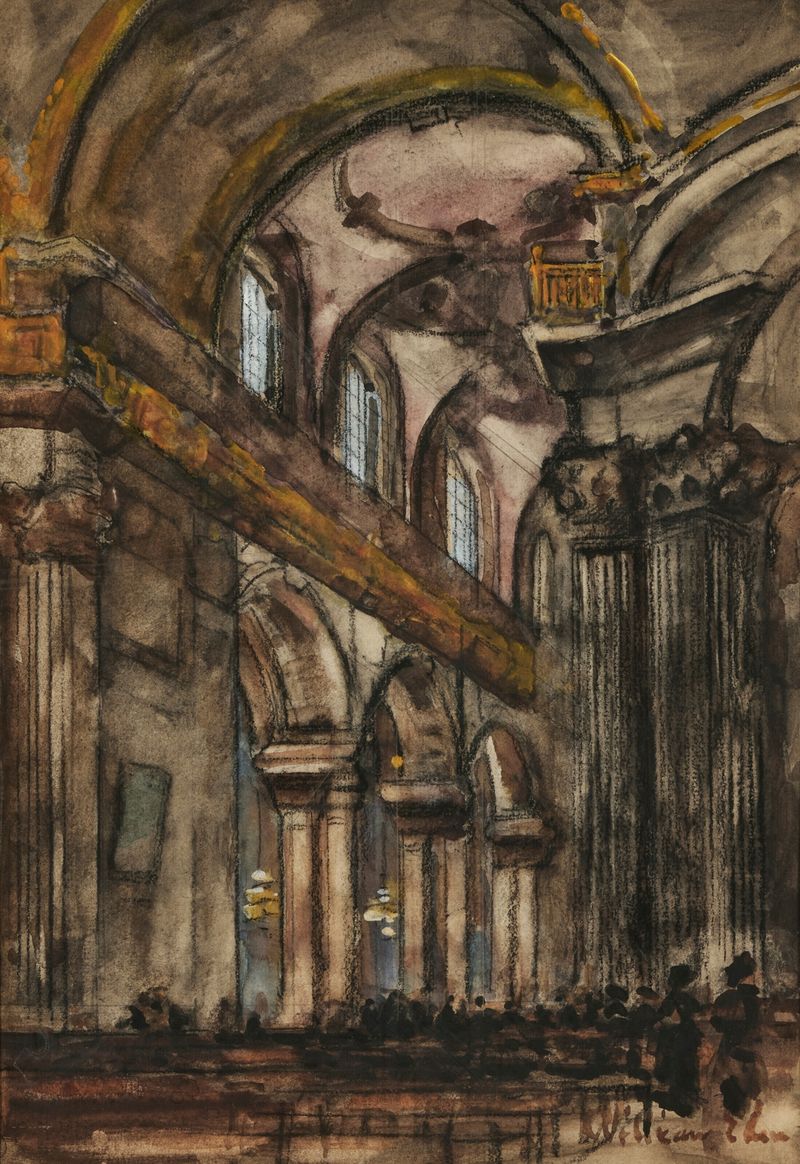
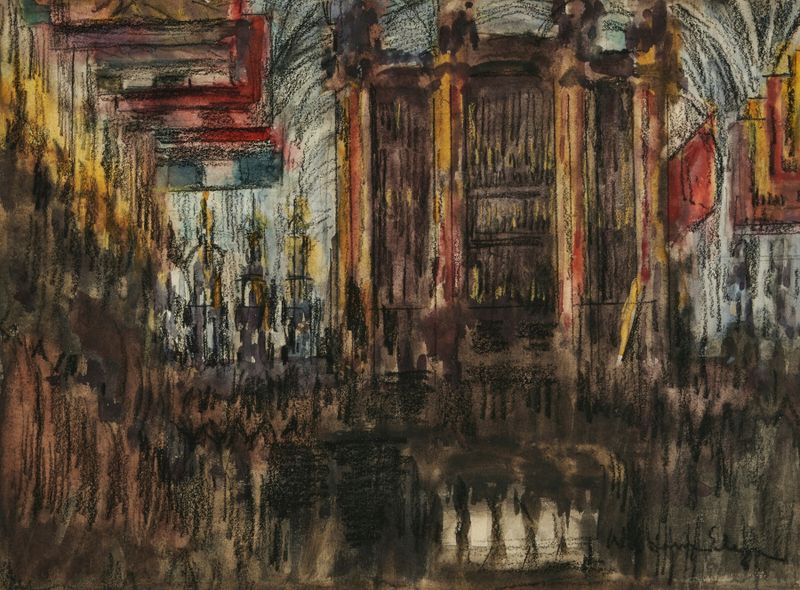
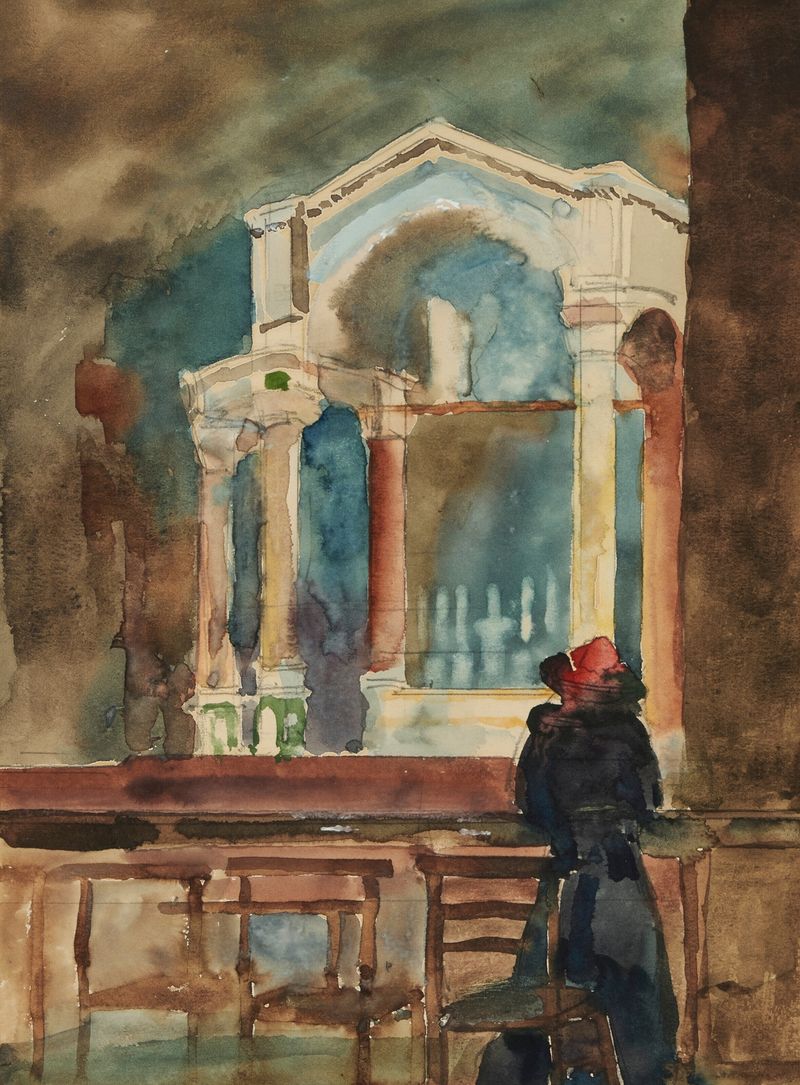
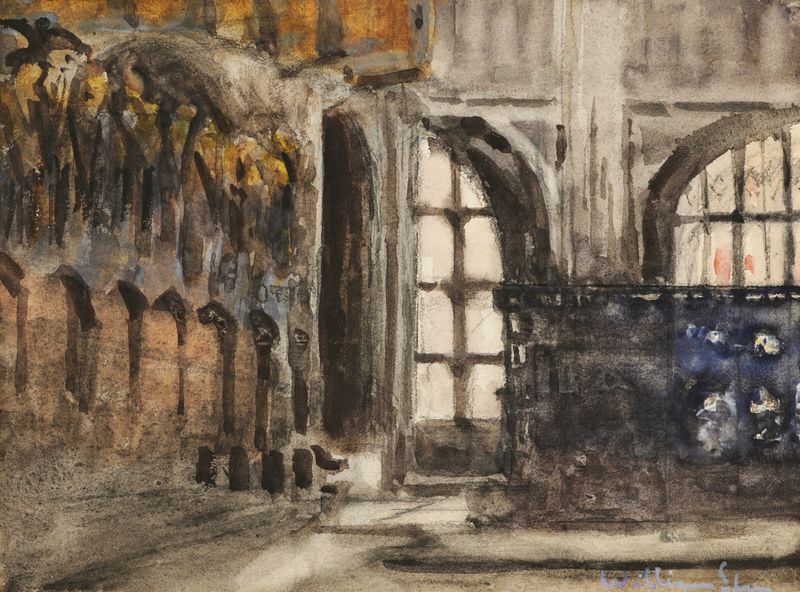
What if silence could speak through light? In the stillness of a church interior, the shadows stretch long, whispering secrets that linger like ghosts in the air. A tension hangs palpably, as if the very walls bear witness to unspoken violence, a conflict between faith and doubt, the sacred and the profane. Focus first on the stark contrast of light and shadow that envelops the space. Notice how the soft glow filtering through stained glass illuminates the altar, casting kaleidoscopic patterns on the worn stone floor.
The subdued palette of deep browns and muted golds evokes a somber mood, while the geometric lines of the architecture draw your gaze upward, creating a feeling of transcendence and entrapment. The absence of figures intensifies the sense of isolation, as if the church itself is a character haunted by its own past. Hidden within the serene facade, emotional tensions emerge. The juxtaposition of the church’s elegance against the roughness of the materials mirrors a struggle between belief and disillusionment.
The silence within the space feels charged, an echo of moments where faith has been both a refuge and a battleground. Each beam of light appears to hold the weight of prayers offered and the weight of unanswered questions. The artist created this work during a period when churches were not merely places of worship but also reflections of societal turmoil. In an era marked by rapid changes and questioning of traditional values, the artist explored themes of spirituality amidst existential doubt, capturing a stillness that resonates with the violence of inner conflict.