Church Interior — History & Facts
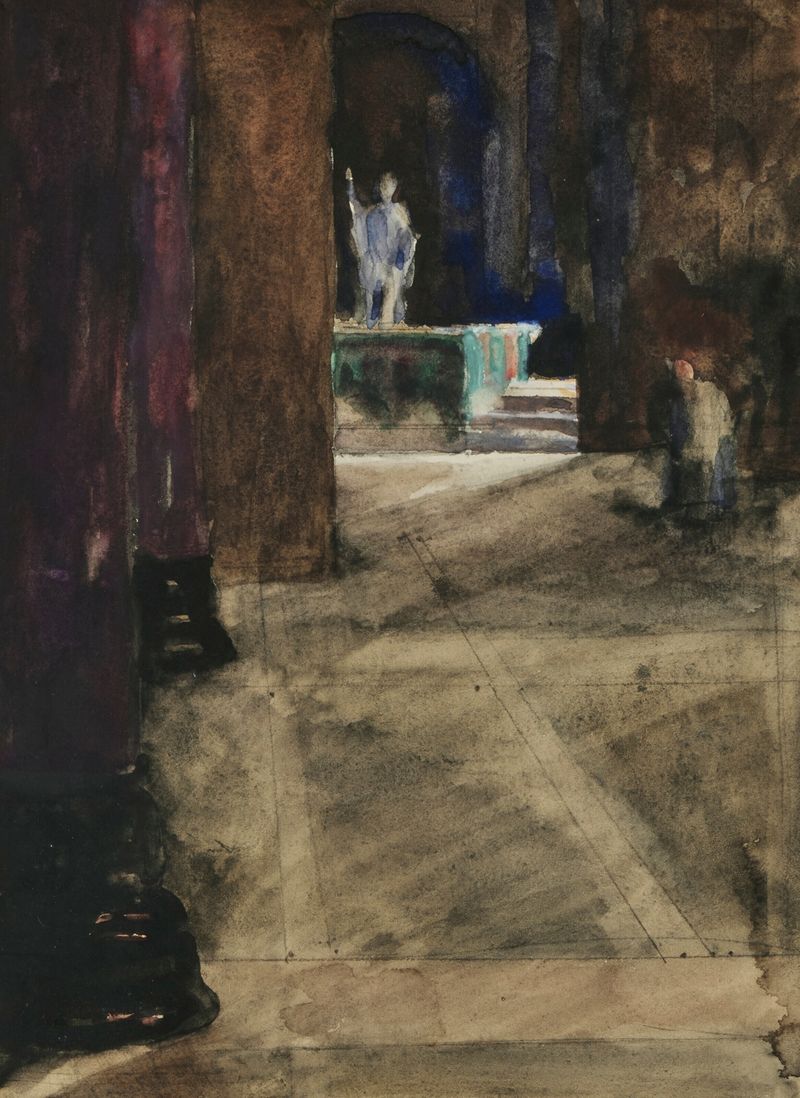
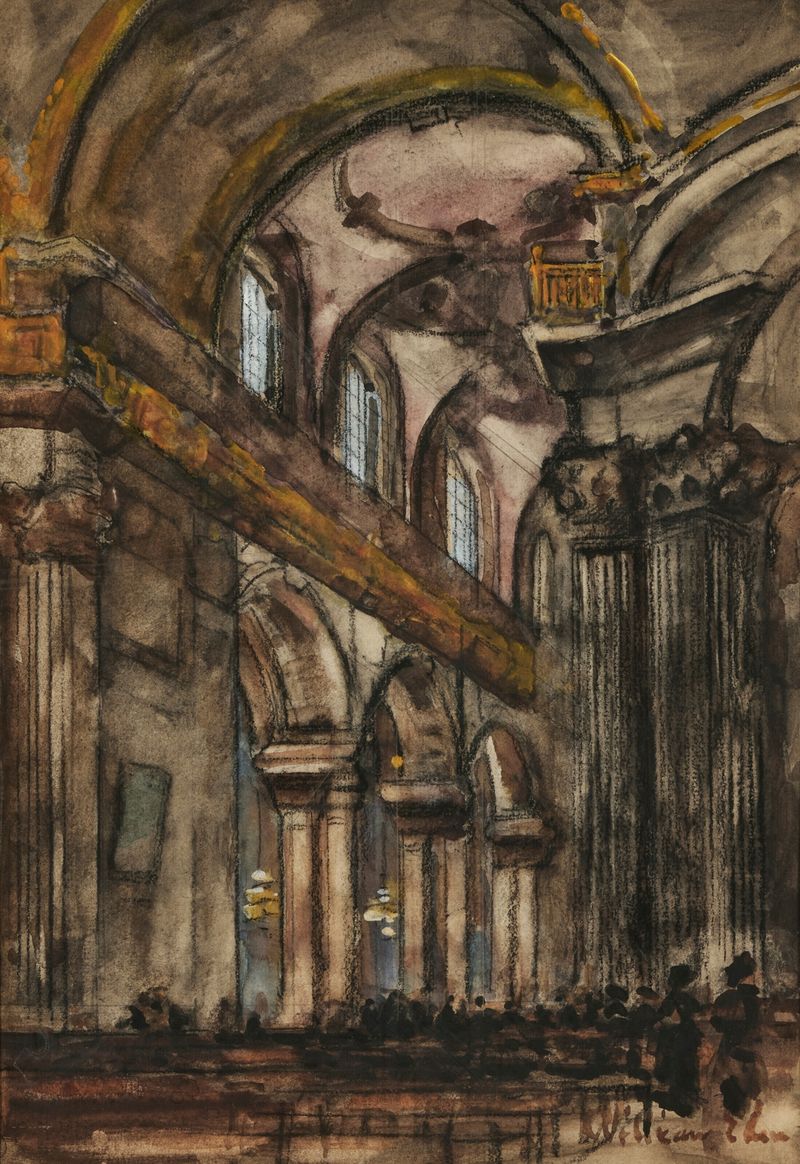
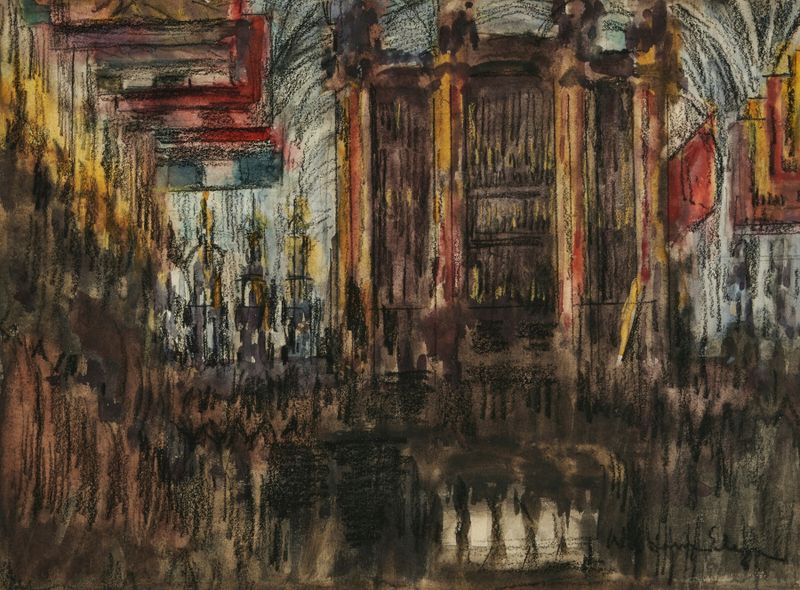
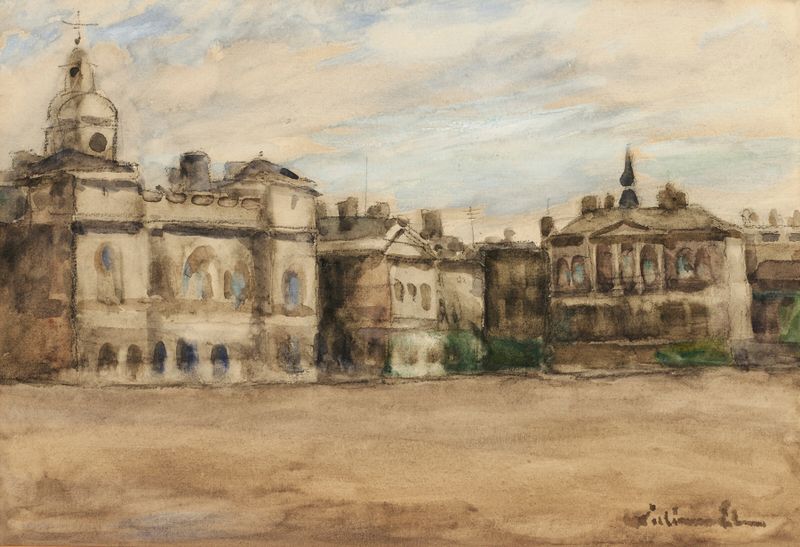
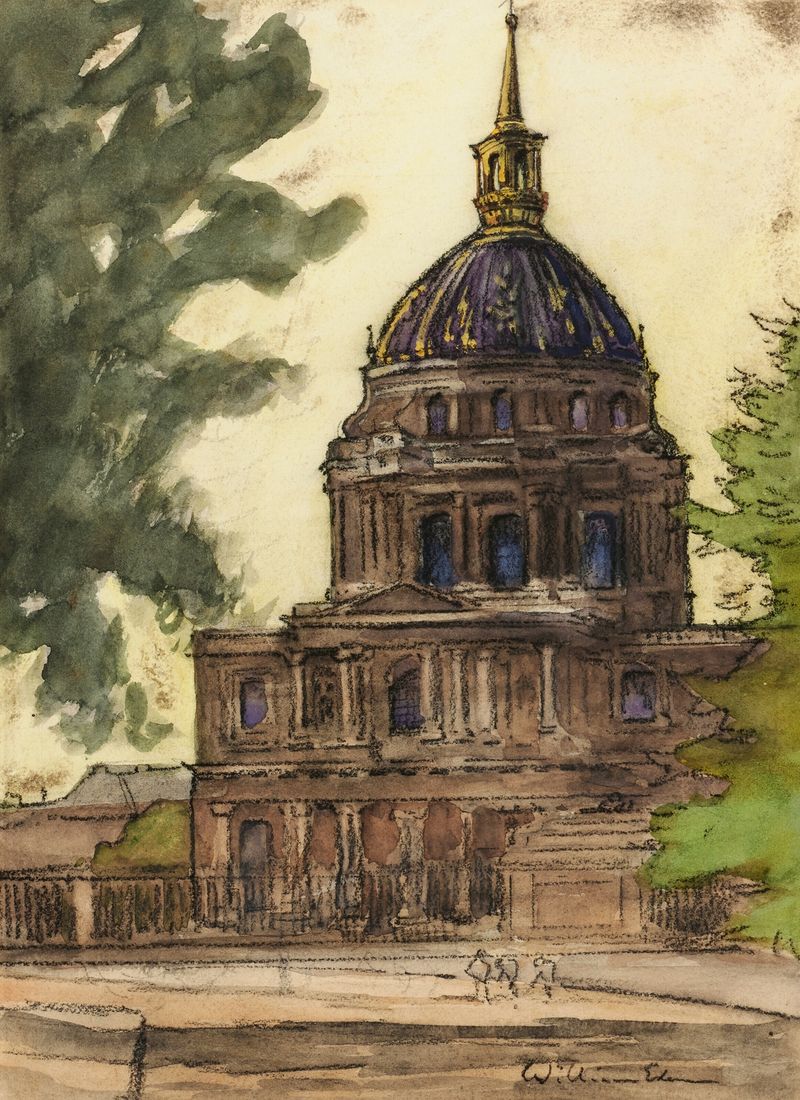
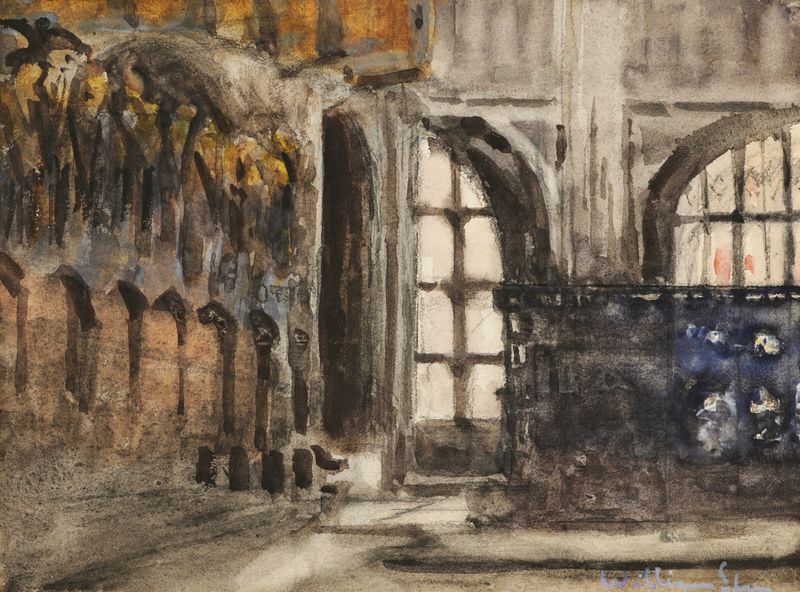
In this ethereal quiet, we find a sanctuary where every brushstroke whispers of renewal and rebirth. The process of creation transforms the tumult of life into a sacred tranquility, inviting viewers to reflect on their own journeys of restoration. Look to the left at the gentle archway that beckons with soft light filtering through stained glass, casting vibrant hues upon the worn stone floor. The interplay of shadows and illumination creates a dance between the sacred and the mundane, while the delicate detailing in the architecture draws you deeper into the reverent space.
Notice how the muted color palette—earthy browns and soft golds—evokes a sense of history, grounding the viewer in the timelessness of faith and reflection. Amidst the stillness, subtle contrasts emerge—the juxtaposition of solid, imposing structures against the ephemeral light hints at the duality of human experience: our challenges and triumphs. The quietude of the interior offers a momentary escape, yet the flickering colors reveal the vibrancy of life that exists beyond these walls. This tension between the sacred space and the lively hues suggests a journey from despair to hope, a reminder that rebirth often arises from the ashes of what has come before. Created during an uncertain period in his life, the work reflects the artist's quest for meaning and solace.
Painted in the late 19th century, a time of significant change in the art world, it resonates with the explorations of spirituality and emotion that many artists pursued. This piece stands as a testament to Eden’s ability to weave personal introspection into the broader tapestry of artistic expression.