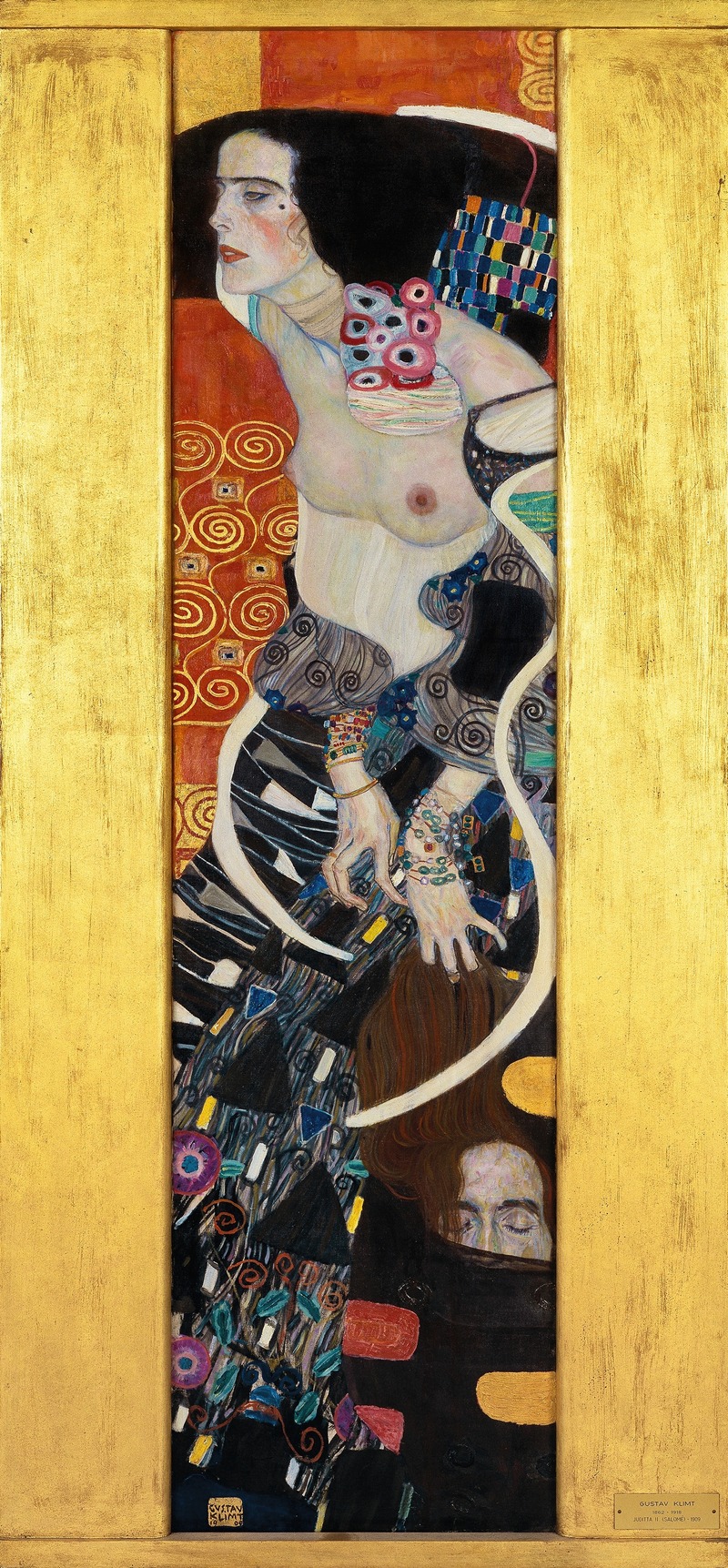
Discover insights about this artwork
Study for Aita tamari vahine Judith te parari II — History & Facts
In Study for Aita tamari vahine Judith te parari II, vibrant colors dominate the canvas. The figures are stylized, showcasing Gauguin's interest in Polynesian culture. The setting appears to be a tropical landscape, filled with lush vegetation.
This work captures a moment of cultural significance and personal expression. The painting is executed in oil on canvas, a medium that allows for rich color application. Gauguin's brushwork is visible, with bold strokes that create texture and depth. The composition is dynamic, with figures arranged in a way that draws the viewer's eye.
The use of color contrasts enhances the emotional impact of the scene. Paul Gauguin created this work during his time in Tahiti, where he sought to escape European society. This study reflects his fascination with the local culture and the role of women within it. An interesting fact about this work is that it serves as a precursor to his more famous pieces, showcasing his evolving style.
Gauguin's exploration of color and form in this painting laid the groundwork for future modern art movements.
More Artworks by Paul Gauguin
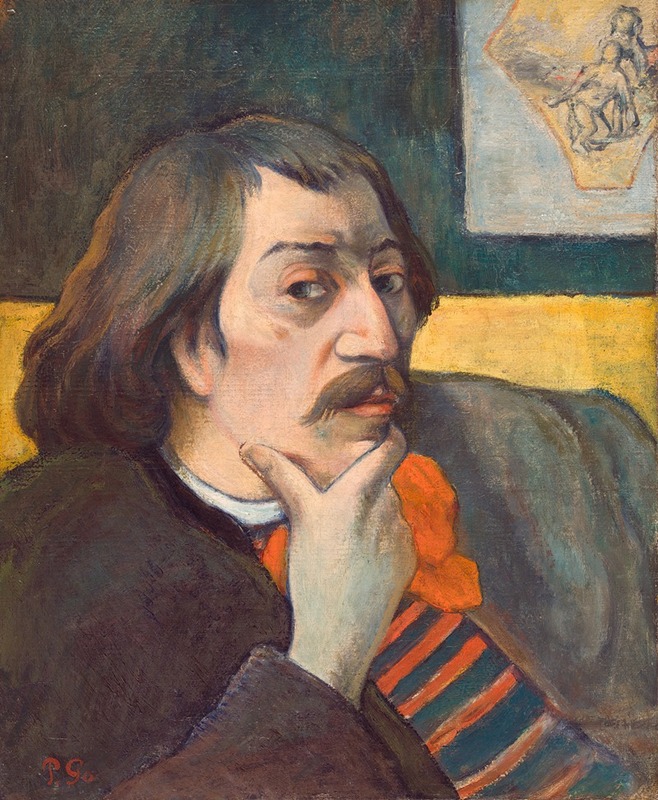
Self Portrait
Paul Gauguin
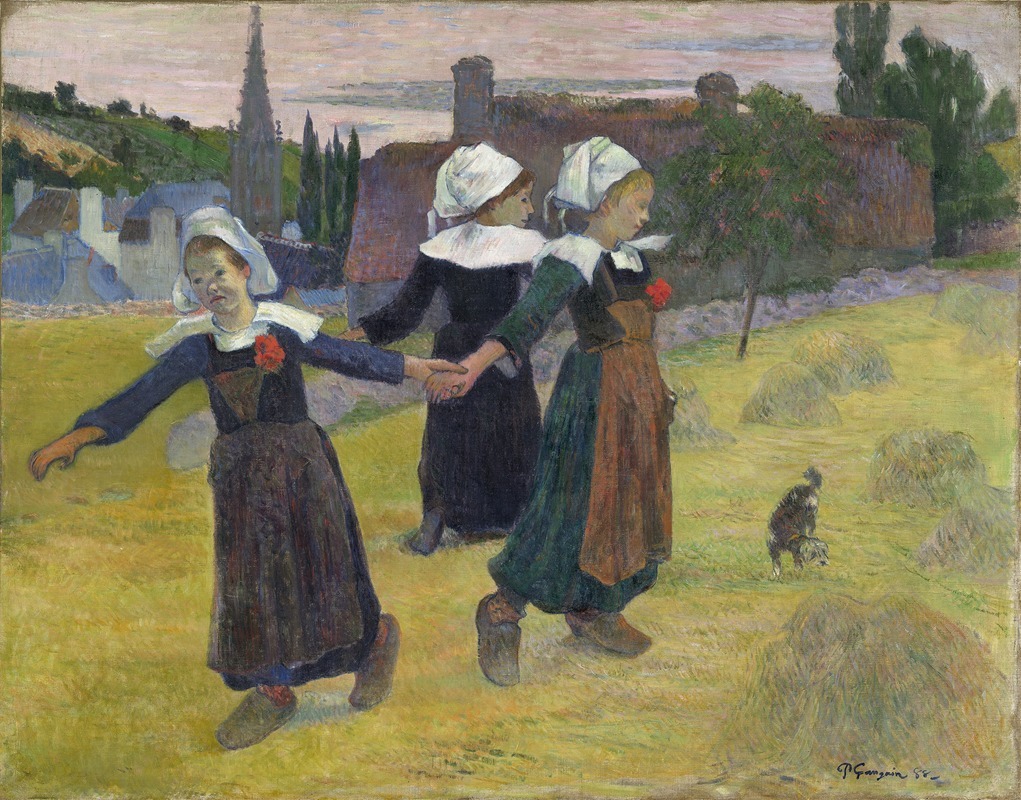
Breton Girls Dancing,Pont-Aven
Paul Gauguin
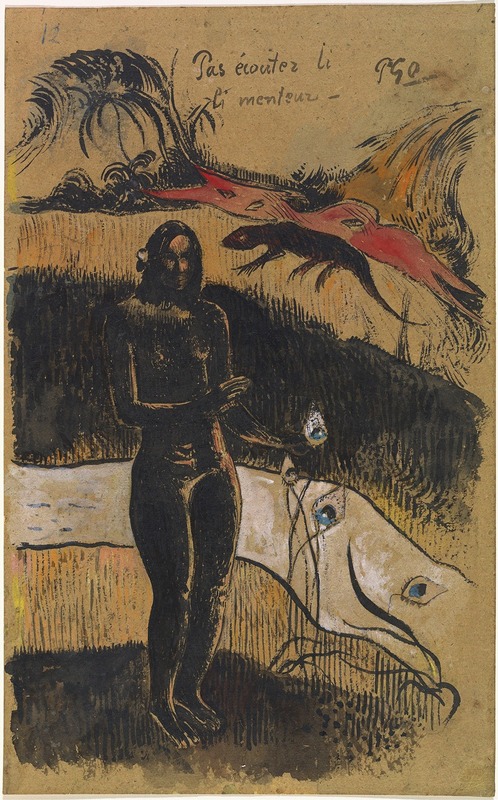
Nave Nave Fenua
Paul Gauguin
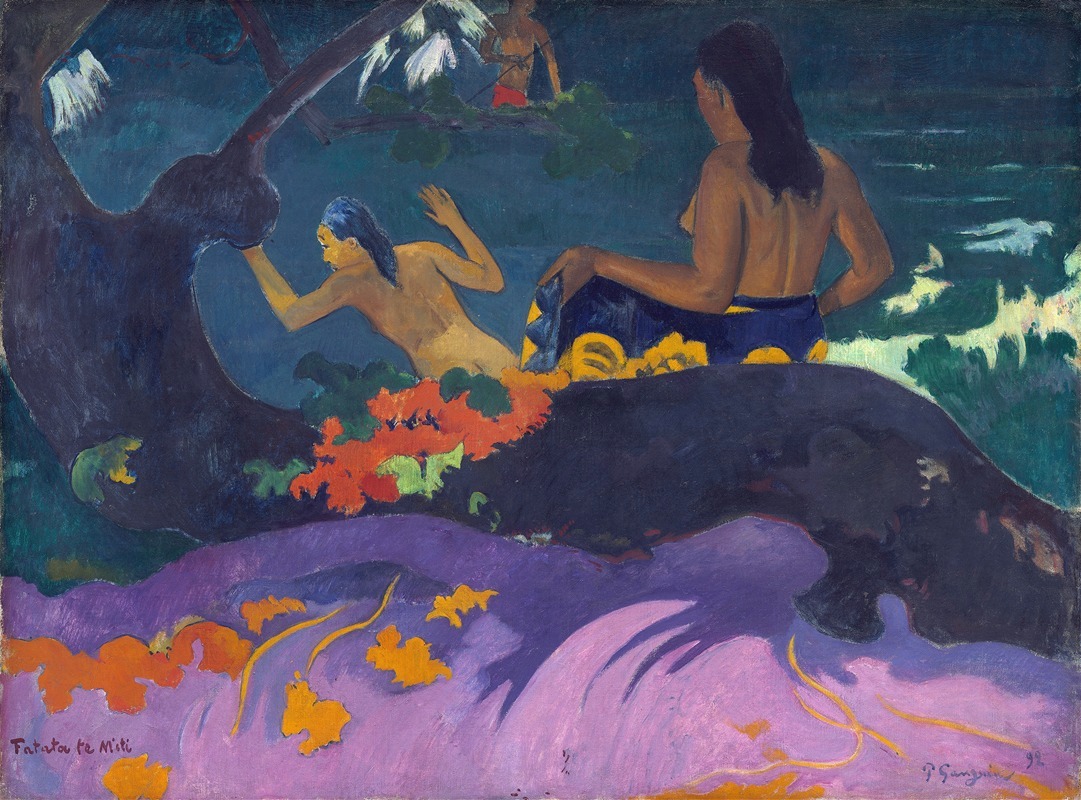
Fatata te Miti (By the Sea)
Paul Gauguin
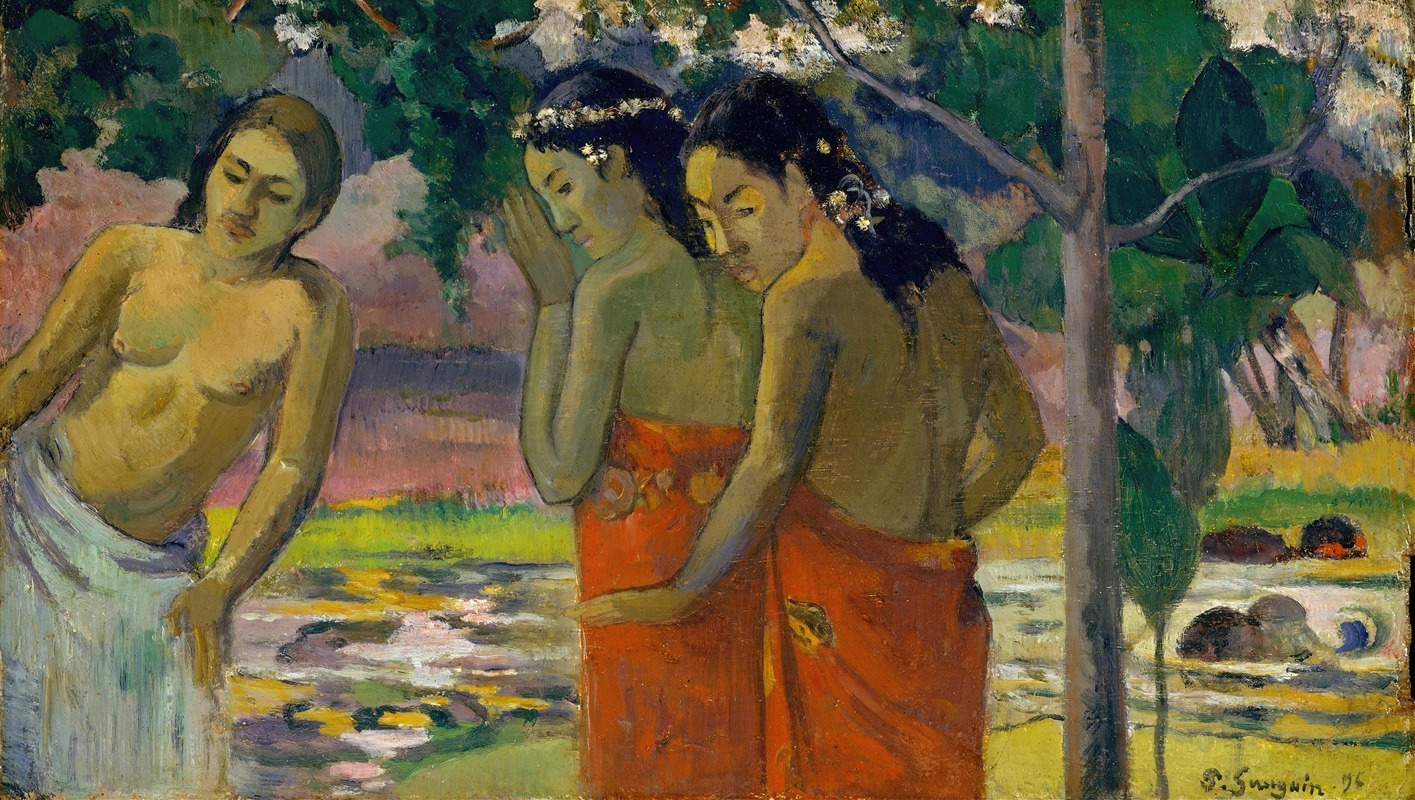
Three Tahitian Women
Paul Gauguin
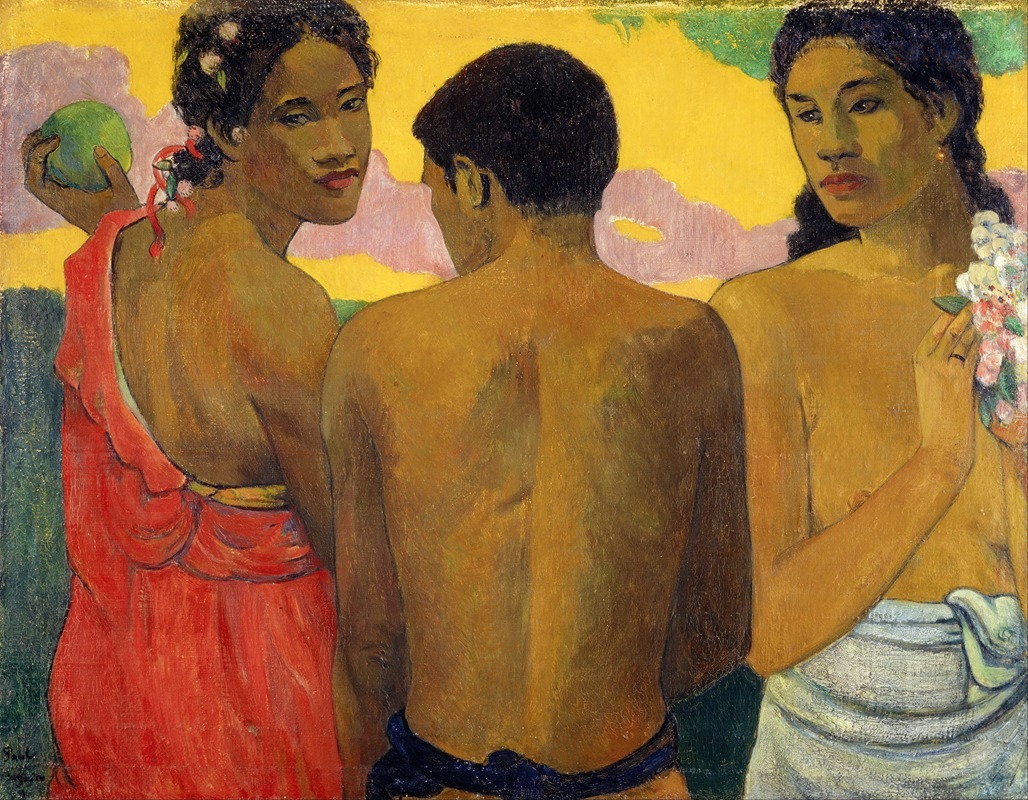
Three Tahitians
Paul Gauguin
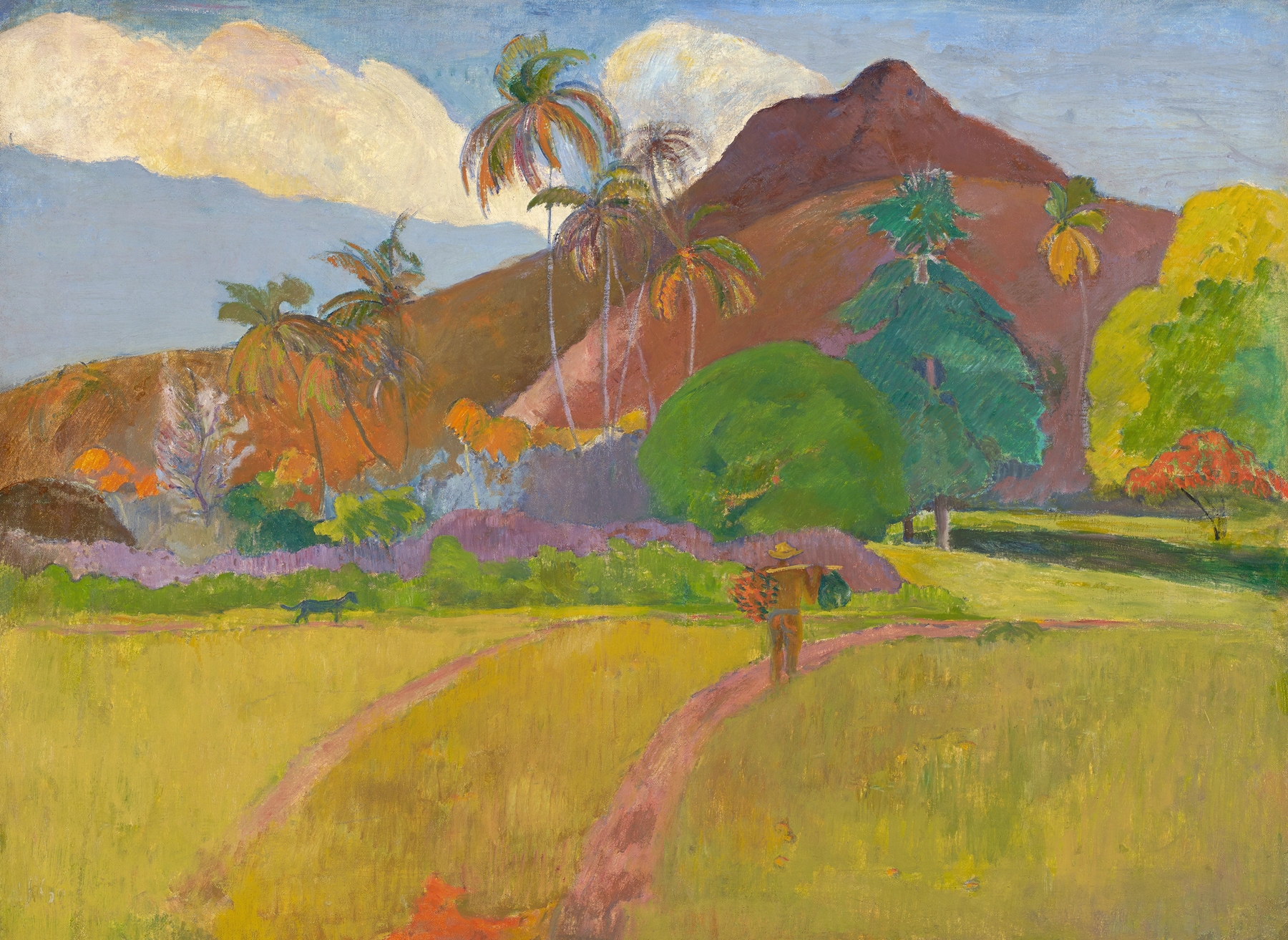
Tahitian Landscape
Paul Gauguin
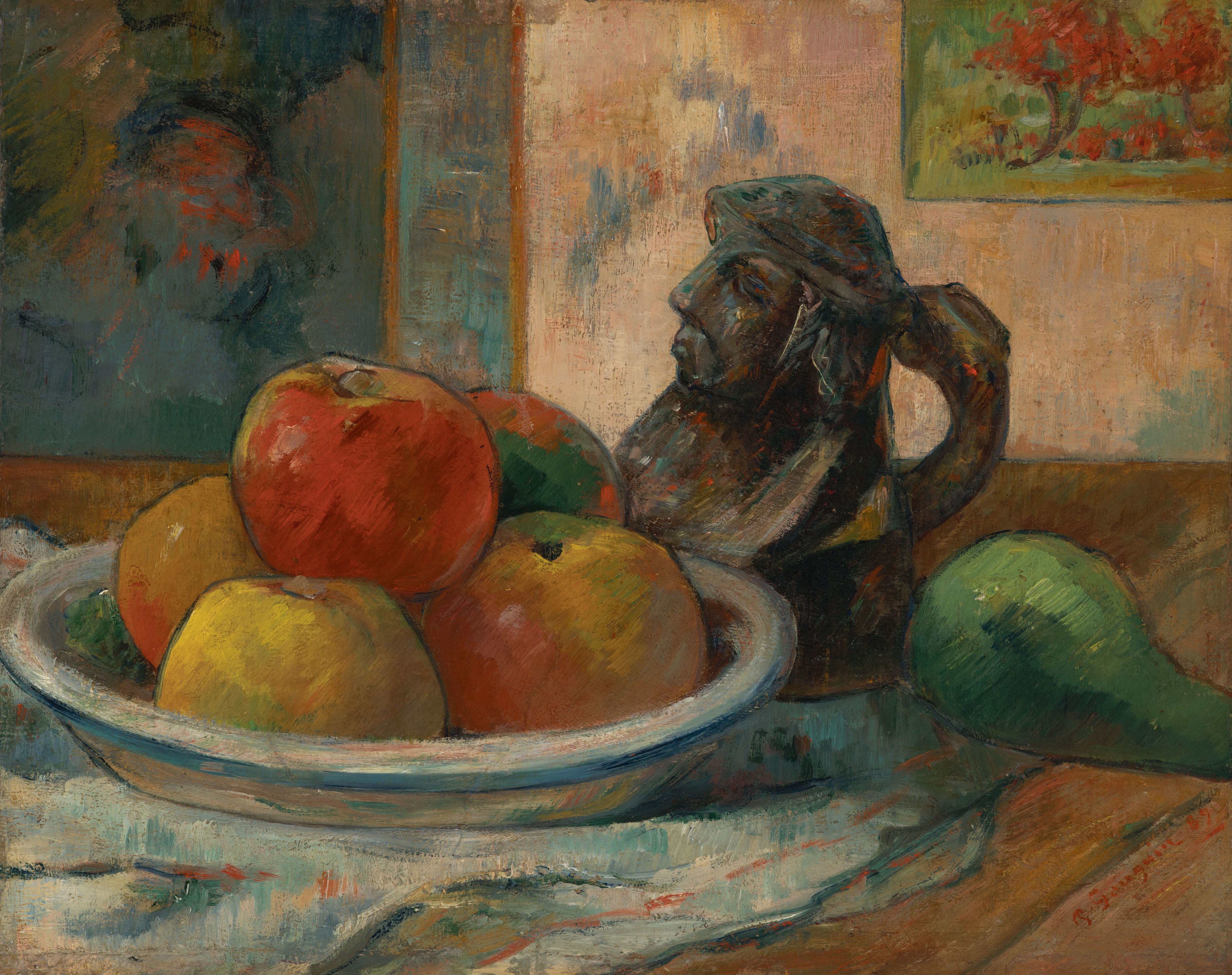
Still Life with Apples, a Pear, and a Ceramic Portrait Jug
Paul Gauguin
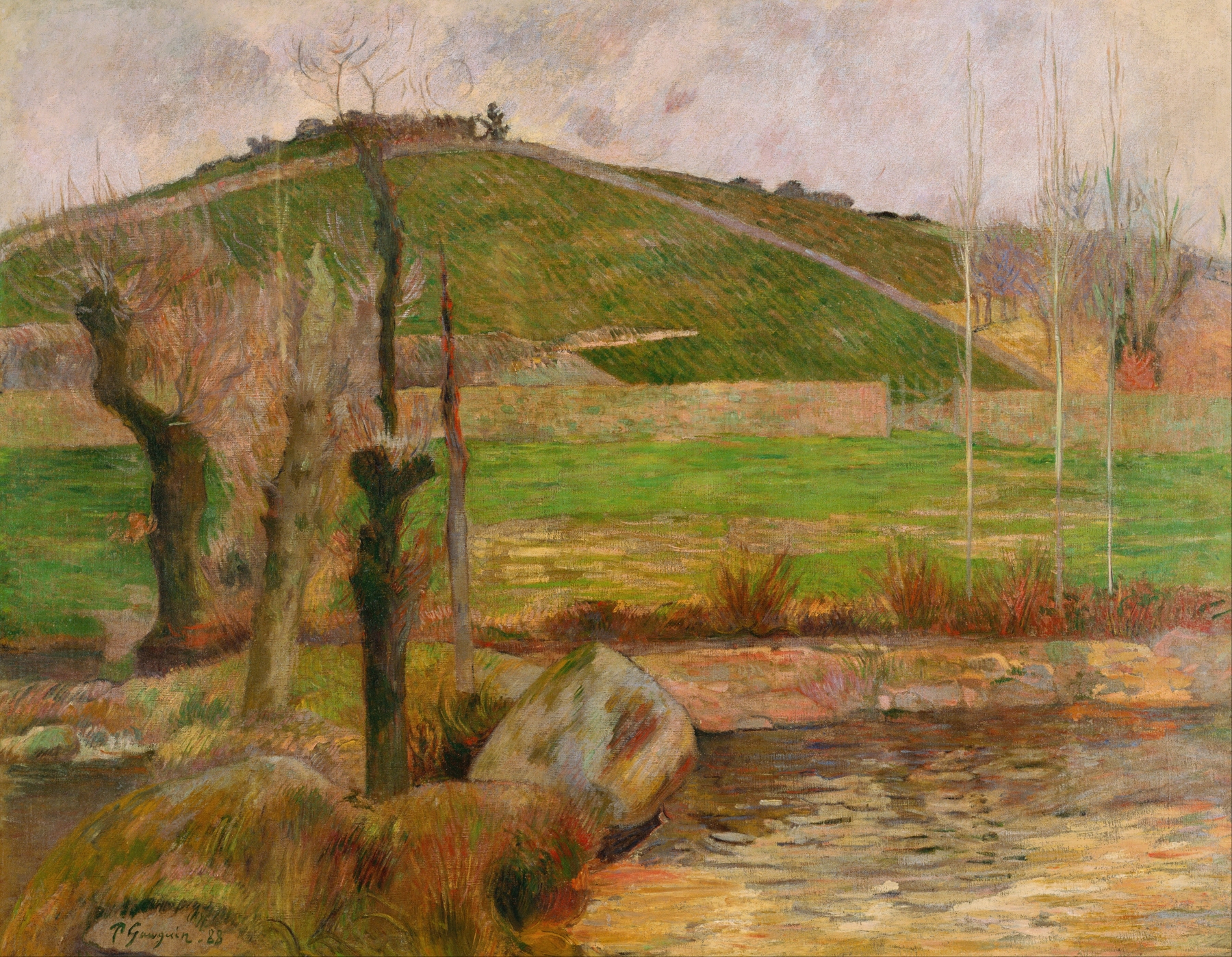
Landscape near Pont-Aven
Paul Gauguin

No te aha oe riri (Why Are You Angry?)
Paul Gauguin