
Study for "The Unveiling of Truth," Museum of Fine Arts, Boston — History & Facts
Where does light end, and longing begin? In the delicate interplay of shadow and illumination, we find the essence of movement captured within the brushstrokes of a master. Focus on the ethereal quality of the figures in Study for "The Unveiling of Truth." The light falls gently upon the foreground, illuminating the flowing drapery that envelops the central figure, almost as if it is in conversation with the lighter background. Notice how Sargent employs soft yet deliberate strokes, creating an aura of fluidity that invites the eye to dance along the contours of each garment. The composition is anchored by the poised stance of the figure, whose outstretched arm suggests a beckoning invitation to witness an unfolding revelation. As you delve deeper, consider the contrasting emotions woven into the fabric of the scene.
The lush colors evoke a sense of warmth and vitality, while the gentle tension in the figure’s gesture hints at an urgent desire for understanding or enlightenment. The interplay of light and shadow evokes both hope and uncertainty, symbolizing the delicate balance between knowledge and ignorance. Each detail, from the intricate folds of fabric to the subtle expressions, conveys a narrative of revelation, inviting viewers to contemplate their own journey toward truth. John Singer Sargent created this study between 1916 and 1921, during a tumultuous period marked by World War I and its aftermath.
Living in Europe, he experienced a shift in the art world, transitioning from the traditional academic styles he once mastered to a more modern approach that embraced nuance and emotion. This work reflects not only his artistic evolution but also the collective yearning for clarity and understanding in a world steeped in uncertainty.
More Artworks by John Singer Sargent
Browse all →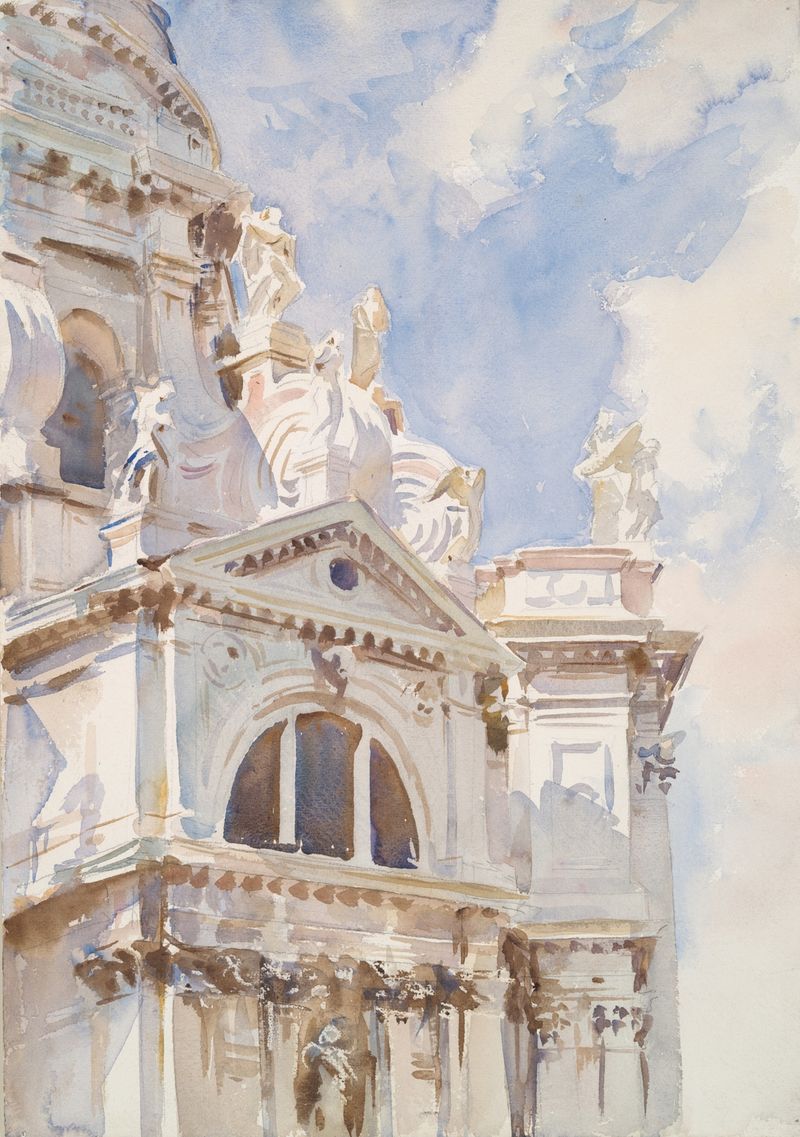
The Salute, Venice
John Singer Sargent

Mrs. Charles Deering (Marion Denison Whipple)
John Singer Sargent
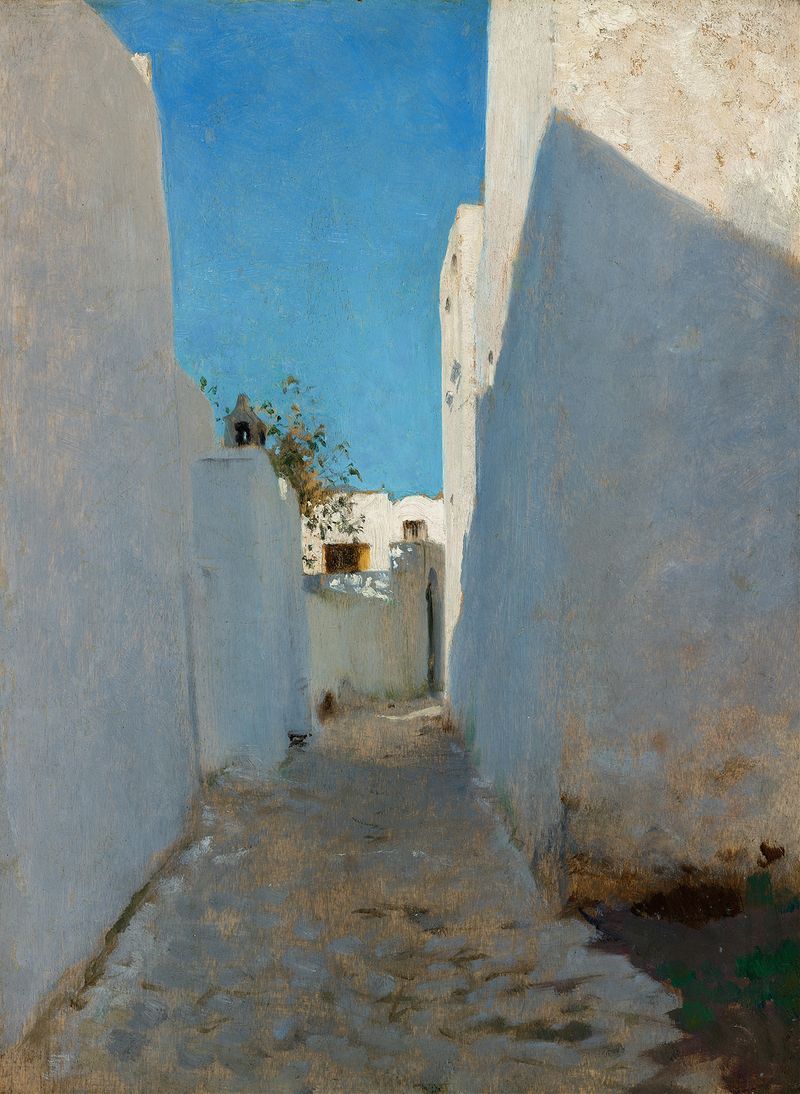
A Moroccan Street Scene
John Singer Sargent
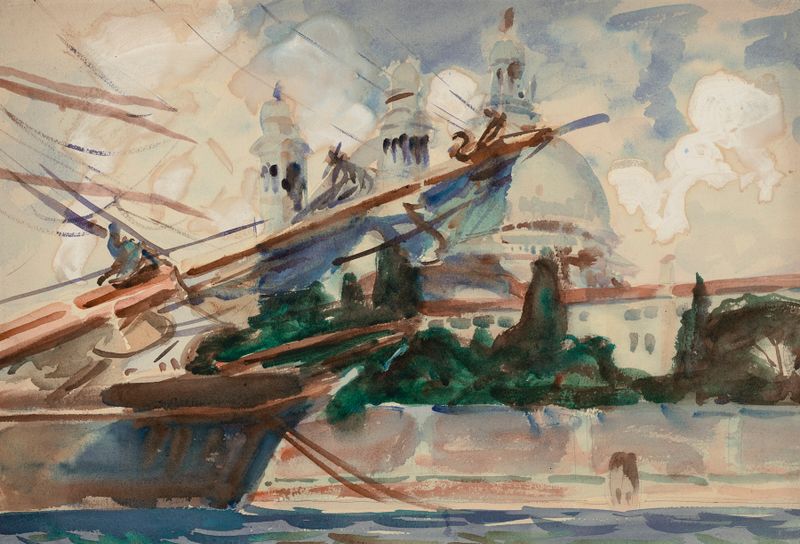
The Salute, Venice
John Singer Sargent
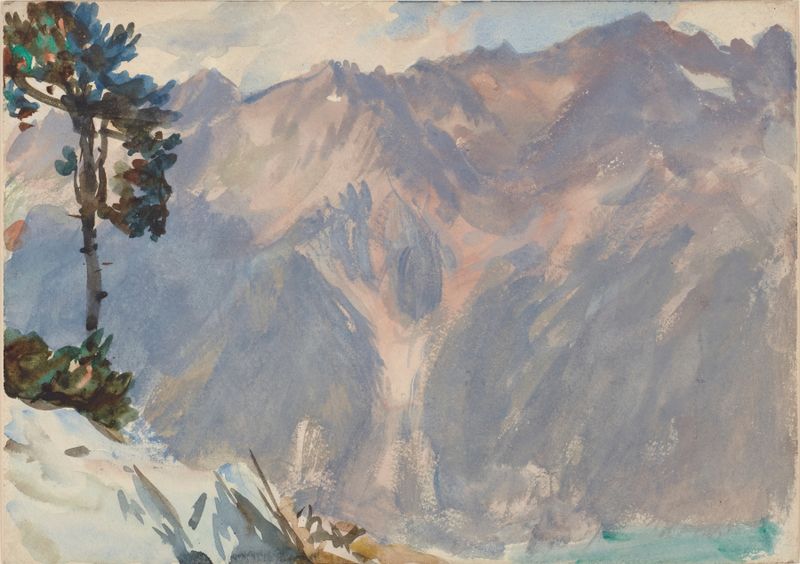
Tyrol
John Singer Sargent
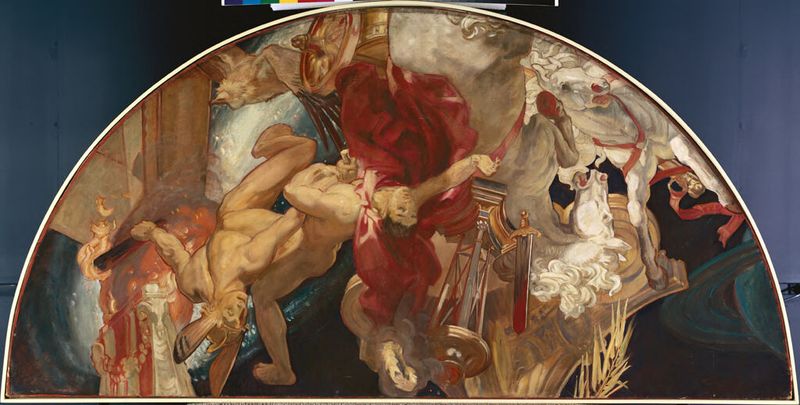
Study for "Gog and Magog," for the Boston Public Library
John Singer Sargent
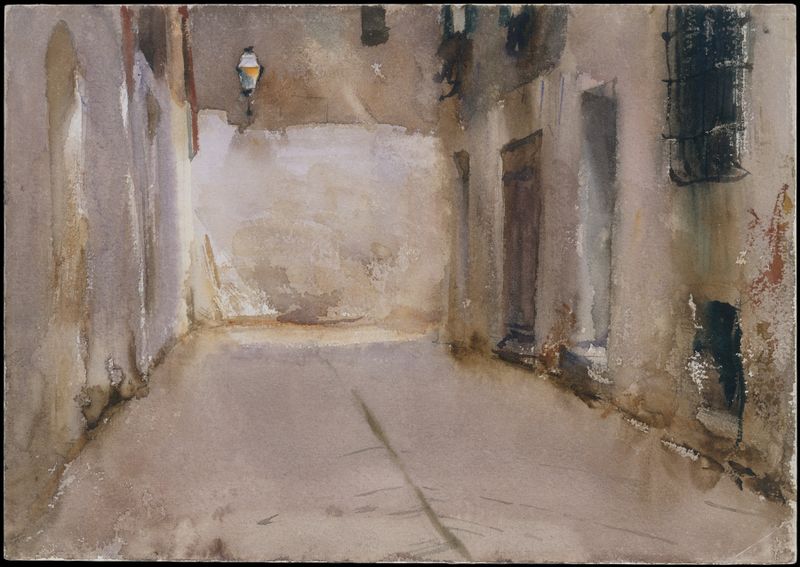
Venice
John Singer Sargent
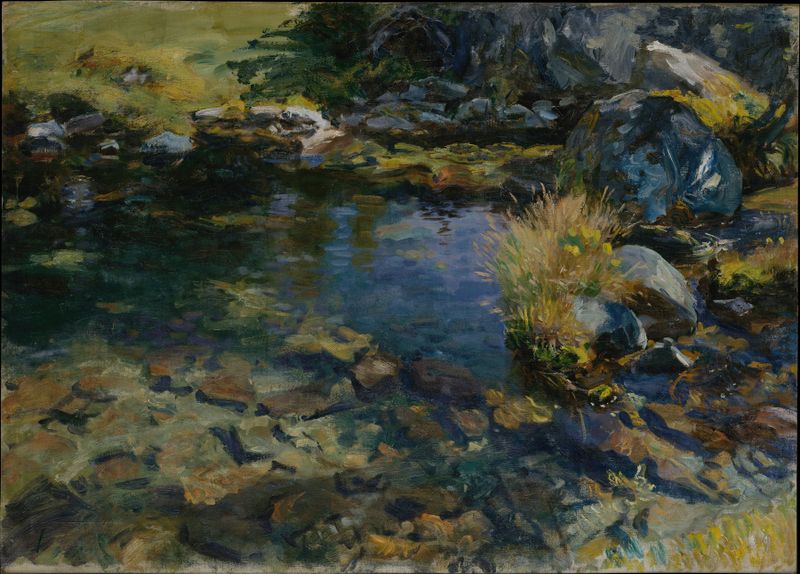
Alpine Pool
John Singer Sargent
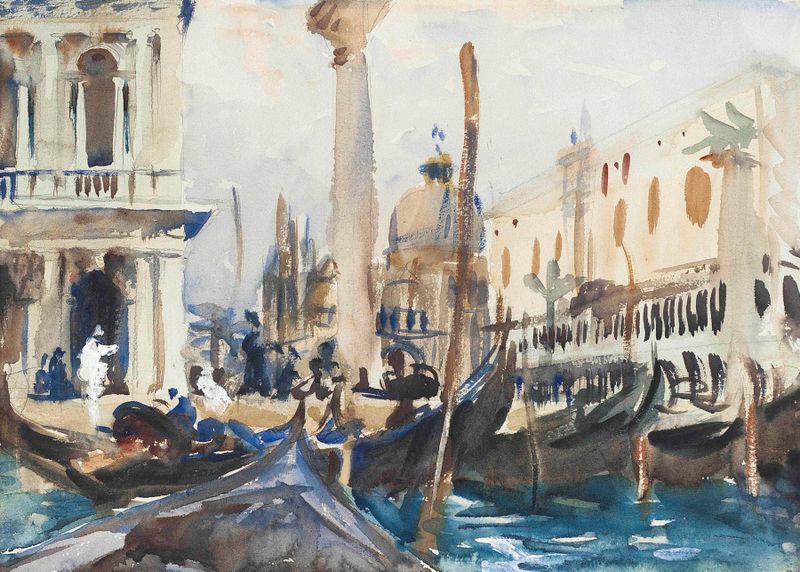
The Piazzetta with Gondolas
John Singer Sargent
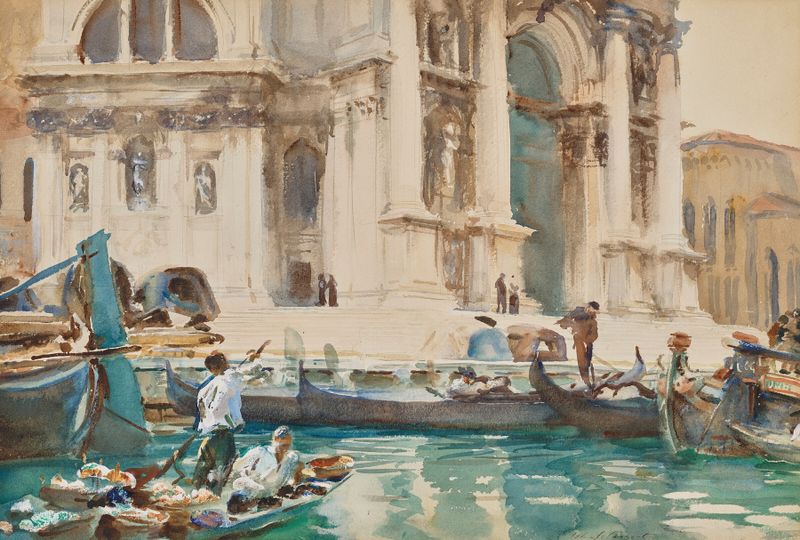
The Façade of La Salute, Venice
John Singer Sargent





