
Study from Podolia 6 — History & Facts
When did color learn to lie? In Study from Podolia 6, the brush strokes whisper secrets, revealing a truth that transcends the earthly realm. Look to the center of the canvas, where a luminous figure emerges from a vibrant landscape, both inviting and otherworldly. The use of soft pastels and deep hues creates a striking contrast, drawing the eye to the ethereal presence that seems to float above the ground. Notice how the light dances around this figure, illuminating the intricate details of the drapery and casting gentle shadows that suggest movement.
The composition encapsulates a moment frozen in time, where the divine intertwines with the mundane. Delve deeper, and you’ll find emotional tensions embedded in the juxtaposition of the earthly landscape and the celestial figure. The vibrant greens and browns of the surrounding nature reflect the vitality of life, yet they are overshadowed by the otherworldly glow of the figure—an embodiment of divinity. The subtle expressions and gestures of the figure evoke an aura of serenity, contrasting with the dynamic energy of the natural world, prompting contemplation on the relationship between humanity and the divine. In 1881, at a time when the art world was shifting with the rise of Impressionism, Jan Ciągliński was exploring his unique vision in the heart of Europe.
Working in Paris but rooted in the traditions of his Polish heritage, he sought to meld the vibrancy of color with spiritual themes. This painting, created during a period of personal and artistic exploration, reflects his quest to capture not just the beauty of nature, but the divine essence within it.
More Artworks by Jan Ciągliński
Browse all →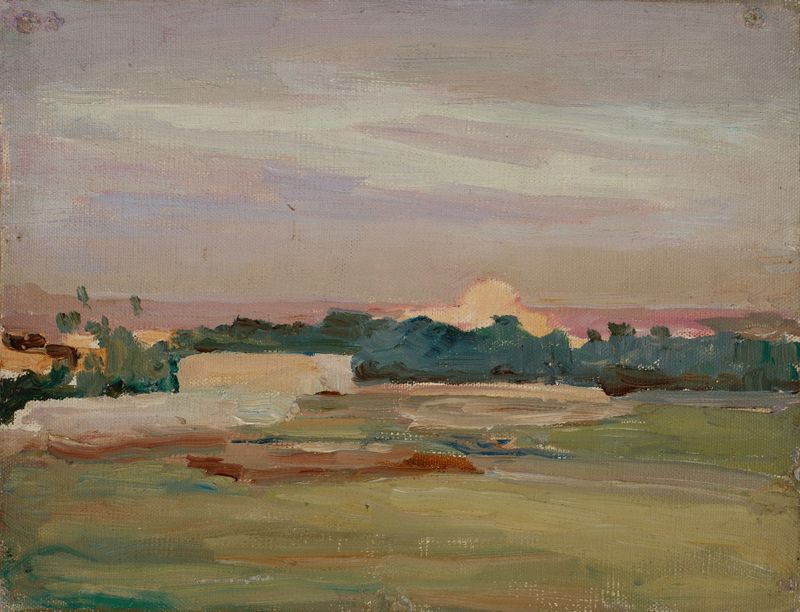
The Sirocco
Jan Ciągliński
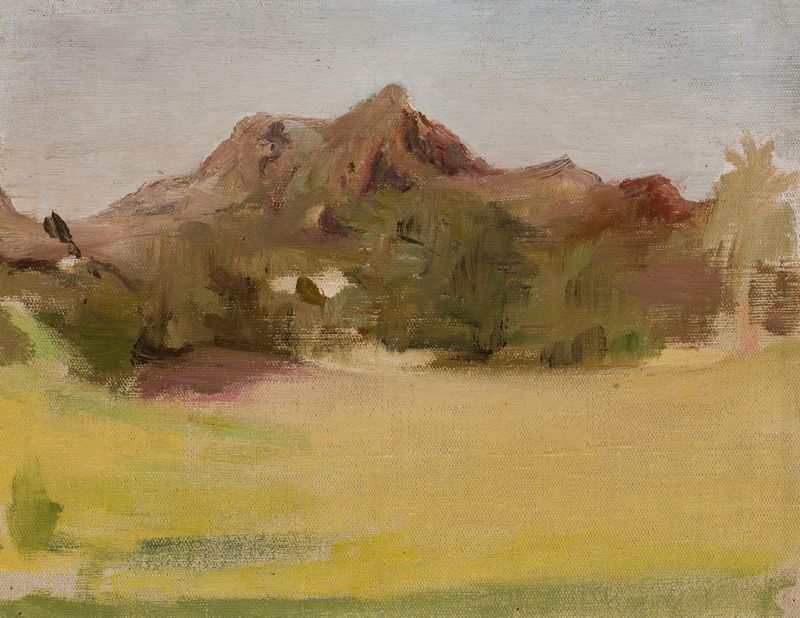
Mountain landscape. From the journey to India
Jan Ciągliński
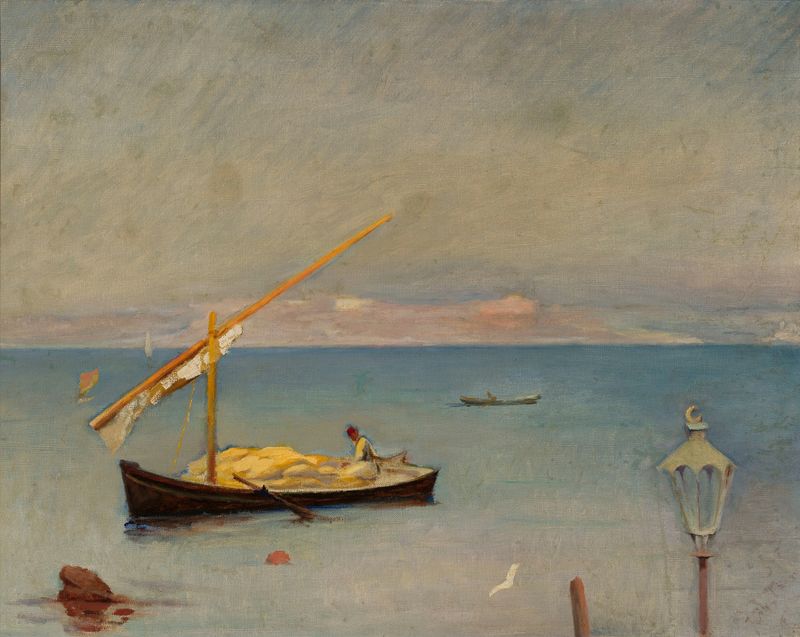
At Bosporus
Jan Ciągliński
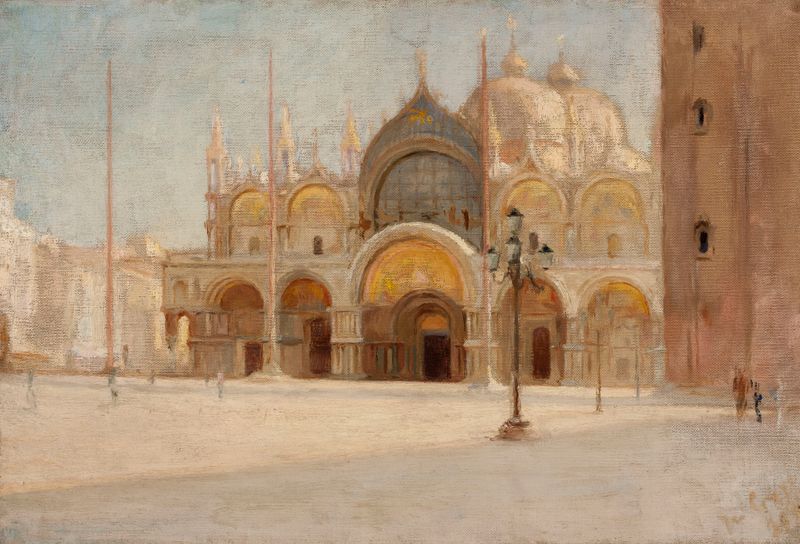
St Mark’s Square in Venice
Jan Ciągliński
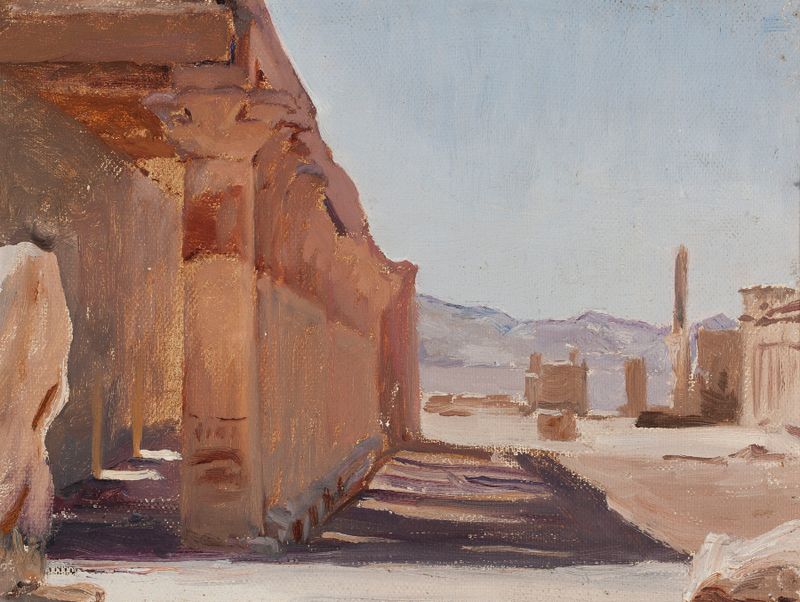
Temple. From the journey to Egypt
Jan Ciągliński
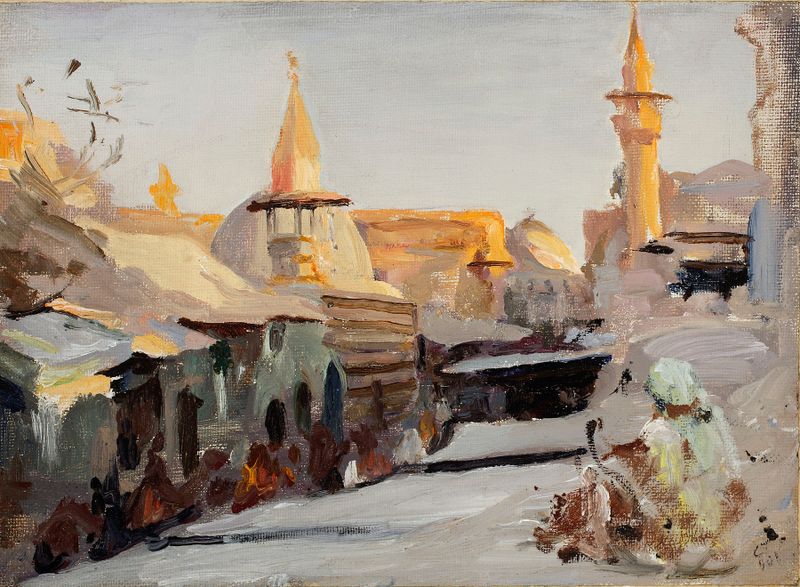
Street in Damascus. From the journey to Palestine
Jan Ciągliński
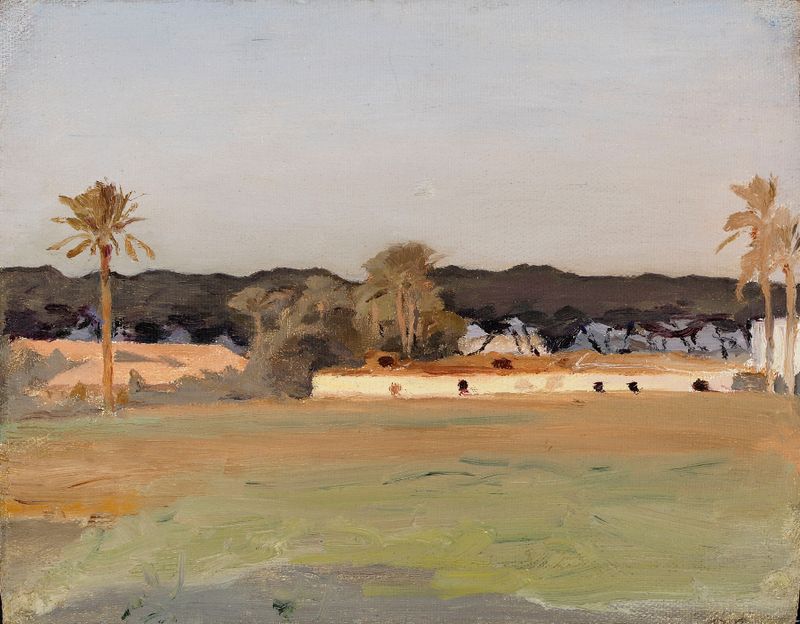
Evening. From the journey to Egypt
Jan Ciągliński
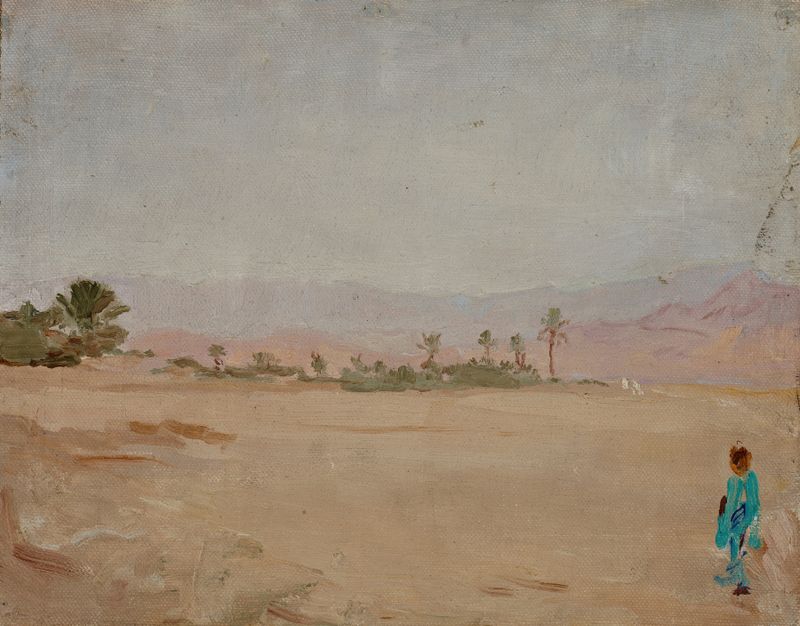
Sahara (Desert)
Jan Ciągliński
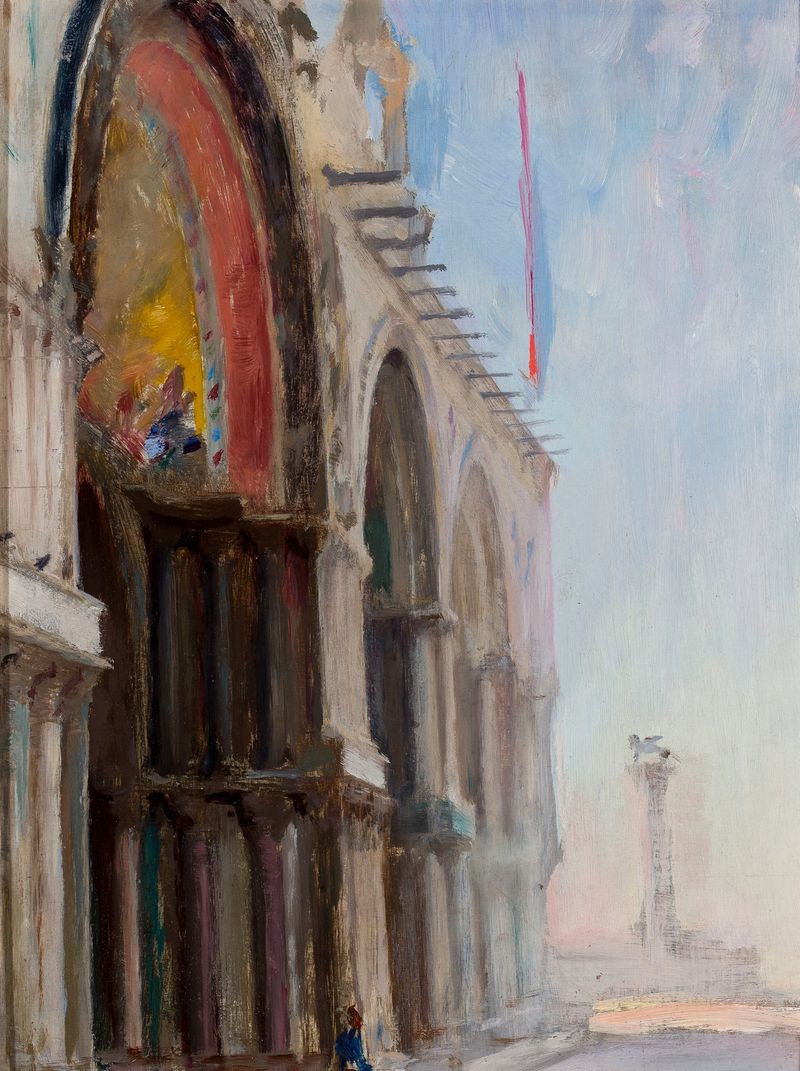
Venice – San Marco. From the journey to Italy
Jan Ciągliński
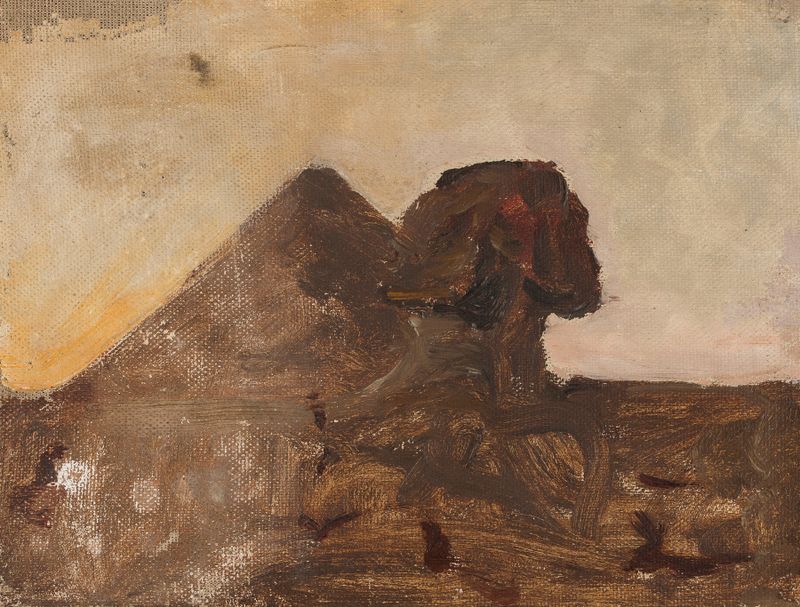
Evening in the desert – Sphinx and pyramid. From the journey to Egypt
Jan Ciągliński





