
Study from the journey to India — History & Facts
Within the intricate layers of Jan Ciągliński's Study from the Journey to India, the tension of violence simmers beneath a surface of vibrant hues. Each brushstroke pulsates with an energy that invites contemplation, urging the viewer to confront the complexity of human experience. Look closely at the central figure, where the interplay of light and shadow creates an almost sculptural quality. It draws the eye immediately, the subtle gradations of color revealing a world of emotions.
Notice how the bold reds clash with the earthy tones, suggesting a raw vitality, while the delicate highlights reflect the fragility of the moment. Surrounding elements swirl with an almost frenetic dynamism, contrasting with the stoic posture of the figure, enhancing the sense of impending conflict. Beneath the surface, the artwork grapples with themes of violence and serenity. The juxtaposition of the striking colors and the tension in the figure's stance speaks to a wrestling with inner demons and external chaos.
This dichotomy suggests a deeper narrative — one of cultural encounters, perhaps, fraught with misunderstanding and potential conflict. The tension within the canvas acts as a mirror, reflecting the unspoken struggles that linger beneath the surface of human interactions. In 1907, while painting Study from the Journey to India, Ciągliński was navigating a complex world shaped by colonial influences and burgeoning modernism. Living in Paris yet deeply inspired by his travels, he sought to capture the essence of far-flung cultures, all while wrestling with the turbulence of his own identity as an artist.
This period marked a significant evolution in his work, as he blended traditional and contemporary styles, striving for a synthesis that would resonate with the complexities of the modern world.
More Artworks by Jan Ciągliński
Browse all →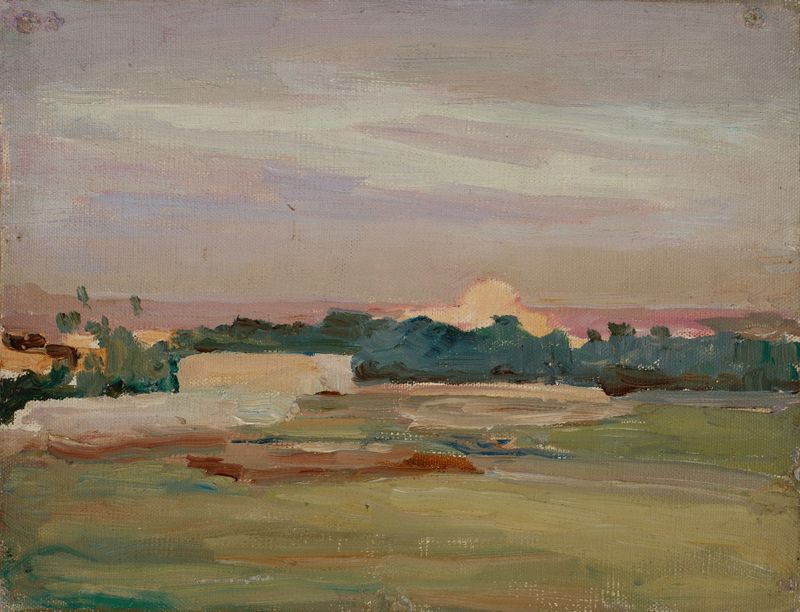
The Sirocco
Jan Ciągliński
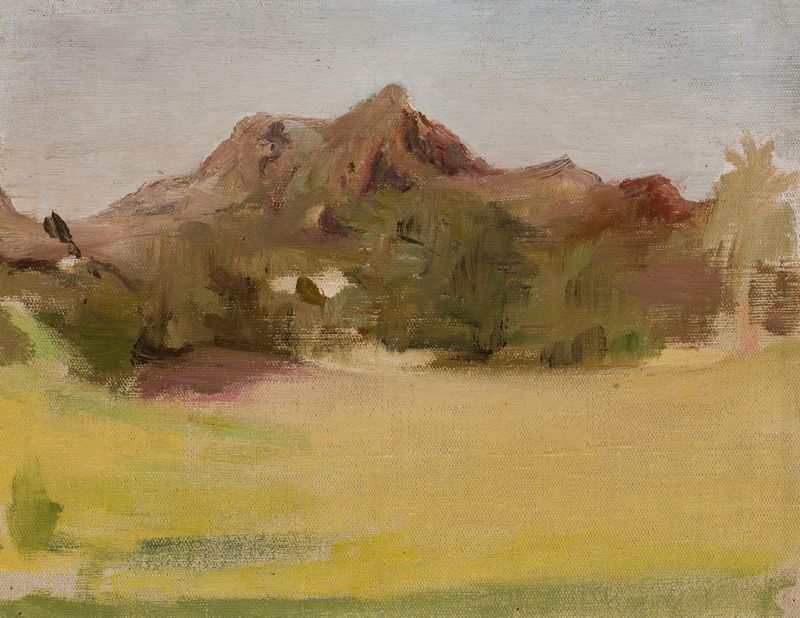
Mountain landscape. From the journey to India
Jan Ciągliński
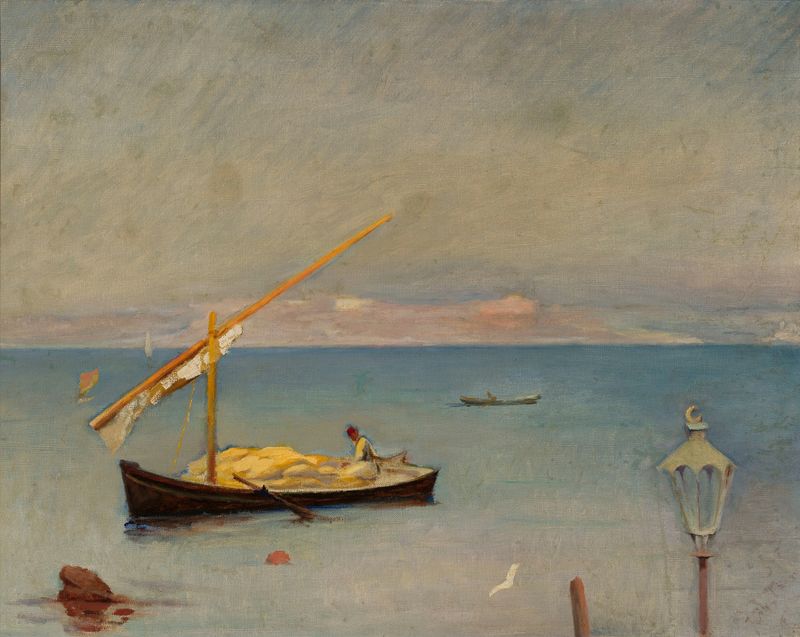
At Bosporus
Jan Ciągliński
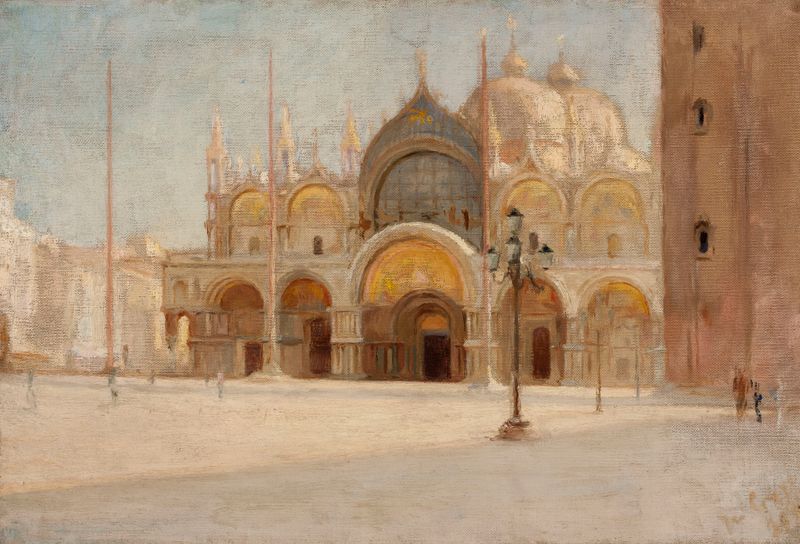
St Mark’s Square in Venice
Jan Ciągliński
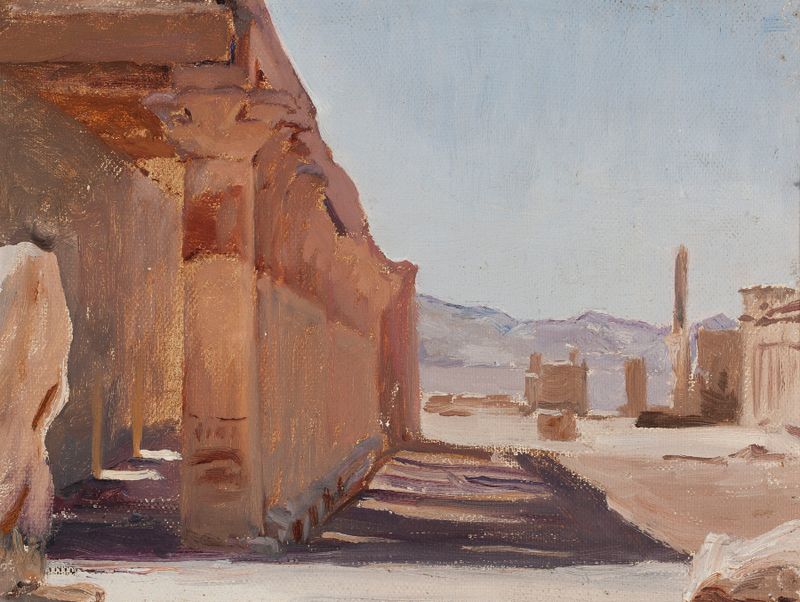
Temple. From the journey to Egypt
Jan Ciągliński
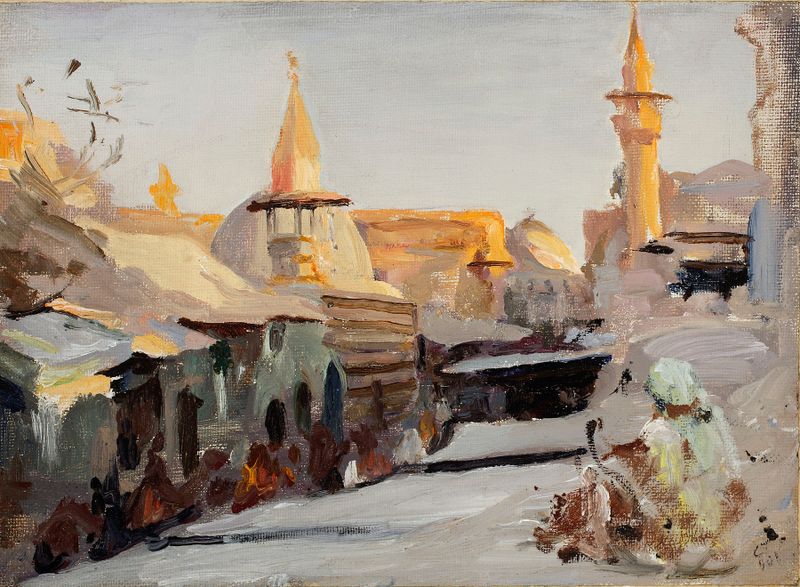
Street in Damascus. From the journey to Palestine
Jan Ciągliński
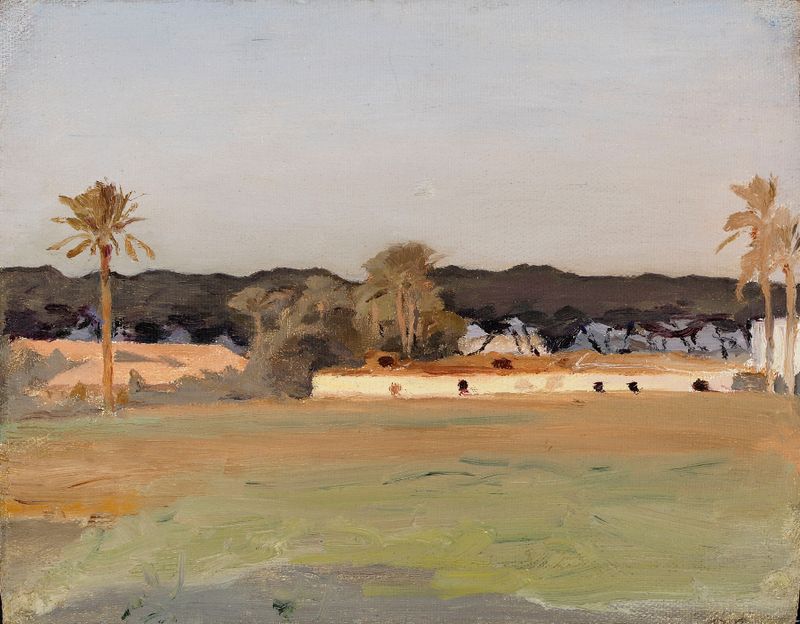
Evening. From the journey to Egypt
Jan Ciągliński
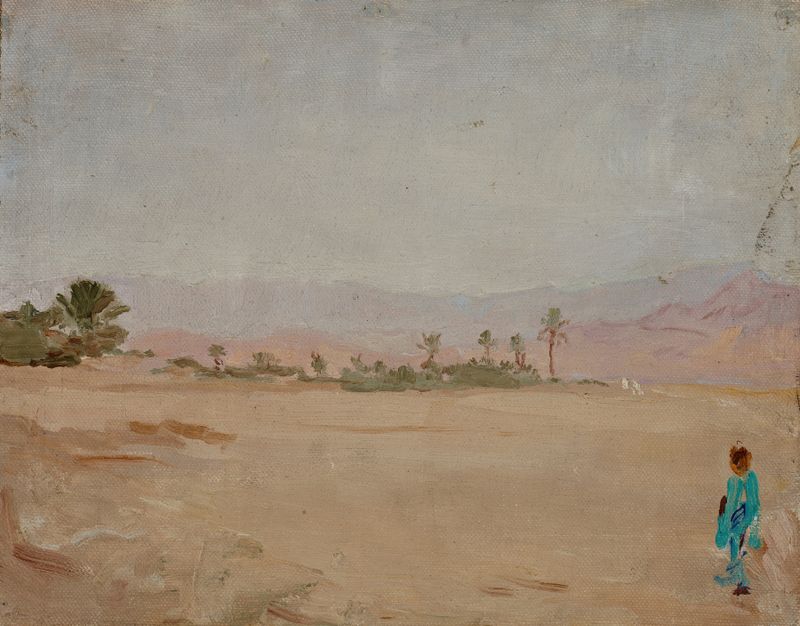
Sahara (Desert)
Jan Ciągliński
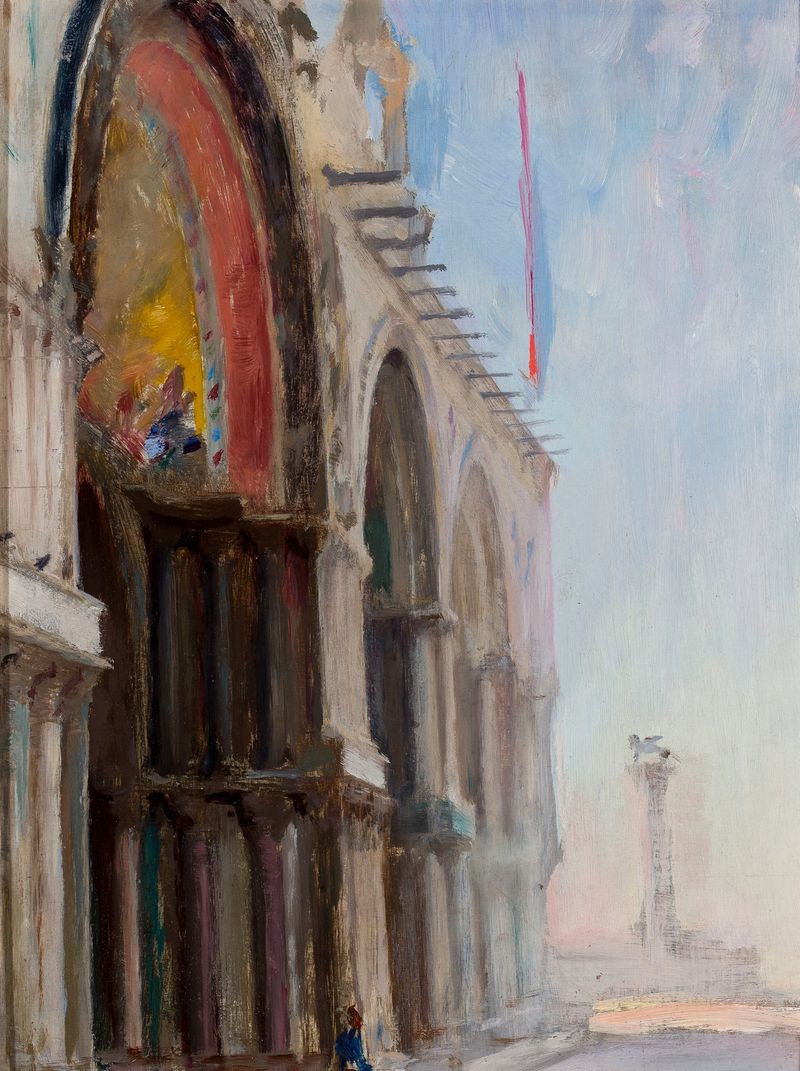
Venice – San Marco. From the journey to Italy
Jan Ciągliński
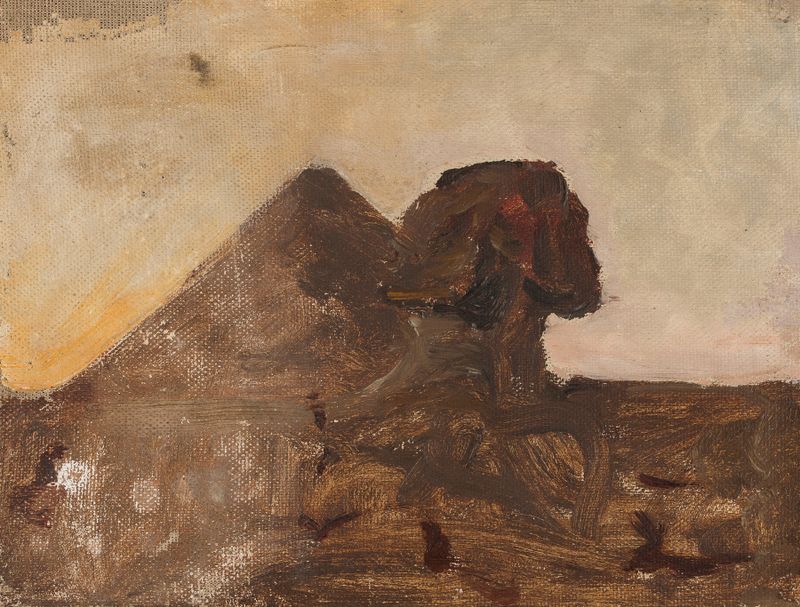
Evening in the desert – Sphinx and pyramid. From the journey to Egypt
Jan Ciągliński





