Study of a Mother and Child — History & Facts
In Study of a Mother and Child, William Bouguereau presents a tender scene featuring a mother holding her child. The painting is characterized by soft, warm colors, predominantly featuring shades of cream, pink, and brown. The figures are depicted with realistic detail, showcasing the mother's loving gaze and the child's innocent expression.
The background is softly blurred, focusing the viewer's attention on the intimate bond between the two figures. Bouguereau's technique is evident in the smooth application of oil paint, which creates a lifelike texture on the skin of the figures. The artist employs chiaroscuro to enhance the three-dimensionality of the subjects, making them appear almost tangible. The careful attention to detail in the clothing and facial features showcases Bouguereau's commitment to realism.
The composition is balanced, with the mother and child positioned centrally, drawing the viewer's eye. William Bouguereau, a prominent figure in 19th-century French art, was known for his realistic depictions of human figures. This particular work exemplifies his focus on maternal themes, which were popular during his time. Interestingly, Bouguereau often faced criticism for his traditional style, yet he maintained a devoted following.
Study of a Mother and Child reflects his ability to capture emotion and connection through his art.
More Artworks by William Bouguereau

A Study For The Secret
William Bouguereau
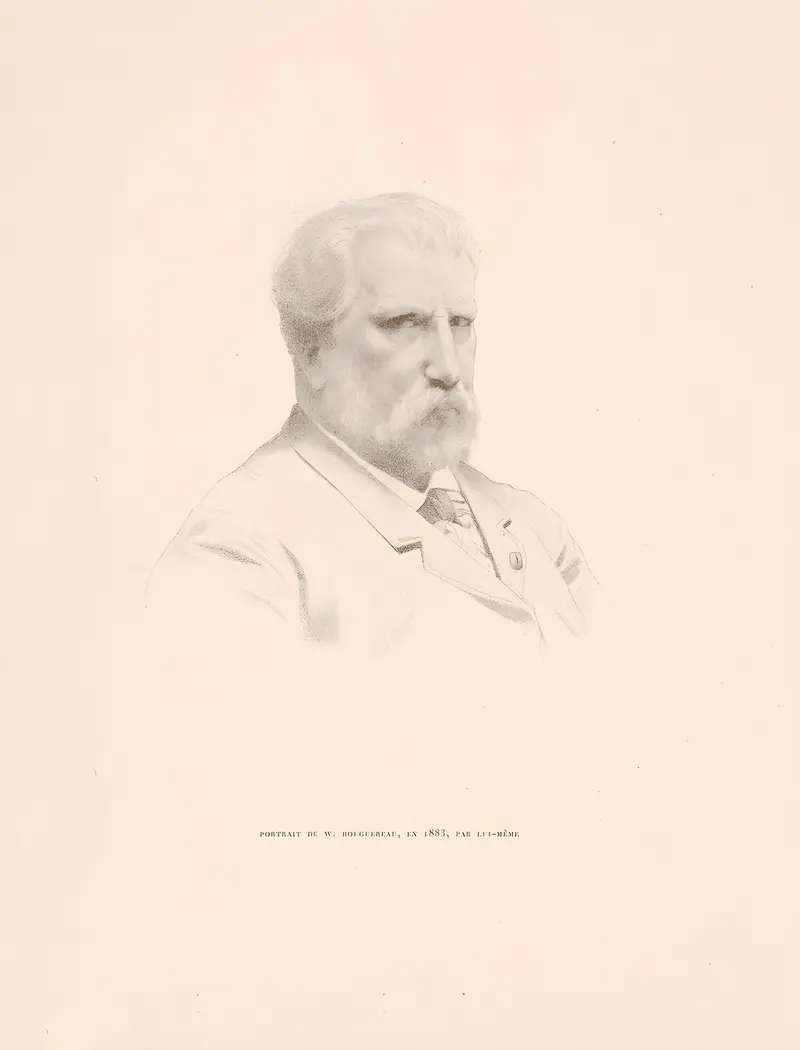
Portrait de W. Bouguereau, en l899
William Bouguereau
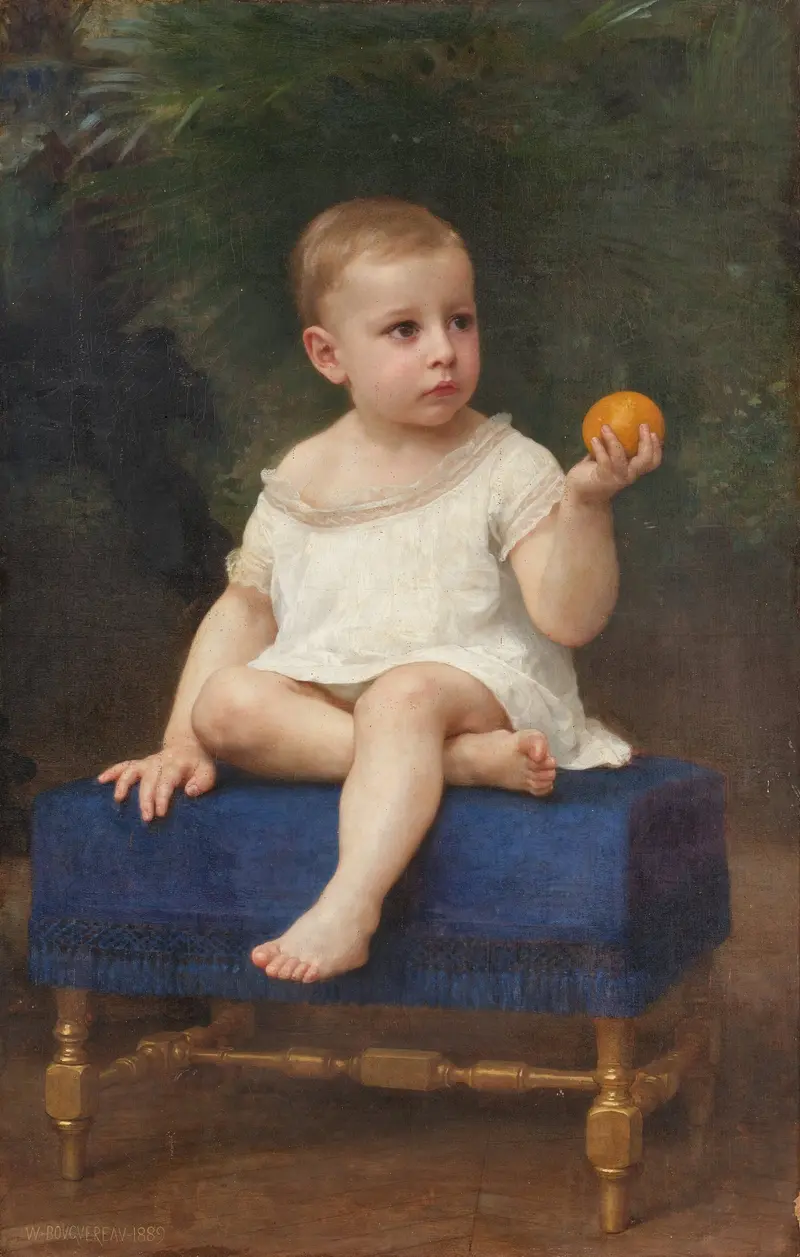
Portrait of a Child of Madame Porter
William Bouguereau
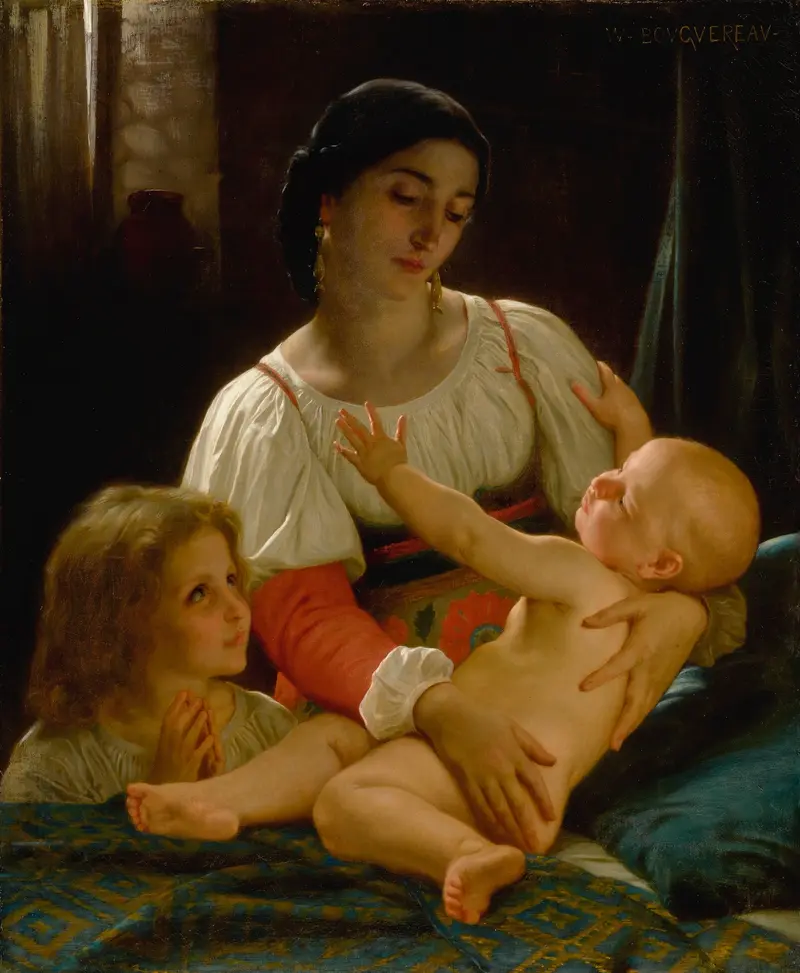
Le Réveil
William Bouguereau
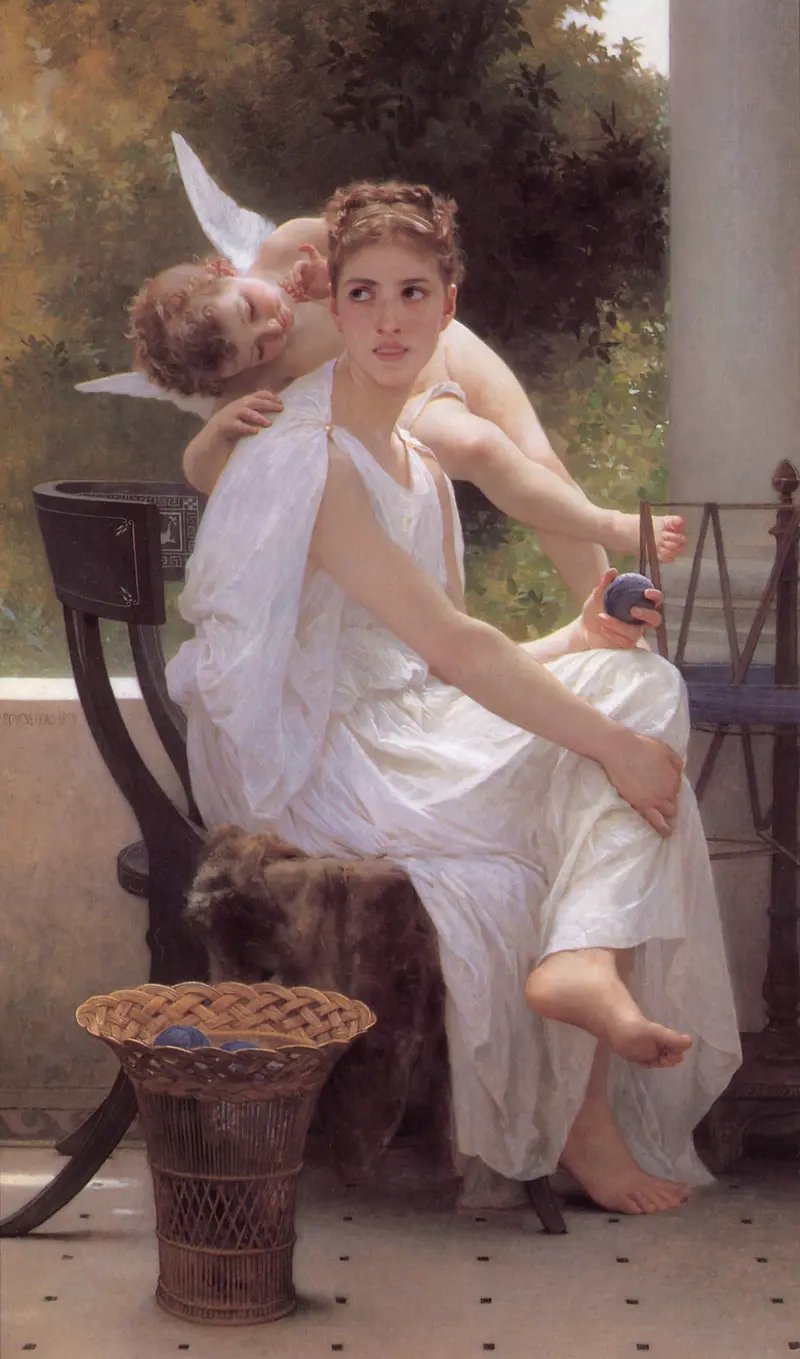
Le travail interrompu
William Bouguereau
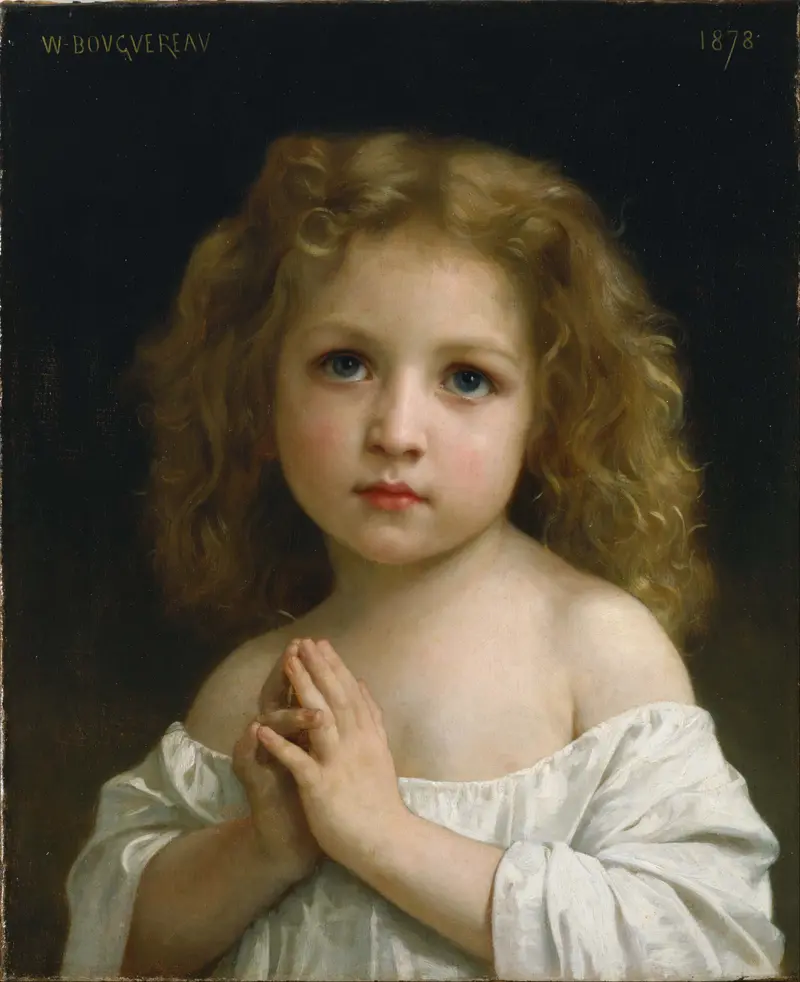
Little Girl
William Bouguereau
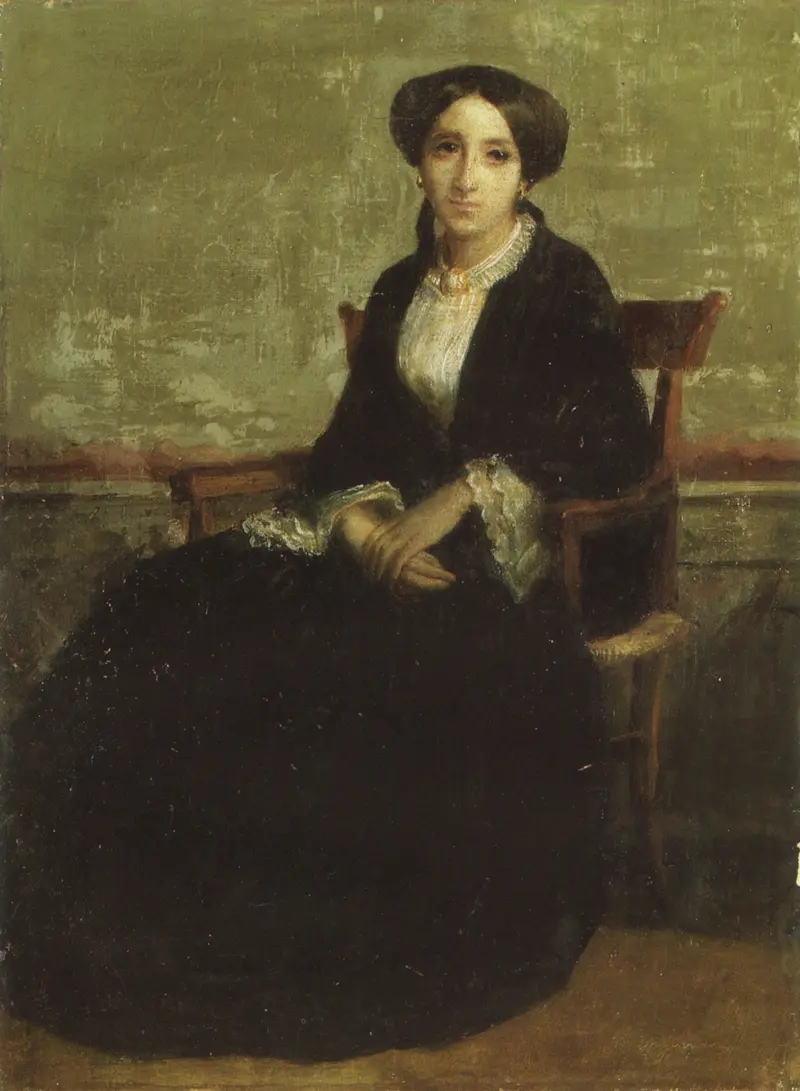
Portrait of Céline Geneviève
William Bouguereau

Bohémienne Au Tambour De Basque
William Bouguereau
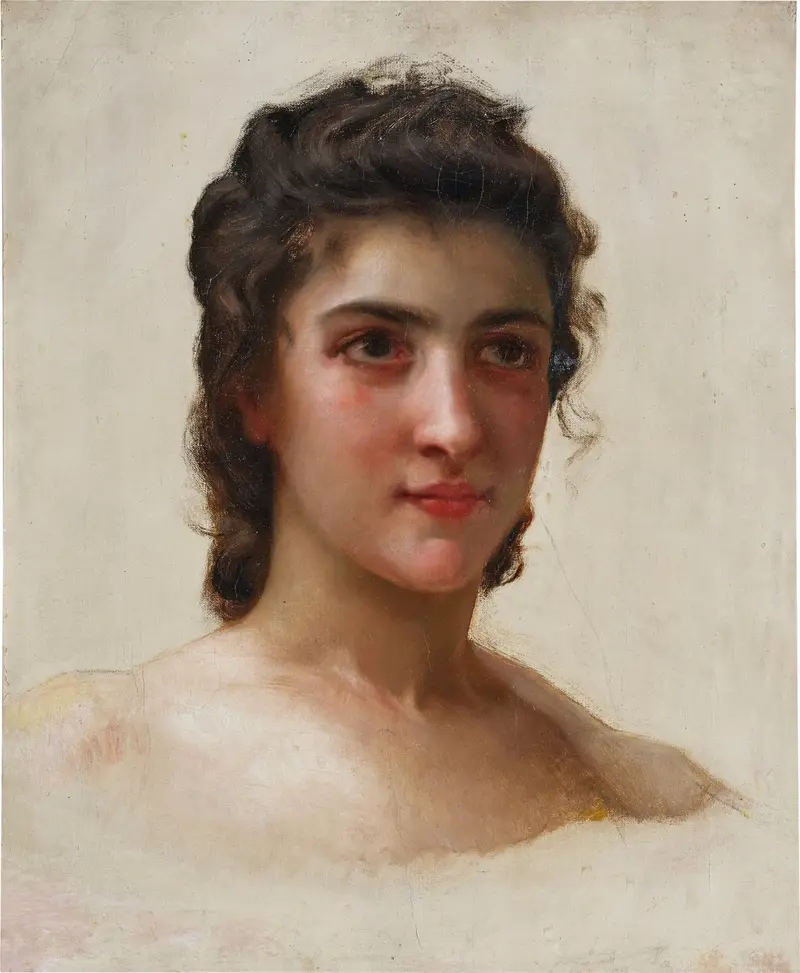
Portrait Study of Gabrielle Drunzer
William Bouguereau
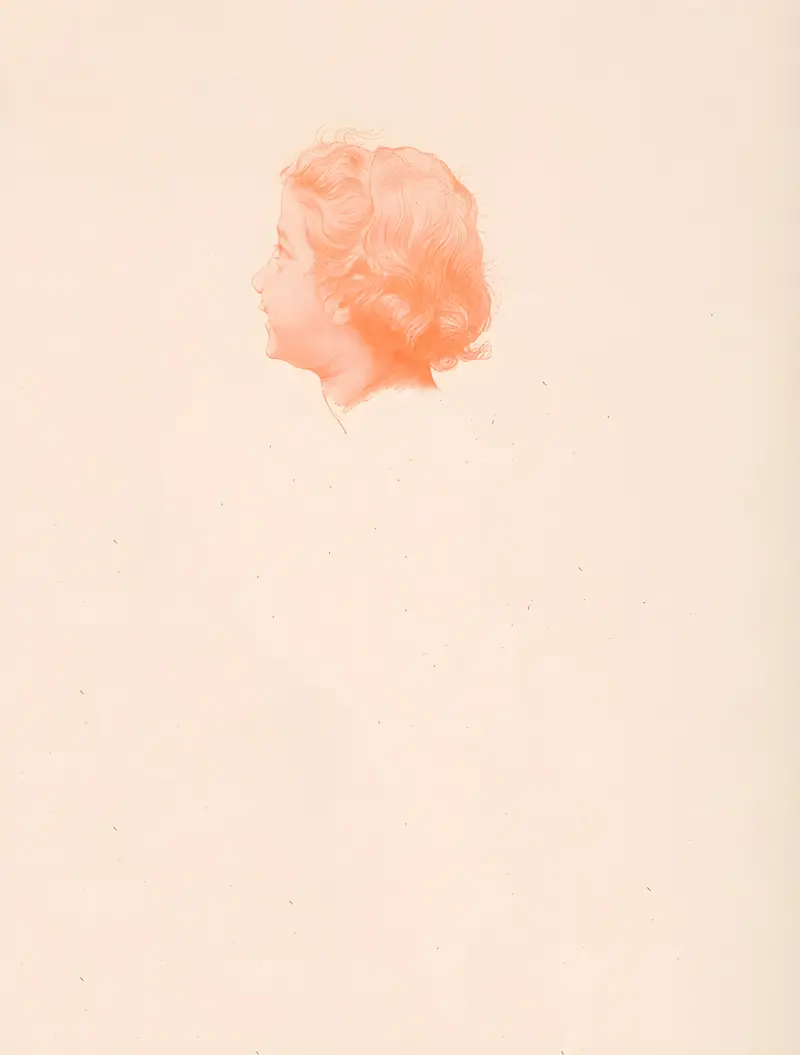
Tête d’enfant
William Bouguereau