
Study of a Tree — History & Facts
Could beauty survive in a century of chaos? In Study of a Tree, Jean-Victor Bertin masterfully captures the serene strength of nature, presenting an image that stands resilient amid the turmoil of the early 19th century. Look to the left to see the sturdy trunk, its textured bark rich with shades of brown and deep green. The branches extend outward, each limb carefully rendered with delicate strokes that convey movement and vitality. Notice how the dappled sunlight filters through the foliage, illuminating patches of vibrant green and casting gentle shadows on the ground below.
This interplay of light and shadow not only highlights Bertin's technical skill in capturing detail but also evokes a sense of tranquility and introspection. Delve deeper into the work's emotional layers: the solitary tree symbolizes endurance in a world fraught with uncertainty. The juxtaposition of the sturdy trunk against the delicate leaves creates a tension between strength and fragility. It invites viewers to reflect on the passage of time, suggesting that beauty persists even amidst the chaos that surrounds it.
Each brushstroke reveals not just a tree but a narrative of resilience, echoing the artist's contemplation of nature's significance. Created between 1800 and 1805, this piece emerged during a period of significant transformation in Europe. Bertin, influenced by the Romantic movement, sought to express nature's sublime qualities while exploring the emotional responses it evoked. As the world around him faced political upheaval and change, his focus on the natural world served as a reminder of the enduring beauty that lies within it, a stark contrast to the chaos of his time.
More Artworks by Jean-Victor Bertin
Browse all →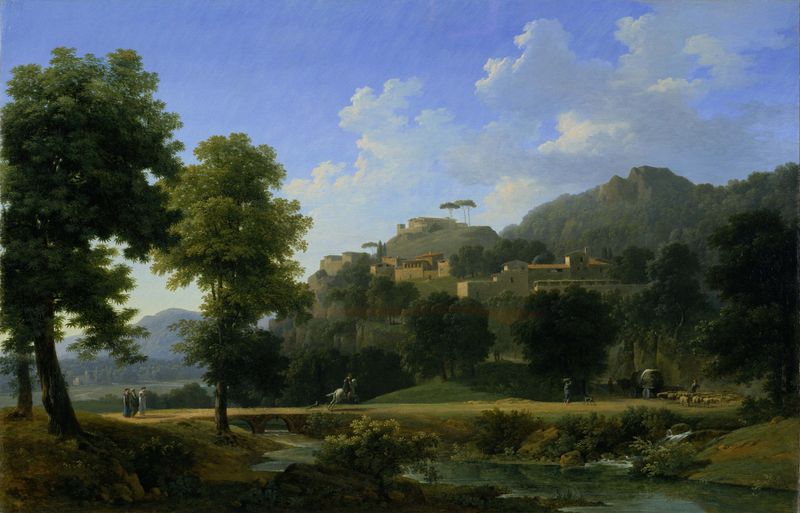
Italian Landscape
Jean-Victor Bertin
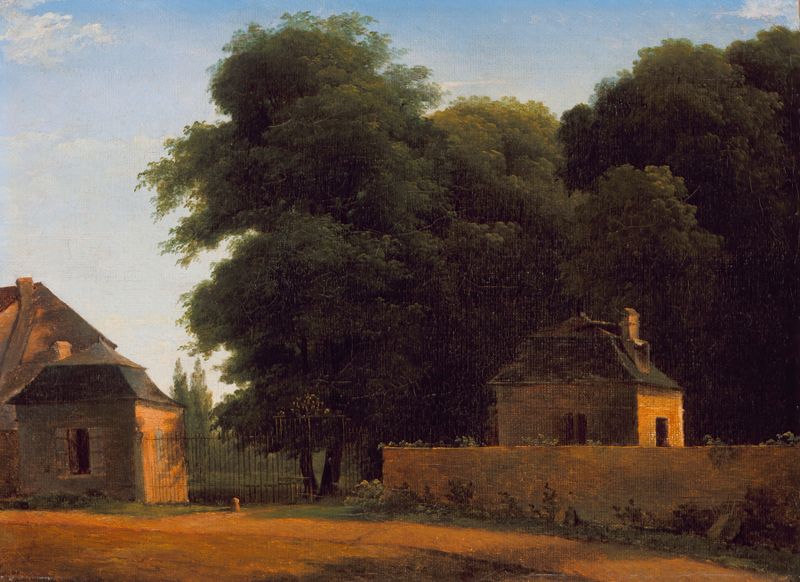
Entry to the Park at St. Cloud
Jean-Victor Bertin
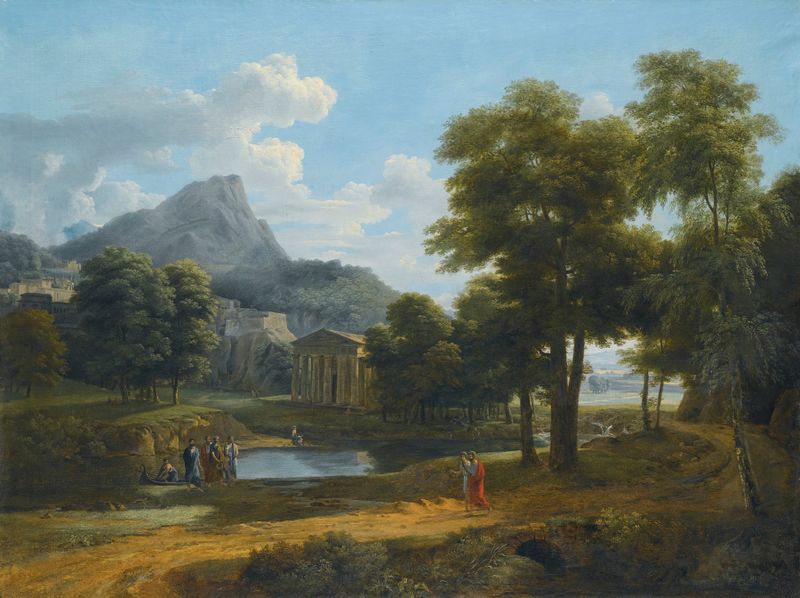
A Mountainous Landscape, With A View Of Pheneos And The Temple Of Minerva Caphyes
Jean-Victor Bertin
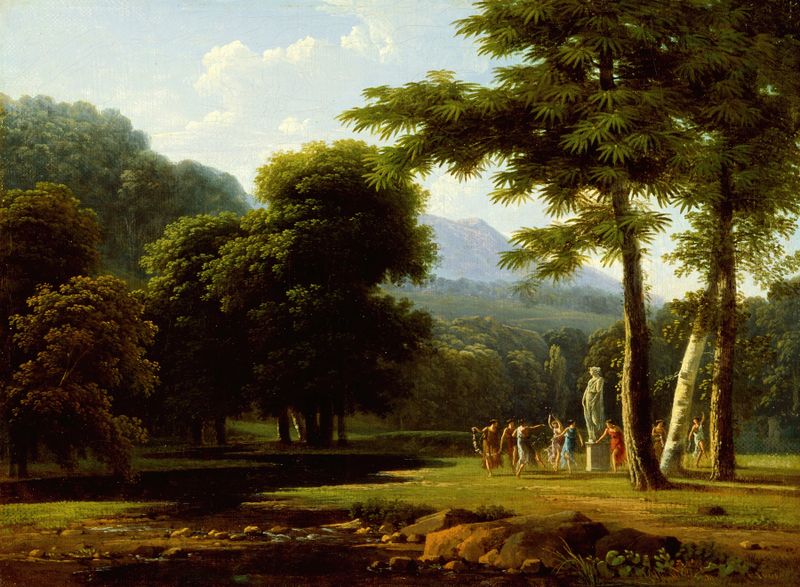
Landscape
Jean-Victor Bertin
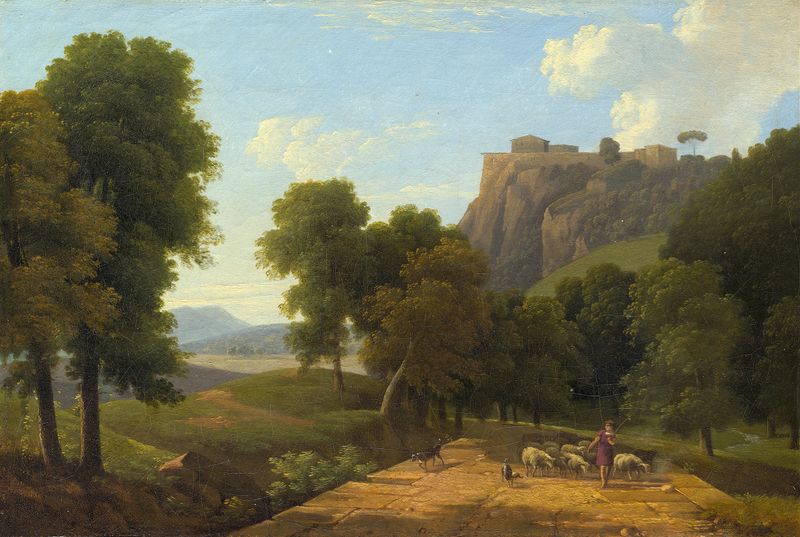
Shepherd with his Flock
Jean-Victor Bertin
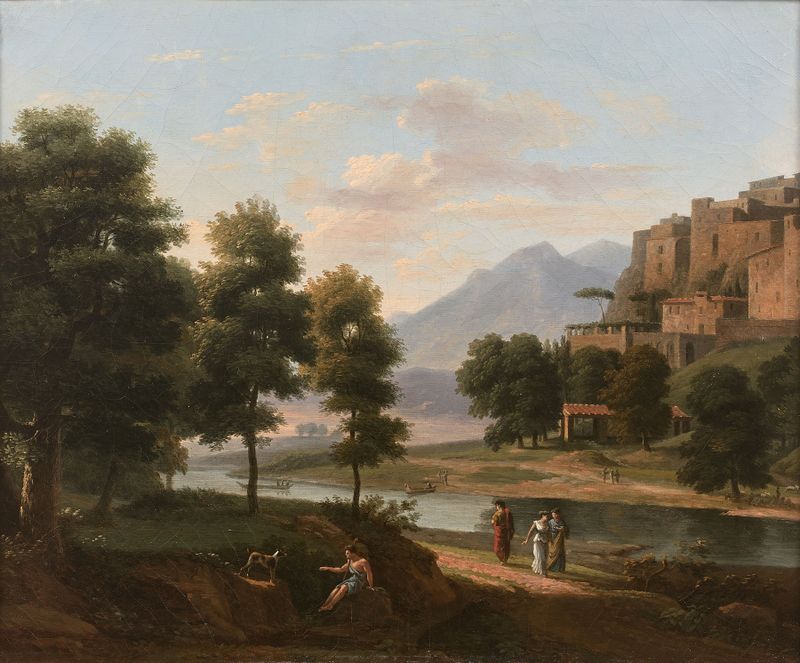
Paysage d’Arcadie animé de personnages
Jean-Victor Bertin
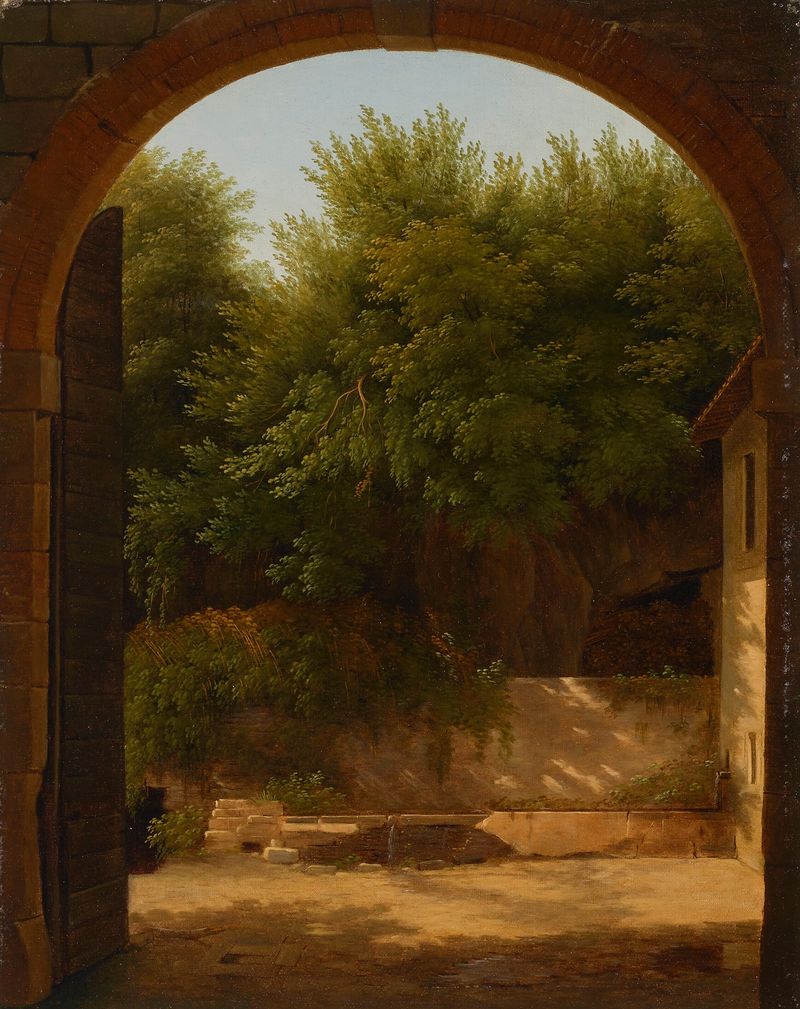
A view of a sunlit courtyard with a trough, seen through an archway
Jean-Victor Bertin
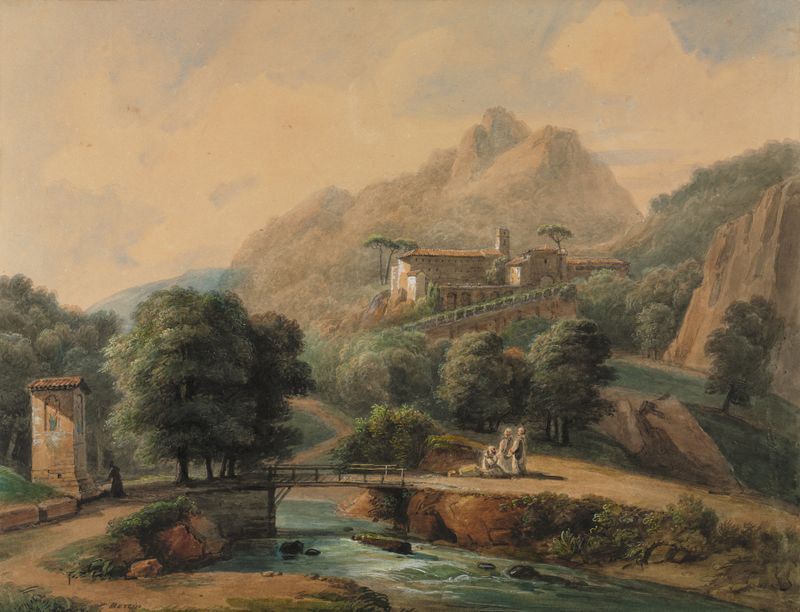
Paysage Italien; L’Abbaye et Les Religieux
Jean-Victor Bertin
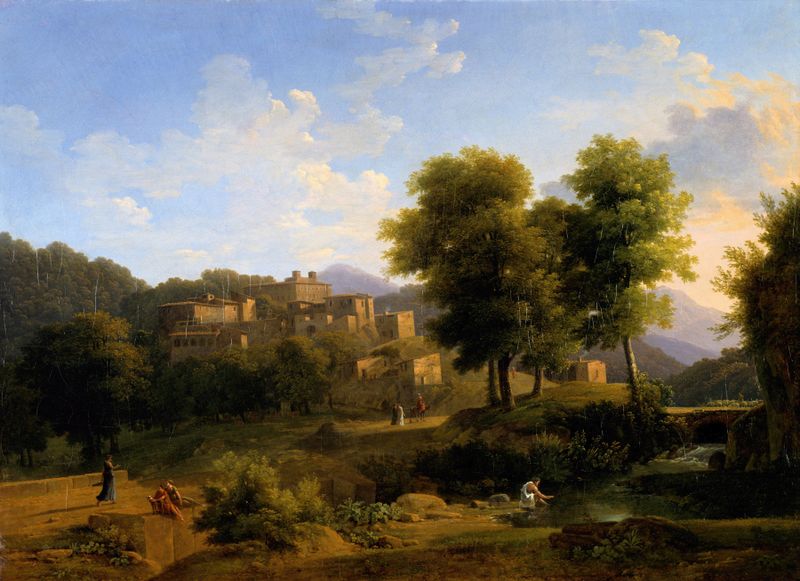
View of a Town in the Sabine Hills
Jean-Victor Bertin
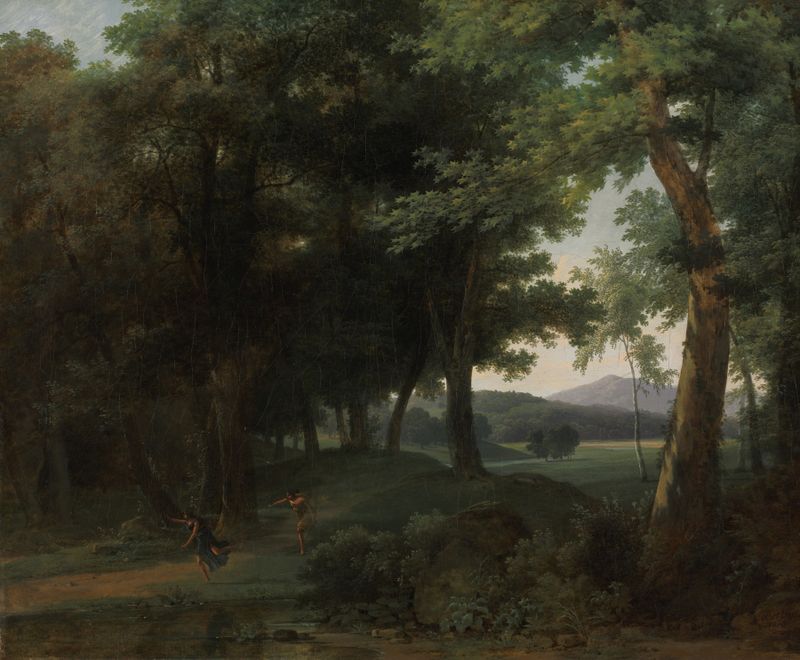
A Forest with Apollo and Daphne
Jean-Victor Bertin





