
Italian Landscape — History & Facts
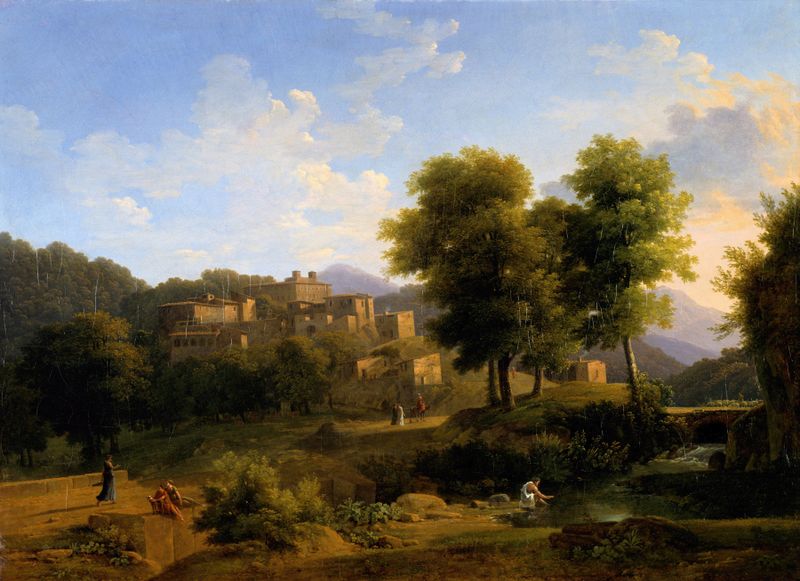
Is this a mirror — or a memory? In Italian Landscape, the viewer is drawn into a harmonious world where nature and artistry blend seamlessly, evoking a serene sense of balance. Each brushstroke whispers a forgotten story, inviting reflection and introspection on the interplay between reality and imagination. Focus on the sweeping vistas that expand across the canvas, where lush greenery meets the delicate contours of distant hills. Notice how the light bathes the scene in a warm, golden hue, illuminating the foliage and casting soft shadows that invite the eye to wander.
The artist’s meticulous attention to detail is evident in the texture of the clouds and the gentle ripples of water, suggesting a moment frozen in time, laden with both tranquility and depth. Delve into the contrasting elements at play: the vibrancy of the foreground against the soft, ethereal background creates a dynamic tension that speaks to the duality of existence. The lush vegetation symbolizes life and vitality, while the distant mountains evoke a sense of permanence and timelessness. Together, they embody the delicate balance between chaos and serenity, nature and art, evoking a nostalgia for simpler, untainted moments. Created during the mid-19th century, Italian Landscape reflects Jean-Victor Bertin’s deep connection to his surroundings and his commitment to capturing the beauty of the natural world.
At this time, the Romantic movement was in full swing, emphasizing emotional depth and the sublime in nature. Bertin, based in Paris, was influenced by both classical tradition and the burgeoning realism, striving to transport the viewer to a harmonious realm that bridges the gap between art and life.
More Artworks by Jean-Victor Bertin
Browse all →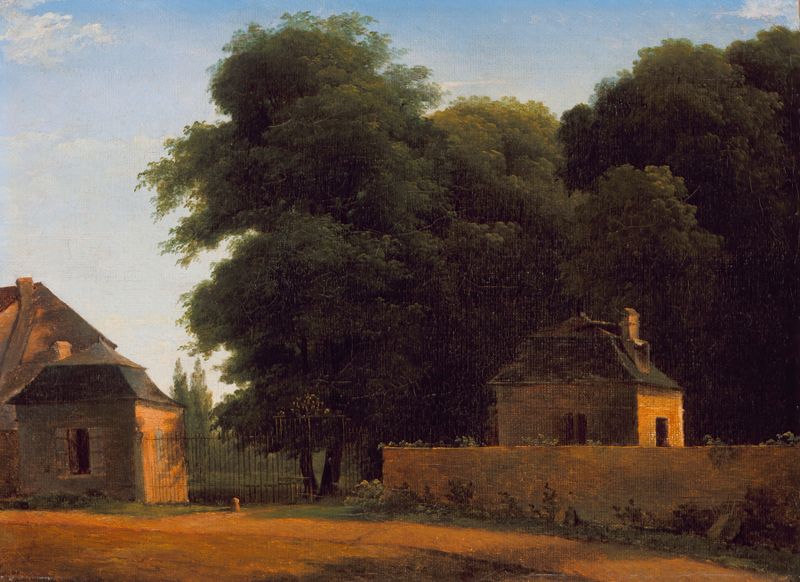
Entry to the Park at St. Cloud
Jean-Victor Bertin
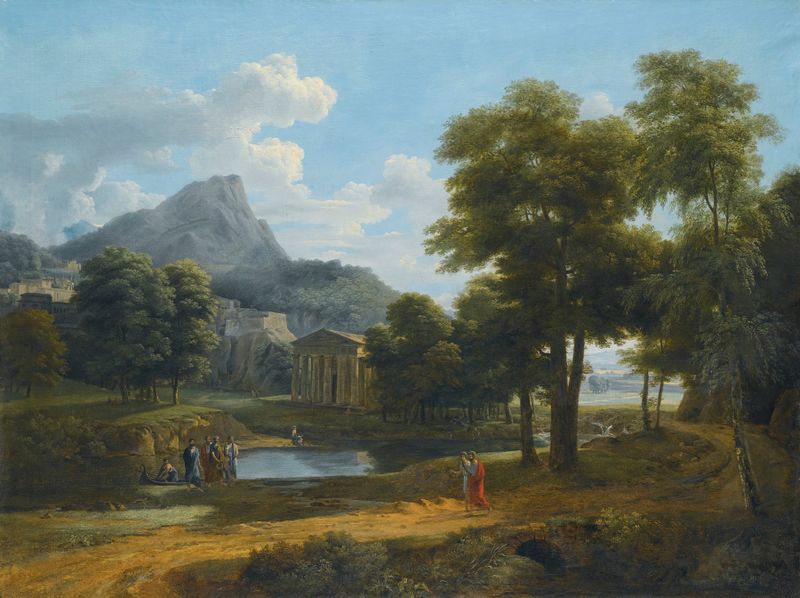
A Mountainous Landscape, With A View Of Pheneos And The Temple Of Minerva Caphyes
Jean-Victor Bertin
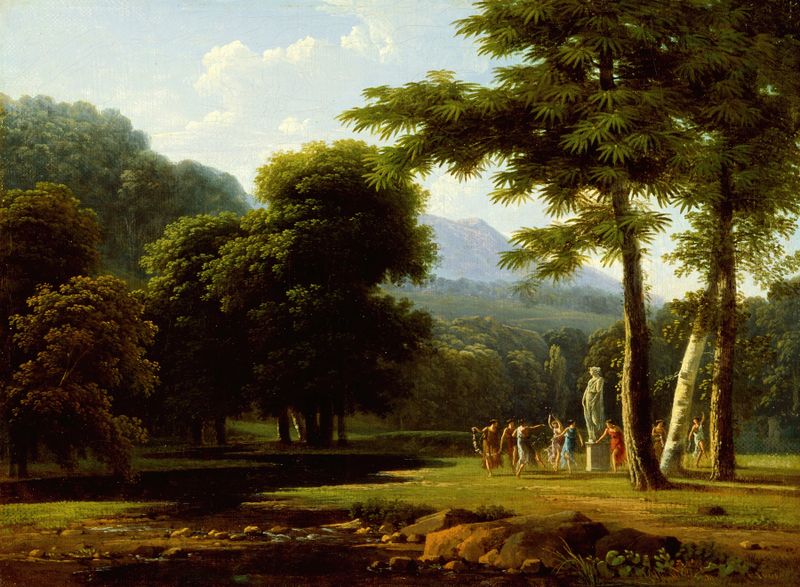
Landscape
Jean-Victor Bertin
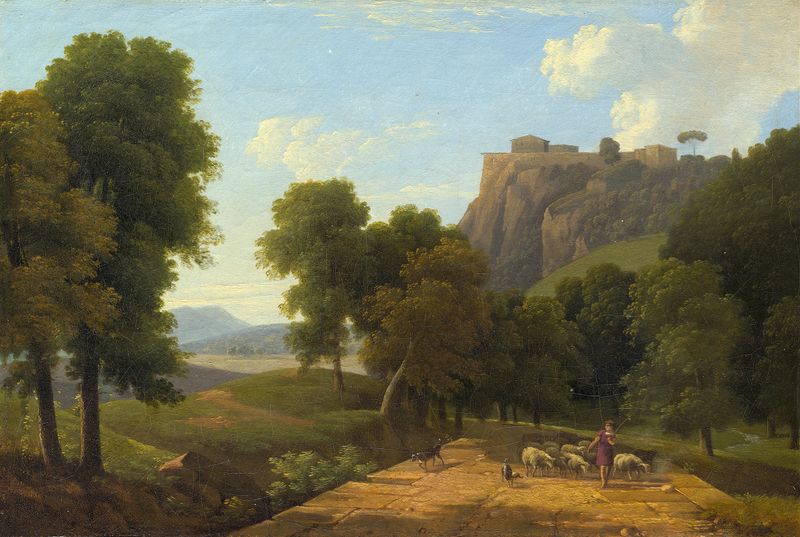
Shepherd with his Flock
Jean-Victor Bertin
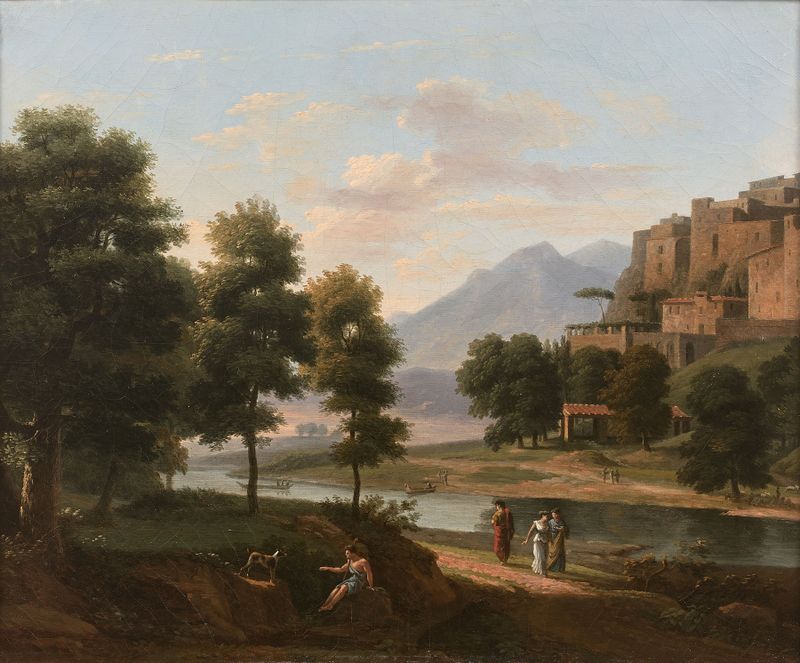
Paysage d’Arcadie animé de personnages
Jean-Victor Bertin
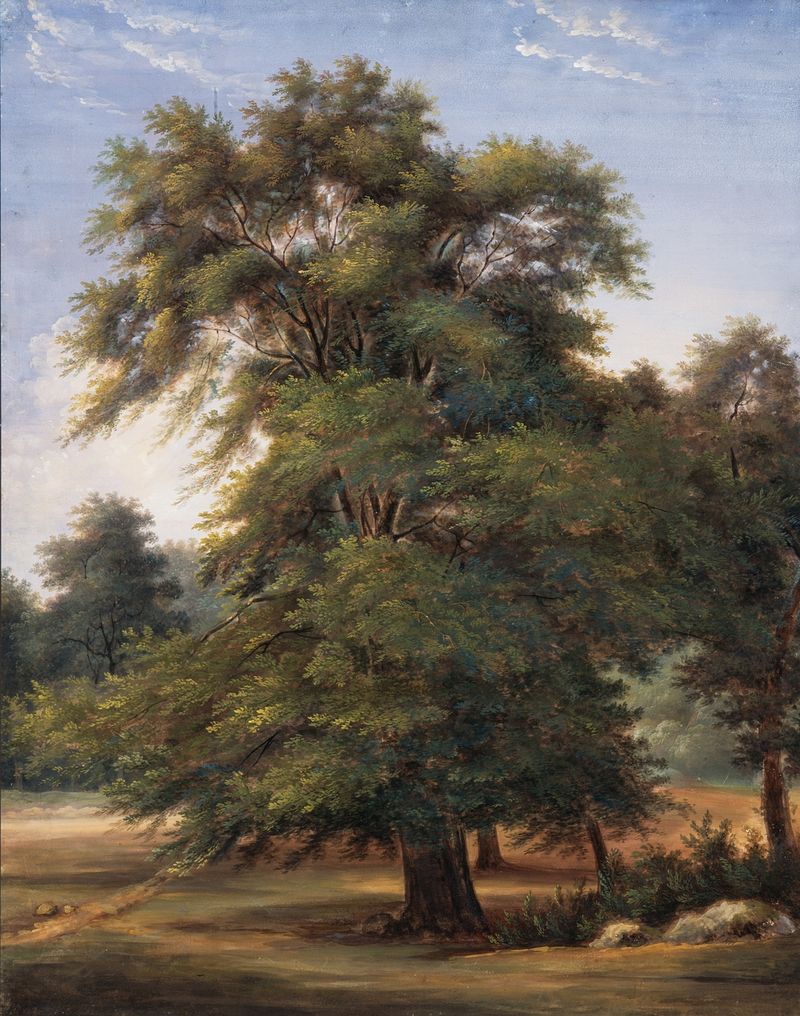
Study of a Tree
Jean-Victor Bertin
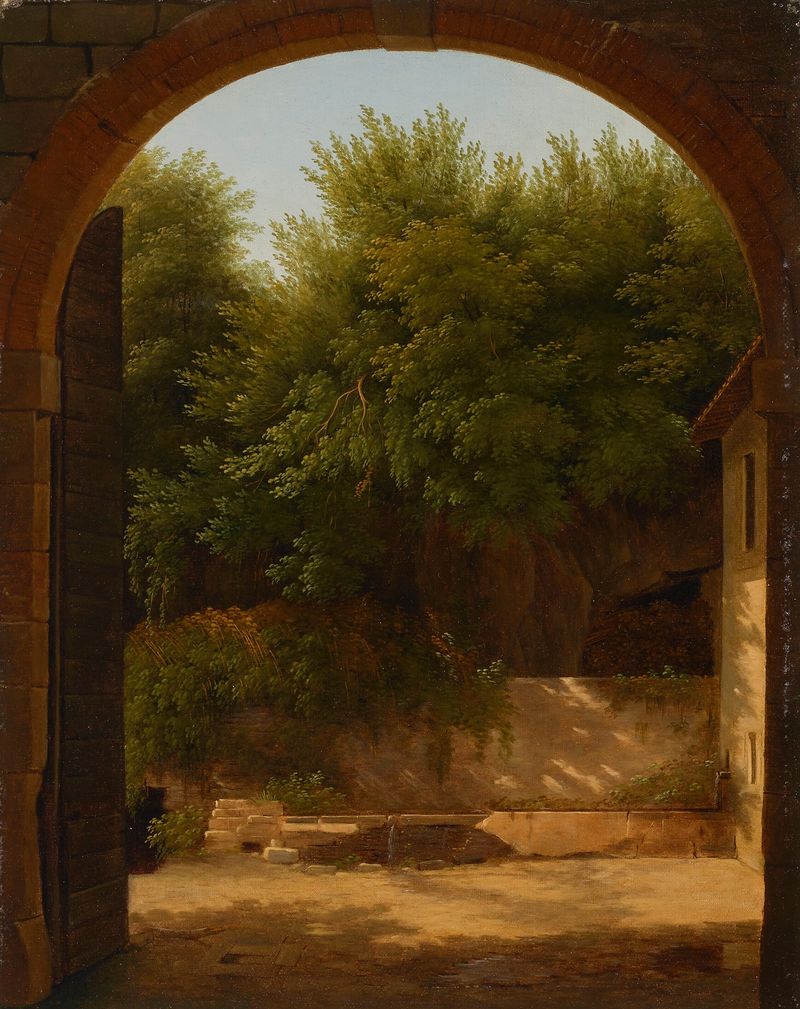
A view of a sunlit courtyard with a trough, seen through an archway
Jean-Victor Bertin
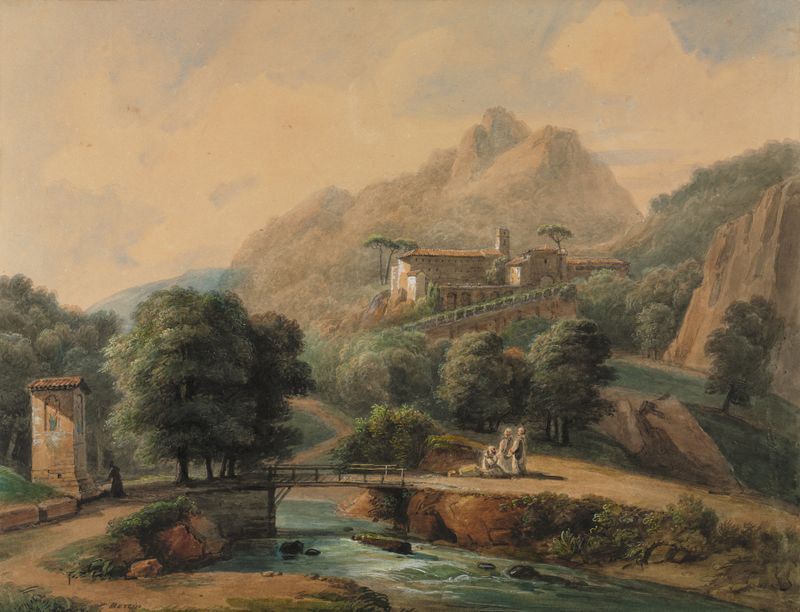
Paysage Italien; L’Abbaye et Les Religieux
Jean-Victor Bertin
View of a Town in the Sabine Hills
Jean-Victor Bertin
A Forest with Apollo and Daphne
Jean-Victor Bertin





