
Study of Forest — History & Facts
Who listens when art speaks of silence? In Study of Forest, the stillness of the woodland pulses with an undercurrent of fear, inviting a reflection on what lies beneath the calm. Look to the left at the dense, towering trees, their gnarled branches reaching upwards like skeletal fingers. Notice how the muted greens and browns blend seamlessly, creating a somber atmosphere where light struggles to penetrate the canopy. The composition draws the viewer’s eye through an intricate interplay of shadow and texture, guiding you deeper into this forest sanctuary that feels both inviting and unsettling. As you delve further, consider the contrasting elements of life and decay within the piece.
The lush foliage hints at vibrancy, yet the shadows conceal secrets, suggesting a tension between safety and the fear of the unknown that lurks within the depths of the woods. The juxtaposition of light and dark evokes a sense of foreboding, as if the forest is alive with whispers of long-forgotten tales, urging you to heed the warnings of nature itself. Ferdinand Katona painted this piece between 1890 and 1910, during a period marked by the rise of naturalism and a shift in the perception of landscapes. Working in a time when the art world began to grapple with the complex relationship between humanity and nature, he sought to capture the essence of the forest, reflecting both its beauty and its potential dangers.
This duality speaks to the broader existential themes of his era, urging contemplation on what is often left unspoken.
More Artworks by Ferdinand Katona
Browse all →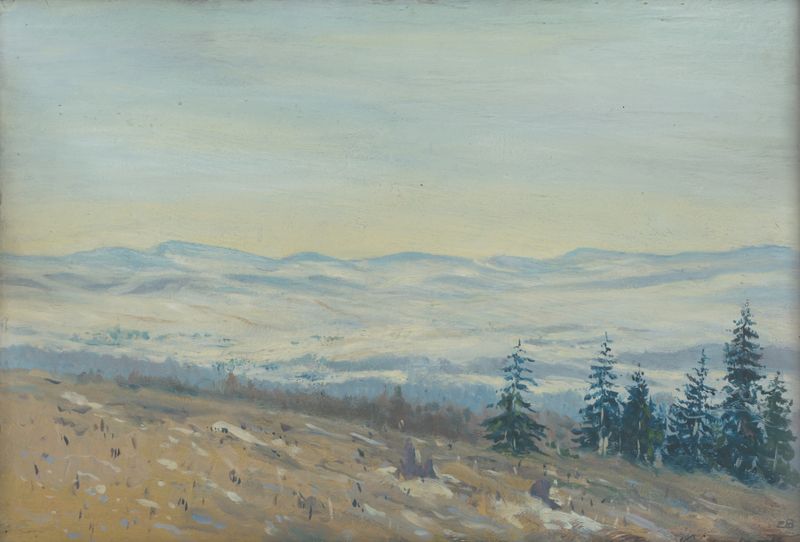
High Tatras
Ferdinand Katona
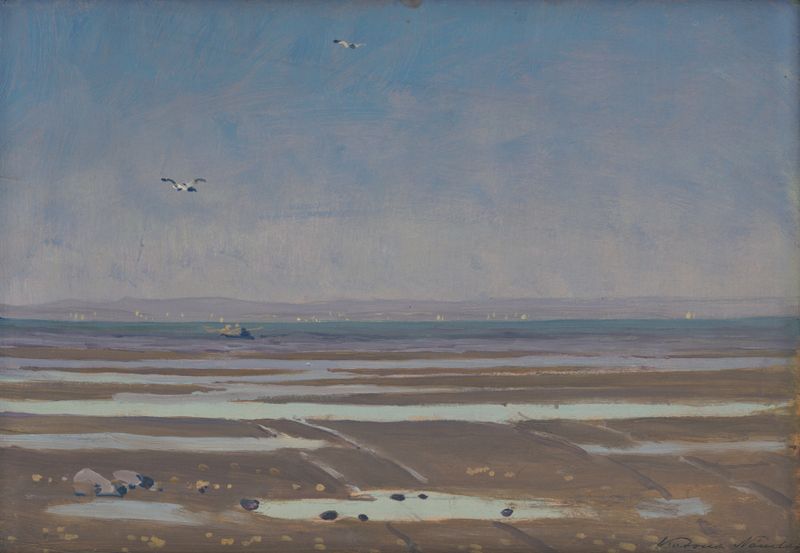
Early spring
Ferdinand Katona
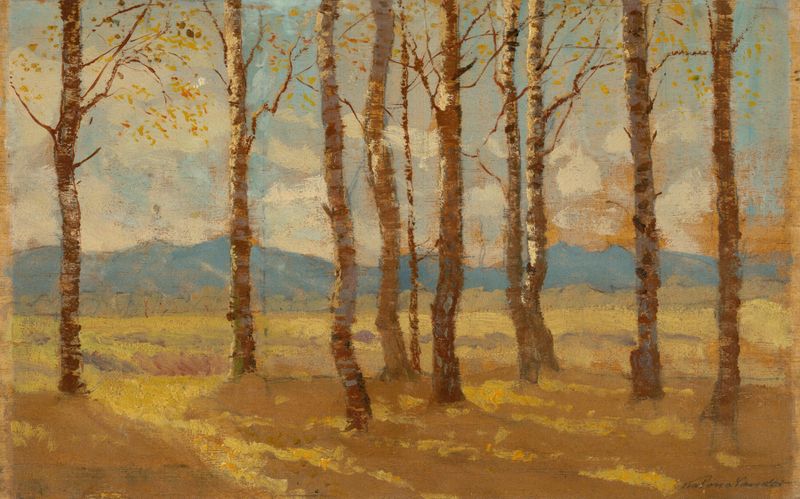
Birches in Autumn
Ferdinand Katona
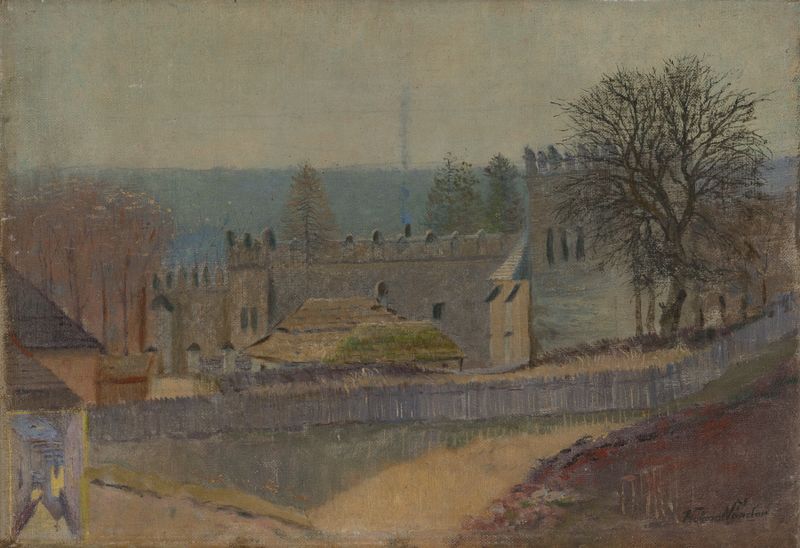
View of Strážky
Ferdinand Katona
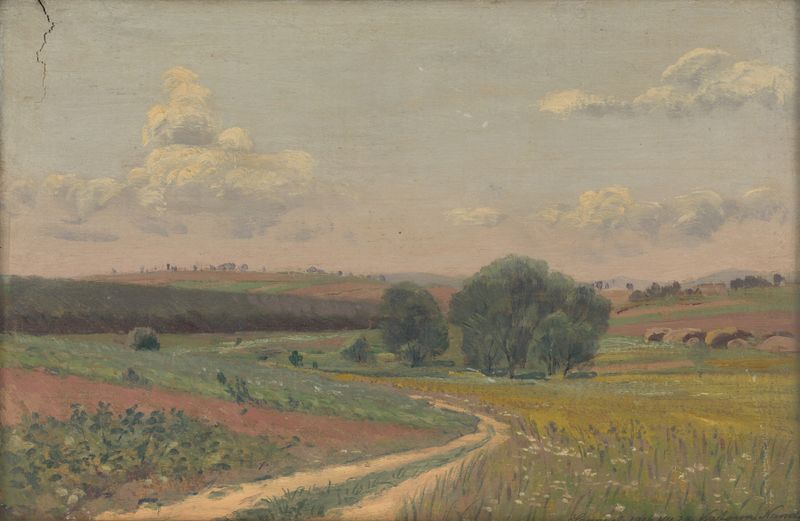
Landscape with a dirt road
Ferdinand Katona
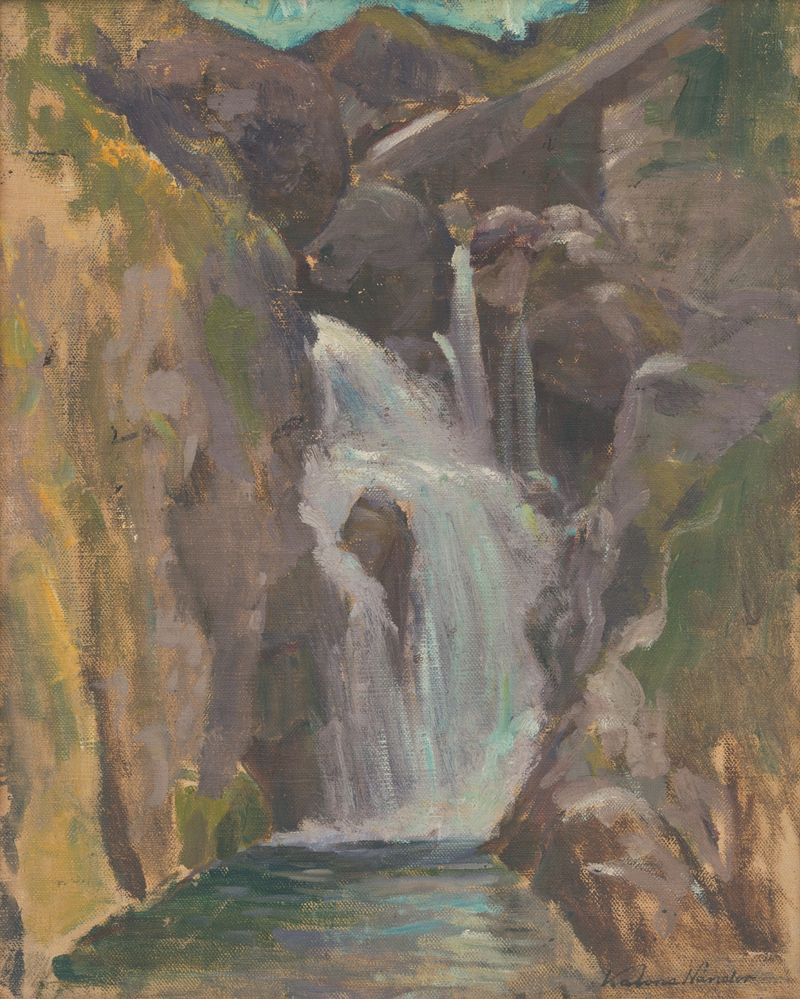
Waterfall
Ferdinand Katona
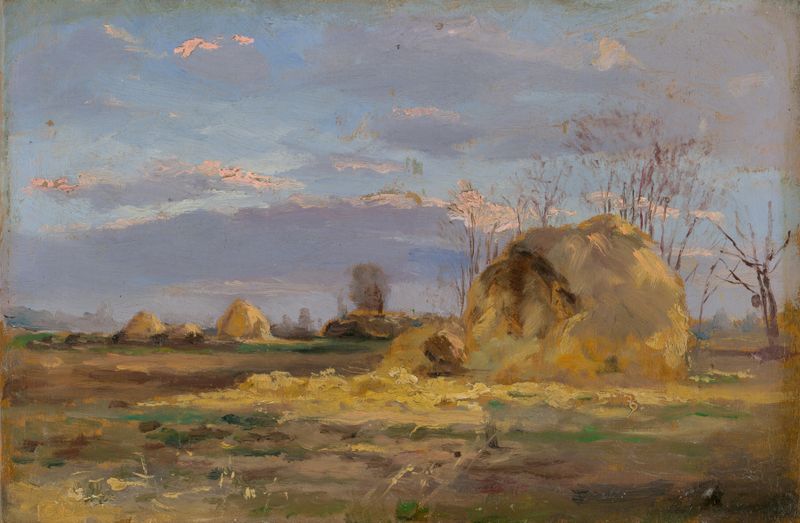
Autumn Landscape with Trees
Ferdinand Katona
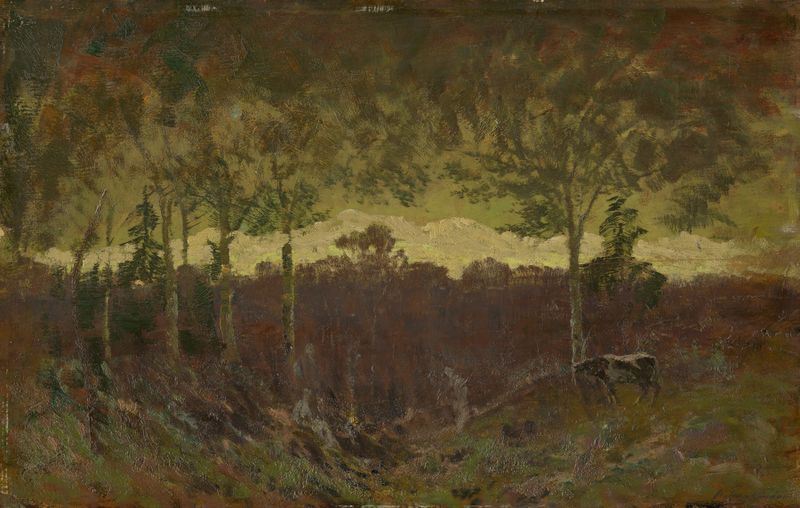
Early Evening Tatras Landscape
Ferdinand Katona
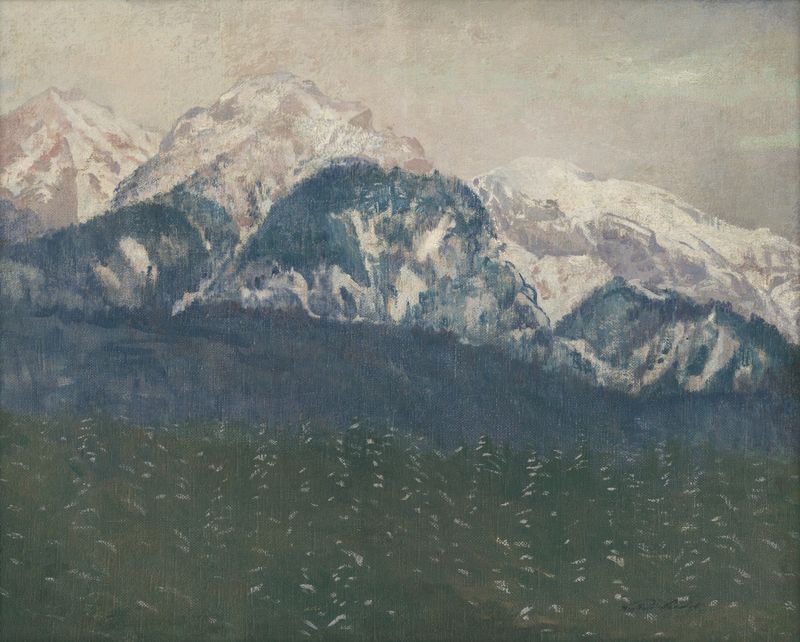
View of the High Tatras
Ferdinand Katona
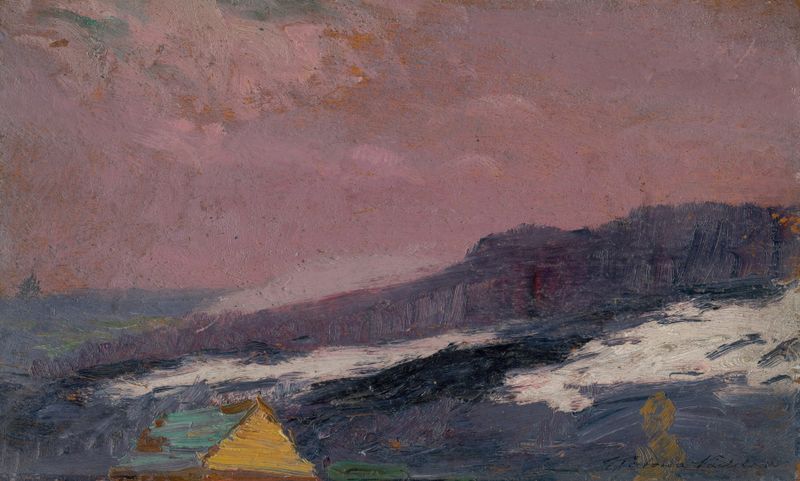
Early Spring
Ferdinand Katona





