
Discover insights about this artwork
Study of Jealousy — History & Facts
In Study of Jealousy, Agnolo Bronzino presents a striking composition filled with rich colors. The painting features a central figure representing jealousy, surrounded by other allegorical figures that enhance the narrative. The use of deep greens and reds creates a dramatic atmosphere, emphasizing the emotional weight of the subject.
The figures are depicted with elongated forms and intricate details, typical of the Mannerist style. The painting is executed in oil on panel, showcasing Bronzino's skillful technique. The intricate details and smooth brushwork highlight the emotional expressions of the figures. Viewers can observe the careful arrangement of the composition, which draws the eye towards the central figure of jealousy.
The artwork's dimensions are approximately 100 x 80 cm, making it a significant piece within the context of Bronzino's oeuvre. Agnolo Bronzino was a prominent figure in the Mannerist movement, known for his sophisticated portraits and allegorical works. Study of Jealousy reflects the complexities of human emotions, a theme prevalent in Renaissance art. An interesting fact about this work is that it was likely created for a private patron, showcasing the artist's ability to convey deep psychological themes through allegory.
This painting remains a testament to Bronzino's unique style and his exploration of emotional depth.
More Artworks by Agnolo Bronzino
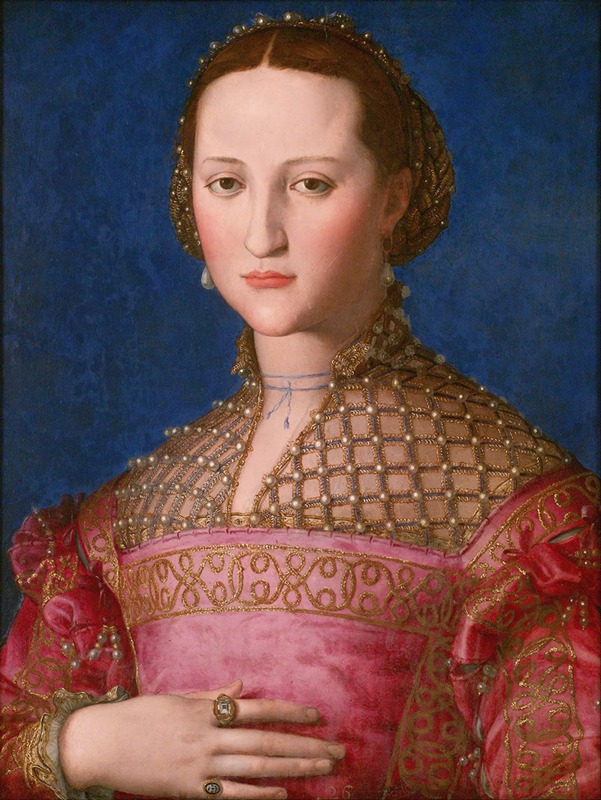
Eleonora Of Toledo
Agnolo Bronzino
Portrait of a Young Man
Agnolo Bronzino

Portrait of a Lady in Red (Francesca Salviati)
Agnolo Bronzino
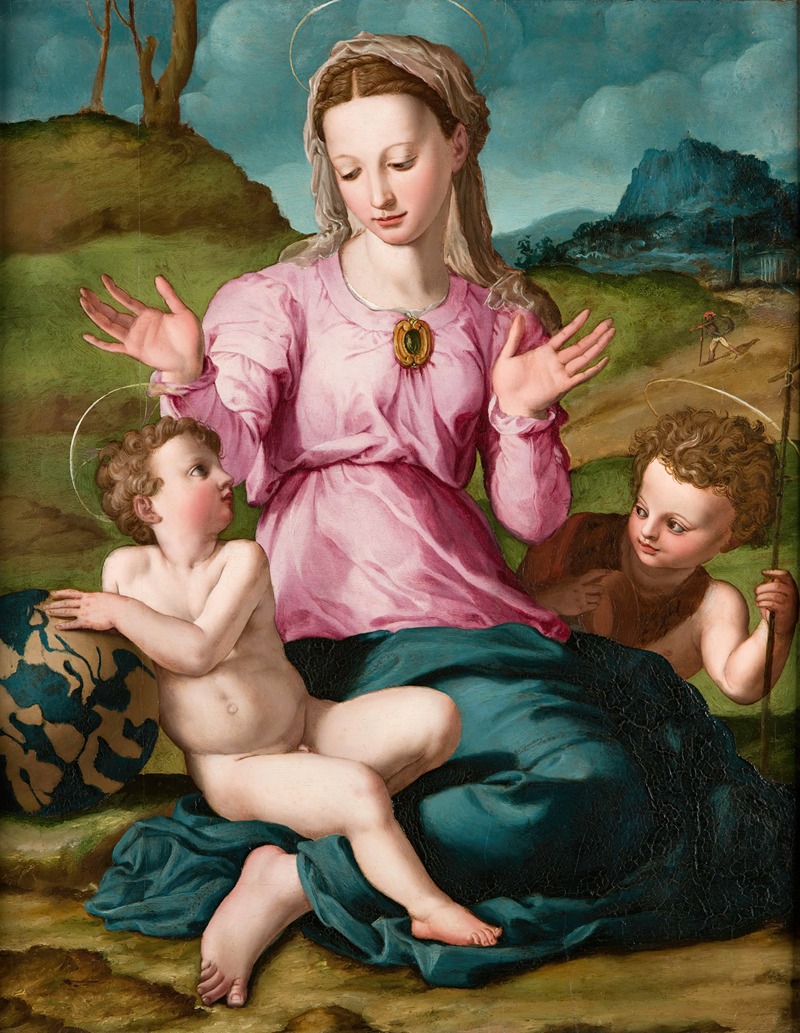
Madonna and Child with Saint John the Baptist
Agnolo Bronzino

Portrait Of Lodovico Capponi
Agnolo Bronzino

Virgin of the Annunciation
Agnolo Bronzino

Eleonora di Toledo
Agnolo Bronzino

Portrait Of Eleanor Of Toledo With Her Son Giovanni De’ Medici
Agnolo Bronzino

Portrait Of Laura Battiferri
Agnolo Bronzino

The Holy Family with the Infant Saint John the Baptist
Agnolo Bronzino
More Allegory Art
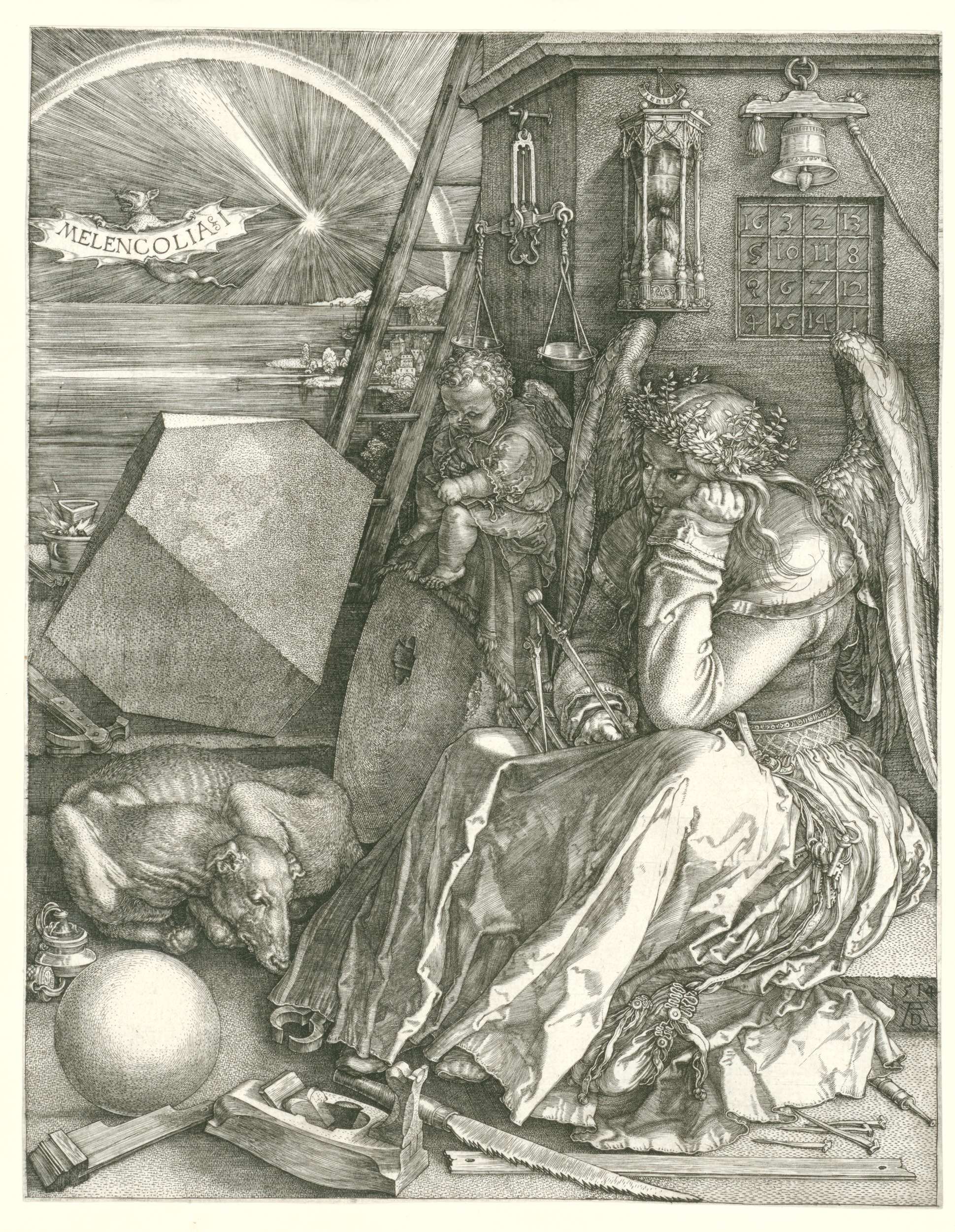
Melancholia
Albrecht Dürer
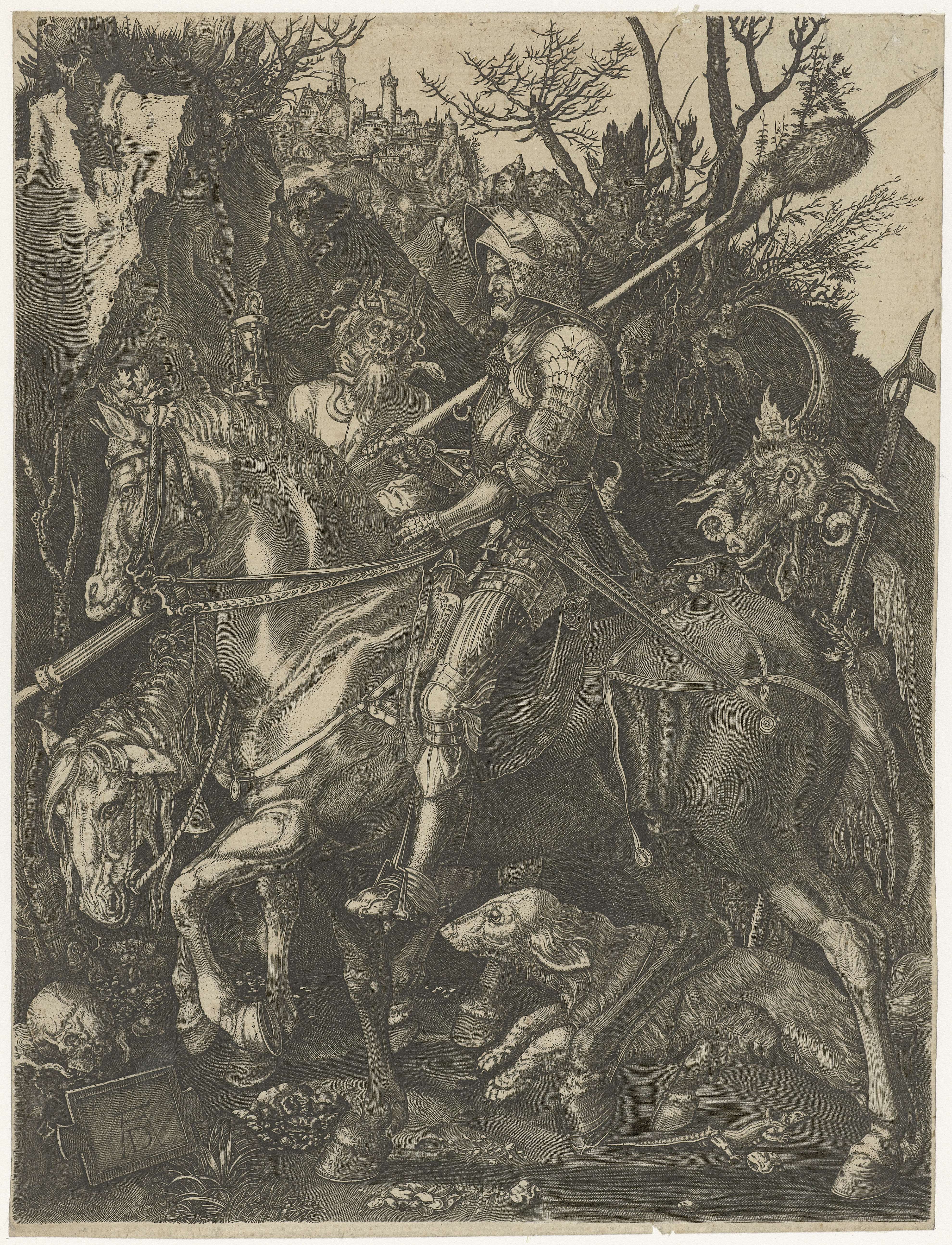
Ridder, Dood en Duivel
Unknown Artist
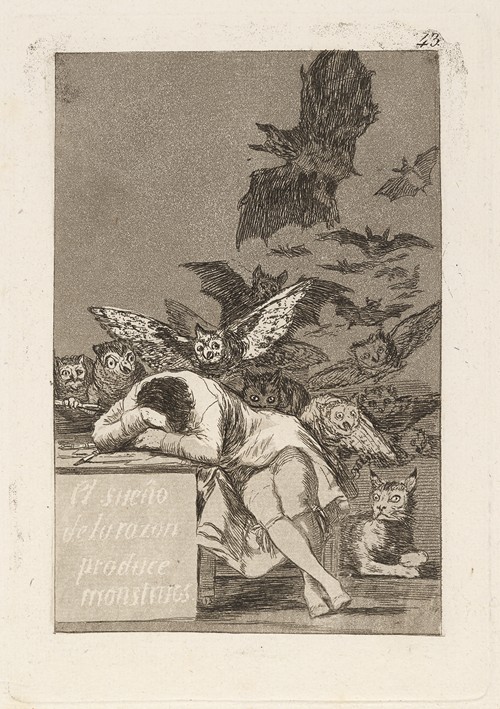
El sueño de la razon produce monstruos. (The sleep of reason produces monsters.)
Francisco de Goya
El sueño de la razon produce moustruos (Serie Caprichos)
Francisco de Goya
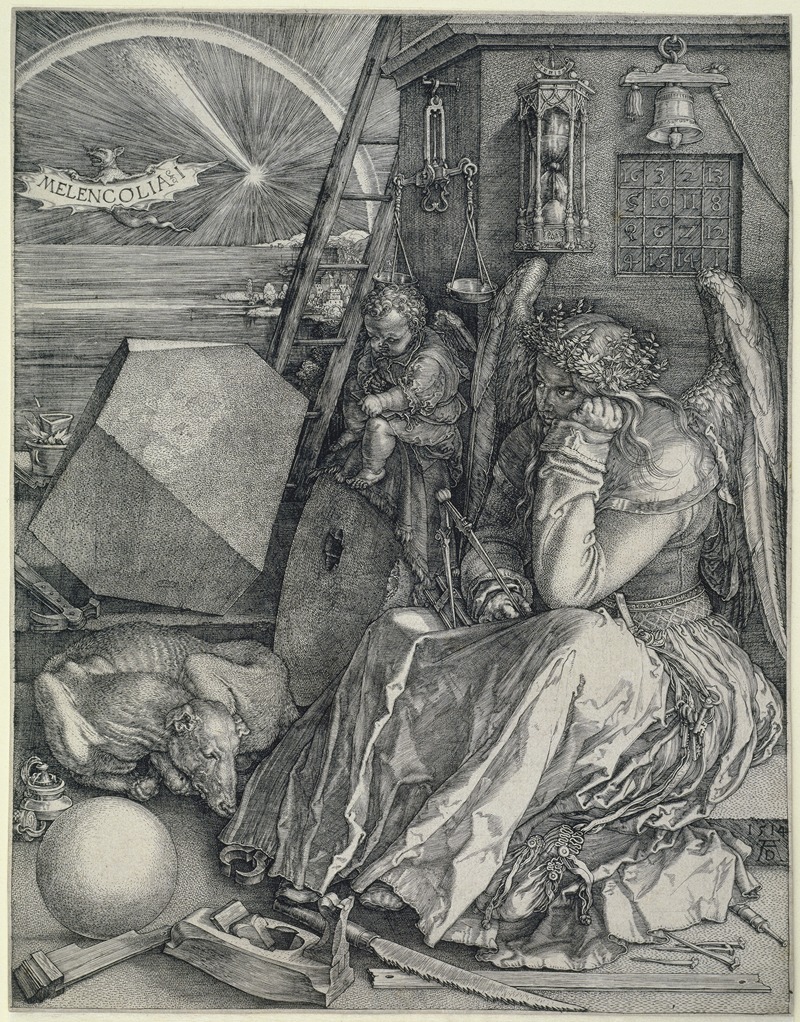
Melencolia I (The Melancholy)
Albrecht Dürer
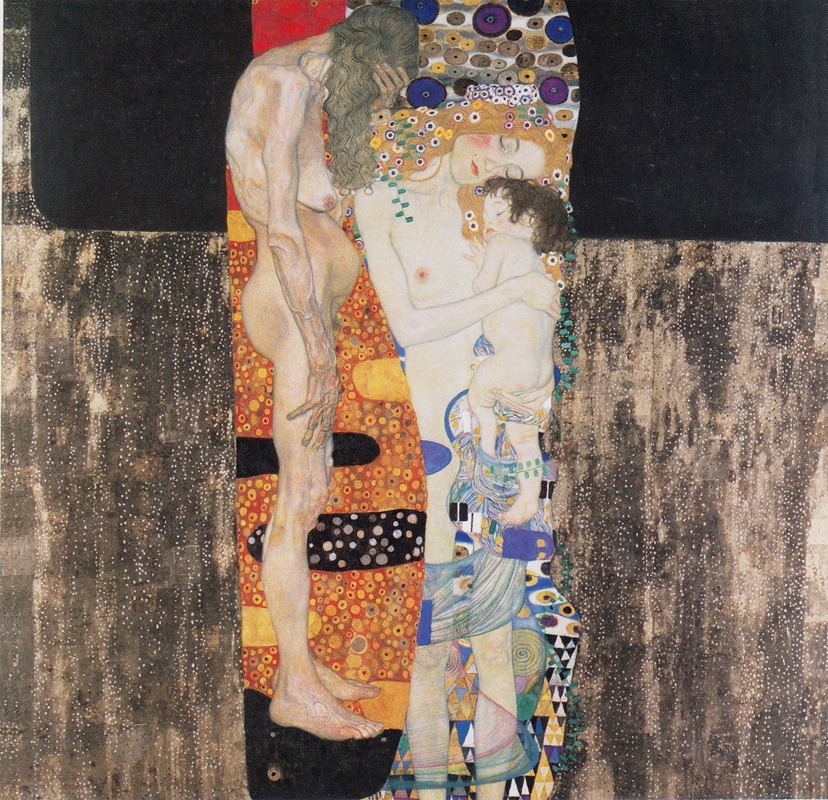
The Three Ages of the Woman
Gustav Klimt