
Study of Rocks at Mumbles — History & Facts
Is this a mirror — or a memory? In Study of Rocks at Mumbles, the artist captures a moment suspended in time, inviting the viewer to reflect on the intertwining of nature and personal history. Look to the left at the jagged formations, their textures rich with layers that suggest both age and fragility. Notice how light plays across the surfaces, casting shadows that dance lightly on the ground, evoking a sense of the passage of time. The muted palette, with its earthy browns and gentle grays, anchors the viewer in reality, while the occasional flash of blue hints at the sea’s distant embrace.
Each brushstroke reveals not just the rocks themselves but the emotional landscape they inhabit. Hidden within the composition is a palpable tension between permanence and transience. The rocks, enduring witnesses to countless tides and storms, stand resilient against the ephemeral nature of human experience. This duality resonates deeply, as the viewer is left pondering the significance of moments that shape us, much like the relentless waves that sculpt the shore.
The interplay of solidity and nostalgia evokes a longing for connections and landscapes that may be fading yet remain indelibly marked in memory. Edward Duncan created this piece during the mid-19th century, a time when romantic notions of nature were flourishing in the art world. Working in England, he was influenced by the coastal beauty of his surroundings, capturing both the physicality of the landscape and the emotional undercurrents it held for those who ventured there. This intimate study reflects a personal connection to place, encapsulating the era's deeper exploration of nature as a repository of memory and sentiment.
More Artworks by Edward Duncan
Browse all →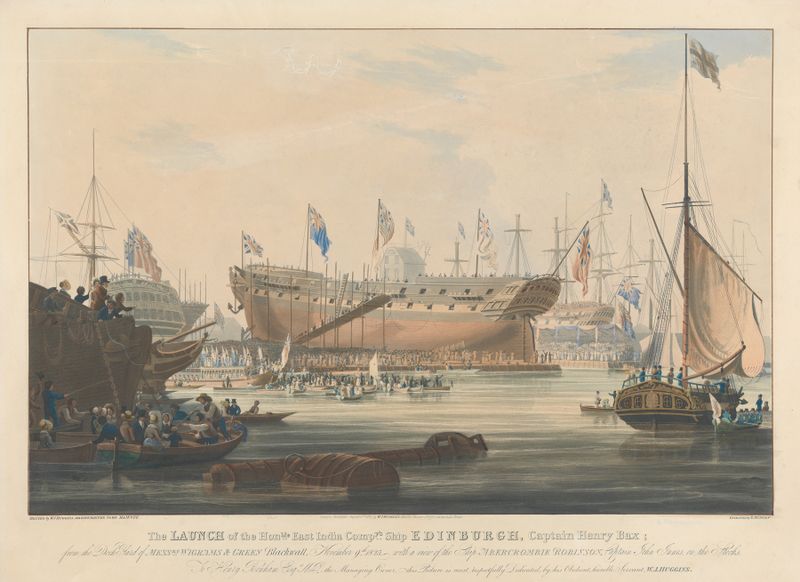
Launch of the ‘Edinburgh’, Blackwall, Nov. 9, 1825
Edward Duncan
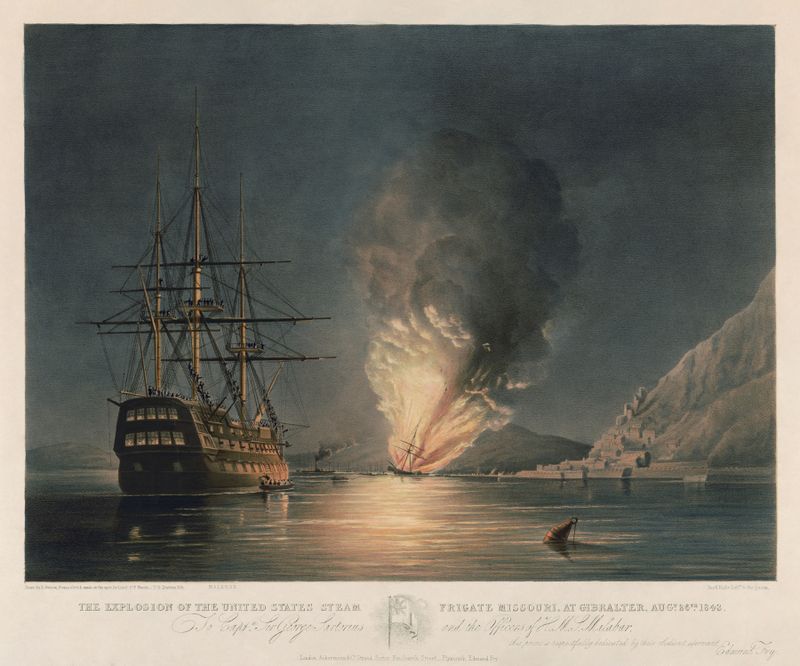
The Explosion of the United States Steam Frigate Missouri
Edward Duncan
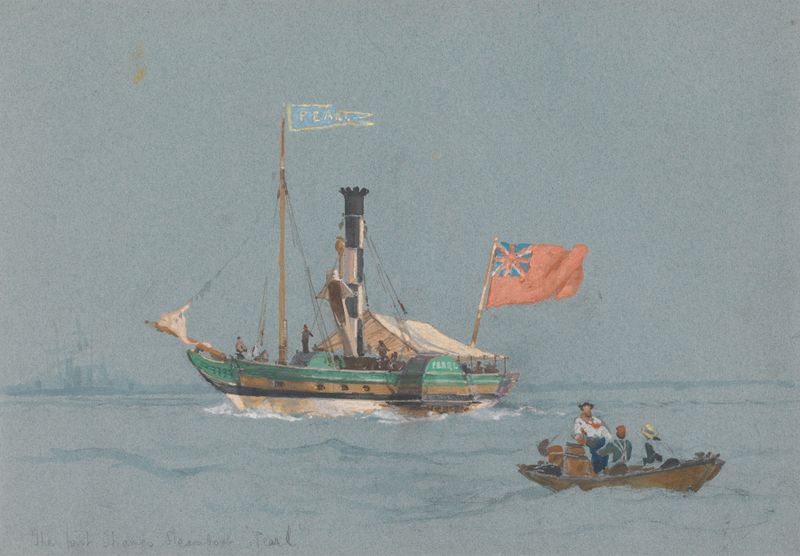
The First Thames Steamboat: Pearl
Edward Duncan
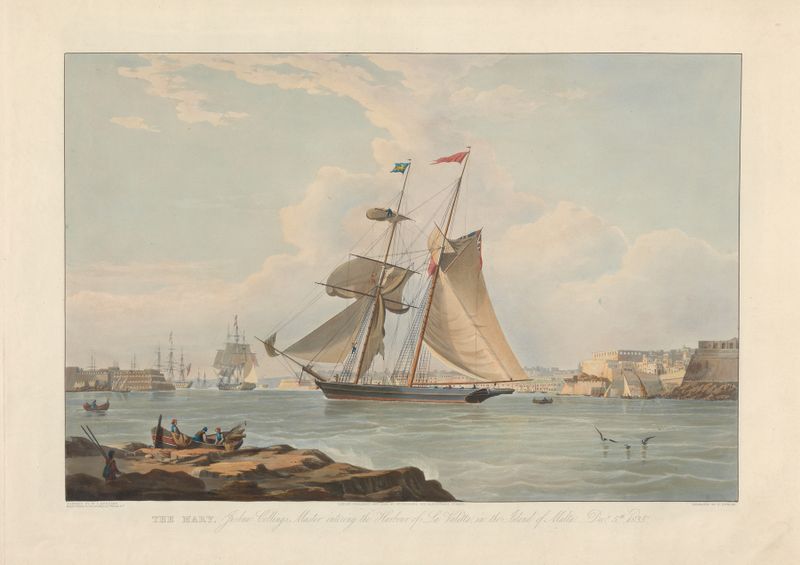
The Mary, Joshua Collings, Master, Entering the Harbour of La Valletta, in the Island of Malta, Dec. 5, 1835
Edward Duncan
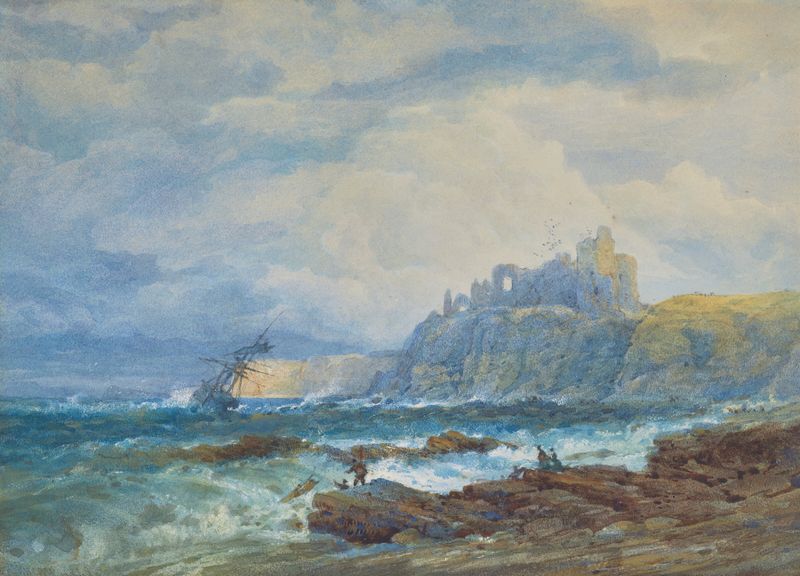
A ship in distress off Tantallon Castle, Scotland
Edward Duncan
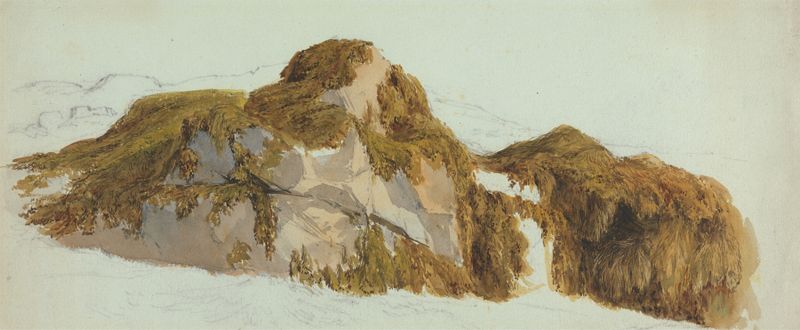
Study of Rocks Covered with Seaweed
Edward Duncan
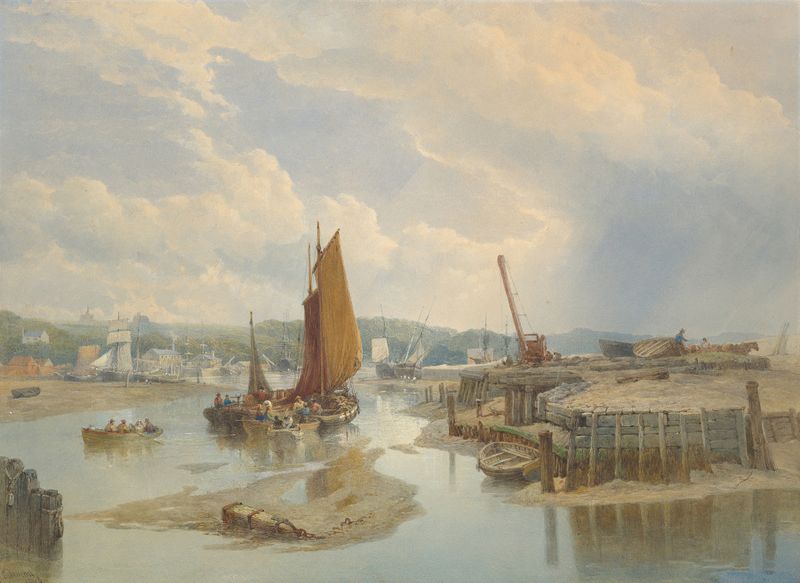
A Town on an Estuary at Low Tide
Edward Duncan
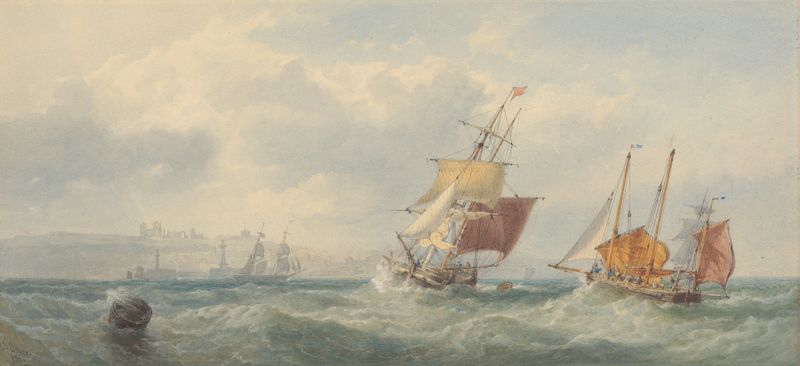
Off Whitby
Edward Duncan
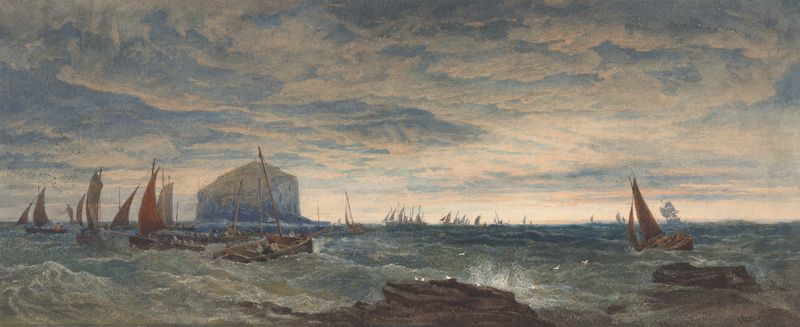
The Bass Rock at Dawn
Edward Duncan
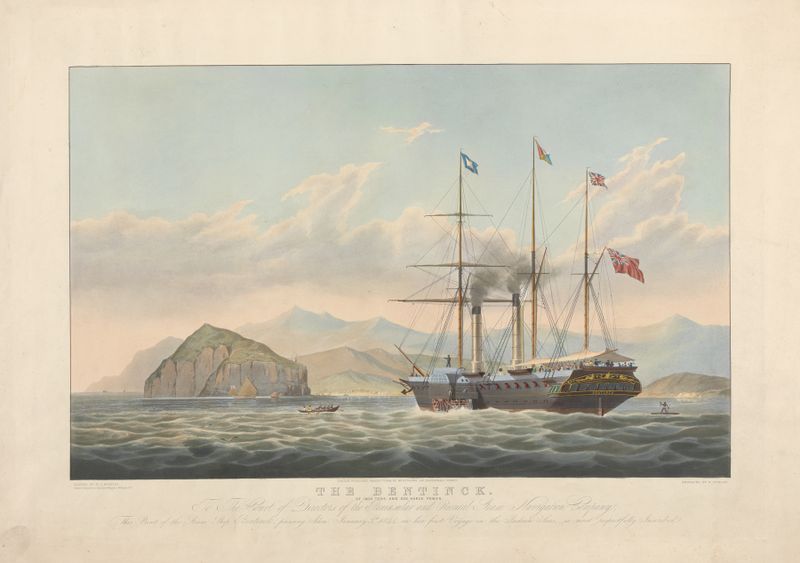
The Bentinck
Edward Duncan





