
The Bentinck — History & Facts
When did color learn to lie? In The Bentinck, a collision of hues whispers the secrets of destiny, inviting a lingering examination of truth and perception. Look to the left at the rich, deep blue of the water, unfurling like a silken sheet beneath the majestic clipper ship. Notice how the soft, golden light dances across the sails, illuminating the pristine white canvas with an ethereal glow that hints at both adventure and uncertainty. The meticulous brushstrokes capture not just the physical beauty of the vessel but also the very essence of movement, with waves curling in anticipation as they embrace the hull. Yet, a deeper tension lies beneath the surface: the ship, poised for embarkation, may symbolize ambition and new beginnings, but it is also a vessel of uncertainty, teetering on the brink of fate.
The looming clouds overhead cast a shadow of doubt, hinting at the storms that could arise on the horizon. The juxtaposition of the tranquil water and the unpredictable sky evokes an emotional complexity, as viewers contemplate the thin line between aspiration and peril. Edward Duncan painted this maritime scene in 1844 during a time when the world was rapidly changing due to industrial advancements and the rise of global trade. Living in England, Duncan was influenced by the Romantic movement's fascination with nature and the human experience, yet he also embraced the burgeoning realism in art.
This work reflects not just his skill with light and color, but also the broader anxieties and hopes of a society at the cusp of modernity, where each journey carried the weight of destiny.
More Artworks by Edward Duncan
Browse all →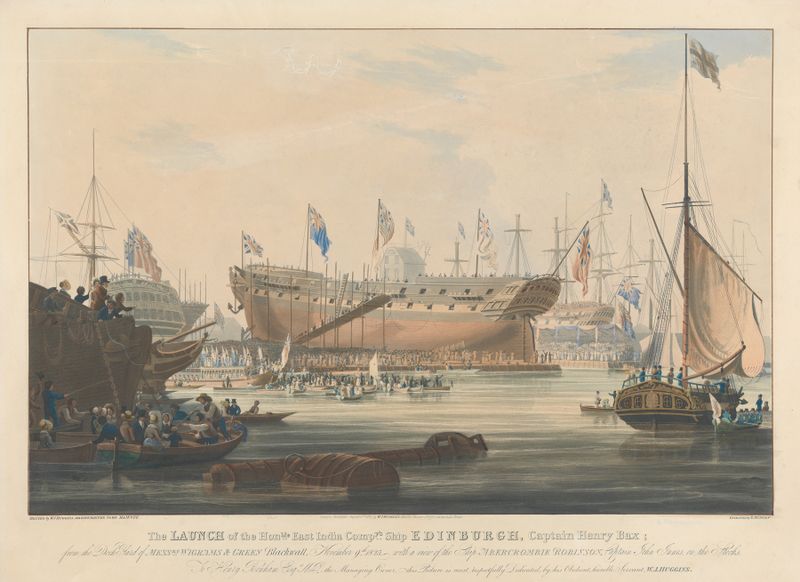
Launch of the ‘Edinburgh’, Blackwall, Nov. 9, 1825
Edward Duncan
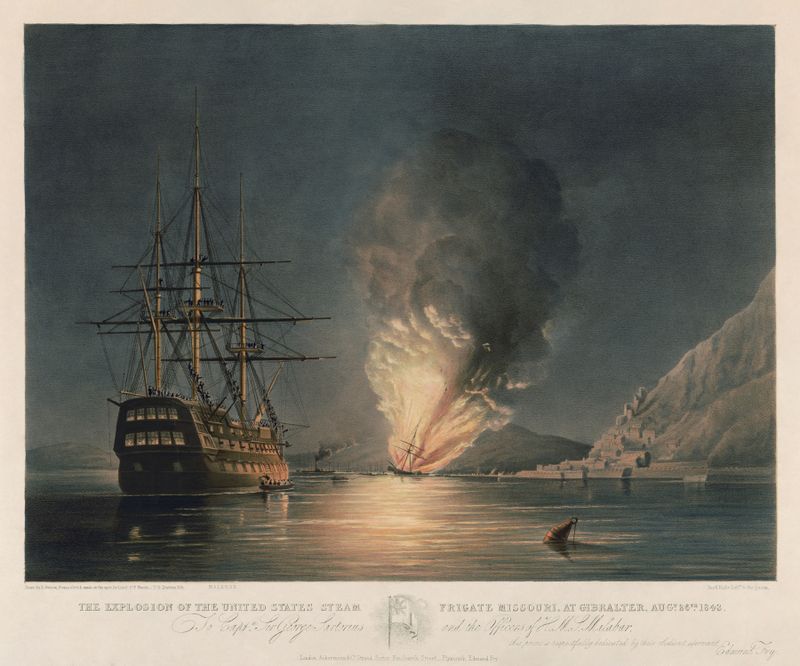
The Explosion of the United States Steam Frigate Missouri
Edward Duncan
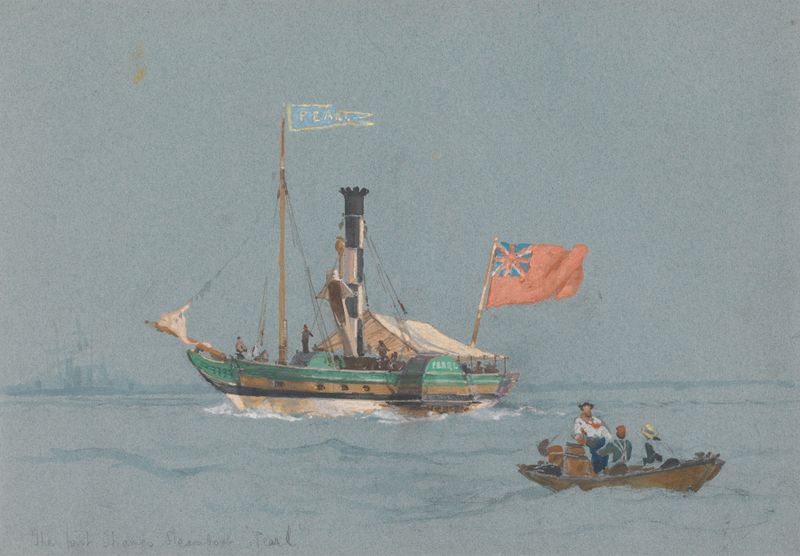
The First Thames Steamboat: Pearl
Edward Duncan
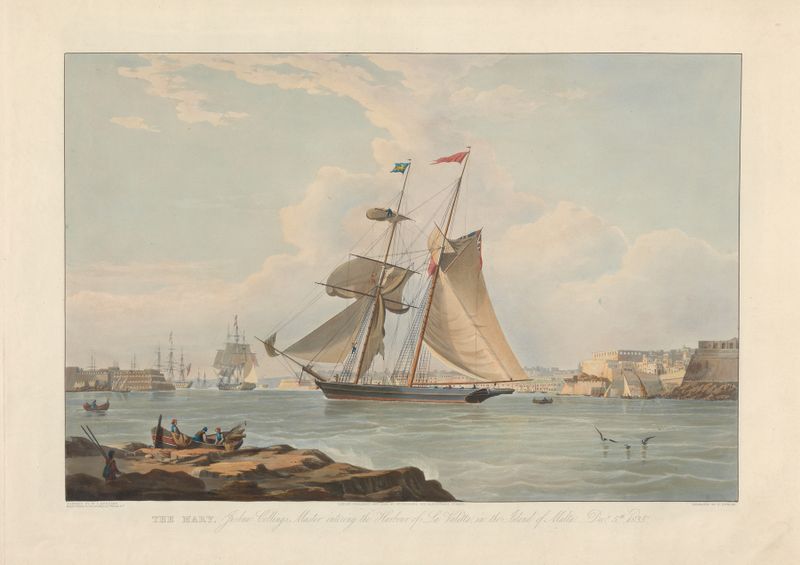
The Mary, Joshua Collings, Master, Entering the Harbour of La Valletta, in the Island of Malta, Dec. 5, 1835
Edward Duncan
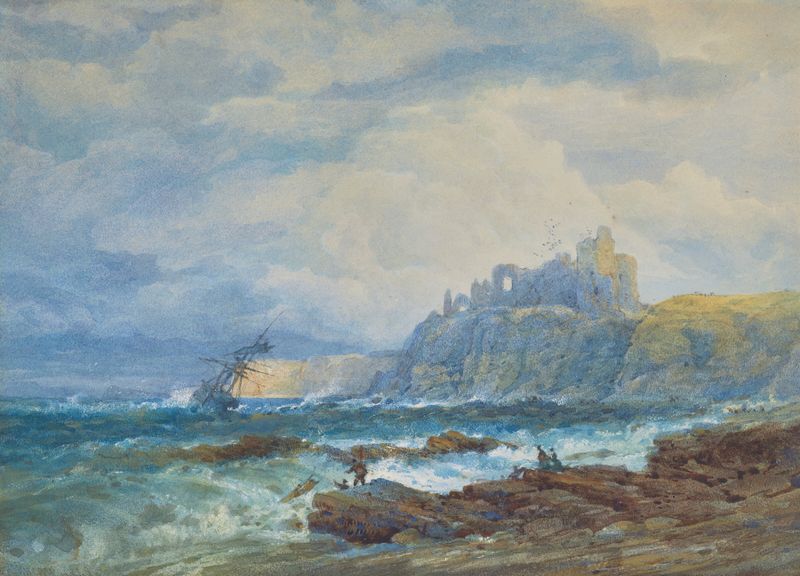
A ship in distress off Tantallon Castle, Scotland
Edward Duncan
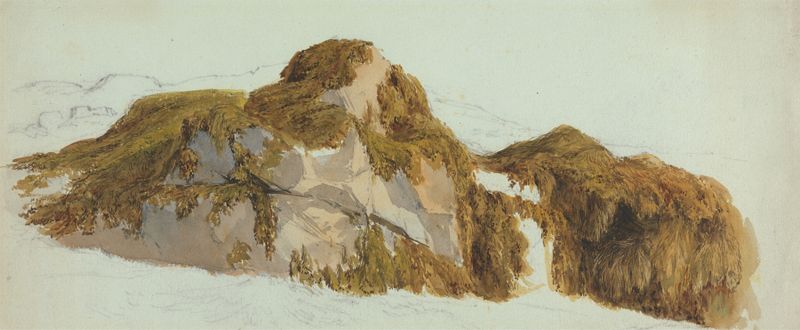
Study of Rocks Covered with Seaweed
Edward Duncan
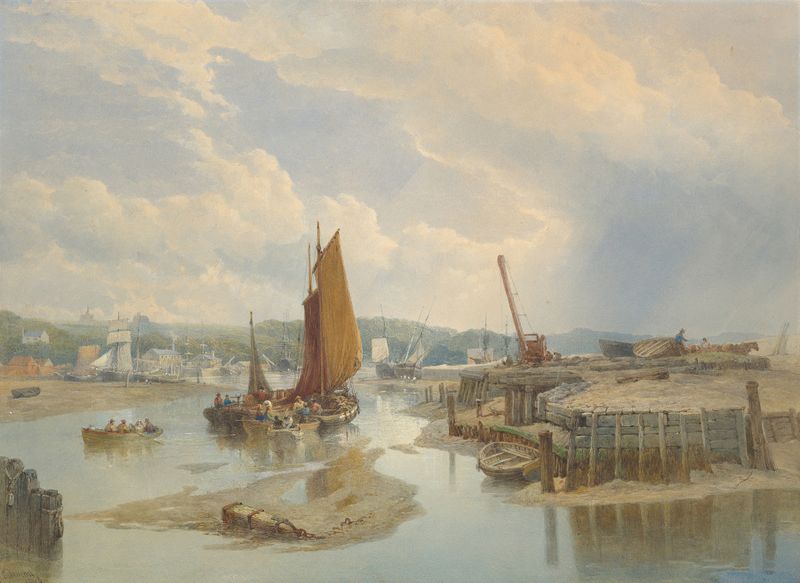
A Town on an Estuary at Low Tide
Edward Duncan
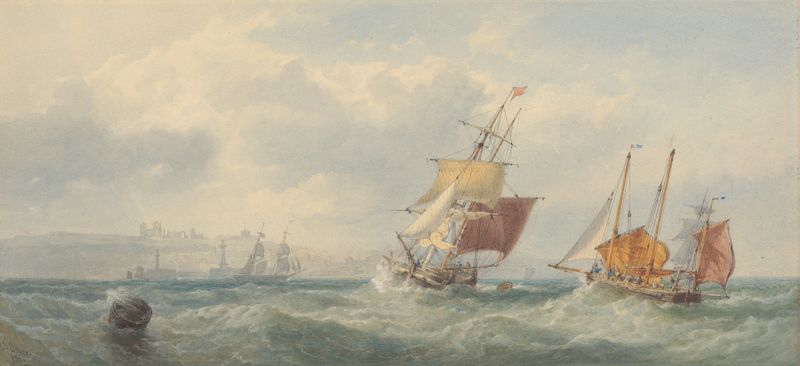
Off Whitby
Edward Duncan
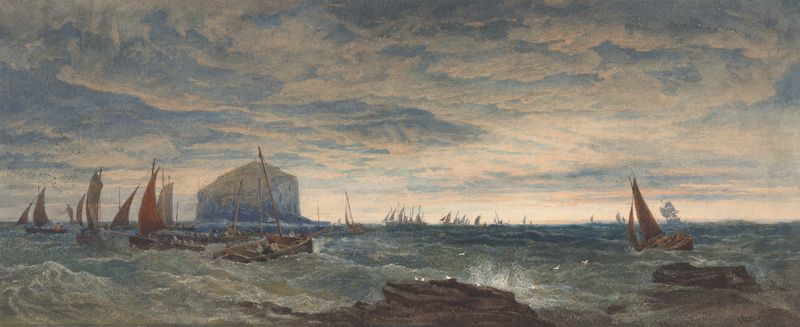
The Bass Rock at Dawn
Edward Duncan
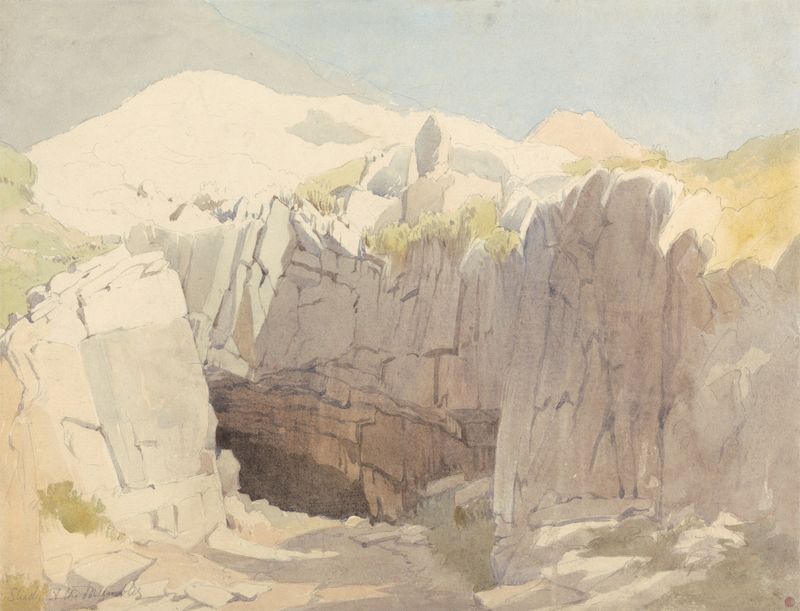
Study of Rocks at Mumbles
Edward Duncan





