
Study of Rocky Mountains — History & Facts
Did the painter know this moment would outlive them? In the hush of the mountains, where shadows stretch like whispers, a sense of eternity lingers in the air, waiting to be captured and shared. Look to the left at the jagged peaks glistening under a delicate interplay of light and shadow. The brushstrokes dance across the canvas, creating a breathtaking texture that beckons the viewer to step closer. The brilliant use of color—from deep greens to radiant whites—further enhances the grandeur of the landscape, making it feel alive.
It’s as if the mountains breathe, their majesty almost tangible, pulling the eye toward the horizon where the sky meets the earth. Within this vast expanse, contrasts abound, evoking a profound emotional response. The interplay of light and shadow not only highlights the rugged beauty of the terrain but also symbolizes the duality of nature—its serenity and its ferocity. The shadows cast by the mountains hint at mysteries untold, inviting contemplation about the forces that shape our world.
Each element in the painting serves as a reminder of both the beauty and the impermanence of life, urging viewers to appreciate the moment. During the mid-19th century, Bierstadt created this work amidst a burgeoning interest in American landscapes. He was deeply influenced by the Westward Expansion and the desire to capture its splendor, a reflection of both personal ambition and the societal hunger for exploration. This period was marked by an evolution in art, as Romanticism embraced nature’s grandeur, and Bierstadt became a key figure, immortalizing the wild, untamed beauty of the American frontier.
More Artworks by Albert Bierstadt
Browse all →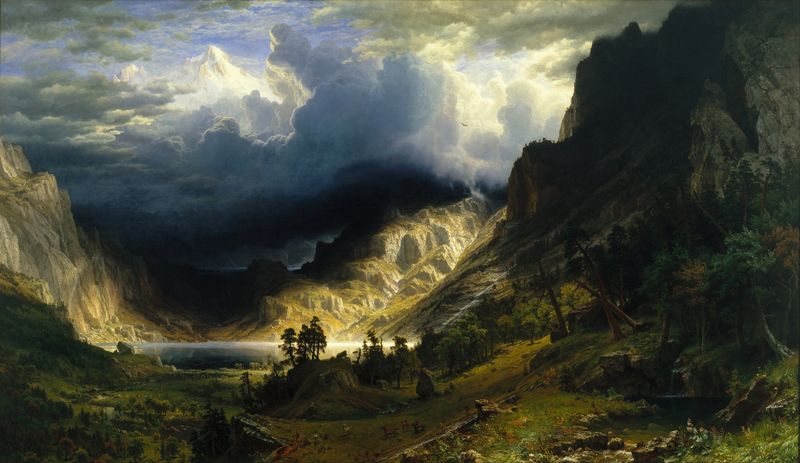
A Storm in the Rocky Mountains, Mt. Rosalie
Albert Bierstadt
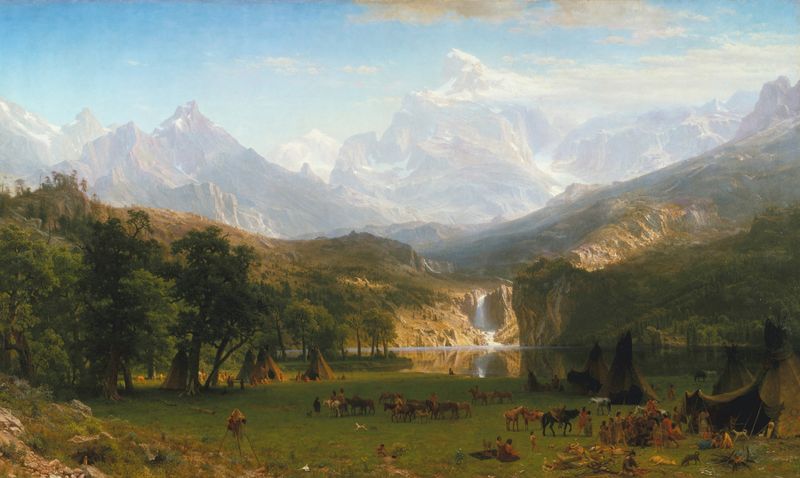
The Rocky Mountains, Lander’s Peak
Albert Bierstadt
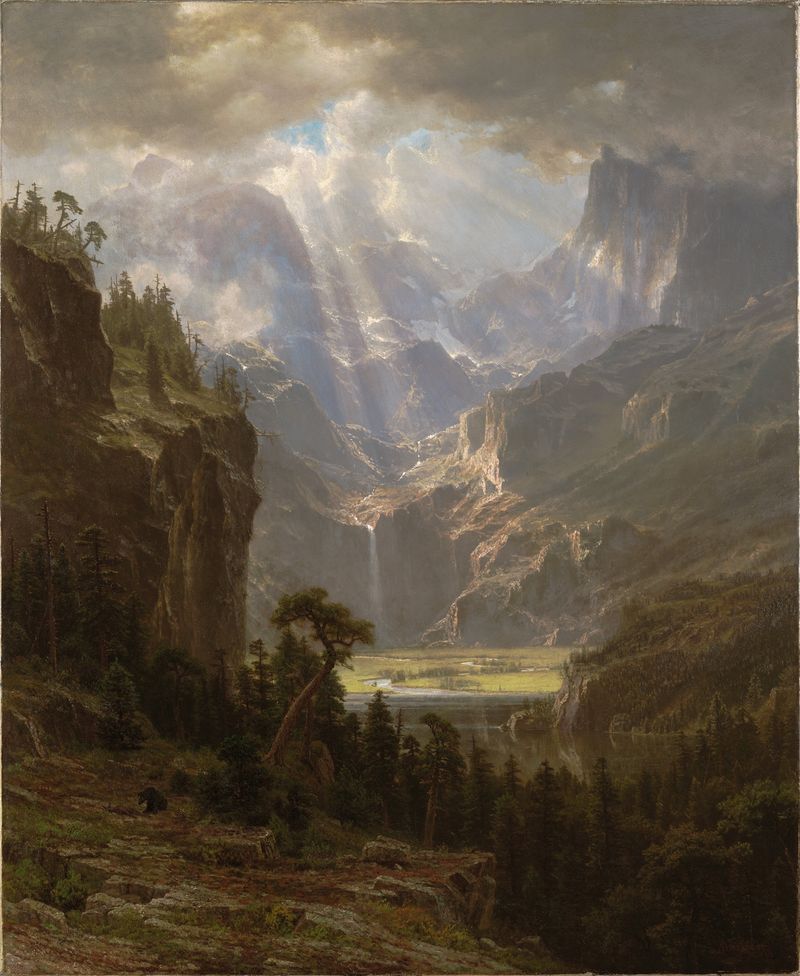
Rocky Mountains, Lander’s Peak
Albert Bierstadt
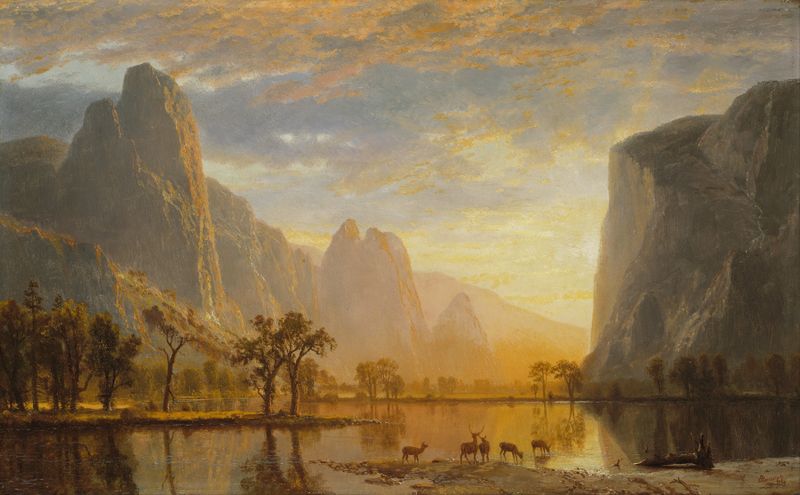
Valley of the Yosemite
Albert Bierstadt
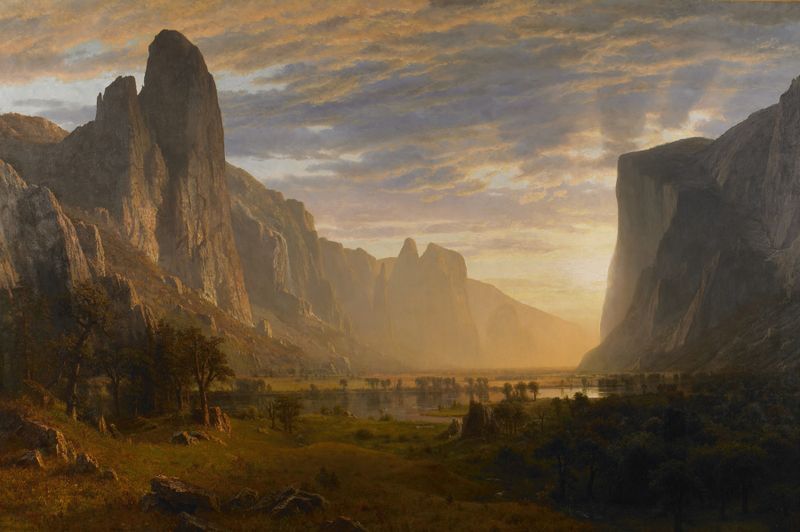
Looking Down Yosemite Valley, California
Albert Bierstadt
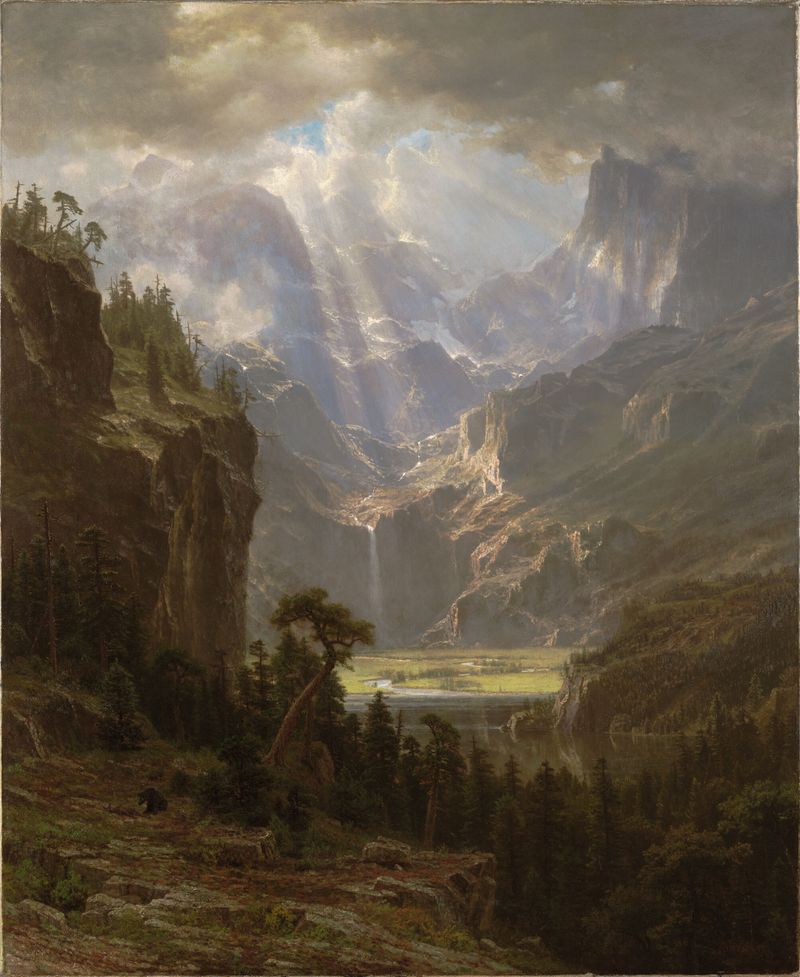
Rocky Mountains, "Lander's Peak"
Albert Bierstadt
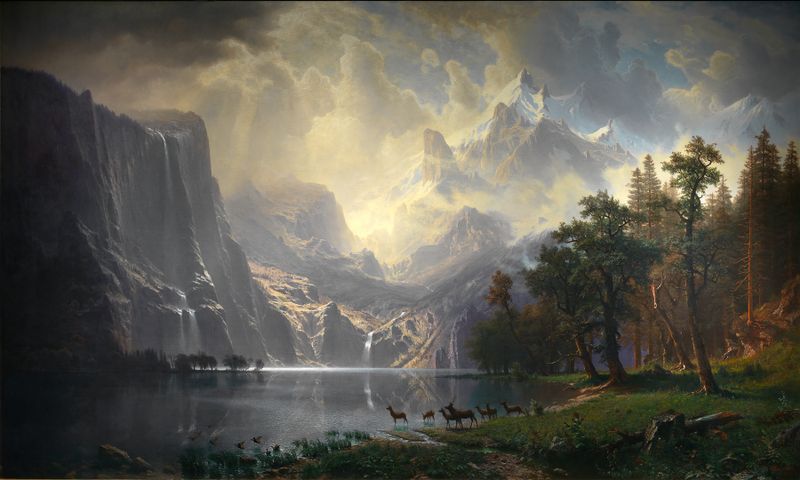
Among the Sierra Nevada, California
Albert Bierstadt
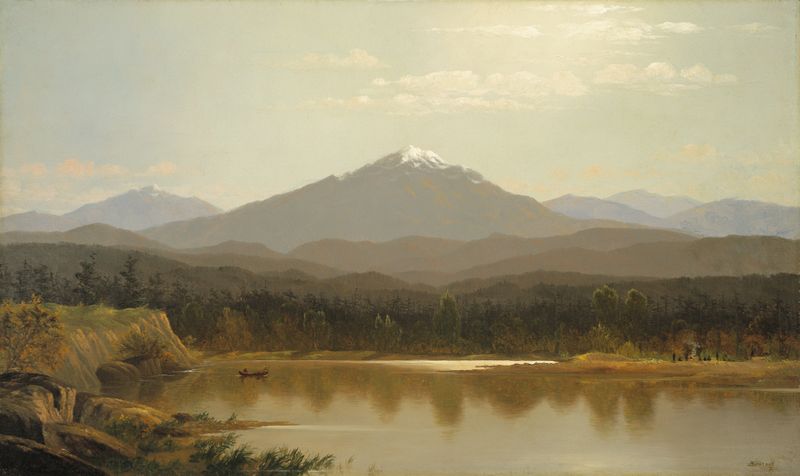
Laramie Peak
Albert Bierstadt
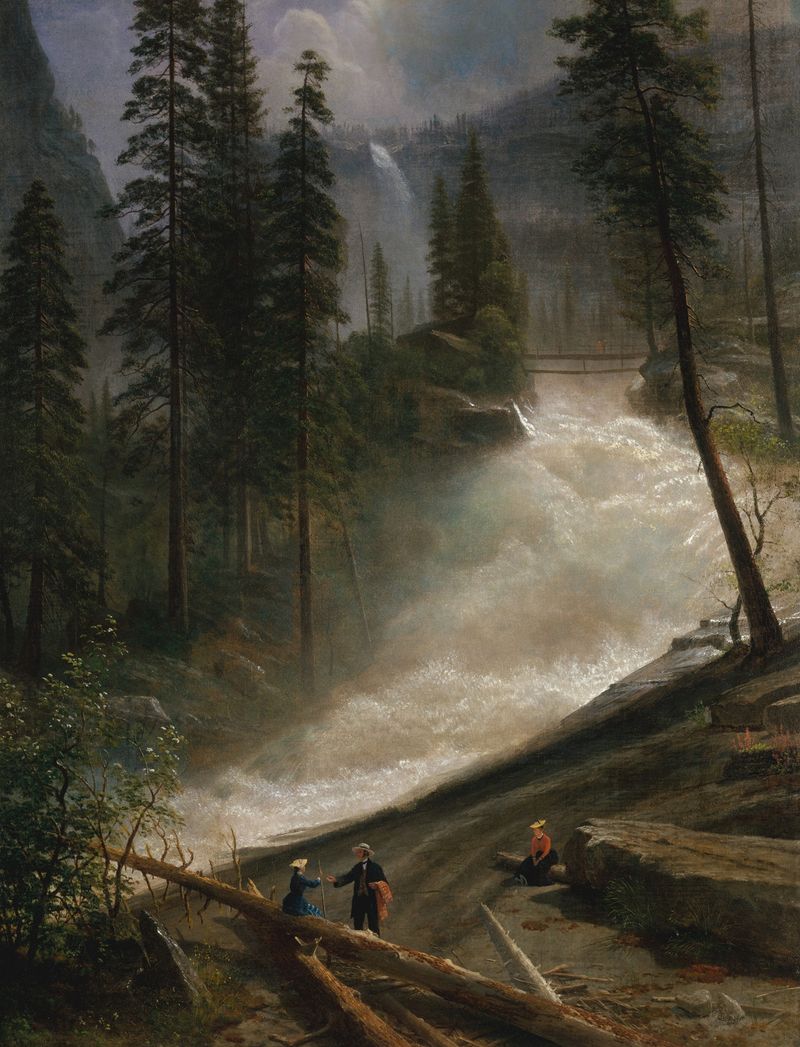
Nevada Falls, Yosemite
Albert Bierstadt
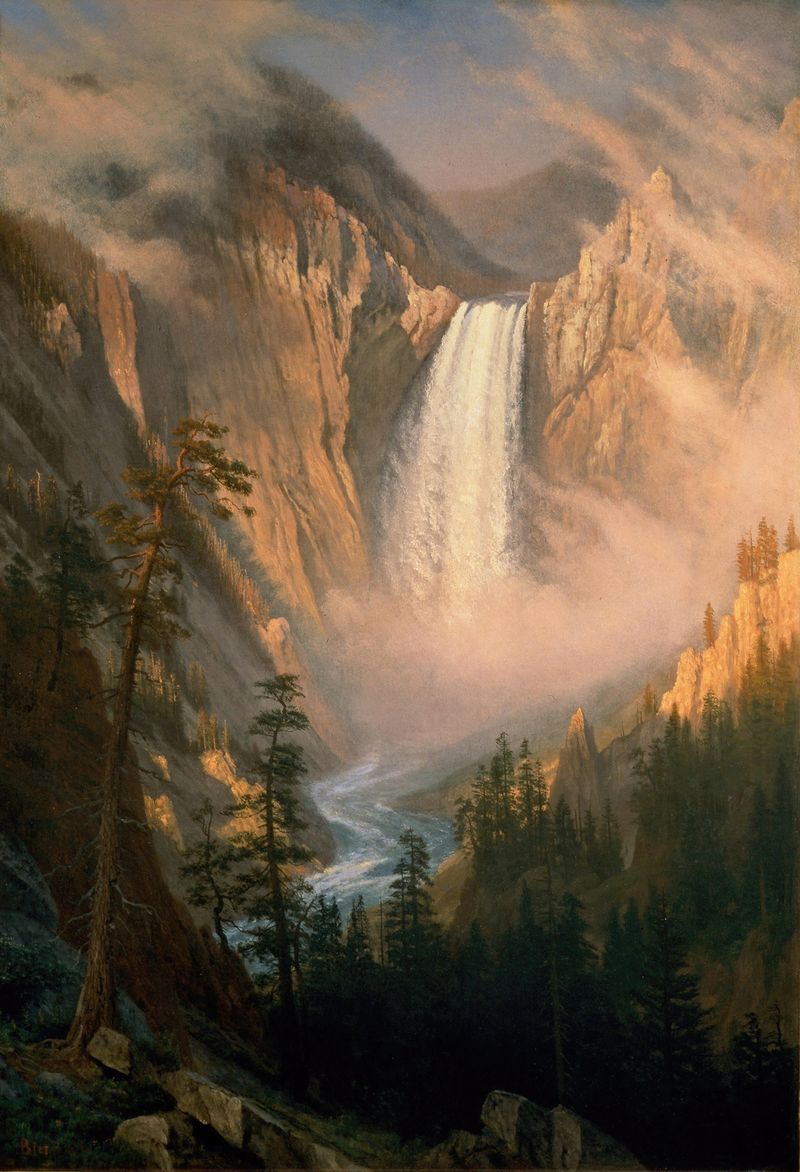
Yellowstone Falls
Albert Bierstadt





