
Sudak — History & Facts
In Sudak, a transformative vision emerges, capturing the delicate balance between decay and beauty, embodying the fleeting nature of life itself. Look to the center of the canvas where the steadfast ruins rise against a backdrop of turbulent skies. The artist masterfully employs a palette of earthy tones, blending warm ochres with cool blues, creating a sense of depth and movement. Notice how the light bathes the stonework in a golden hue, illuminating cracks and crevices, while shadows linger in the corners, hinting at stories long forgotten.
This interplay of light and shadow not only enhances the structure's texture but also invites contemplation on the passage of time. The juxtaposition of the crumbling architecture with the vibrant landscape surrounding it speaks to the themes of resilience and impermanence. Each weathered stone carries the weight of history, while the lush greenery encroaching upon the ruins evokes a sense of rebirth amidst decay. An ethereal quality permeates the scene, suggesting that beauty can thrive even in degradation, and that every ending carries the whisper of a new beginning. Ciągliński created Sudak in 1904 during a period of significant personal and artistic exploration.
Living in Poland, he was deeply influenced by historical themes and the interplay of nature and architecture. At this time, the art world was seeing shifts towards realism and the impressionistic representation of landscapes, reflecting a broader cultural movement that sought to bridge the past with the emerging modernity.
More Artworks by Jan Ciągliński
Browse all →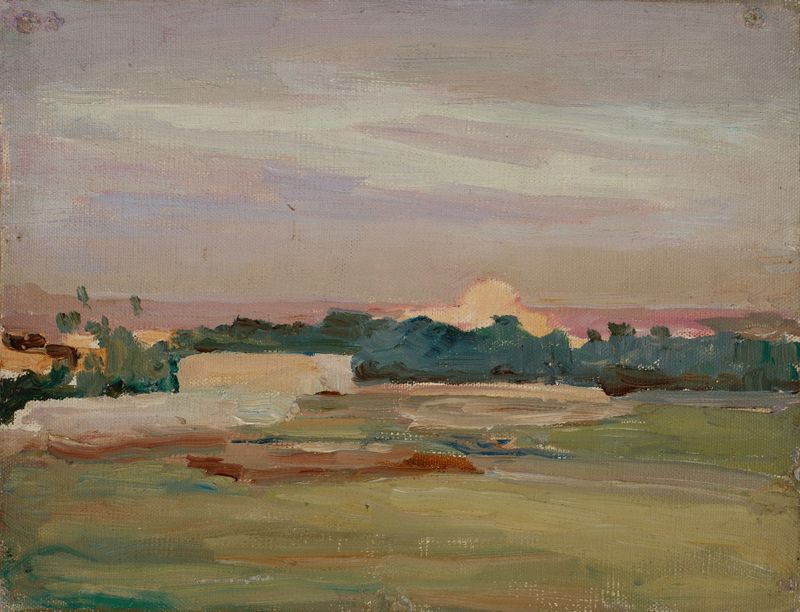
The Sirocco
Jan Ciągliński
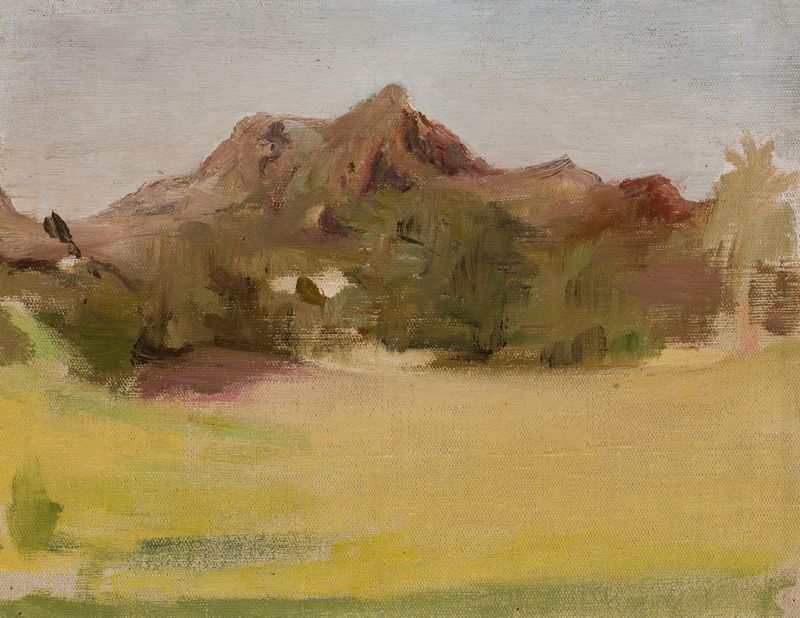
Mountain landscape. From the journey to India
Jan Ciągliński
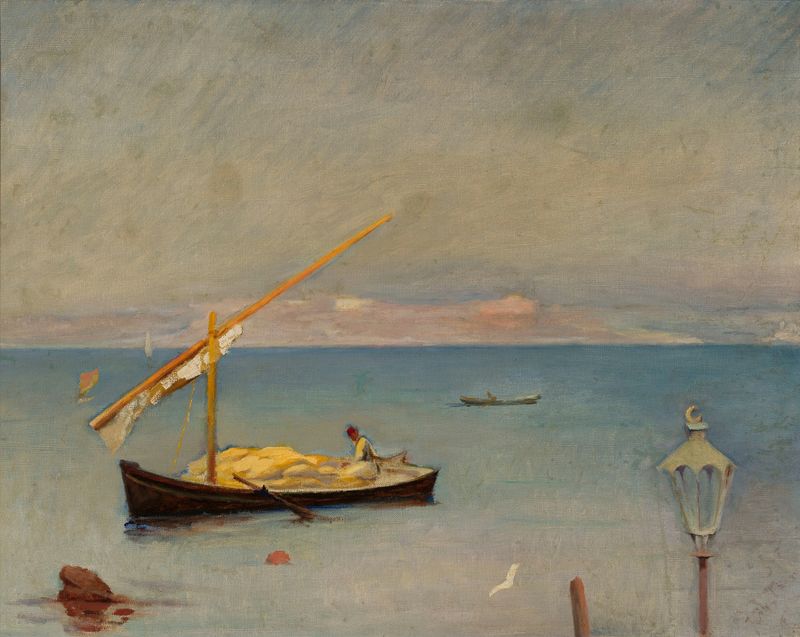
At Bosporus
Jan Ciągliński
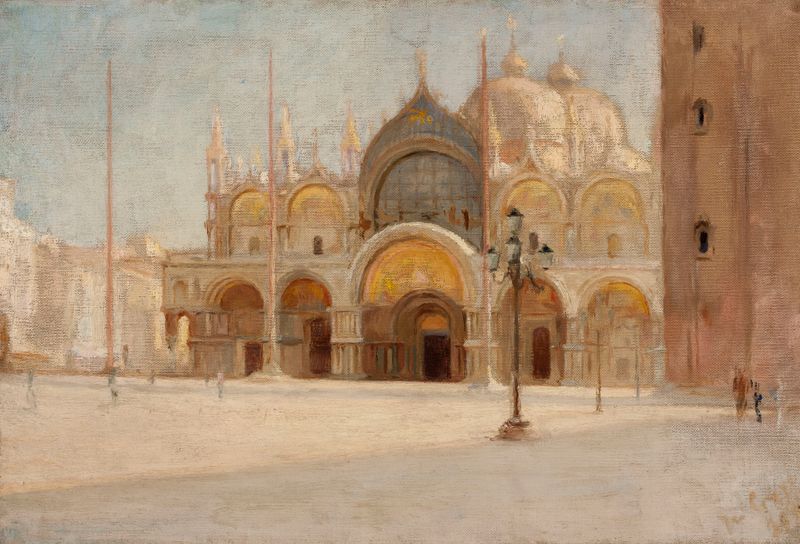
St Mark’s Square in Venice
Jan Ciągliński
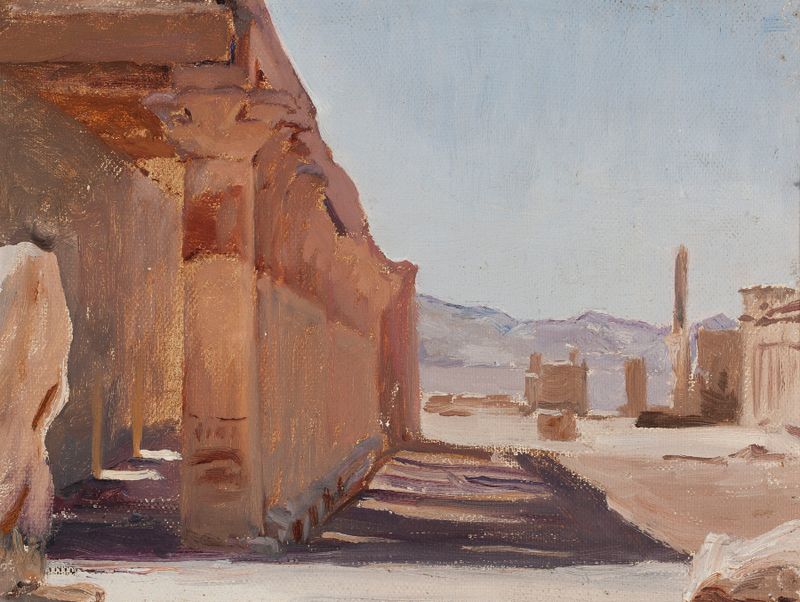
Temple. From the journey to Egypt
Jan Ciągliński
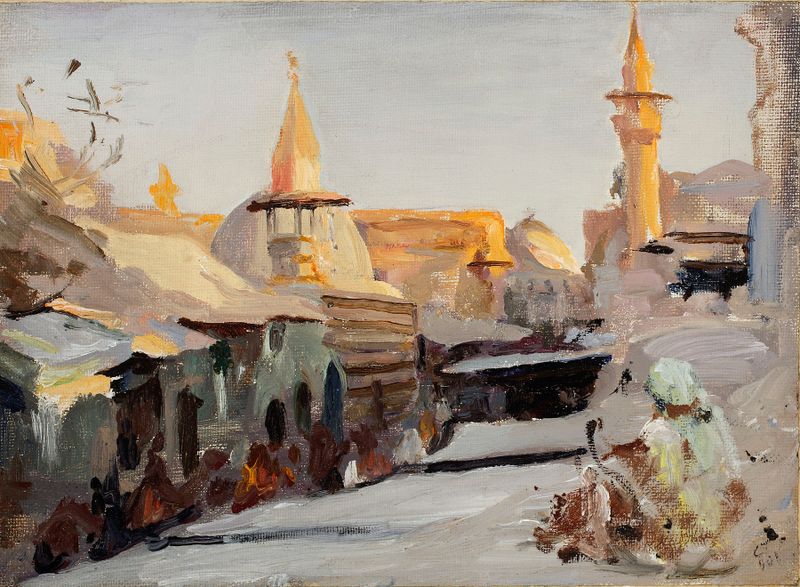
Street in Damascus. From the journey to Palestine
Jan Ciągliński
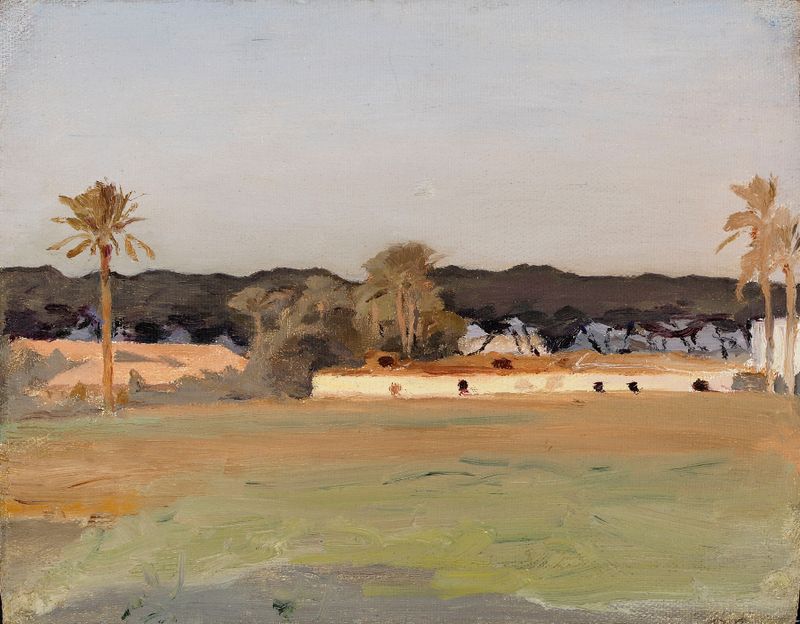
Evening. From the journey to Egypt
Jan Ciągliński
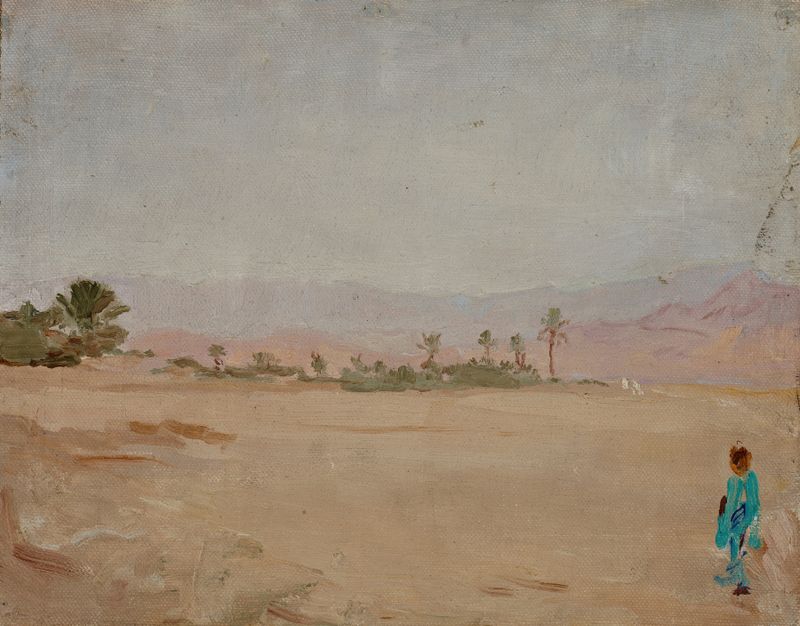
Sahara (Desert)
Jan Ciągliński
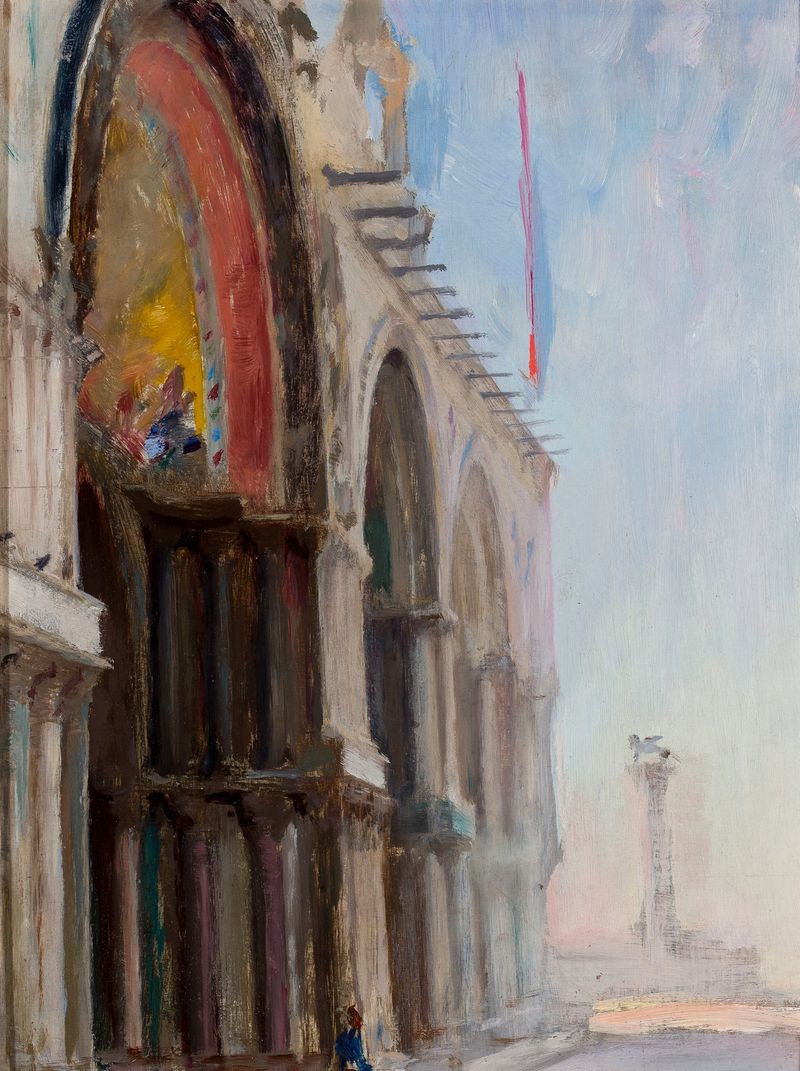
Venice – San Marco. From the journey to Italy
Jan Ciągliński
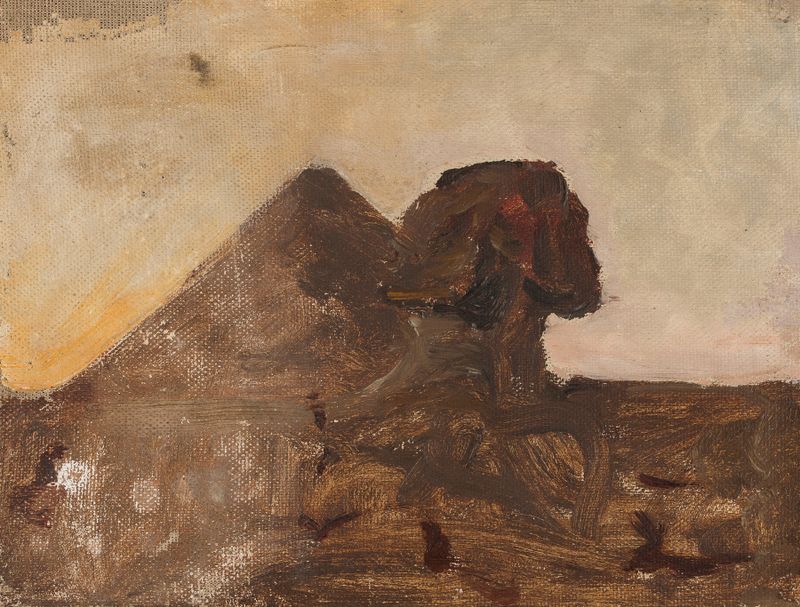
Evening in the desert – Sphinx and pyramid. From the journey to Egypt
Jan Ciągliński





