
Sudak — History & Facts
In the depths of solitude, the essence of loneliness breathes through the muted colors and textured layers of this artwork. It invites introspection, compelling the viewer to delve into feelings that resonate with their own experiences of isolation. Look to the center, where the ancient stone towers rise like sentinels against a backdrop of a fading sky. Notice how the artist has chosen a palette of earth tones, contrasting with the vibrant blues of the sea below.
The strokes are deliberate yet fluid, creating a sense of movement amidst the stillness. The horizon, blurred and expansive, draws the eye outward, evoking a longing for connection with the vastness beyond the canvas. Embedded within the landscape are profound emotional tensions. Each craggy cliffface mirrors the jagged edges of the human experience, while the tranquil waters below serve as a stark contrast to the tumultuous sentiments of isolation.
The interplay of light and shadow conveys the complexity of solitude—how it can simultaneously envelop and liberate. This duality is further emphasized in the way the sky transitions from soft pastels to deeper, more solemn hues, hinting at the cyclical nature of hope and despair. In 1904, Jan Ciągliński painted this piece during a period of burgeoning exploration in the realm of impressionism, while grappling with his own sense of belonging. Having recently settled in England, he was influenced by both his Polish roots and the new artistic currents that surrounded him.
The work reflects not just his personal journey, but also the broader landscape of early 20th-century art, where emotions began to take precedence over realism.
More Artworks by Jan Ciągliński
Browse all →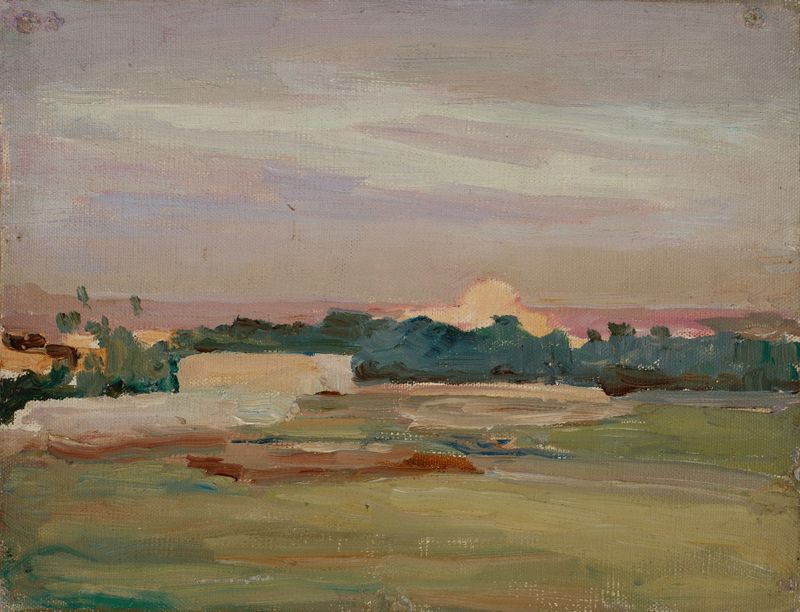
The Sirocco
Jan Ciągliński
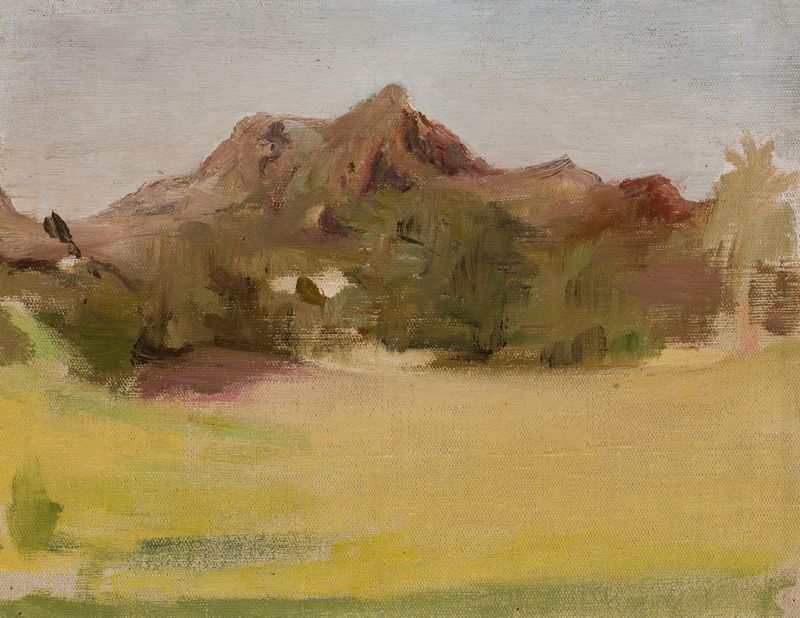
Mountain landscape. From the journey to India
Jan Ciągliński
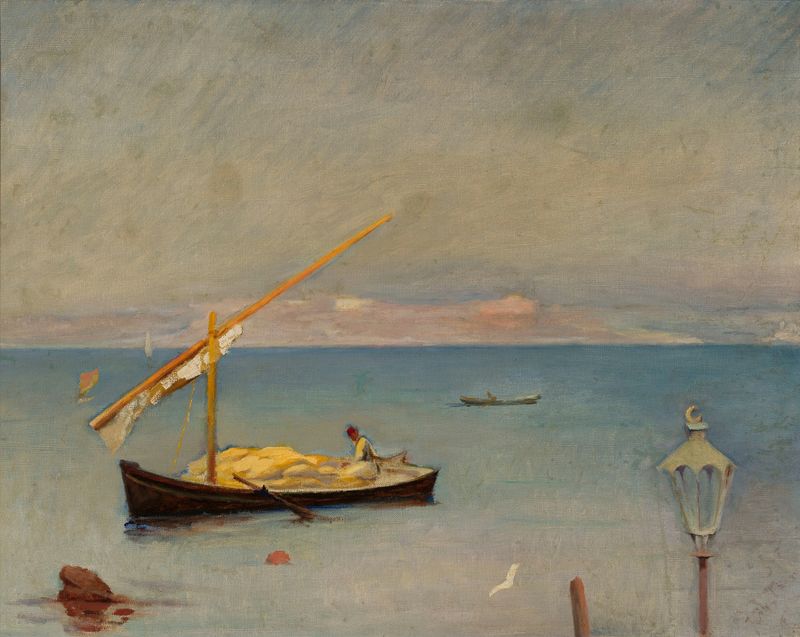
At Bosporus
Jan Ciągliński
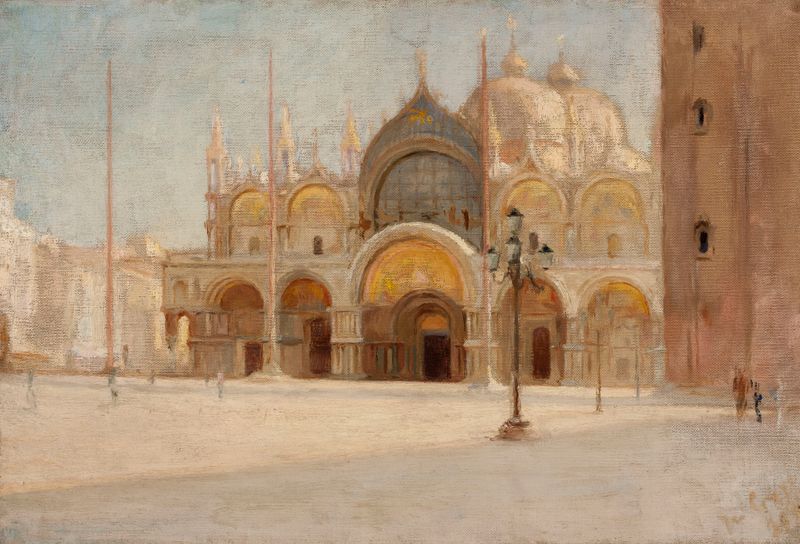
St Mark’s Square in Venice
Jan Ciągliński
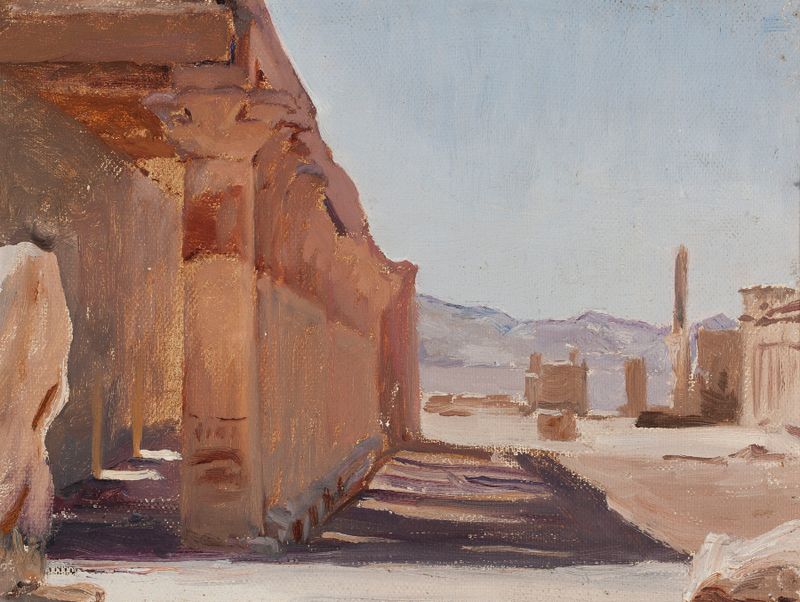
Temple. From the journey to Egypt
Jan Ciągliński
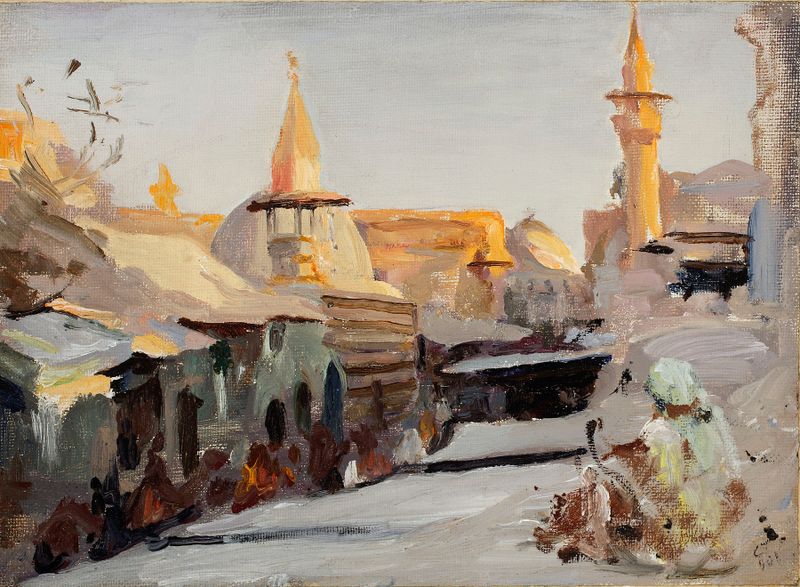
Street in Damascus. From the journey to Palestine
Jan Ciągliński
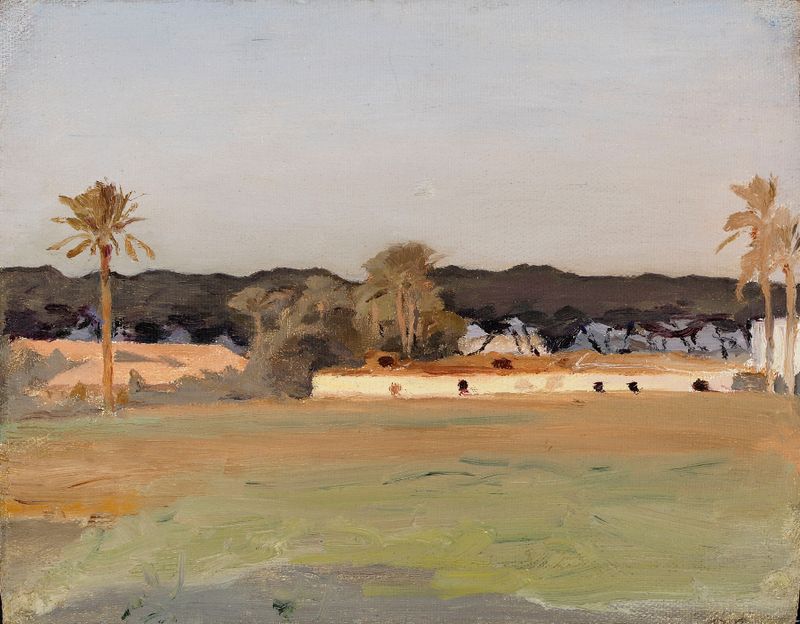
Evening. From the journey to Egypt
Jan Ciągliński
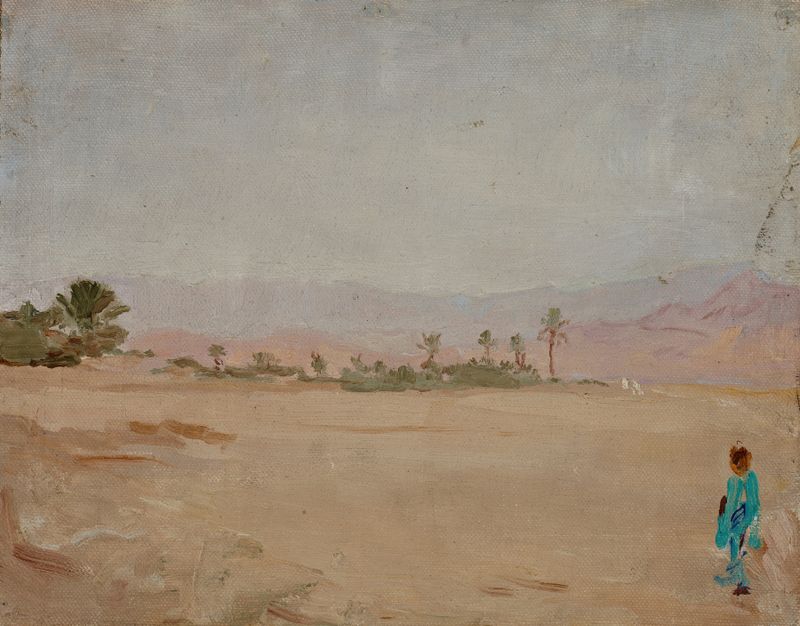
Sahara (Desert)
Jan Ciągliński
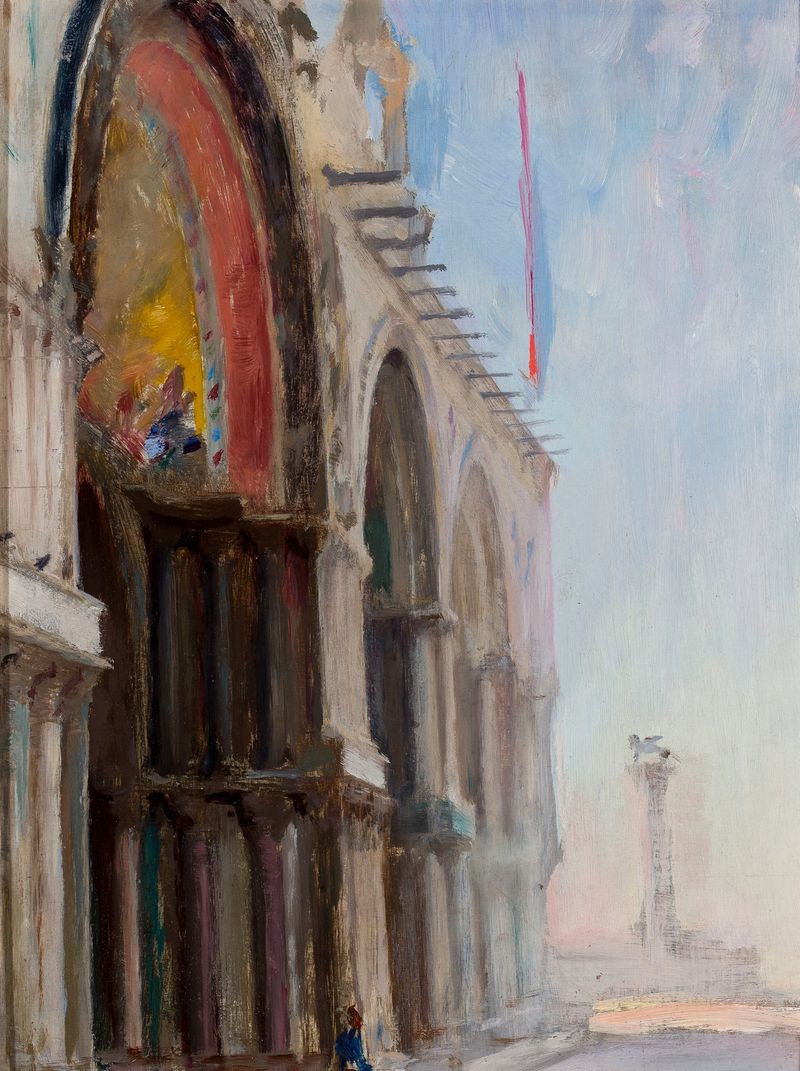
Venice – San Marco. From the journey to Italy
Jan Ciągliński
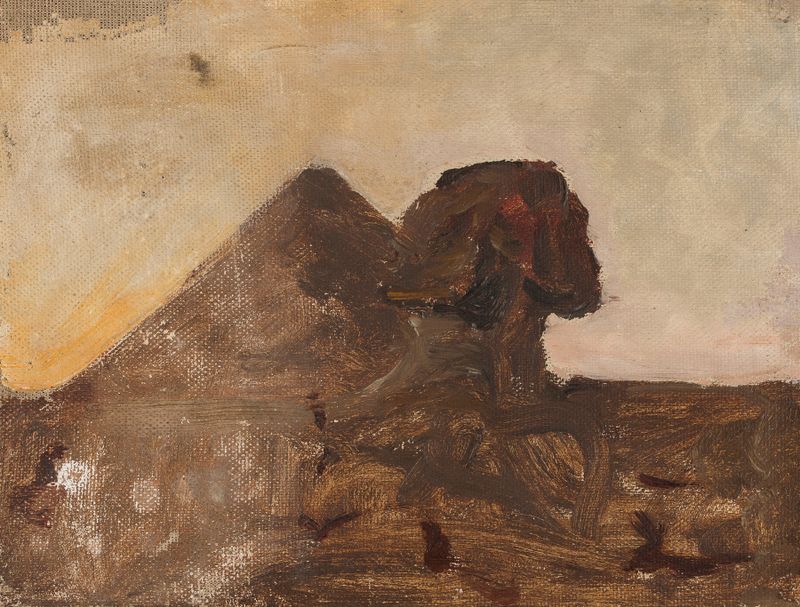
Evening in the desert – Sphinx and pyramid. From the journey to Egypt
Jan Ciągliński





