
Sudak (Spring) — History & Facts
In a world where memories fade like whispers, the essence of our legacies is captured through the delicate rhythm of artistry. As you gaze upon Sudak (Spring), look first to the sweeping hills that rise in the background, their undulating lines inviting your eyes to wander. Notice how the vibrant greens and soft blues blend harmoniously, creating a sense of renewal and hope. The foreground bursts with life—wildflowers dancing in the gentle breeze—each petal an echo of the season’s promise.
The artist's use of light illuminates the scene, casting a warm glow that both highlights the beauty of the landscape and evokes a sense of nostalgia. There is a profound contrast between the tranquility of the natural elements and the underlying weight of history. The bright colors signify rebirth, yet each stroke carries the weight of those who walked this land before, hinting at the rich stories buried within the earth. The painting becomes a testament to resilience and continuity, where every shade and texture tells a story of life persisting through time. In 1904, Jan Ciągliński painted this piece while living in London, influenced by his Polish heritage and the romantic ideals of the time.
This period marked a significant moment in the art world, where the transition from traditional realism to more impressionistic forms allowed artists to explore new expressions of emotion and place. As he captured the landscape of Sudak in spring, he infused it with a personal legacy, melding his past with contemporary visions of beauty.
More Artworks by Jan Ciągliński
Browse all →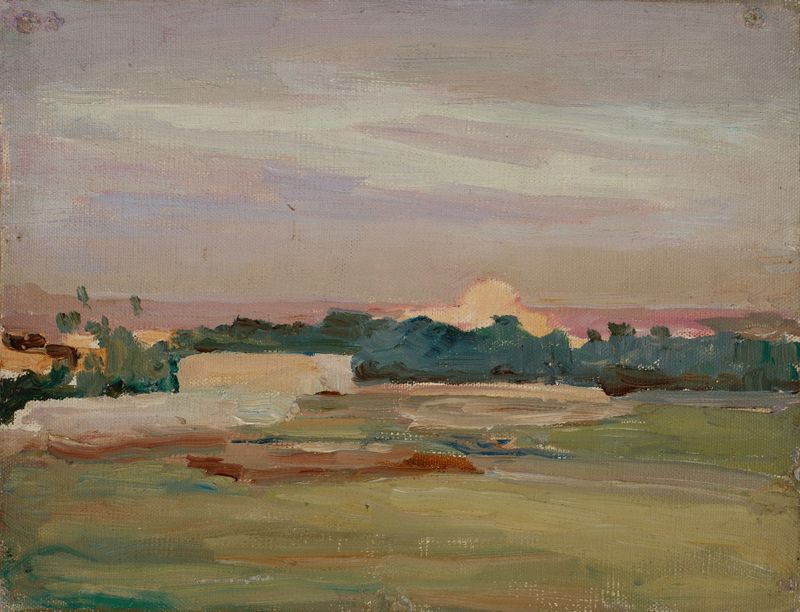
The Sirocco
Jan Ciągliński
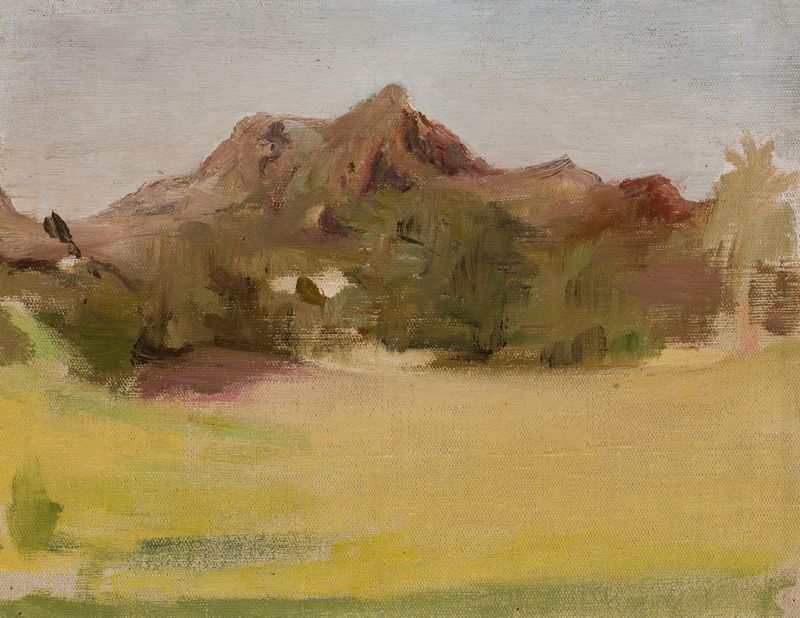
Mountain landscape. From the journey to India
Jan Ciągliński
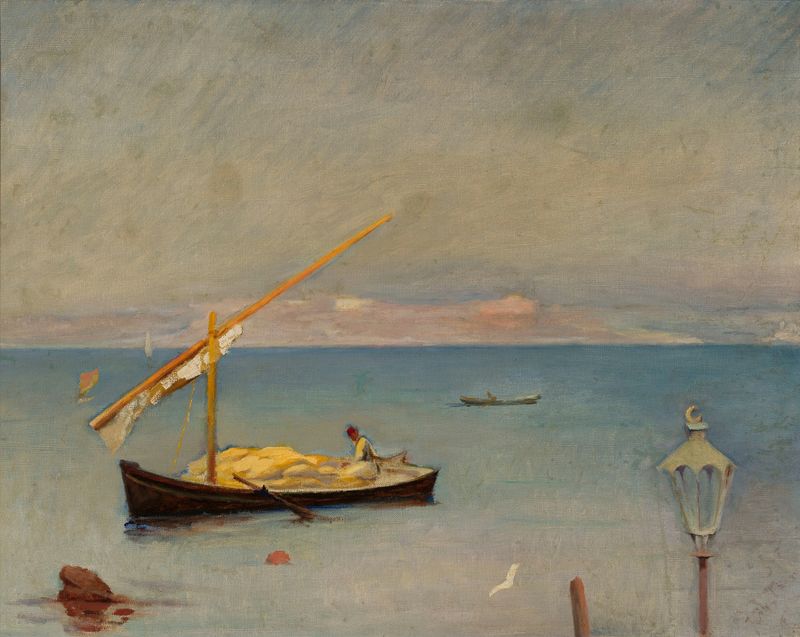
At Bosporus
Jan Ciągliński
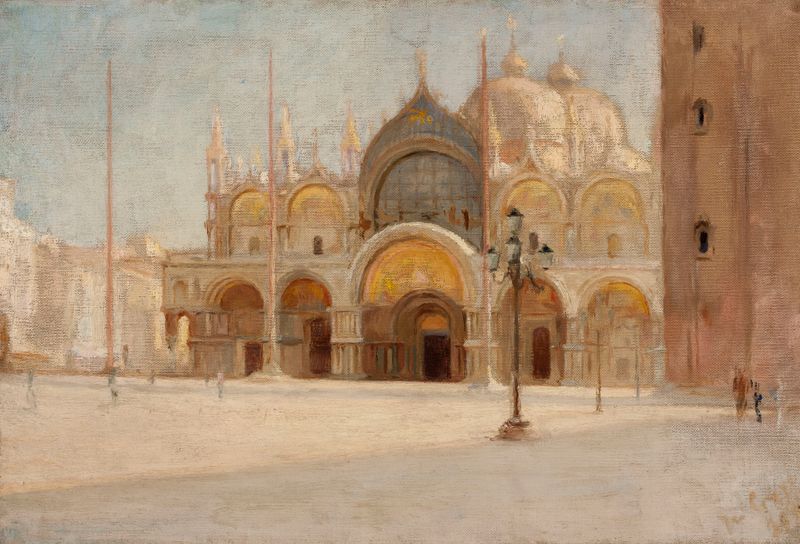
St Mark’s Square in Venice
Jan Ciągliński
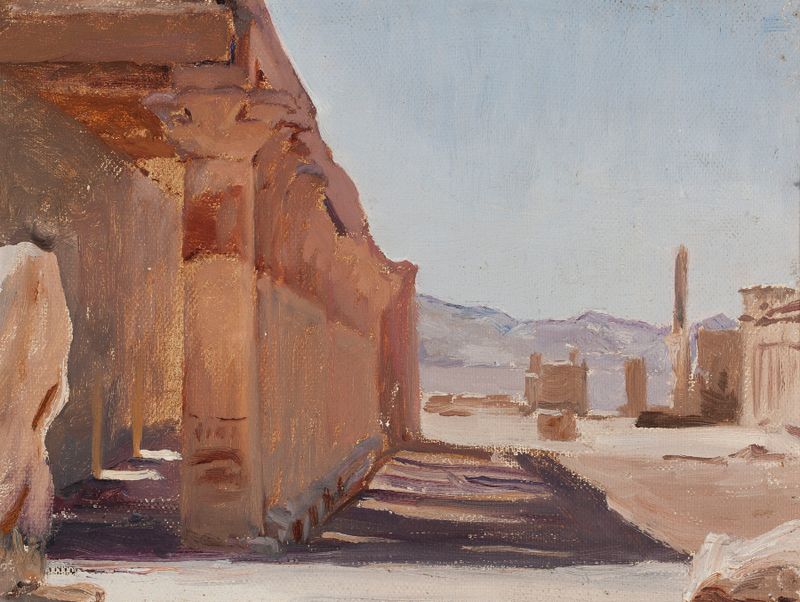
Temple. From the journey to Egypt
Jan Ciągliński
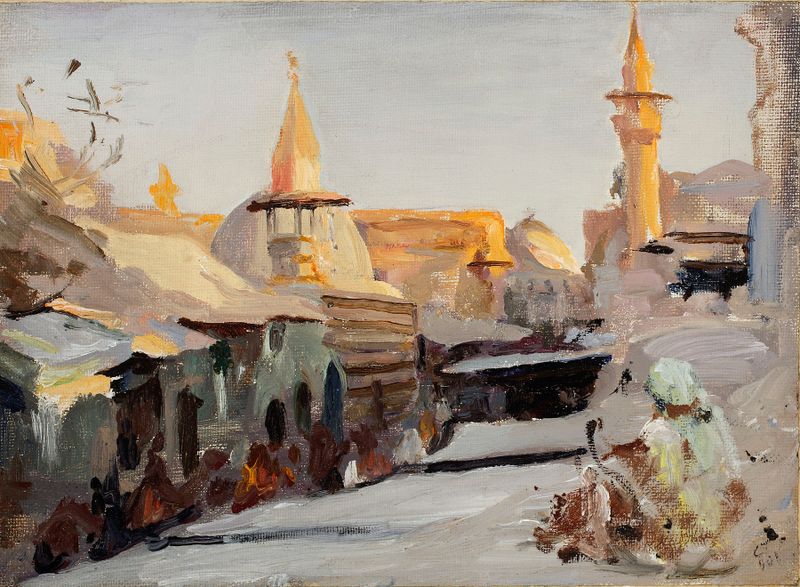
Street in Damascus. From the journey to Palestine
Jan Ciągliński
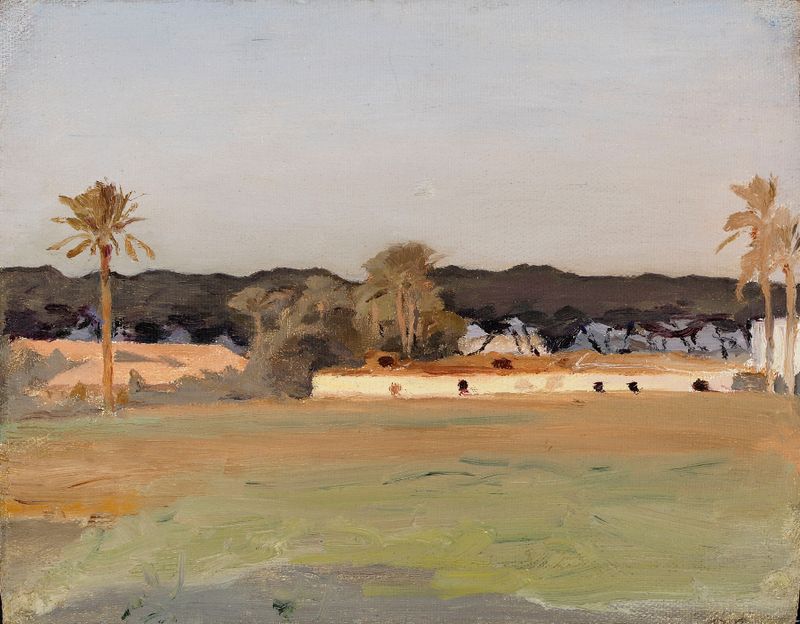
Evening. From the journey to Egypt
Jan Ciągliński
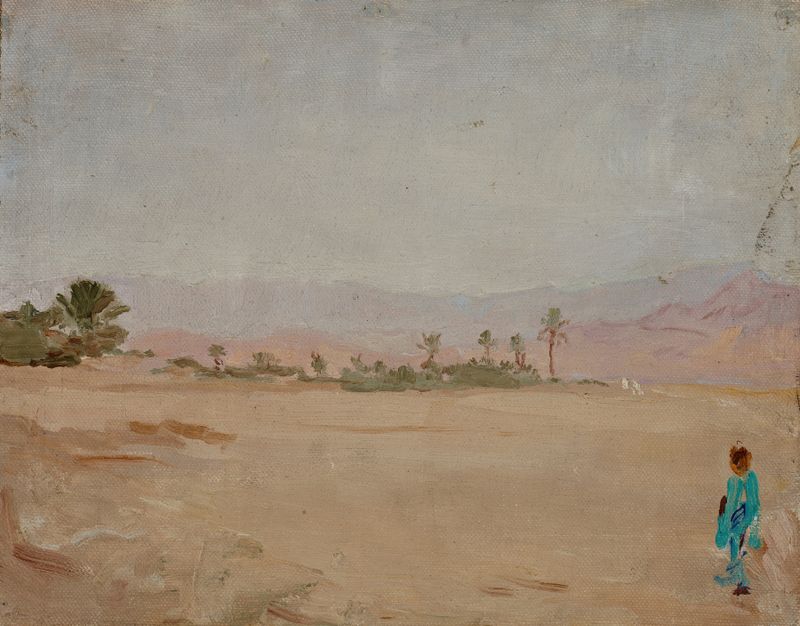
Sahara (Desert)
Jan Ciągliński
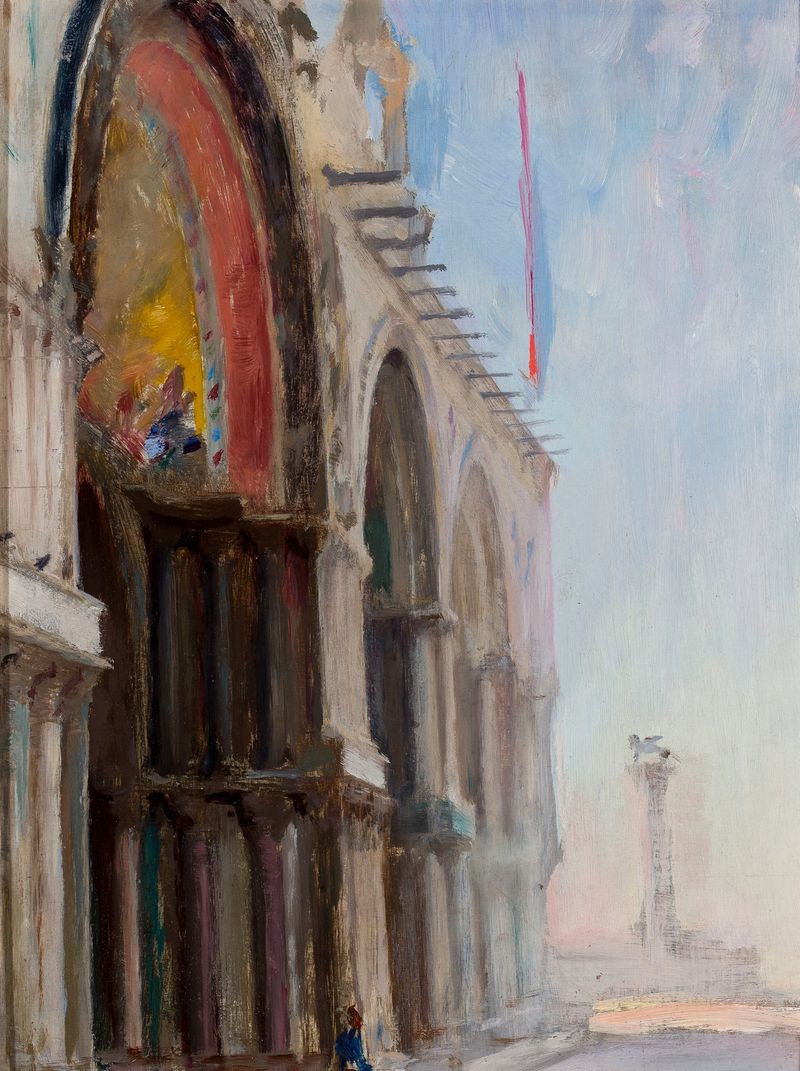
Venice – San Marco. From the journey to Italy
Jan Ciągliński
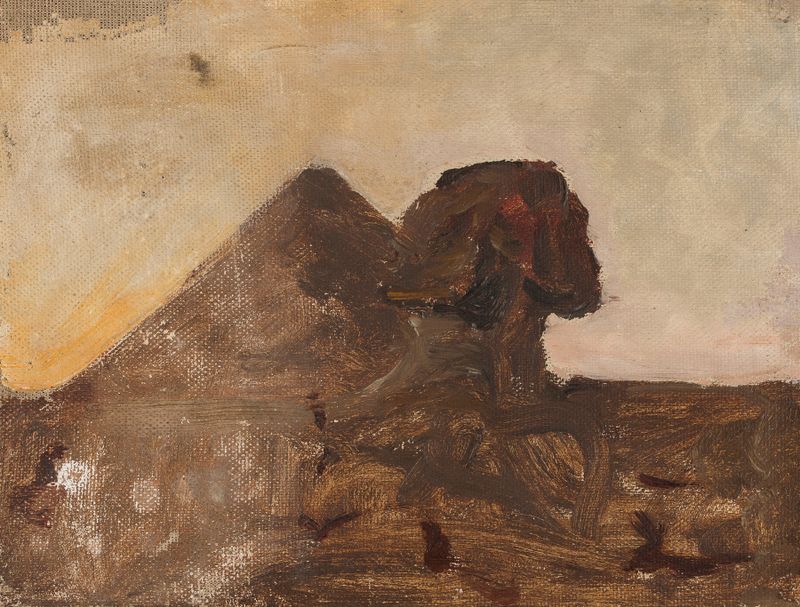
Evening in the desert – Sphinx and pyramid. From the journey to Egypt
Jan Ciągliński





