
Sugar Loaf, Cape of Good Hope — History & Facts
What if silence could speak through light? In Sugar Loaf, Cape of Good Hope, a profound stillness envelops the landscape, inviting the viewer to ponder the weight of absence amid breathtaking beauty. Look to the left at the towering form of Sugar Loaf, rising majestically against the expansive sky. The soft, muted colors of dawn blend seamlessly, the gentle pastels of pink and blue creating a tranquil atmosphere. The artist employs delicate brushwork to capture the fine details of the rocky terrain, while the play of light across the water reflects a fleeting moment, as if time itself holds its breath.
This serene composition is both a celebration of nature's grandeur and a poignant reminder of its transience. Yet, beneath this visual harmony lies an undercurrent of loss. The rugged cliffs, though striking, evoke an isolation that speaks to the heartache of separation from the familiar. The calm waters, seemingly inviting, hint at the dangers lurking beneath the surface.
These contrasts encapsulate a deeper emotional conflict—where beauty and melancholy coexist, suggesting that every moment of splendor carries the weight of what it cannot hold. In 1779, Samuel Davis painted this work while residing in the Cape Colony, a period marked by European exploration and colonial ambition. As the world around him teetered between discovery and exploitation, Davis sought to encapsulate the sublime landscapes of his surroundings. This painting reflects both the allure of the uncharted territory and the inevitable loss that such encounters would bring to the natural world.
More Artworks by Samuel Davis
Browse all →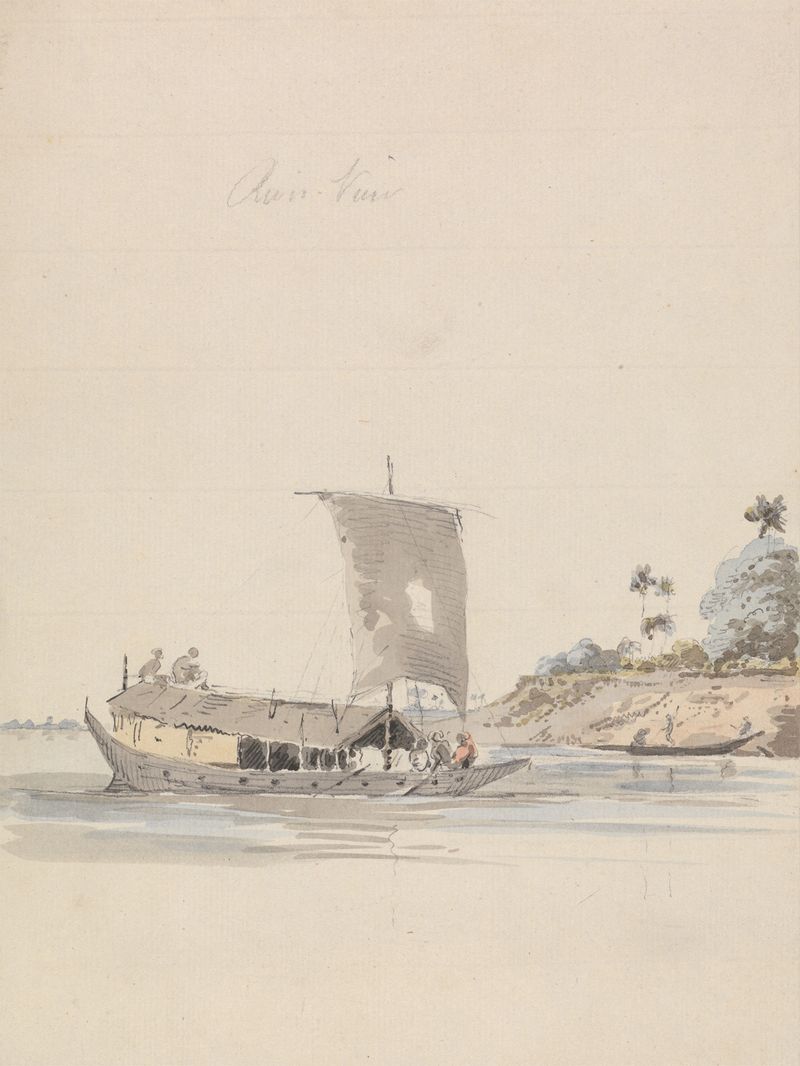
River View with a Junk (near Rajmahal)
Samuel Davis
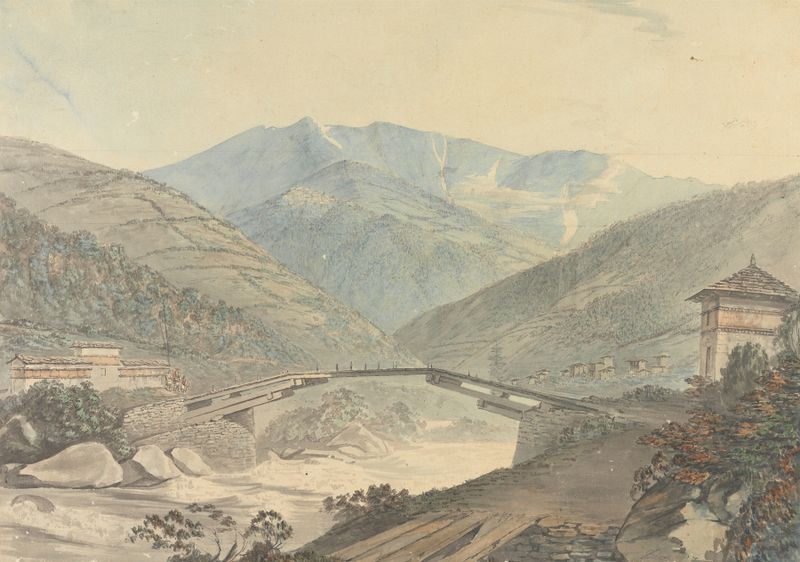
View near Tassisudon [Tashicho Dzong] in Bhutan
Samuel Davis
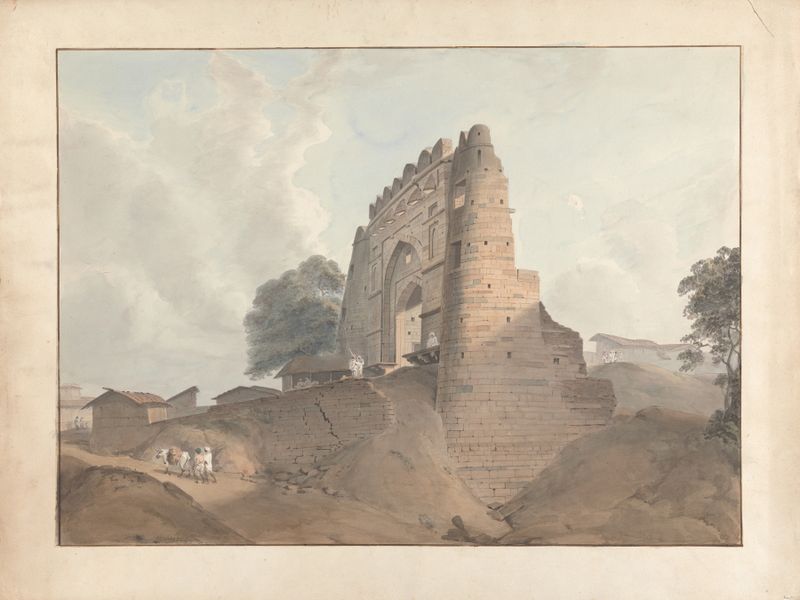
Gate of the Old Fort at Old Benares
Samuel Davis
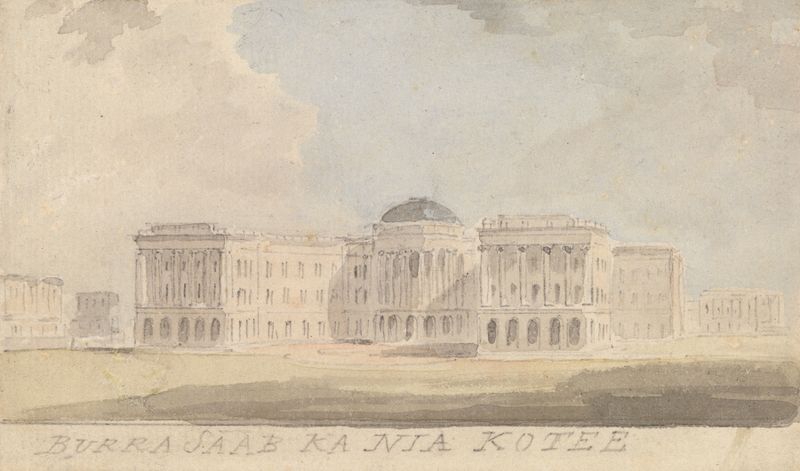
New Government House at Calcutta
Samuel Davis
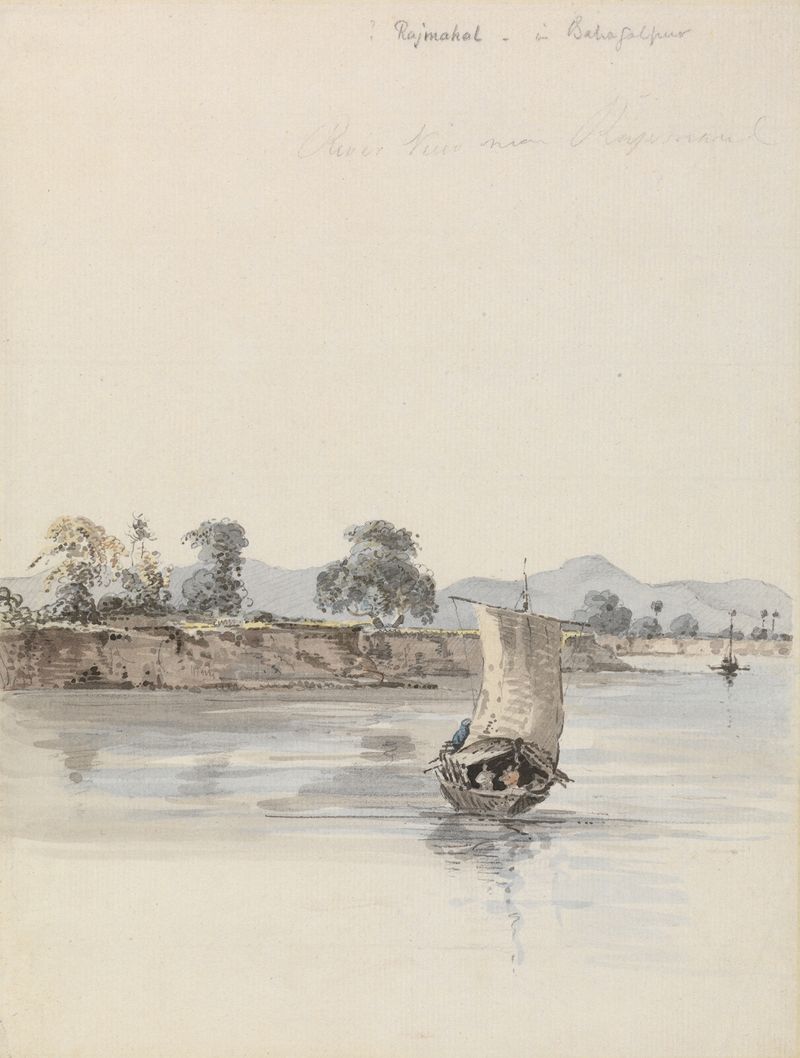
River View near Rajmahal
Samuel Davis
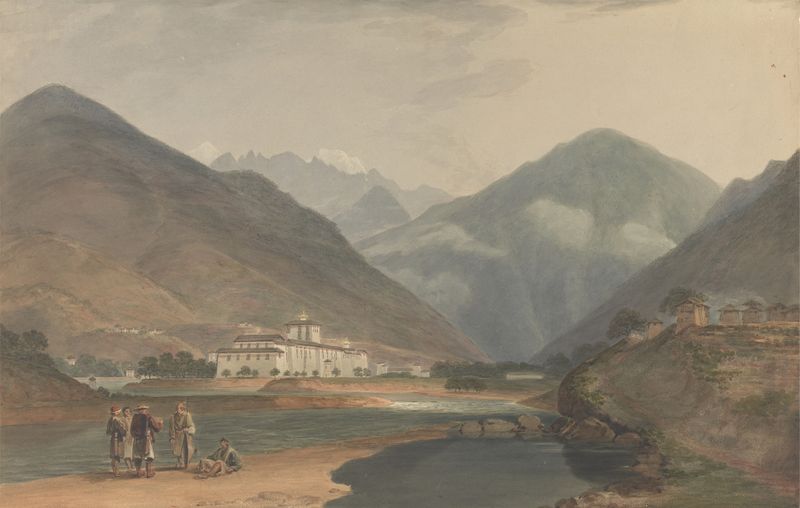
The Former Winter Capital of Bhutan at Punakha Dzong
Samuel Davis
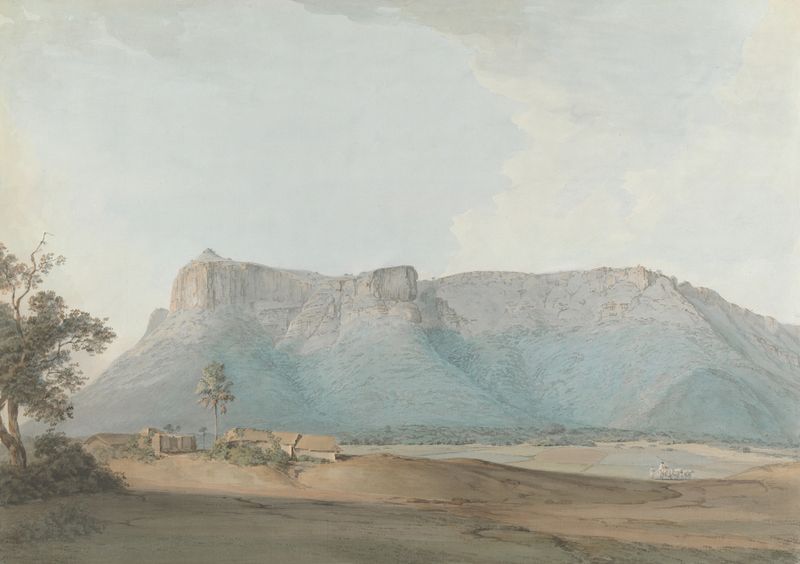
Rhotas from Akberpore
Samuel Davis
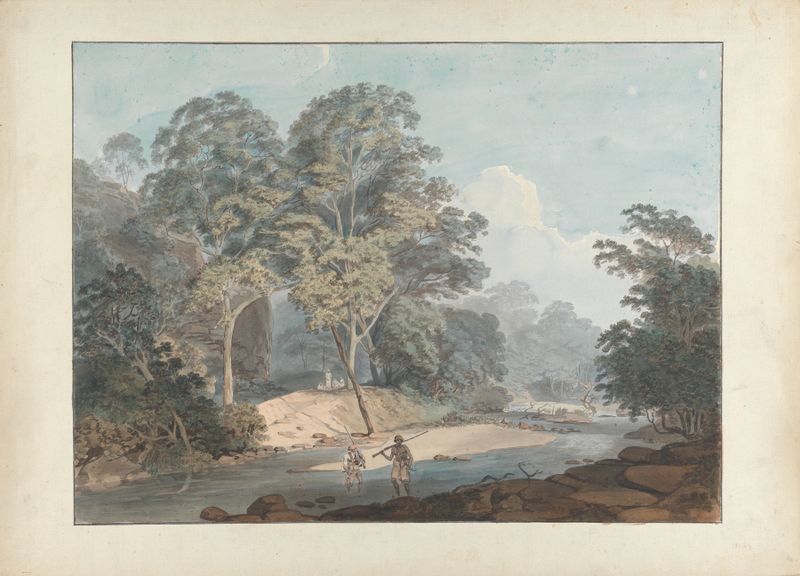
Rocky River Scene with Sepoys
Samuel Davis
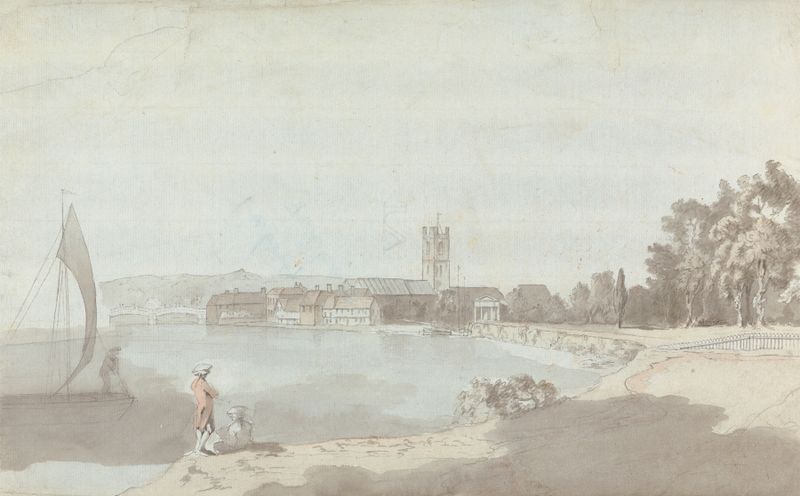
West Country Town by a River
Samuel Davis
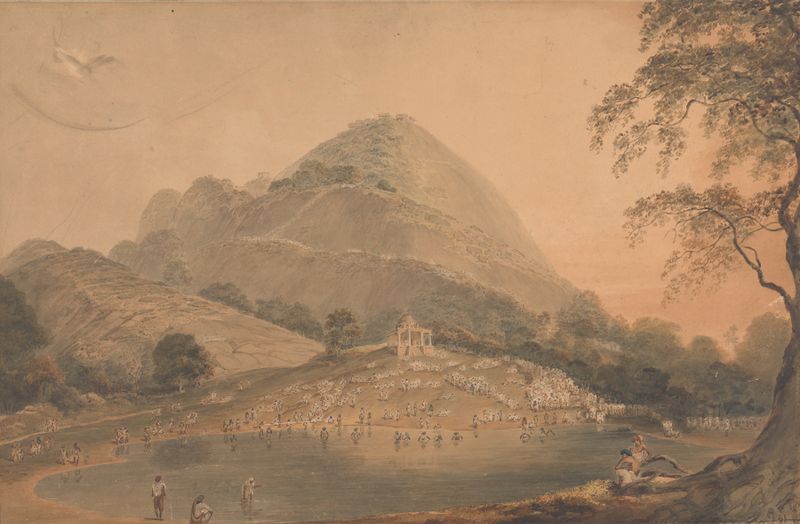
The Annual Resort of Hindoos to Mundar Hill near Bhagulpore [Bhagalpur]
Samuel Davis





