Summer Flowers — History & Facts
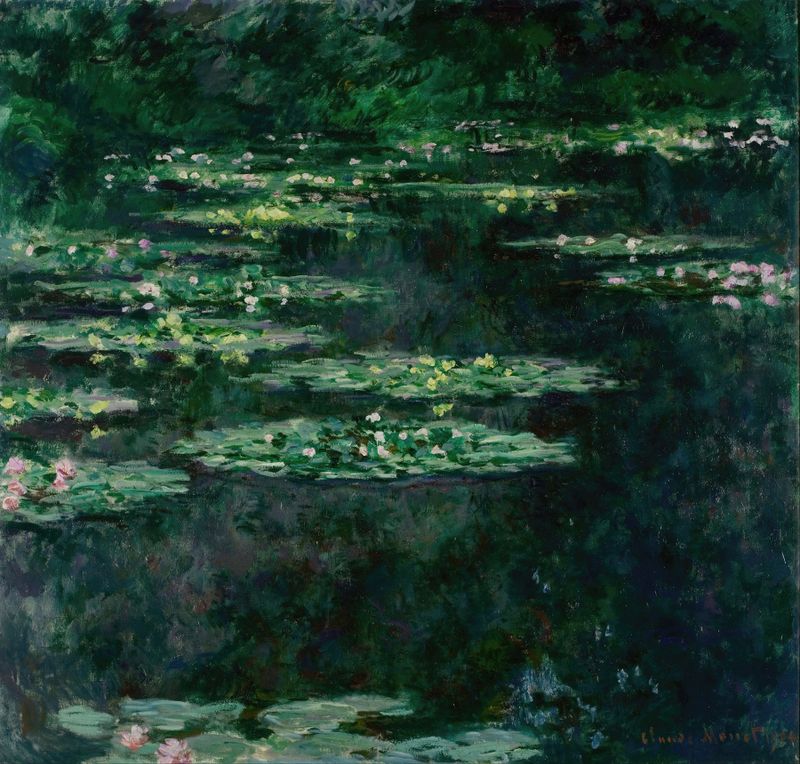
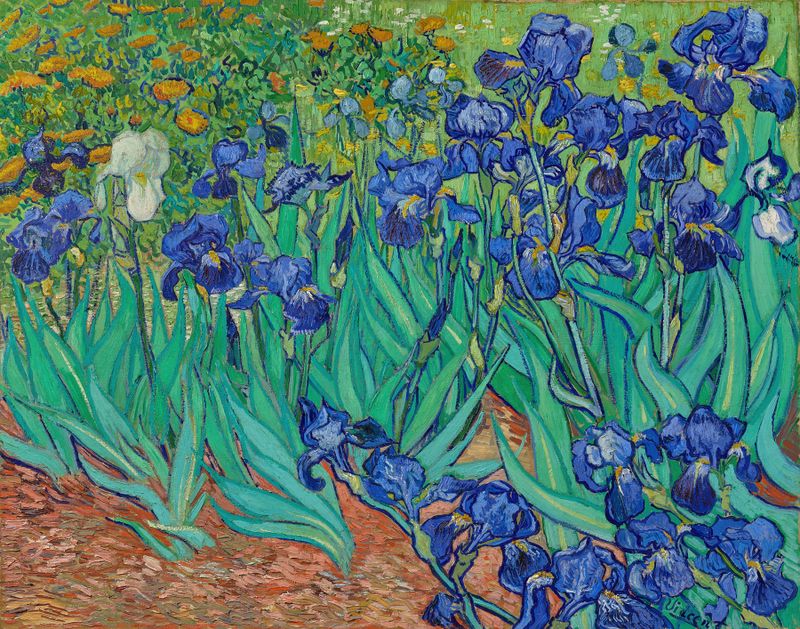
It speaks to the profound stillness within Summer Flowers, where nature’s vibrant palette invites an awakening of the senses, revealing stories waiting to unfold. Look to the center of the canvas, where a lush bouquet bursts forth, alive with yellows, pinks, and purples that dance in harmonious contrast. Notice how the light filters through the petals, casting soft shadows that suggest a gentle breeze. The meticulous brushwork captures the delicate veins of each flower, creating a vivid texture that pulls you into this serene moment in nature.
The composition balances the blooms against a muted background, emphasizing their vitality and creating a focal point that breathes life into the scene. The emotional tension lies in the juxtaposition of fragility and strength. Each flower, though transient, stands boldly against the backdrop, reflecting the fleeting nature of beauty and the inevitability of change. The interplay between light and shadow speaks to the passage of time — an awakening that is both joyous and melancholic.
This duality invites contemplation on the cycle of life, urging viewers to embrace the ephemeral while acknowledging the deeper truths in their own experiences. Created in 1859, Summer Flowers emerged during a period of artistic experimentation in America, as artists like Thompson sought to break free from European influences. Living in New York, he was part of a burgeoning movement that celebrated American landscapes and still lifes, emphasizing the unique beauty of the natural world. This work reflects not only Thompson’s personal growth as an artist but also a collective awakening in the American art scene, as it began to embrace a distinctly national identity.