
Summer house of Maria Potocka in Bakhchisaray. From the journey to Crimea — History & Facts
This sentiment resonates deeply within the delicate interplay of light and form in Jan Ciągliński’s work. The canvas invites us to consider how splendor can emerge from the depths of longing, transcending mere beauty to evoke deeper emotional truths. Look to the left, where the sun-drenched façade of the summer house radiates warmth, its ochre and gold tones glowing against the lush verdancy of the surrounding landscape. Notice how the artist employs soft brushstrokes to create a sense of gentle movement in the trees, their leaves shimmering like whispers of secrets known only to the wind.
The composition draws our gaze toward the house, positioned as both a sanctuary and a reminder of the transient nature of summer. Amidst this idyllic scene lies a silent tension—the house stands as both a refuge and a marker of time slipping away. The light, while illuminating the exterior, casts shadows that evoke a sense of melancholy, hinting at the impermanence of joy. The vibrant flowers in the foreground, though brilliant, serve as a poignant contrast to the solitude of the structure, representing beauty that can neither fully flourish nor endure without the embrace of change. At the time Ciągliński created this painting, likely between 1887 and 1899, he was immersed in the artistic currents of his era, exploring themes of beauty and nostalgia.
Living in Paris but drawing on his Polish roots, he sought to capture landscapes that resonated with both love and loss, reflecting a world poised between romanticism and realism. This work stands as a testament to his ability to convey the complex emotions tied to memory and longing, echoing the sentiments of a generation searching for meaning in the fleeting moments of life.
More Artworks by Jan Ciągliński
Browse all →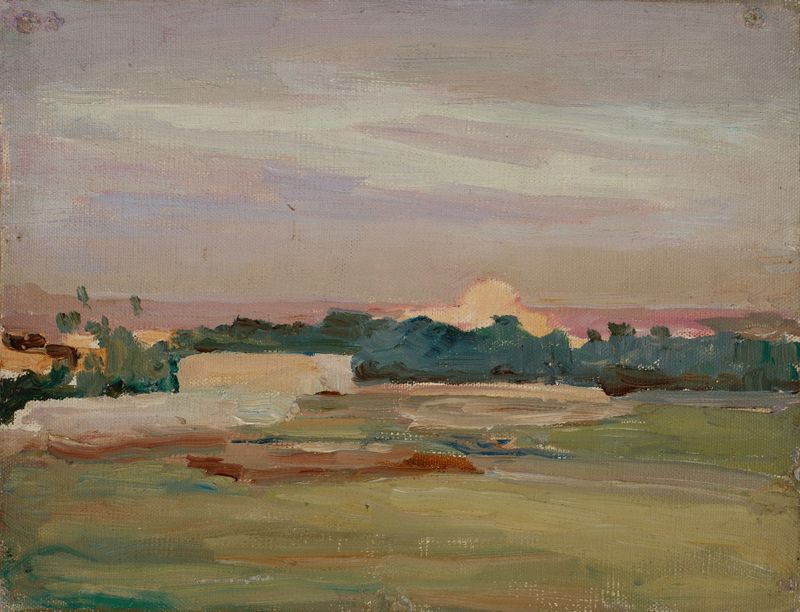
The Sirocco
Jan Ciągliński
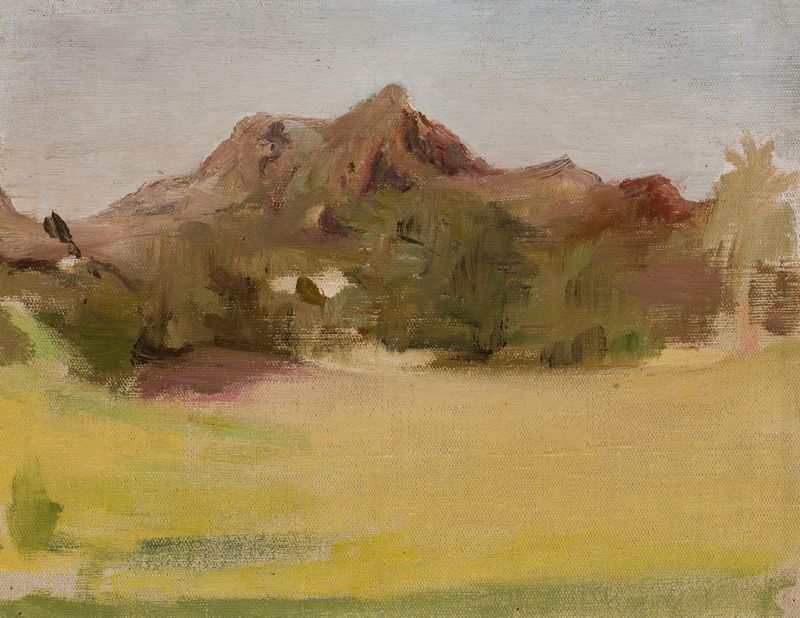
Mountain landscape. From the journey to India
Jan Ciągliński
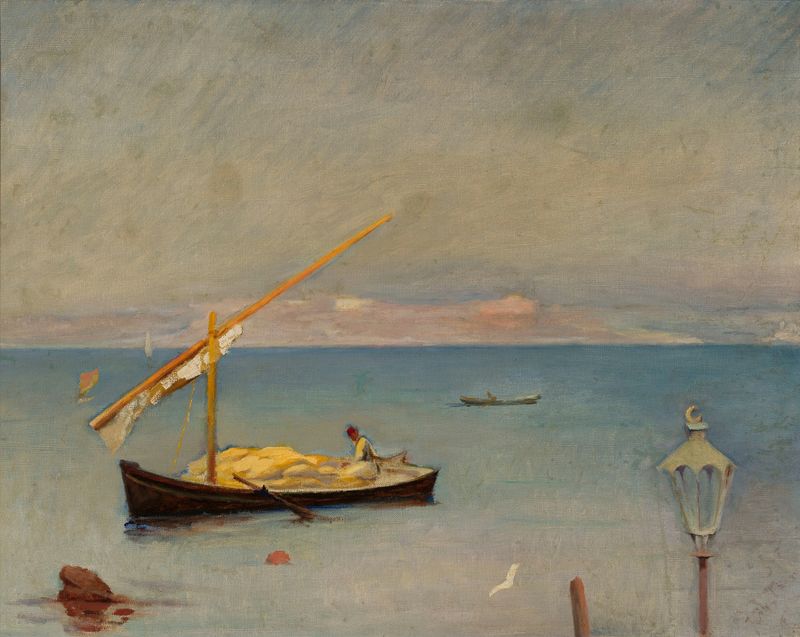
At Bosporus
Jan Ciągliński
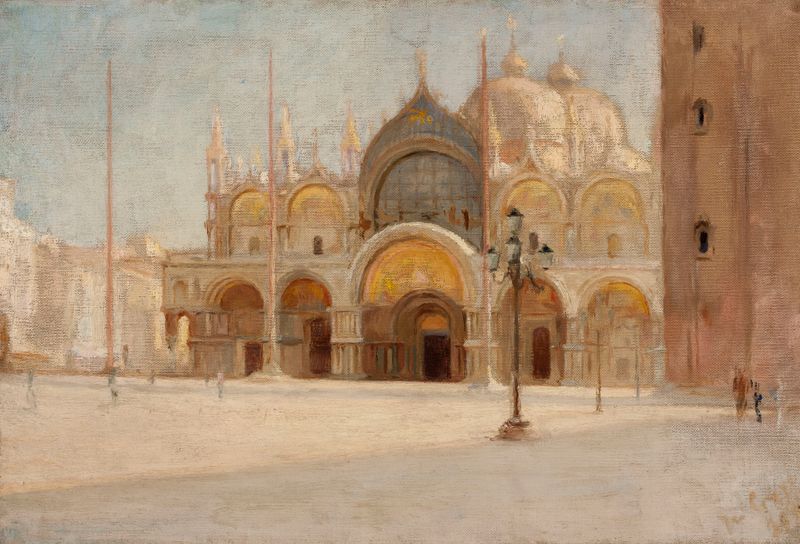
St Mark’s Square in Venice
Jan Ciągliński
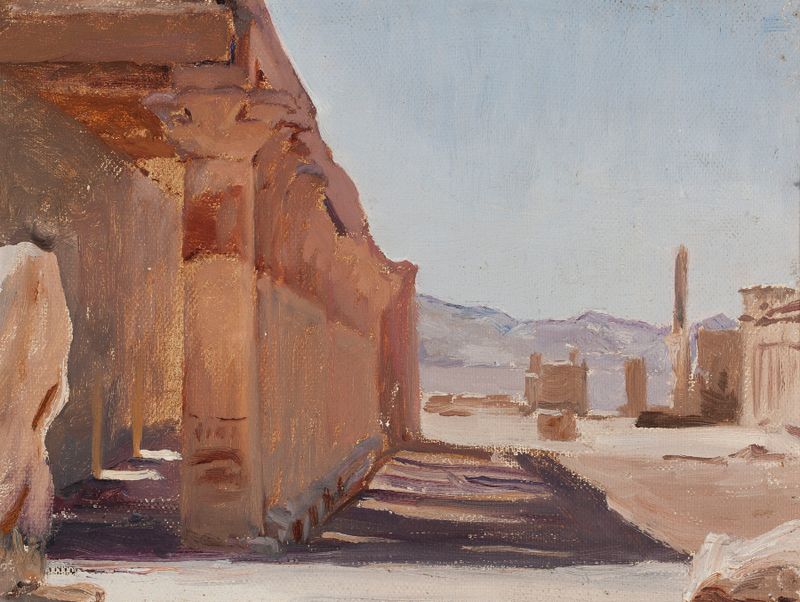
Temple. From the journey to Egypt
Jan Ciągliński
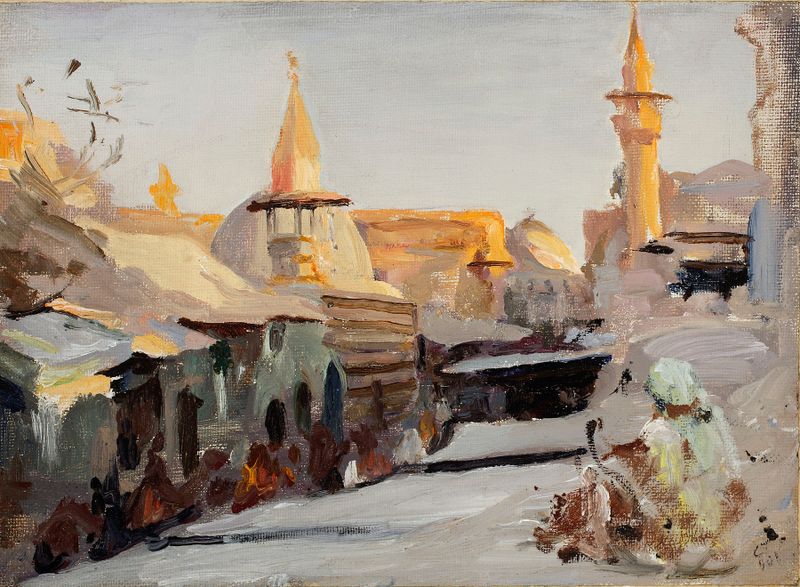
Street in Damascus. From the journey to Palestine
Jan Ciągliński
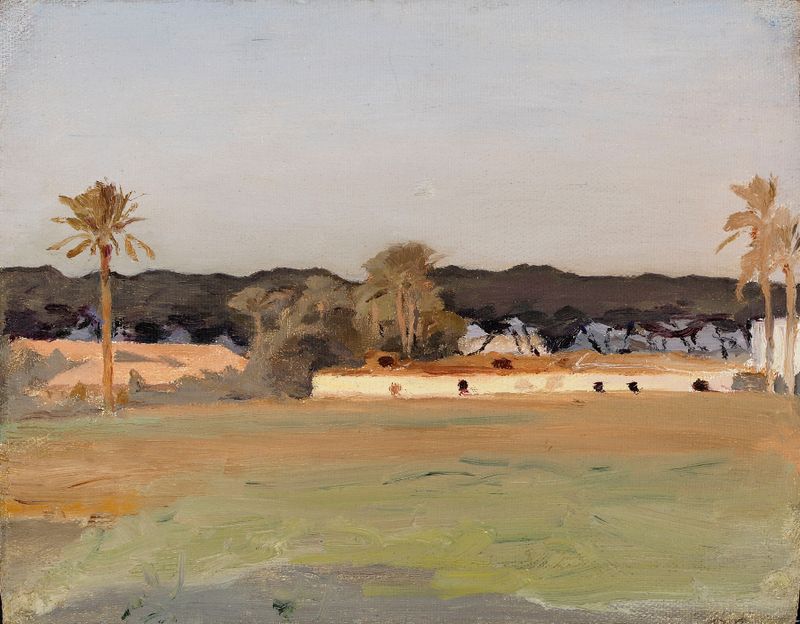
Evening. From the journey to Egypt
Jan Ciągliński
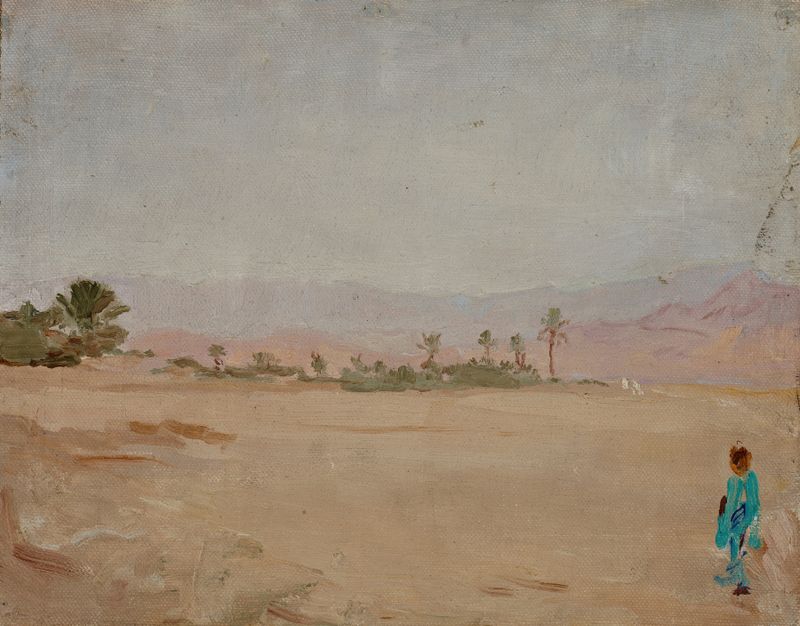
Sahara (Desert)
Jan Ciągliński
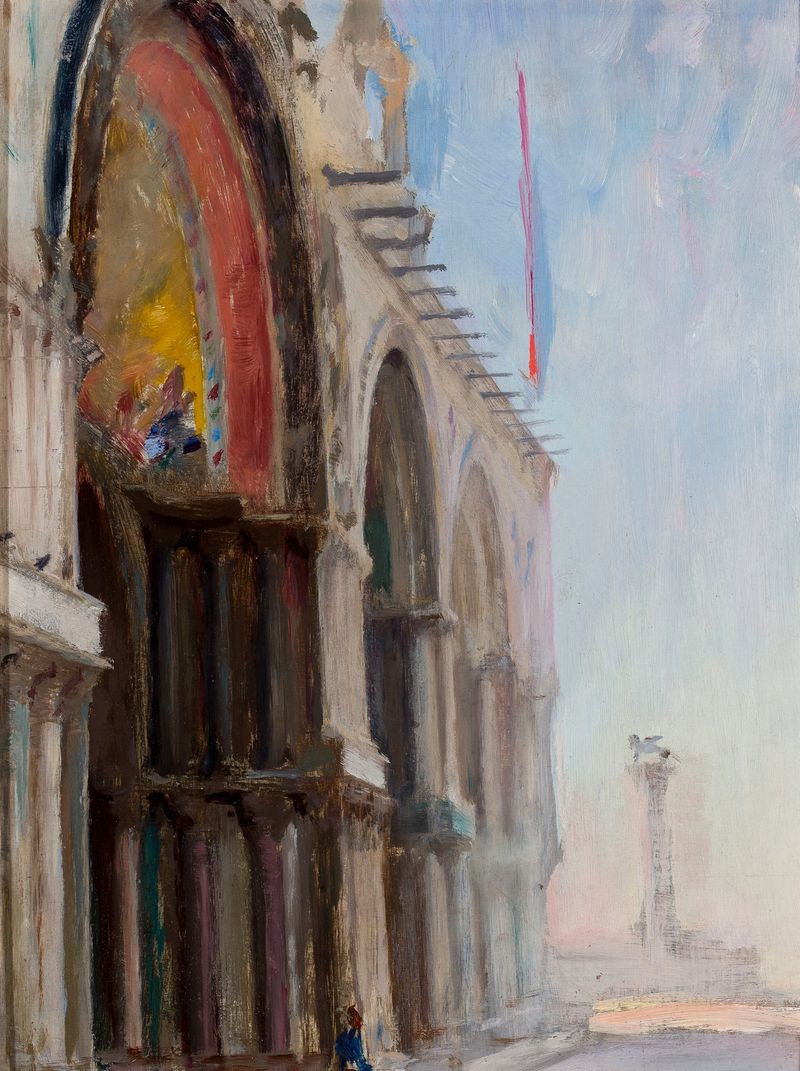
Venice – San Marco. From the journey to Italy
Jan Ciągliński
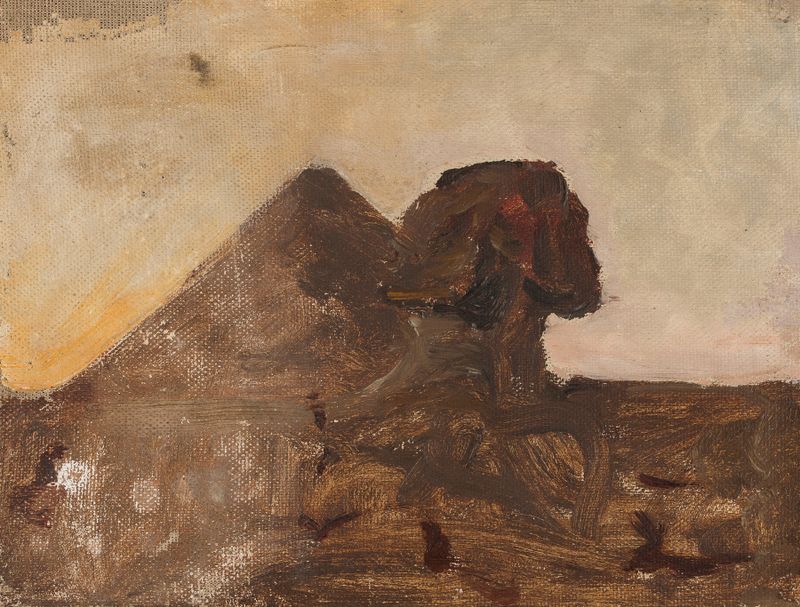
Evening in the desert – Sphinx and pyramid. From the journey to Egypt
Jan Ciągliński
More Architecture Art
Browse all →
The statue of Liberty
Frédéric Auguste Bartholdi

View of Houses in Delft, Known as ‘The Little Street’
Johannes Vermeer

View of Houses in Delft, Known as ‘The Little Street’
Johannes Vermeer

The Cathedral in Rouen. The portal, Grey Weather
Claude Monet

The yellow house
Vincent van Gogh

The Church in Auvers-sur-Oise, View from the Chevet
Vincent van Gogh