
Summer landscape — History & Facts
Can paint confess what words never could? In the tranquil expanse of Summer landscape, innocence unfolds beneath the vast sky, whispering tales of nature's serenity and the simplicity of rural life. Look to the center where a lush, rolling meadow unfurls, dotted with wildflowers that sway gently in a summer breeze. The vibrant greens and soft pastels of the flora create a harmonious palette, while the blue sky stretches overhead, punctuated by fluffy white clouds. Notice how the light cascades from above, illuminating the scene and casting delicate shadows that dance across the field, inviting the viewer to step into this moment of pastoral bliss. Beneath the idyllic surface, the painting speaks of a fleeting innocence, a time when the natural world and human existence intertwined seamlessly.
The figures scattered across the landscape, though small, embody a sense of joy and simplicity, reflecting the harmony of rural life untouched by the complexities of the modern world. The distant hills cradle an underlying tension of nostalgia, reminding us of the impermanence of such serene moments, as time marches relentlessly forward. Produced in 1869, this work emerged during a period of change in America, with artists like Currier & Ives capturing the essence of the country's landscape and culture. Living in a time of rapid industrialization, they sought to preserve the beauty of nature through their art, providing a counterbalance to the encroaching urban sprawl.
The idyllic scenes of everyday life became a cherished escape, inviting viewers to reconnect with the innocence of simpler times.
More Artworks by Currier & Ives.
Browse all →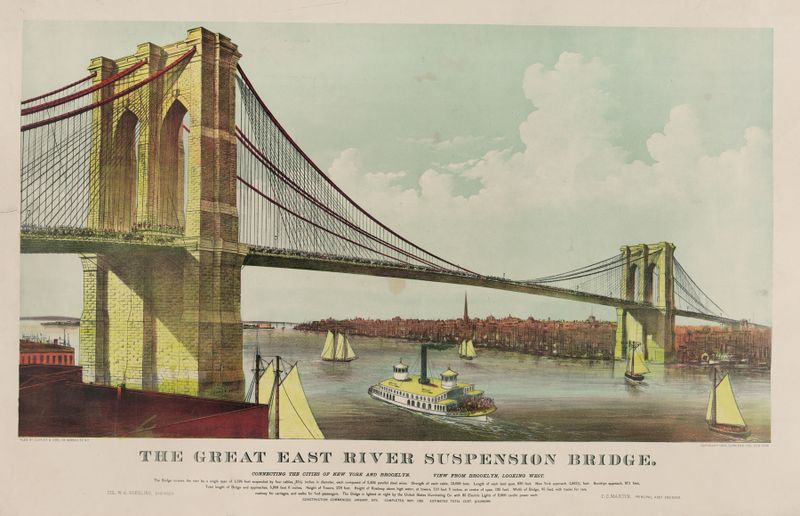
The great East River suspension bridge; connecting the cities of New York and Brooklyn View from Brooklyn, looking west.
Currier & Ives.
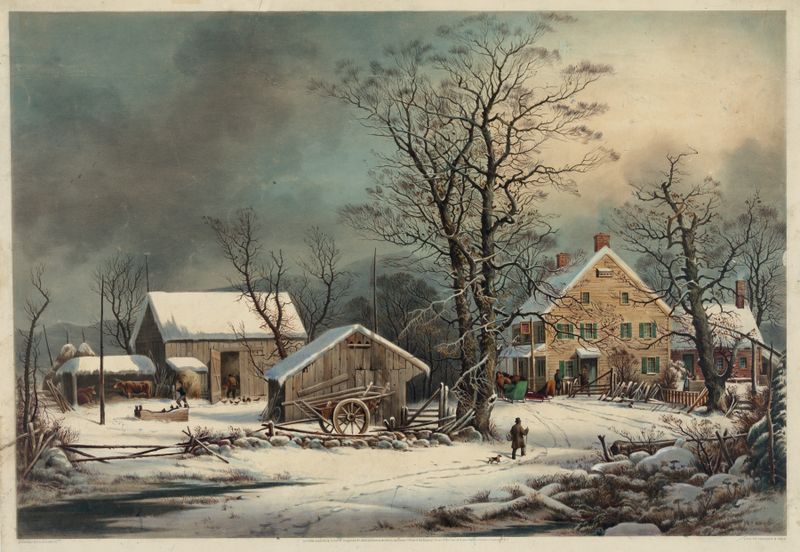
Winter in the country; a cold morning
Currier & Ives.
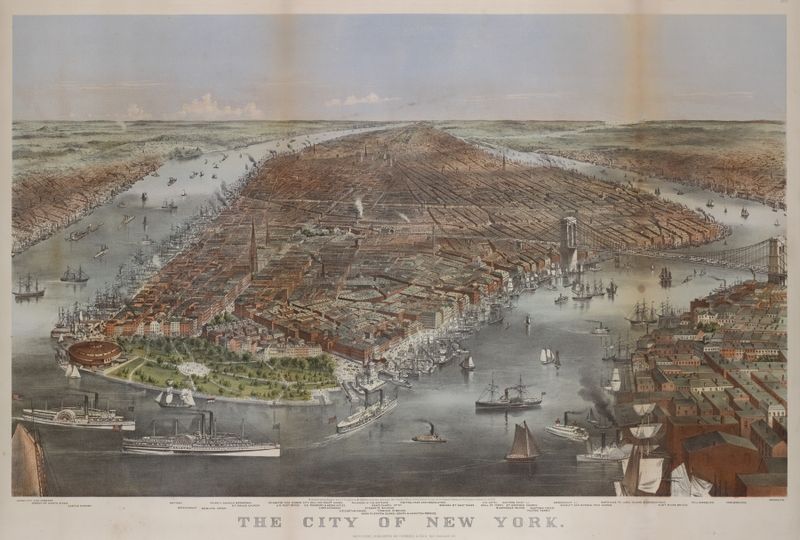
The City of New York
Currier & Ives.
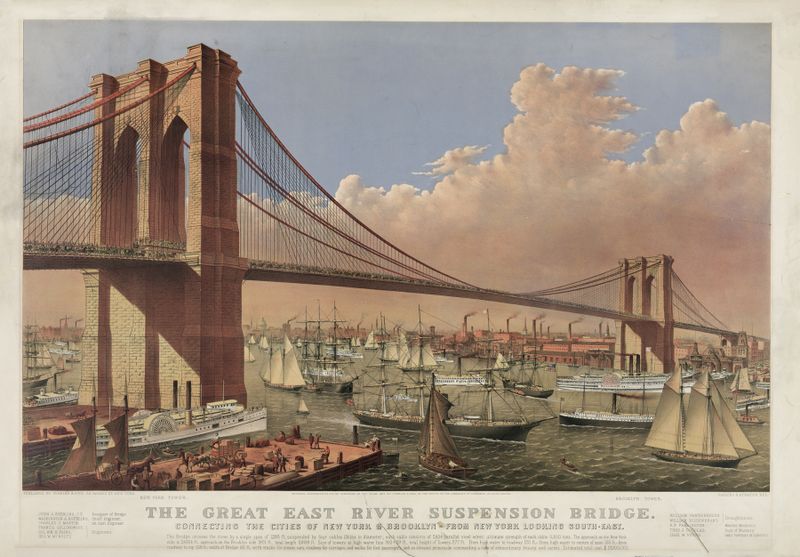
The great East River suspension bridge; connecting the cities of New York & Brooklyn From New York looking south-east.
Currier & Ives.
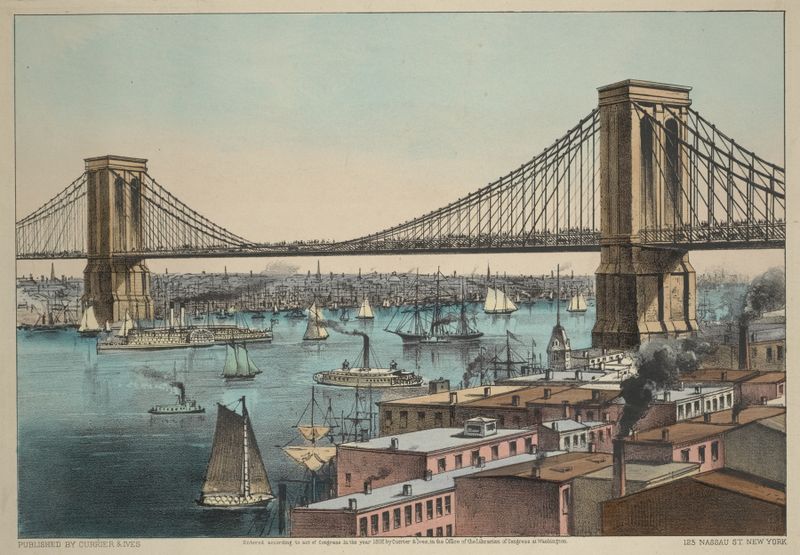
The Great East River Bridge. To connect the cities of New York & Brooklyn
Currier & Ives.
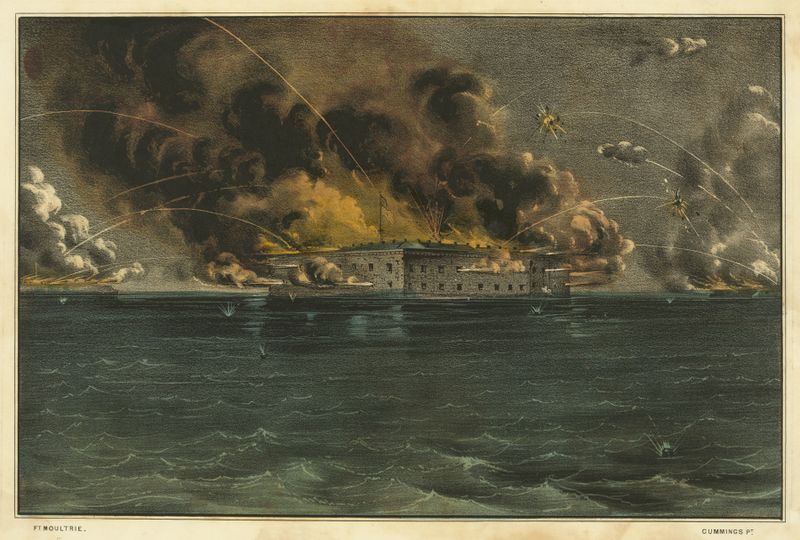
Bombardment of Fort Sumter, Charleston Harbor; 12th & 13th of April, 1861
Currier & Ives.
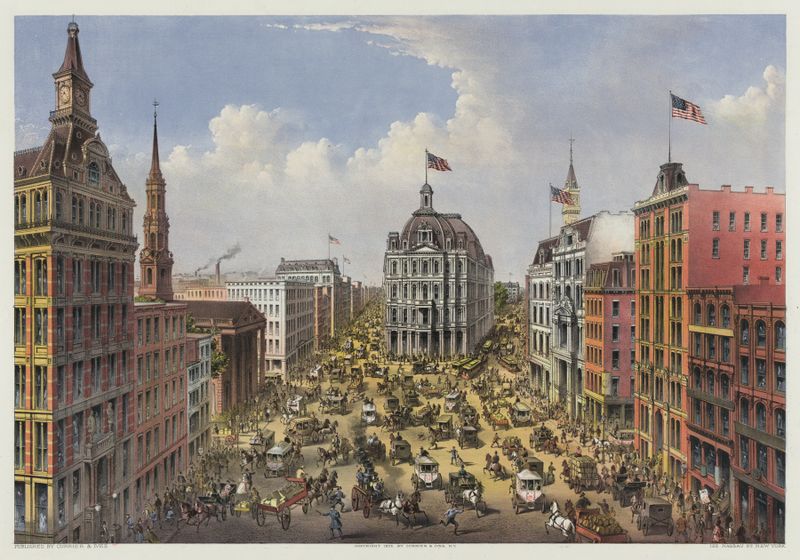
Broadway, New York; From the western union telegraph building looking north
Currier & Ives.
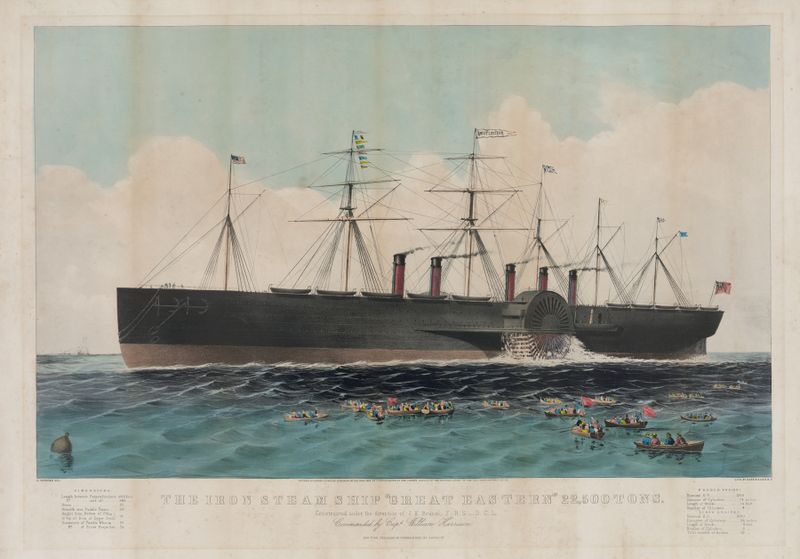
The iron steam ship ‘Great Eastern’ 22,500 tons; constructed under the direction of I.K. Brunel, F.R.S. — D.C.L. commanded by Capt. William Harrison
Currier & Ives.
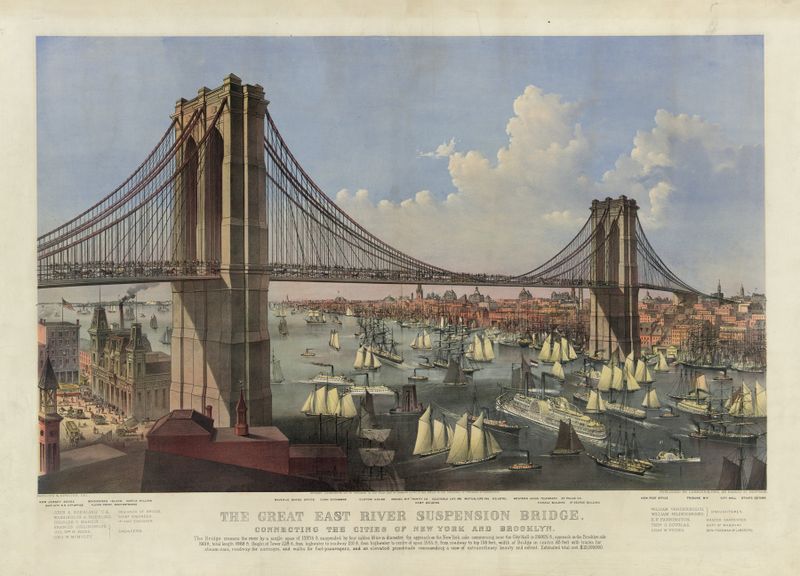
The great East River suspension bridge–Connecting the cities of New York and Brooklyn
Currier & Ives.
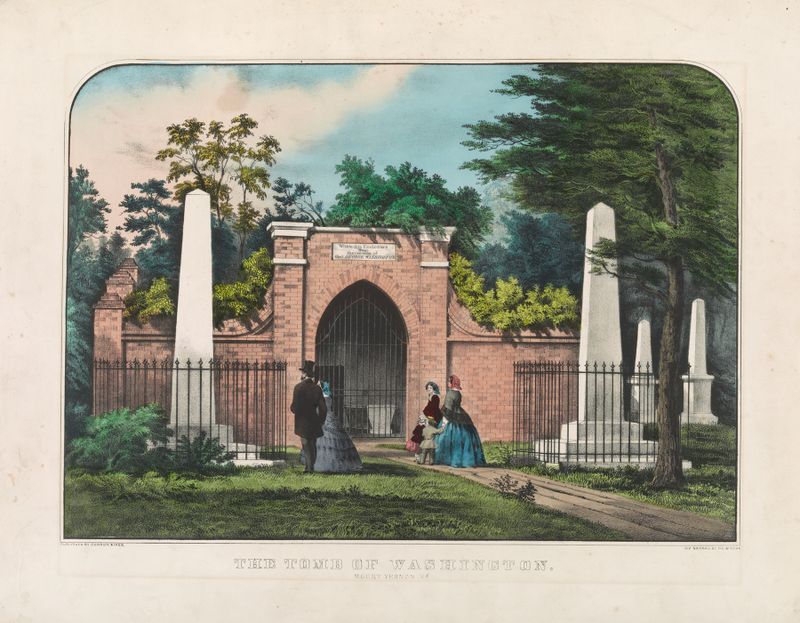
The tomb of Washington; Mount Vernon, Va.
Currier & Ives.





