
Summit of Bernina Pass — History & Facts
What if beauty was never meant to be finished? In the hands of the artist, it teeters on the brink of madness—a pursuit both exhilarating and elusive. Focus on the sweeping expanse of the canvas, where rugged peaks and vibrant valleys collide in an explosion of color. Notice how the sunlight bathes the landscape, illuminating the snow-tipped summits against a deep blue sky, while shadows intricately weave through the rocky terrain below. The brush strokes are both spirited and deliberate, creating a sense of movement that pulls the viewer's gaze along the undulating hills and distant horizons. Within this expansive vista lies a tension between serenity and chaos.
The raw beauty of nature contrasts with the artist's frenetic energy, revealing a deeper narrative of humanity's place within such grand landscapes. Each stroke hints at the artist’s struggle—a dance between admiration and anxiety—as he captures a moment suspended in time, both fleeting and eternal. The balance of light and shade mirrors the duality of inspiration and madness, inviting contemplation about the pursuit of perfection in the face of nature’s wildness. In 1869, John Singer Sargent painted this work during his formative years while studying in Europe.
It was a time characterized by a growing fascination with the sublime in nature, as artists grappled with their representation of the world around them. Sargent, still a young artist, was influenced by the romantic ideals of the period, blending traditional techniques with an emerging modern sensibility that would define his later masterpieces.
More Artworks by John Singer Sargent
Browse all →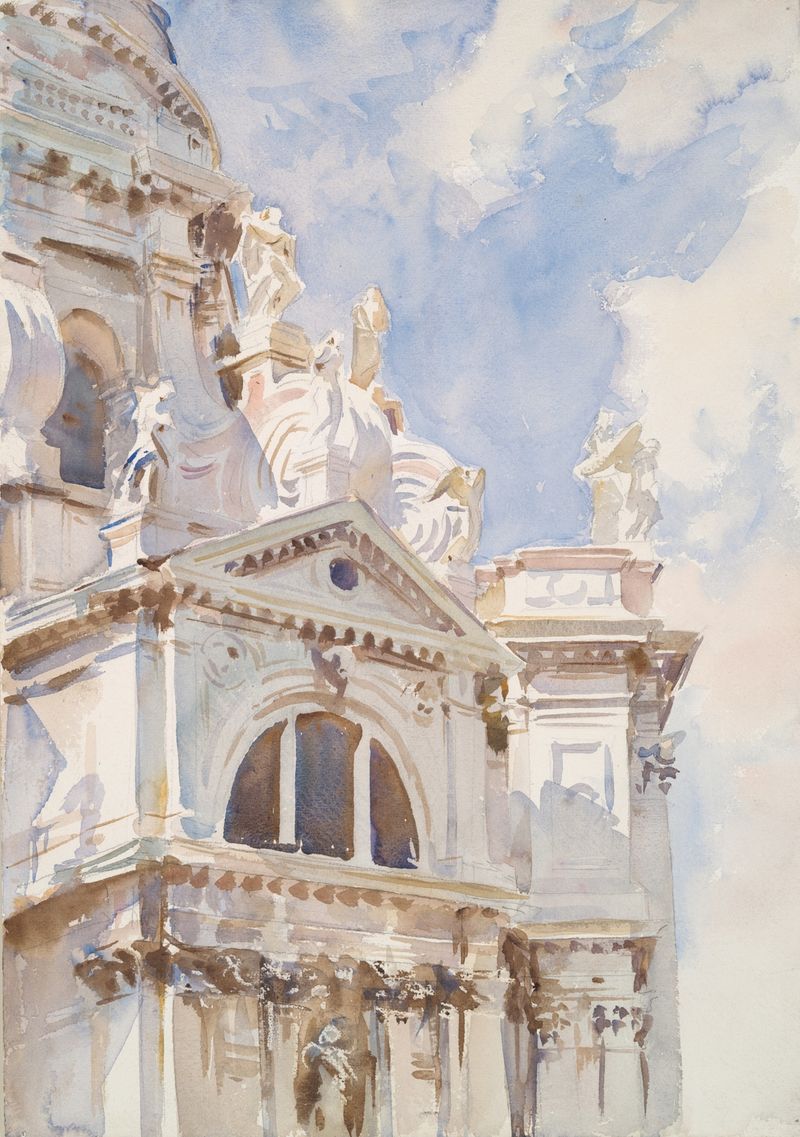
The Salute, Venice
John Singer Sargent

Mrs. Charles Deering (Marion Denison Whipple)
John Singer Sargent
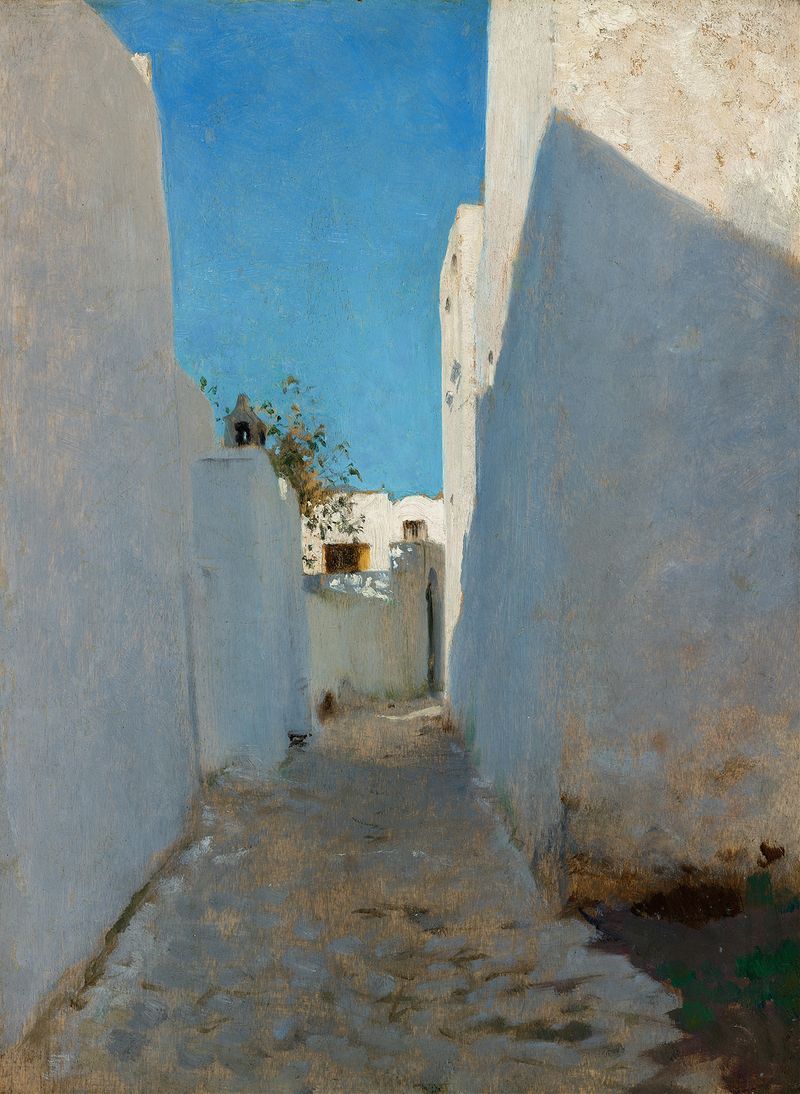
A Moroccan Street Scene
John Singer Sargent
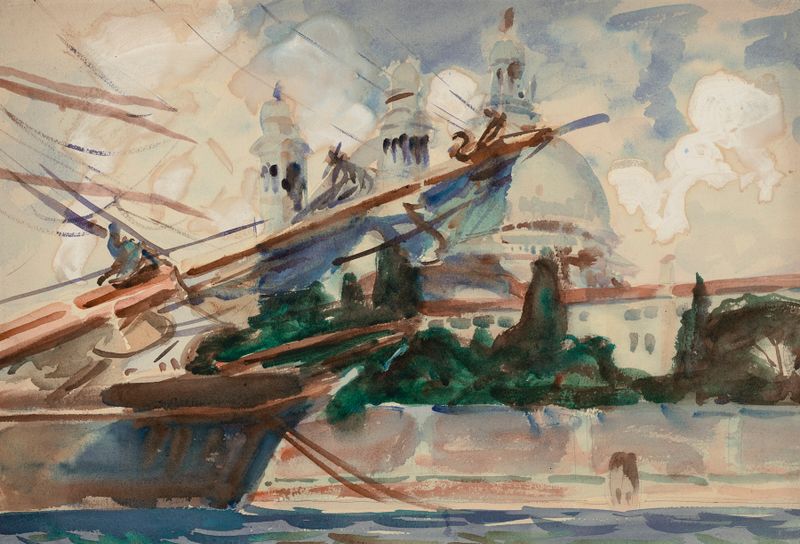
The Salute, Venice
John Singer Sargent
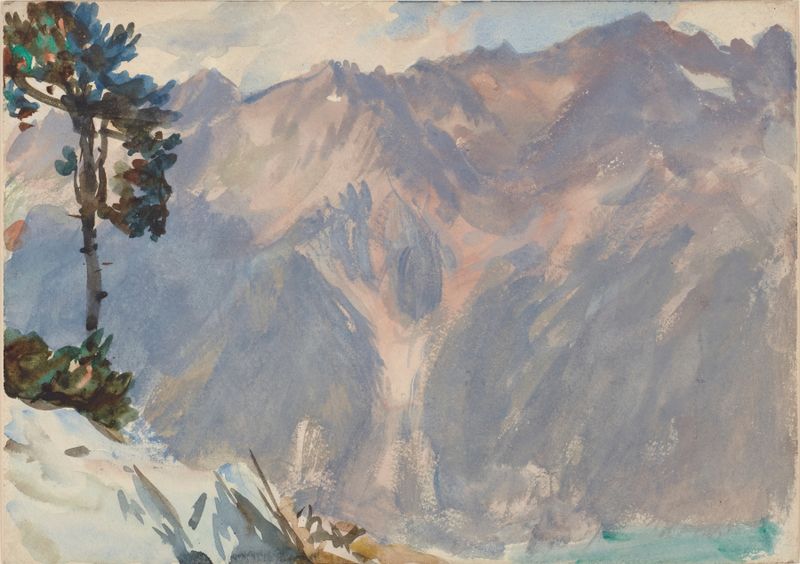
Tyrol
John Singer Sargent
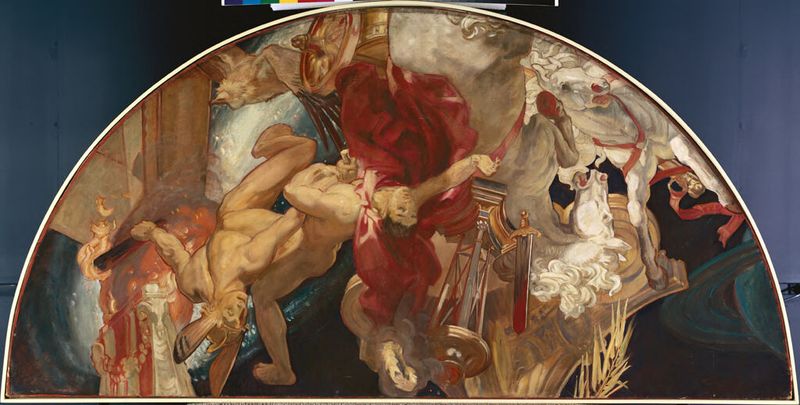
Study for "Gog and Magog," for the Boston Public Library
John Singer Sargent
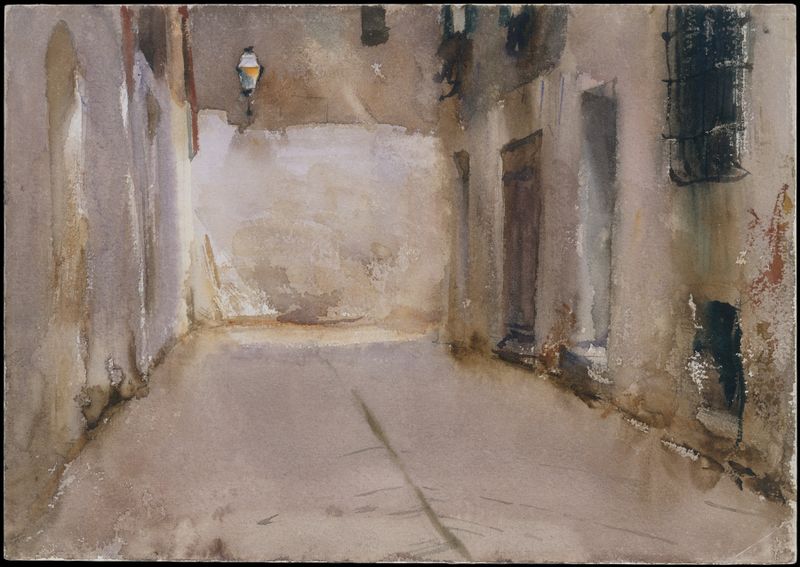
Venice
John Singer Sargent
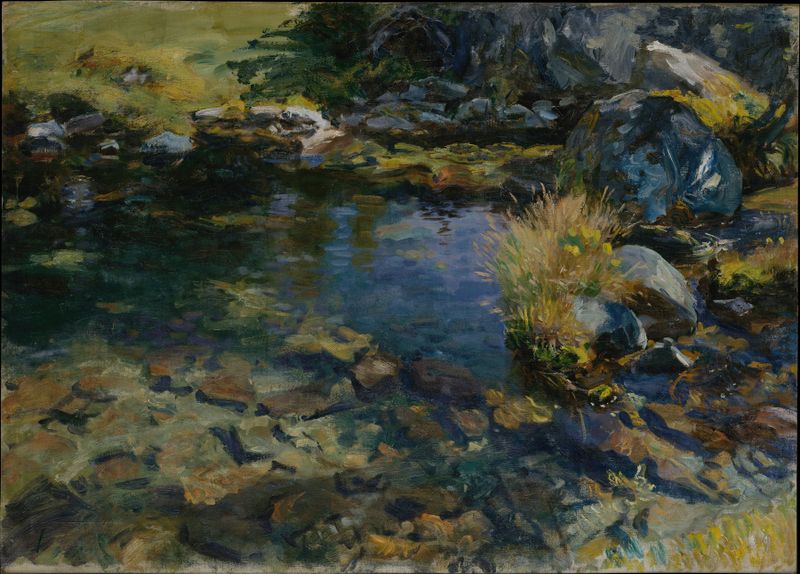
Alpine Pool
John Singer Sargent
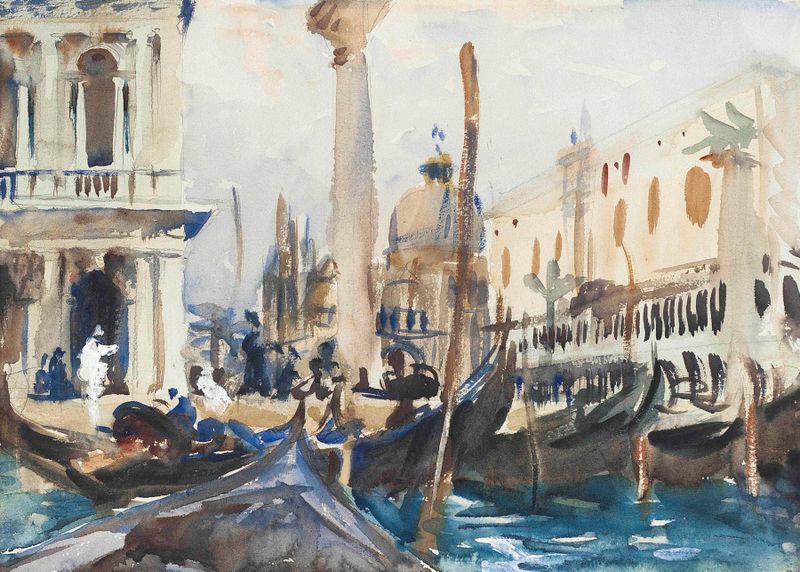
The Piazzetta with Gondolas
John Singer Sargent
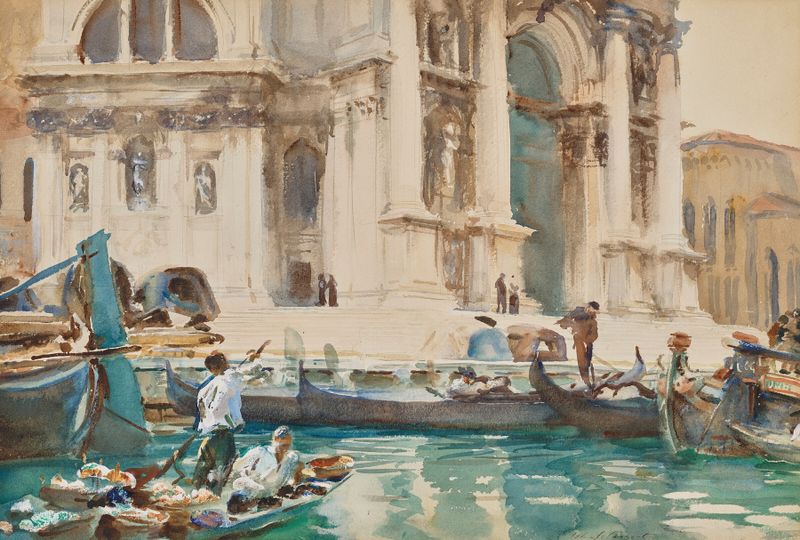
The Façade of La Salute, Venice
John Singer Sargent





