Sunny Lane — History & Facts
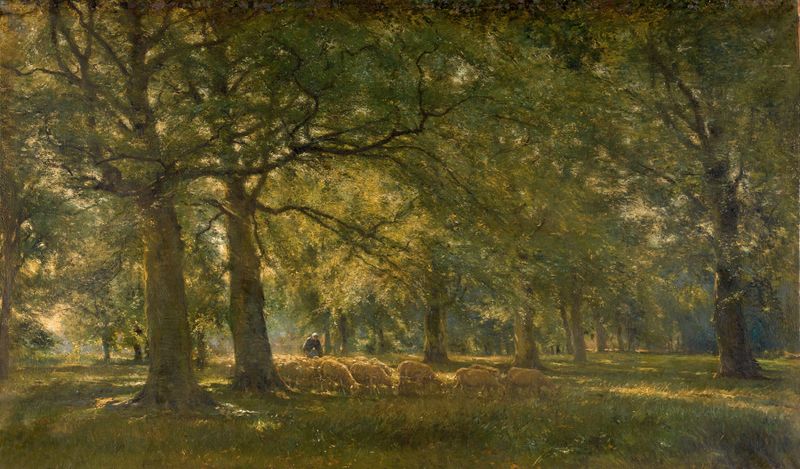
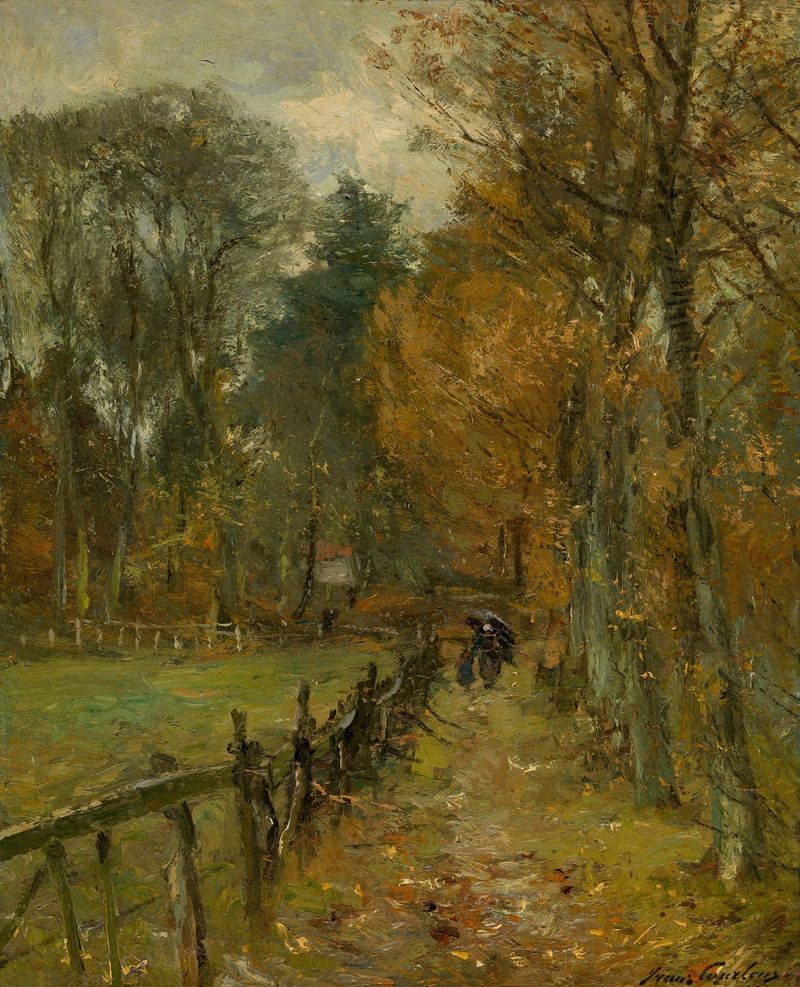
Where does light end, and longing begin? This question echoes through the radiant embrace of Sunny Lane, revealing the revelation of beauty in the mundane. Focus on the luminous path that draws the eye through the canvas. Notice how the soft hues of sunlight filter through the leaves overhead, dappling the ground with a warm golden glow. The gentle brushstrokes create a sense of movement in the foliage, while the vibrant greens are alive with life, contrasting with the serene, almost ethereal quality of the light.
The composition invites the viewer to explore every detail, from the way the color shifts across the lane to the shadows that whisper secrets of solitude and peace. Look closer, and you will find emotional tensions hidden within the idyllic scene. The juxtaposition of light and shadow represents not just the beauty of nature, but also the fleeting moments of life that can evoke a sense of nostalgia. There's an inviting warmth in the sunlit path, yet a hint of introspection lingers in the cool shadows.
The trees stand as silent witnesses, embodying both sanctuary and solitude, prompting contemplation of one's place within the vast tapestry of existence. In 1894, Franz Courtens painted Sunny Lane during a time when the Impressionist movement was flourishing and transforming the art world. Living in Belgium, he was influenced by the natural beauty surrounding him as well as the emerging focus on capturing the transient effects of light. The painting embodies a period of artistic experimentation, reflecting a growing desire to evoke emotions through the simple yet profound interactions between light, color, and nature.