The Side of the Meadow — History & Facts
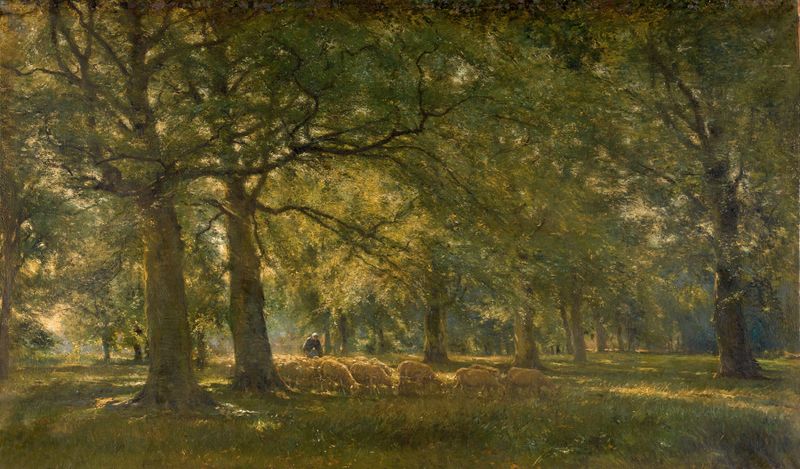
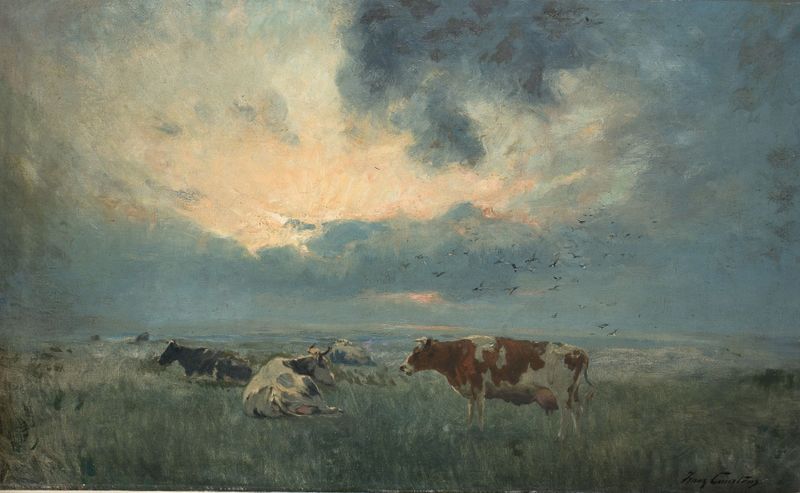
In the stillness of a meadow, the unspoken revelations whisper among the blades of grass, waiting for a revolution of thought. Begin your journey by looking at the horizon, where soft greens intermingle with muted earth tones, inviting you into the depths of the landscape. Notice how the light dances across the textured surface of the grass, creating a serene yet dynamic interplay between shadow and illumination. The artist employs gentle brushstrokes, evoking a sense of tranquility that contrasts sharply with the underlying tension of burgeoning change. Deeper within this pastoral scene, you might observe the subtle clash of color as nature prepares for renewal.
The warm shades of the earth speak of fertility and potential, while the cool blues hint at the impending storm of transformation. This juxtaposition reflects not only the beauty of the landscape but also the quiet undercurrents of social change, suggesting that even the most peaceful places harbor whispers of revolution just beneath the surface. Created during a period of artistic transition in Europe, this work emerged from a time when Franz Courtens was exploring naturalism amid the rise of modernism. As the late 19th century unfolded, societal shifts and upheavals echoed throughout the continent, influencing artists to capture both the beauty and struggle inherent in daily life.
In this context, the painting becomes a poignant reminder that stillness can hold the weight of profound change.