
Sunset in winter — History & Facts
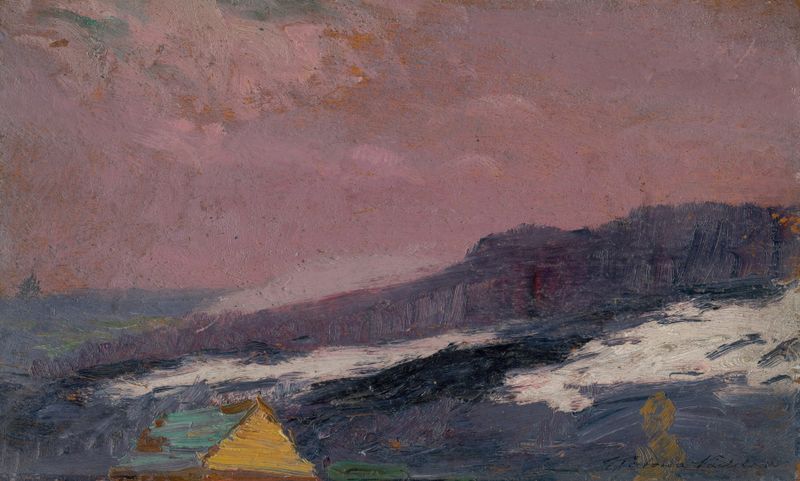
In the delicate layers of Sunset in Winter, the weight of obsession is captured in a fleeting moment, where beauty and melancholy intertwine. Look to the left at the horizon, where deep oranges and pinks bleed into the somber purples of twilight. Katona’s brushwork creates a textured sky, each stroke a testament to the emotional intensity of the winter season. The landscape, blanketed in snow, mirrors the soft hues above, while the subtle interplay of light and shadow evokes a sense of stillness, inviting the viewer into this chilly embrace of dusk. In the foreground, a lone tree stands resilient against the fading light, its branches reaching out like fingers grasping for warmth.
This solitary figure speaks to the paradox of winter: a time of stark beauty yet profound isolation. The color palette reflects the clash between light and dark, encapsulating an obsession with the ephemeral nature of life. The painting invites a contemplation of longing—of beauty that diminishes yet remains imprinted in memory. Ferdinand Katona painted Sunset in Winter in 1917, during a tumultuous period marked by the aftermath of World War I.
Living in Hungary, he observed the societal shifts around him, feeling the profound impact of loss and change. It was a time when artists sought to express deeper emotions through their work, reflecting both personal and universal struggles, and Katona's exploration of light in the face of darkness stands as a poignant testament to this evolving artistic landscape.
More Artworks by Ferdinand Katona
Browse all →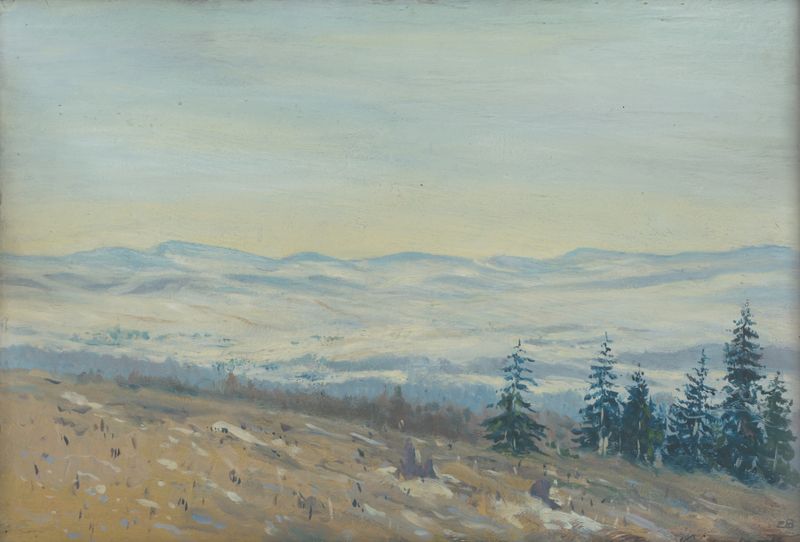
High Tatras
Ferdinand Katona
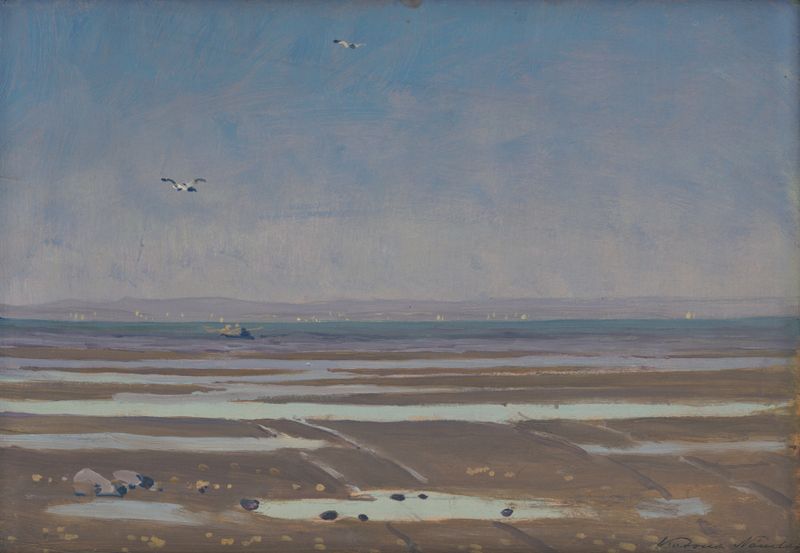
Early spring
Ferdinand Katona
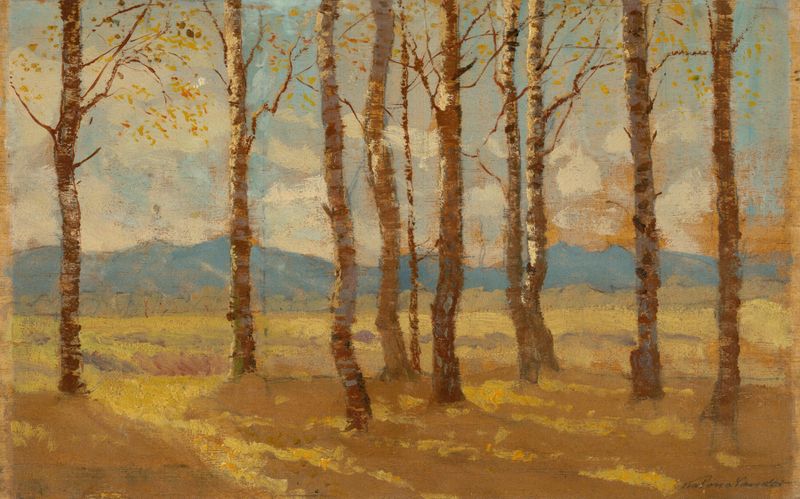
Birches in Autumn
Ferdinand Katona
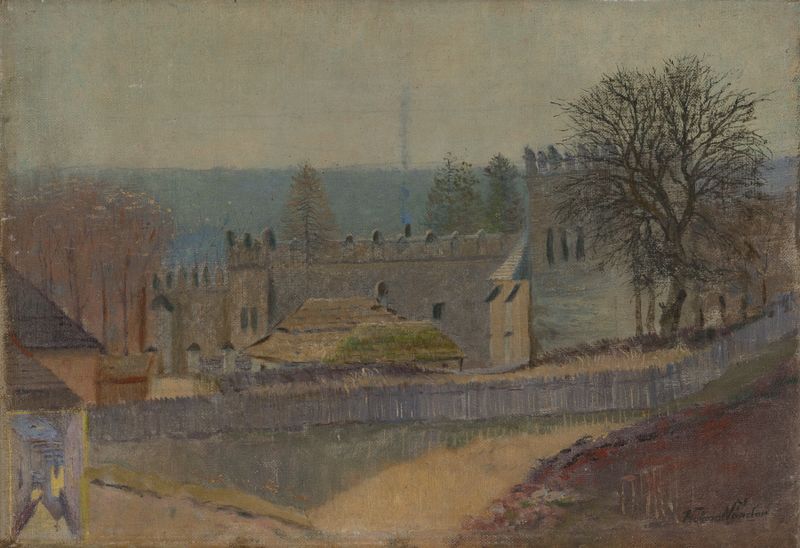
View of Strážky
Ferdinand Katona
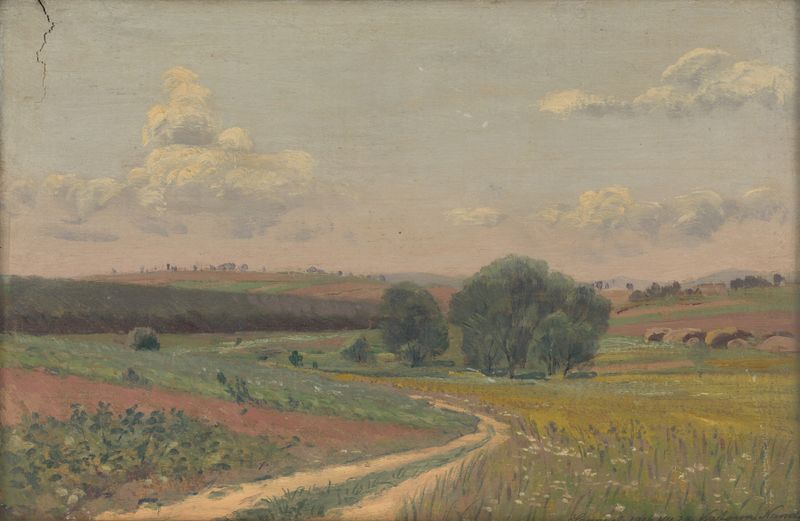
Landscape with a dirt road
Ferdinand Katona
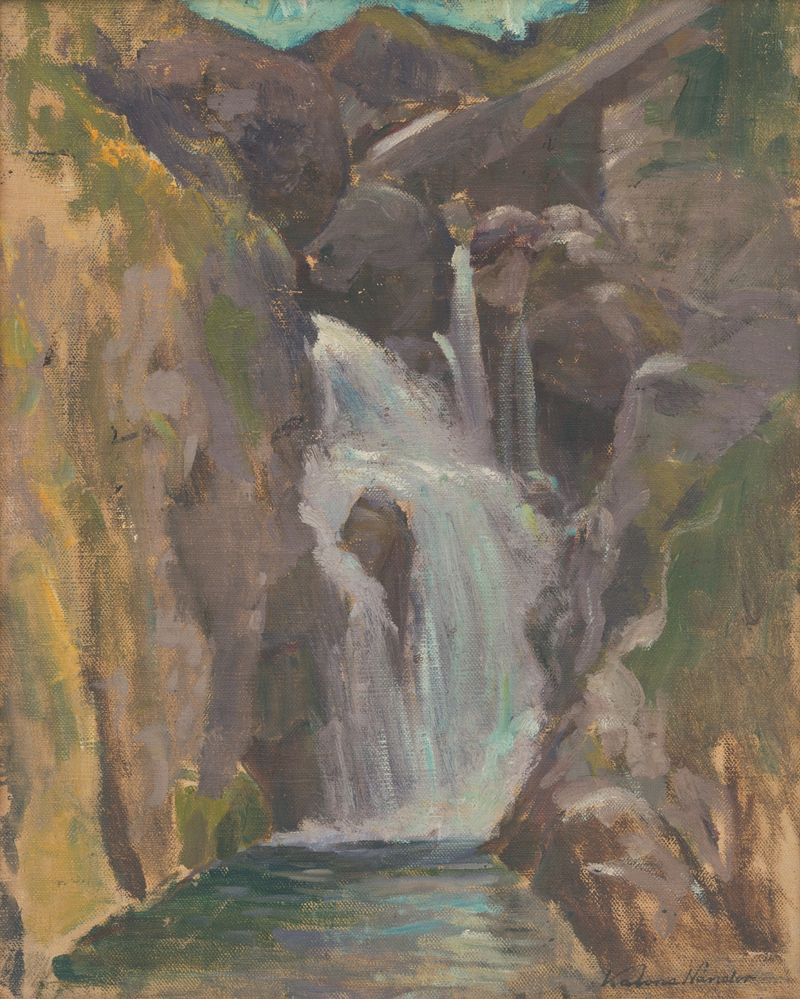
Waterfall
Ferdinand Katona
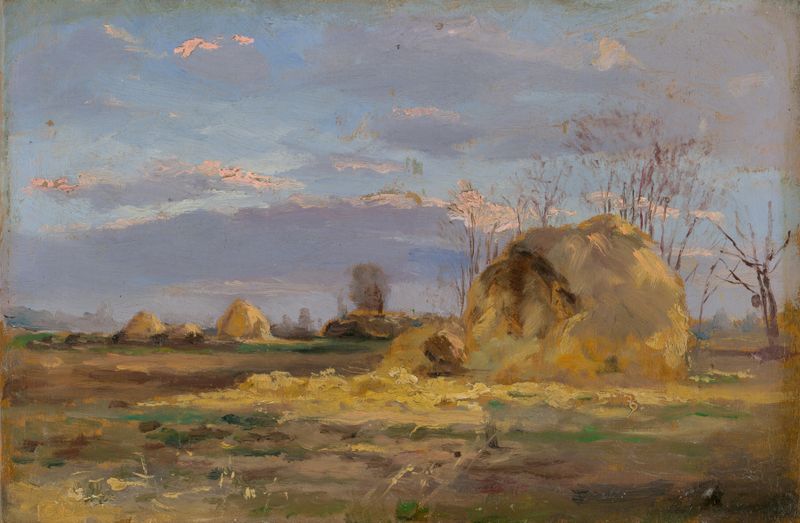
Autumn Landscape with Trees
Ferdinand Katona
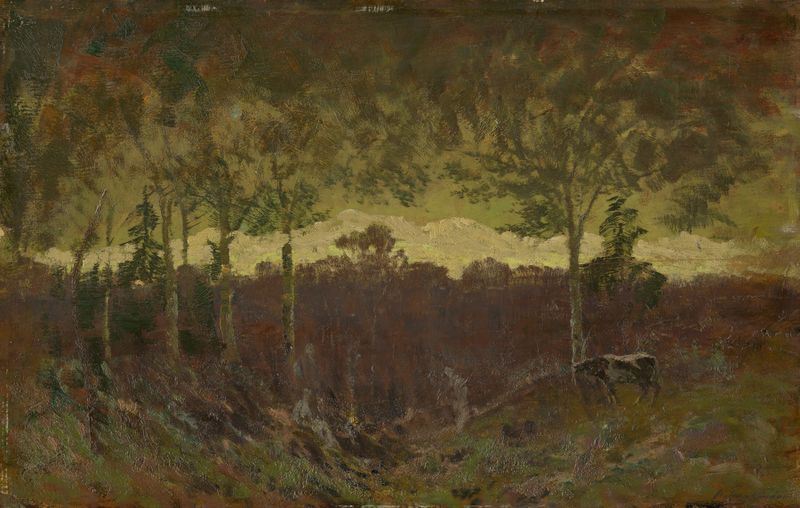
Early Evening Tatras Landscape
Ferdinand Katona
View of the High Tatras
Ferdinand Katona
Early Spring
Ferdinand Katona





