
Sutton — History & Facts
What if beauty was never meant to be finished? In the soft embrace of twilight, a delicate void invites contemplation, a moment suspended between existence and absence. Focus on the subtle interplay of light and shadow that envelops the central figure. The muted colors create a haze, guiding your gaze to the somber expression carved into the subject’s features. Notice how the edges blur, the outlines unfurling into the ether, suggesting that what is seen transcends mere representation.
The brushwork is fluid, almost whispering, allowing the viewer to feel the emotional weight of the piece. Beneath the surface lies an exploration of isolation and longing. The figure’s gaze, distant yet intense, suggests a search for meaning in the void, a yearning for connection amid the ephemeral. The composition’s emptiness echoes the theme of incompleteness, reminding us that beauty can exist even in spaces unfilled, provoking a visceral understanding of human experience.
Each stroke seems to echo the silence that envelops the figure, deepening the emotional resonance. In 1912, the artist was navigating the complexities of modernity, caught between tradition and the burgeoning movements of the time. Working in England, he was drawn to capturing the essence of his subjects, conveying depth through simplicity. This period was significant not only for him personally but also for art, as it began shifting towards abstraction and new emotional interpretations.
More Artworks by Frederick Landseer Maur Griggs
Browse all →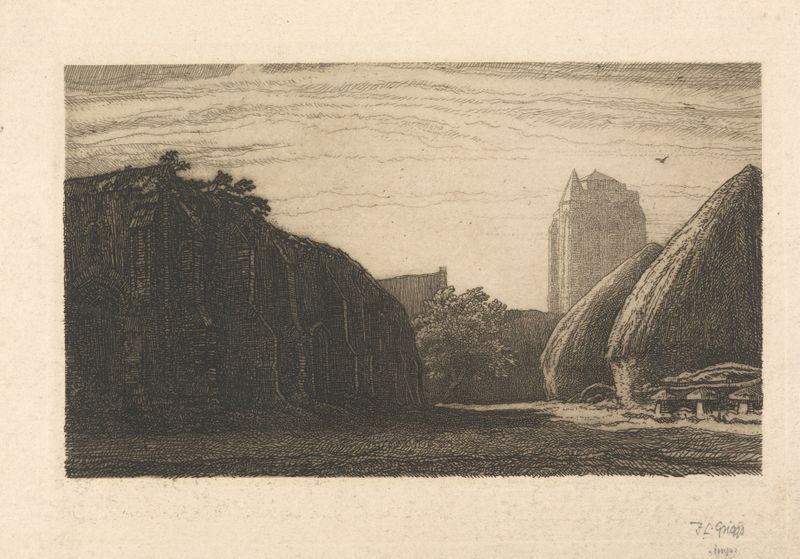
Maur’s Farm
Frederick Landseer Maur Griggs
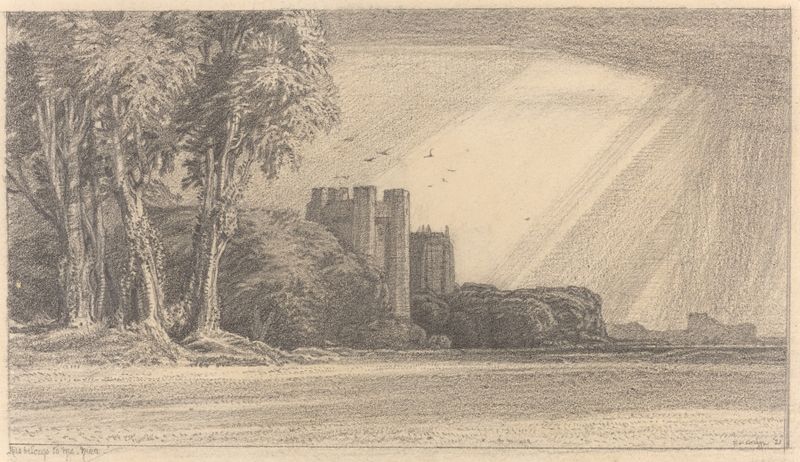
Landscape with Castle
Frederick Landseer Maur Griggs
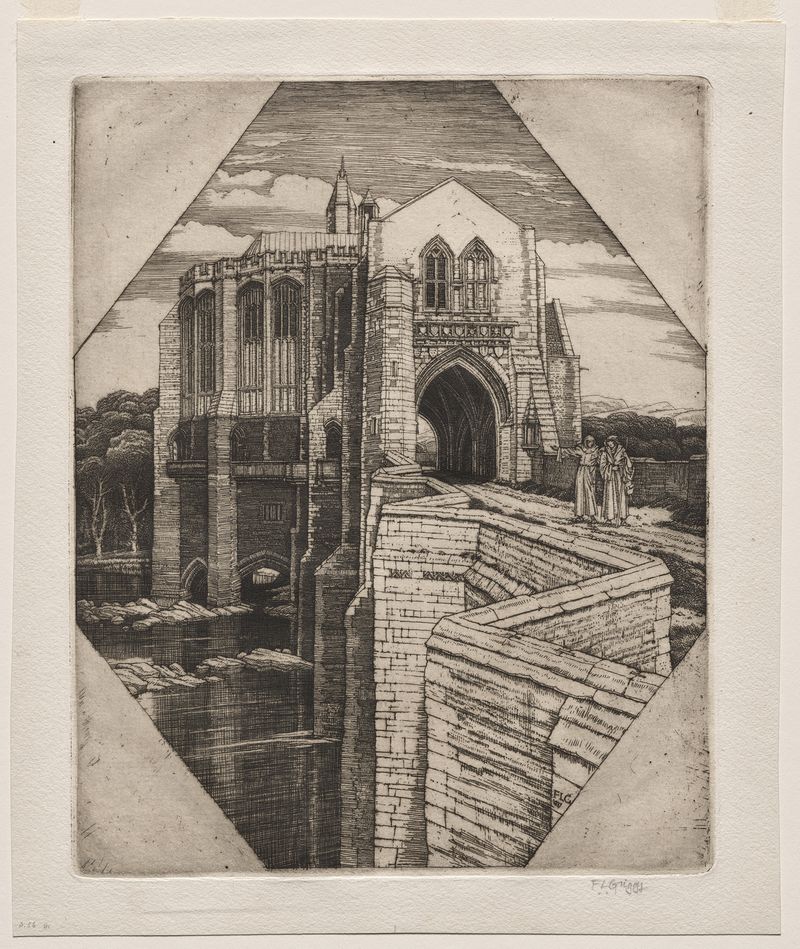
St. Botolph’s Bridge No. 2 1937
Frederick Landseer Maur Griggs
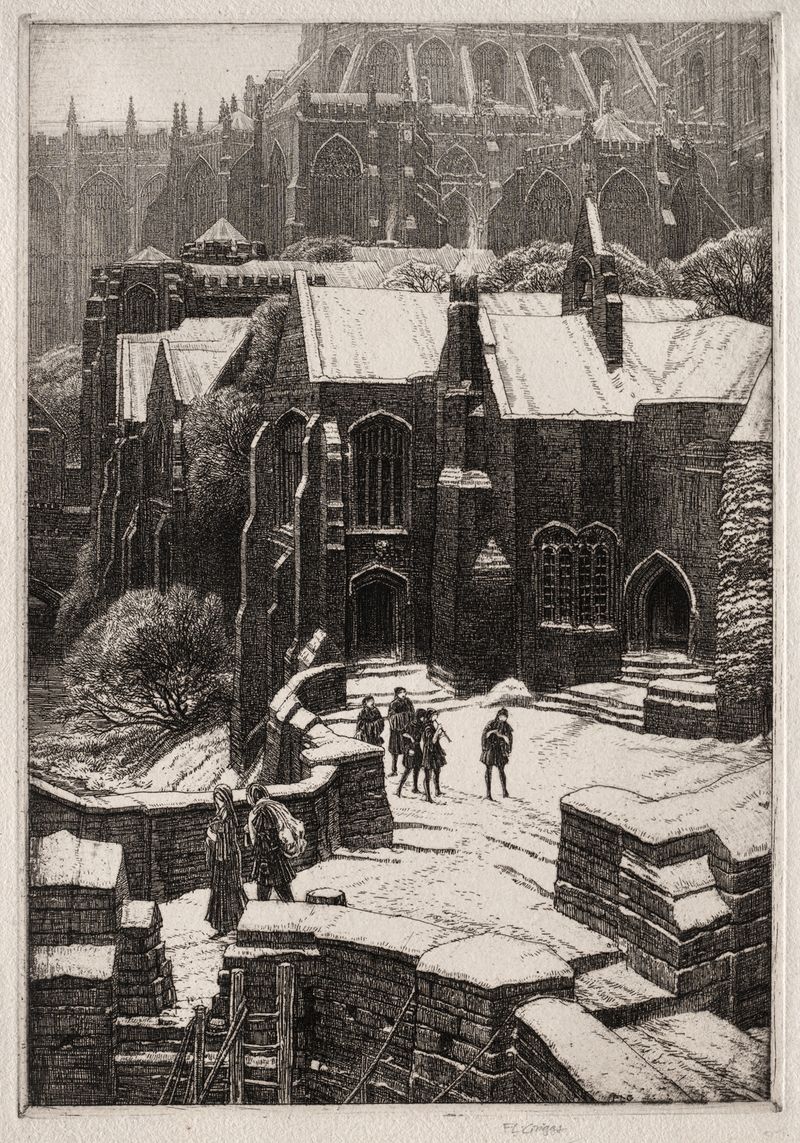
The Almonry
Frederick Landseer Maur Griggs

The Cresset
Frederick Landseer Maur Griggs
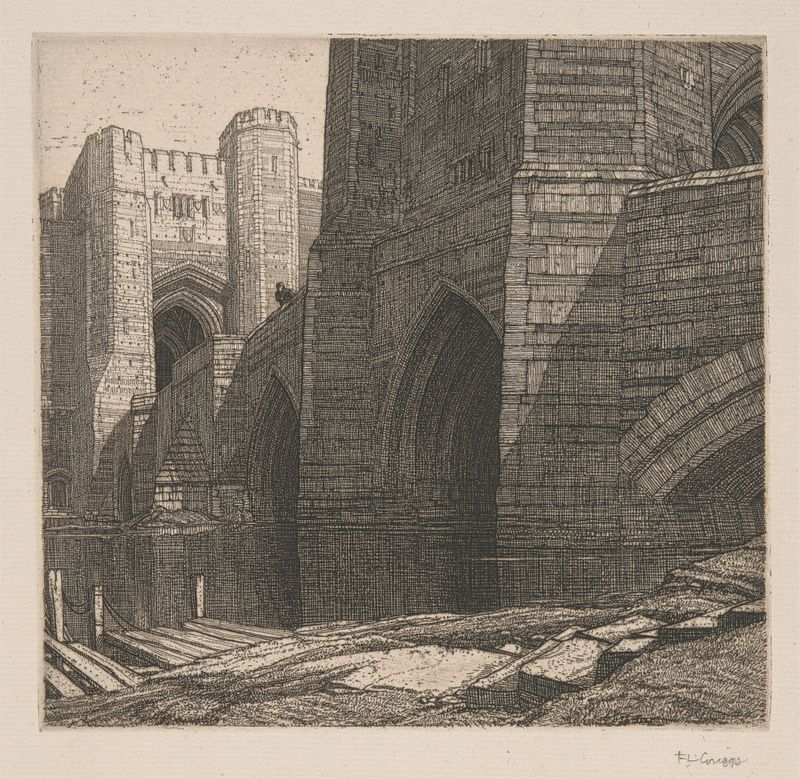
The Barbican
Frederick Landseer Maur Griggs

Maur’s Farm
Frederick Landseer Maur Griggs
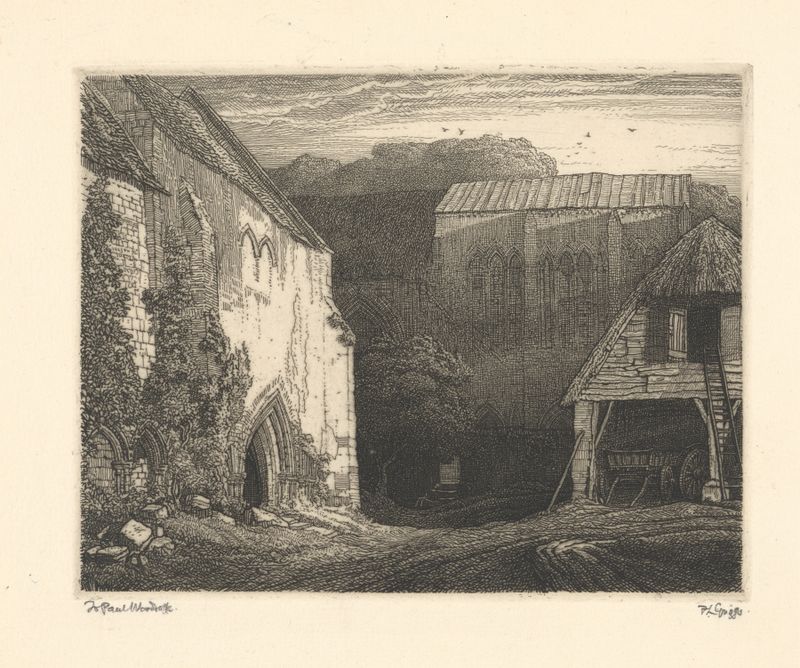
Priory Farm
Frederick Landseer Maur Griggs

St. Wendred’s March
Frederick Landseer Maur Griggs
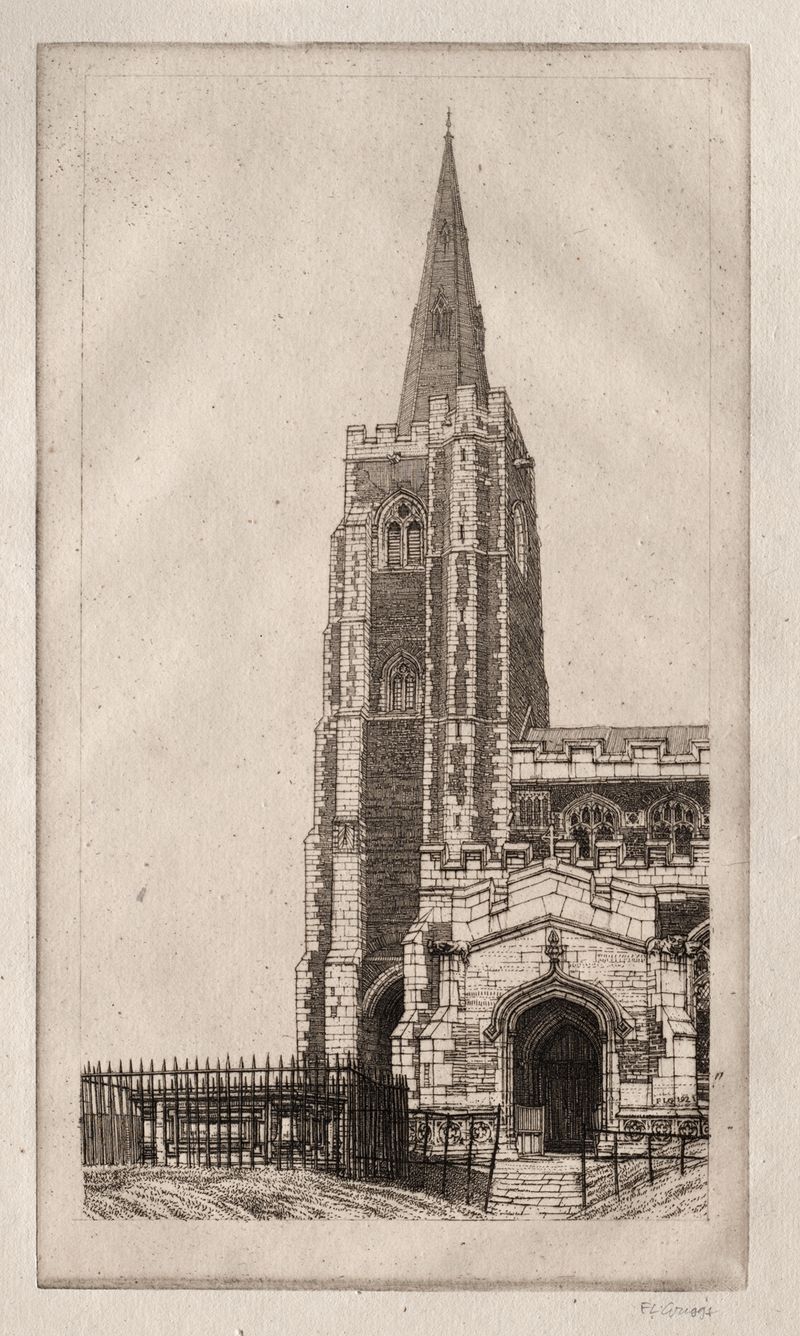
St. Wendred’s, March
Frederick Landseer Maur Griggs





