
Svätá Mara — History & Facts
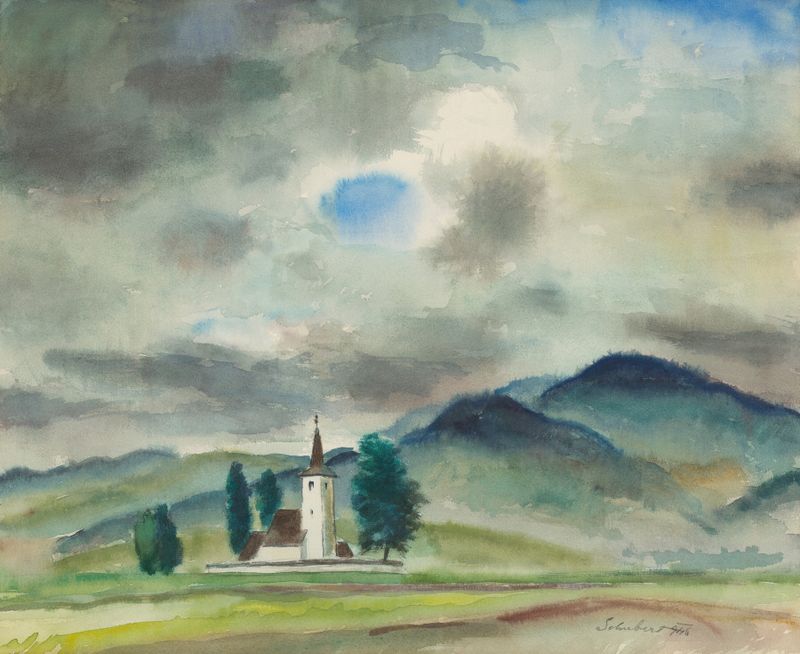
In the realm of art, balance is an elusive muse, often sought but seldom captured. How does one translate the turmoil of existence into a serene composition? Look closely at the center of the canvas, where vibrant colors dance in harmony yet clash with an intensity that holds the viewer’s gaze. Notice the soft curves juxtaposed against sharp angles, creating a visual dialogue that speaks of tension and release.
The artist's use of light—dappled yet decisive—illuminates the interplay between shadows and brightness, reflecting the dualities of life: hope and despair, chaos and serenity. Delve deeper into the layers; one can discover faces emerging from the abstract forms, whispers of emotion that suggest stories untold. The muted earthy tones serve as a foundation, while splashes of color depict moments of joy and sorrow, hinting at the persistence of the human spirit amidst adversity. Each brushstroke seems imbued with the weight of historical context, evoking a profound connection to the collective experience of its time. Created in post-war Europe, Svätá Mara emerged in a world reeling from conflict and loss.
In 1945, as society grappled with the aftermath of devastation, Július Schubert sought to encapsulate a balance between chaos and tranquility through his work. This painting reflects not only his personal journey but the broader struggle of a continent striving to reclaim its identity amidst uncertainty and unrest.
More Artworks by Július Schubert
Browse all →

More Religious Art
Browse all →
The Return of the Prodigal Son
Rembrandt van Rijn

The Garden of Earthly Delights
El Bosco

Count Orgaz’ funeral
El Greco

The Hundred Guilder Print: the central piece with Christ preaching, the plate arched
Rembrandt van Rijn

The Descent from the Cross
Rogier van der Weyden

The return of the prodigal son
Rembrandt van Rijn