Polia — History & Facts
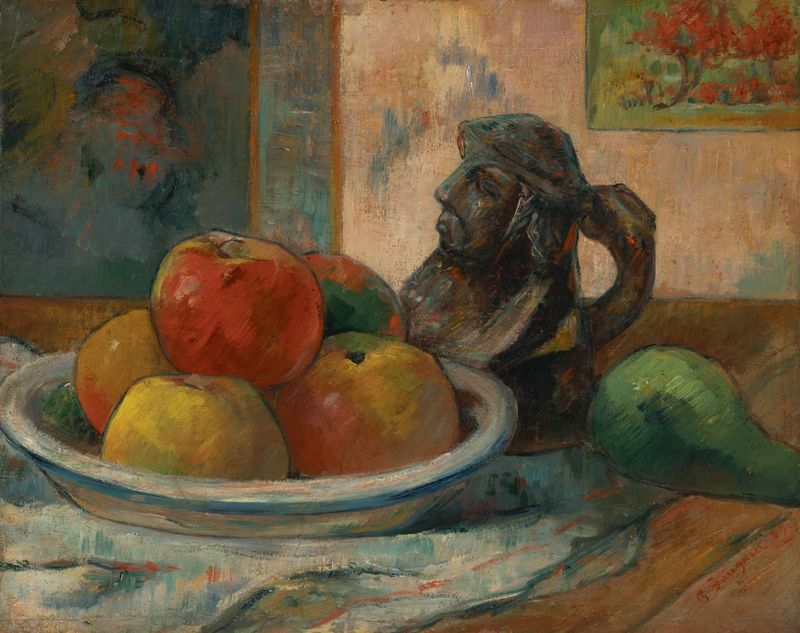
In Polia, Július Schubert captures the haunting allure of decay, a reminder that splendor can often mask the fragility of existence. Look to the left, where a cascading arrangement of wilting flowers stands in stark contrast to their gilded vase. The sunlight glimmers off the delicate petals, revealing shades of gold and deep crimson, yet each faded bloom tells its story of fading life. Notice how the background blurs intriguingly, creating an ethereal atmosphere that draws your attention to the poignant details, as if inviting you to pause and reflect on the fleeting nature of beauty itself. Delve deeper into the painting, and you’ll find tension woven through the juxtaposition of vibrancy and decline.
The intricate ornamentation of the vase suggests opulence, yet the withering flowers betray a sense of inevitable loss. This interplay evokes complex emotions, where admiration coexists with sadness, prompting contemplation about the lifecycle of beauty and the impermanence of all things dear. Each brushstroke subtly whispers the narrative of life’s inevitable decay, urging us to look beyond surface allure. Created in 1935, Polia emerged during an era when Schubert was navigating both personal and artistic challenges in his native Czech Republic.
As the world faced the ominous shadows of impending global conflict, his work reflected a profound sensitivity to the transitory nature of existence—a theme resonating deeply with the turbulent times surrounding him.