
Syracuse — History & Facts
What if beauty was never meant to be finished? In Syracuse, Jan Ciągliński captures an ethereal moment where elegance and vulnerability intertwine, suggesting that beauty is both a gift and a treacherous façade. Look at the center, where the figure stands poised amid the vibrant colors that pulse with life. Notice how the light caresses her form, illuminating the delicate folds of her flowing garment, which seem to both bind and liberate her. Take in the background; a blend of warm oranges and cool greens creates a harmonious yet unsettling landscape, suggesting a world both inviting and fraught with tension.
The composition brings the figure to life, yet there’s a sense of isolation, as if the beauty surrounding her draws attention while simultaneously obscuring her inner turmoil. Hidden beneath the surface lies a tale of betrayal and longing. The figure’s expression is enigmatic—part serenity, part sorrow—as if she grapples with an unspoken history that haunts her. The juxtaposition of lush foliage and delicate petals around her evokes a sense of entrapment in a world that appears perfect, yet hides darker realities.
Those vibrant colors may enchant, but they also mask a profound fragility, revealing the complexities of beauty itself. In 1910, Ciągliński was working in Paris, amidst the roaring excitement of the early modernist movement. This period marked a transformative time in art, as artists began to explore deeper emotional landscapes and challenge traditional forms. The artist, navigating his own personal struggles and professional uncertainties, infused Syracuse with a poignant reflection on the nature of beauty, revealing both its allure and its potential for disillusionment.
More Artworks by Jan Ciągliński
Browse all →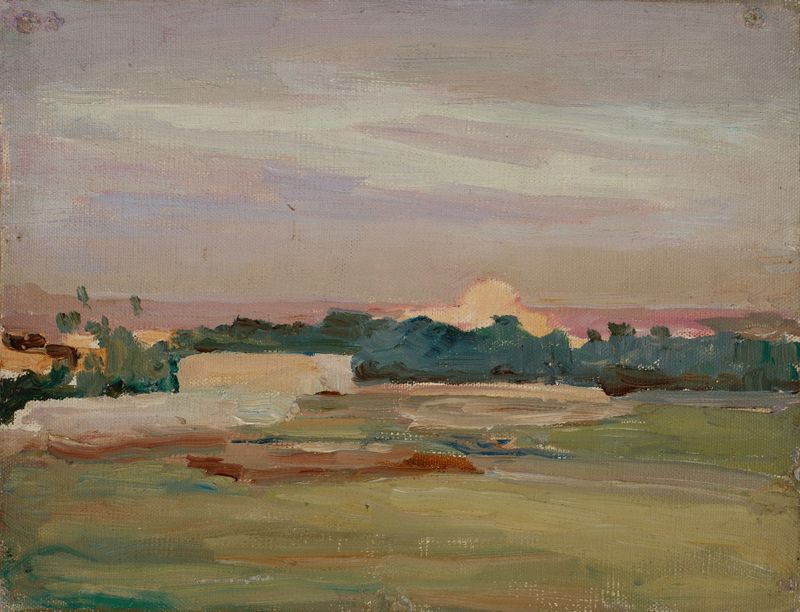
The Sirocco
Jan Ciągliński
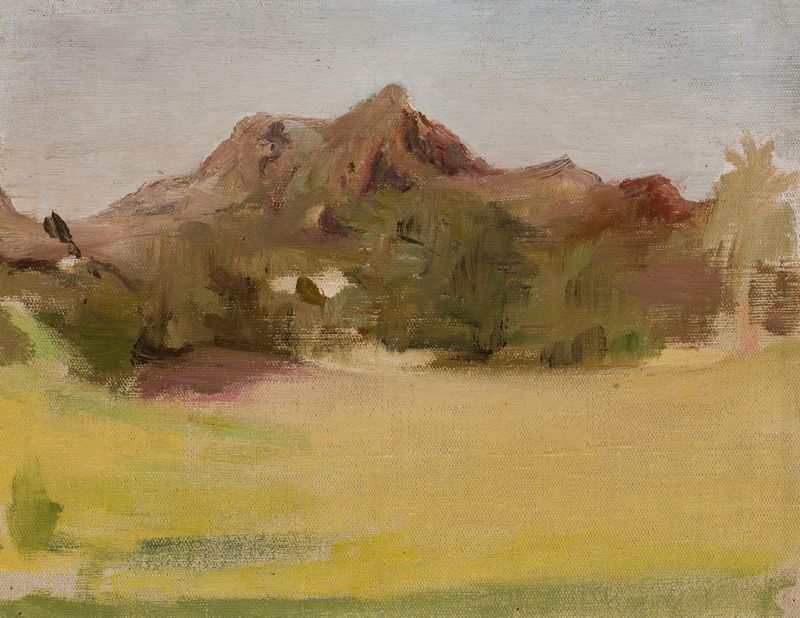
Mountain landscape. From the journey to India
Jan Ciągliński
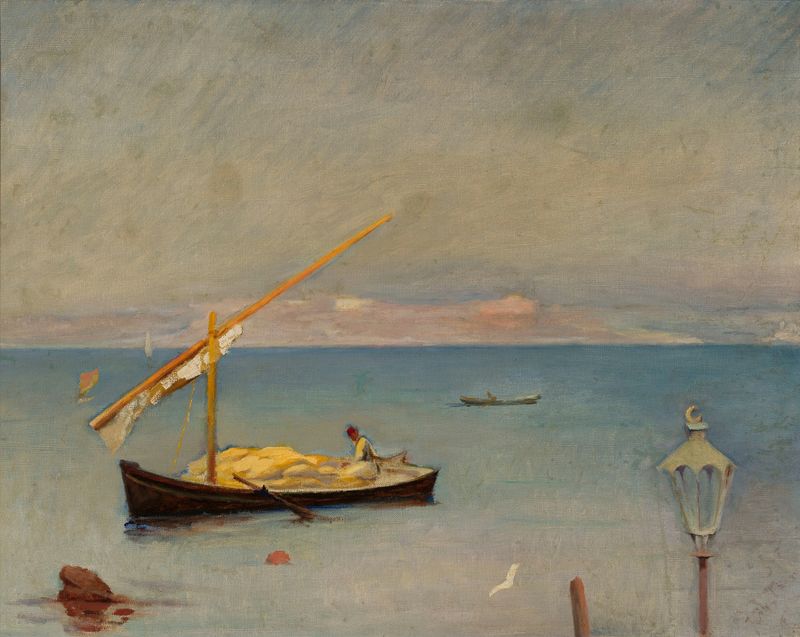
At Bosporus
Jan Ciągliński
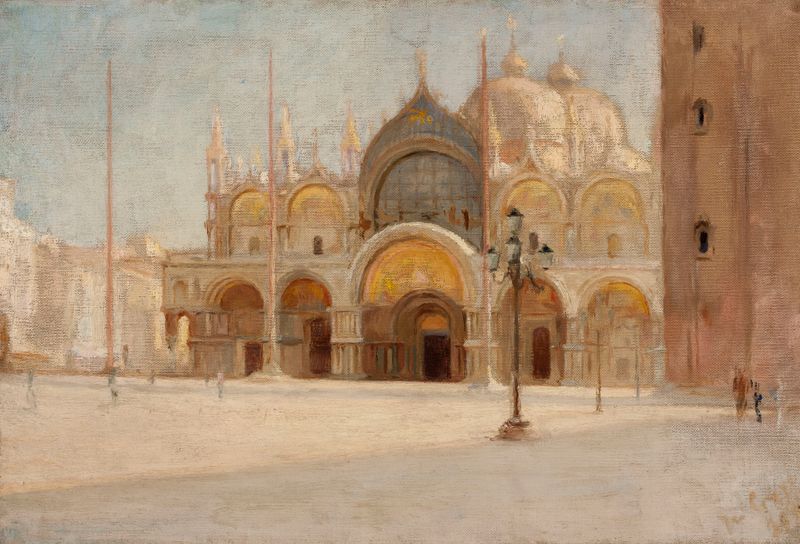
St Mark’s Square in Venice
Jan Ciągliński
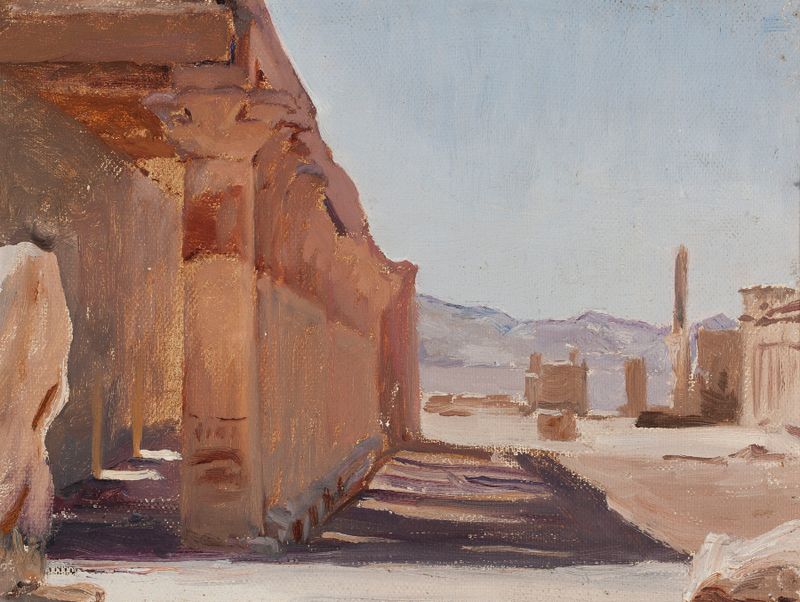
Temple. From the journey to Egypt
Jan Ciągliński
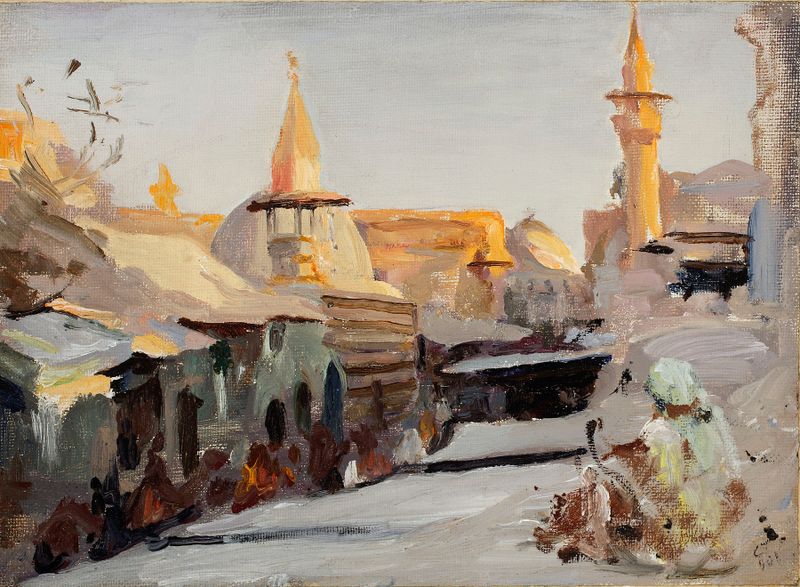
Street in Damascus. From the journey to Palestine
Jan Ciągliński
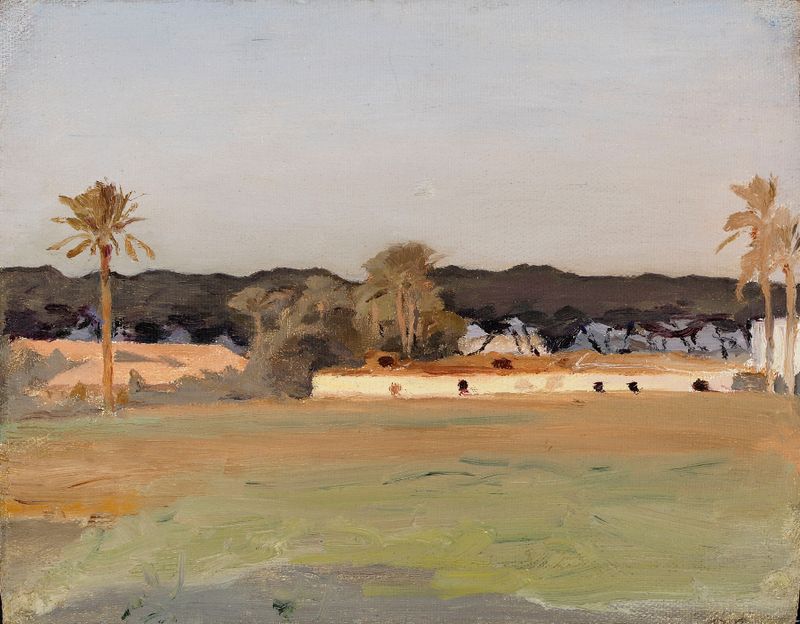
Evening. From the journey to Egypt
Jan Ciągliński
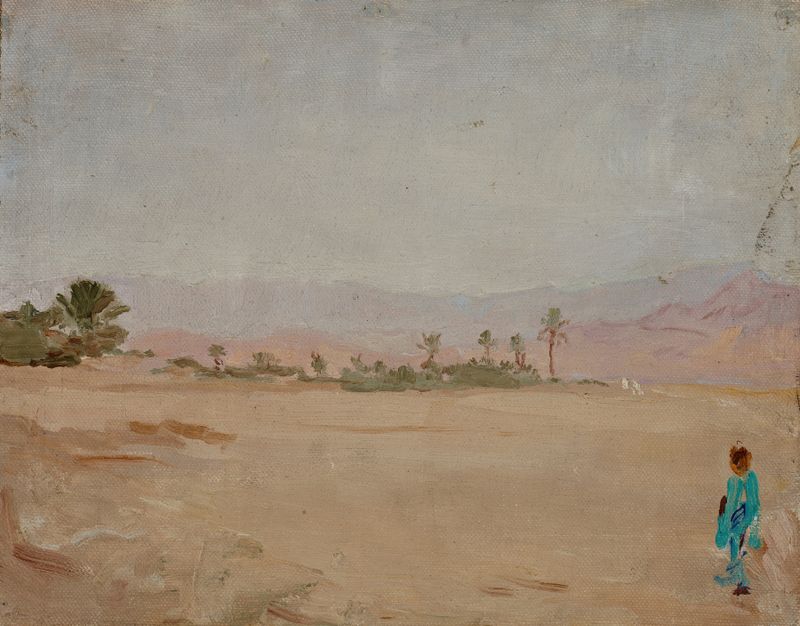
Sahara (Desert)
Jan Ciągliński
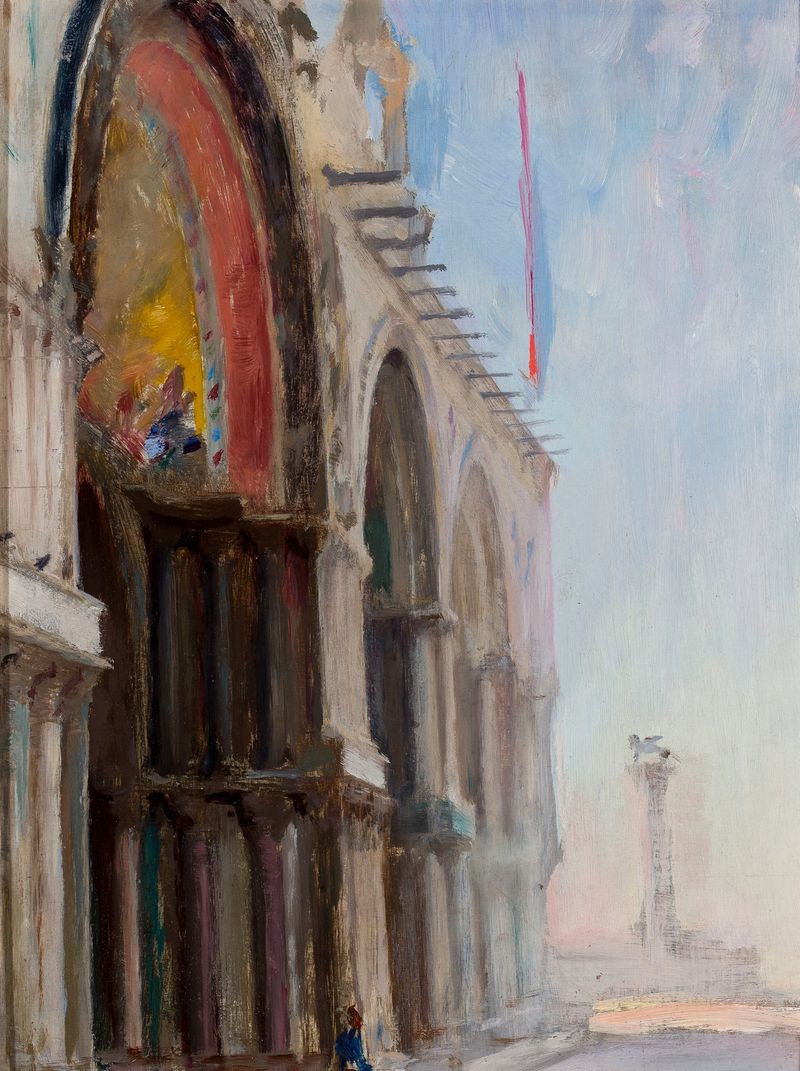
Venice – San Marco. From the journey to Italy
Jan Ciągliński
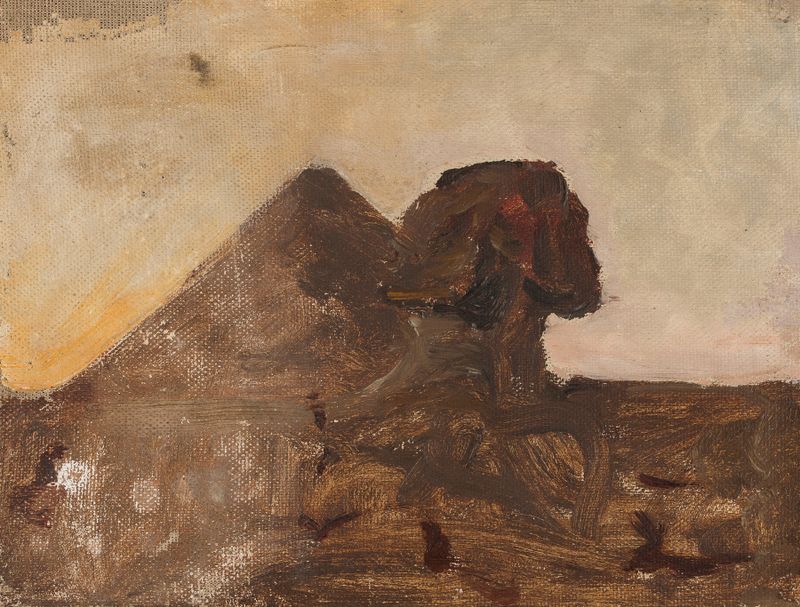
Evening in the desert – Sphinx and pyramid. From the journey to Egypt
Jan Ciągliński





