
Syracuse (Architectural Fragment) — History & Facts
Can beauty exist without sorrow? In Syracuse (Architectural Fragment), the haunting remnants of a once-glorious structure whisper the fragility of existence, revealing the delicate interplay between life and loss. Look to the left, where the crumbled stone forms a rugged silhouette against the soft, muted background. The artist’s precision captures every crevice and shadow, allowing the light to caress the rough surfaces, highlighting the textures of decay. The palette is a subdued harmony of grays and earth tones, evoking an atmosphere of wistful nostalgia while emphasizing the stark reality of mortality. As you explore the details, consider the juxtaposition of strength and vulnerability in the architectural remnants.
The grandeur of the fragment suggests a history filled with life and activity, yet its broken state conveys a poignant vulnerability, embodying the passage of time and the inevitability of decay. Each chiseled surface tells a story—a narrative of resilience entwined with a profound sense of loss. The viewer is left to ponder the transient nature of beauty as its essence melds with the inevitability of mortality. In 1910, Jan Ciągliński was immersed in the artistic movements sweeping Europe, particularly the rise of modernism that sought to redefine traditional forms.
Working in his studio, he grappled with themes of identity and impermanence against the backdrop of a world on the brink of change. This piece emerged as a reflective meditation on the remnants of history, evoking a deeper understanding of the beauty inherent in both creation and decline.
More Artworks by Jan Ciągliński
Browse all →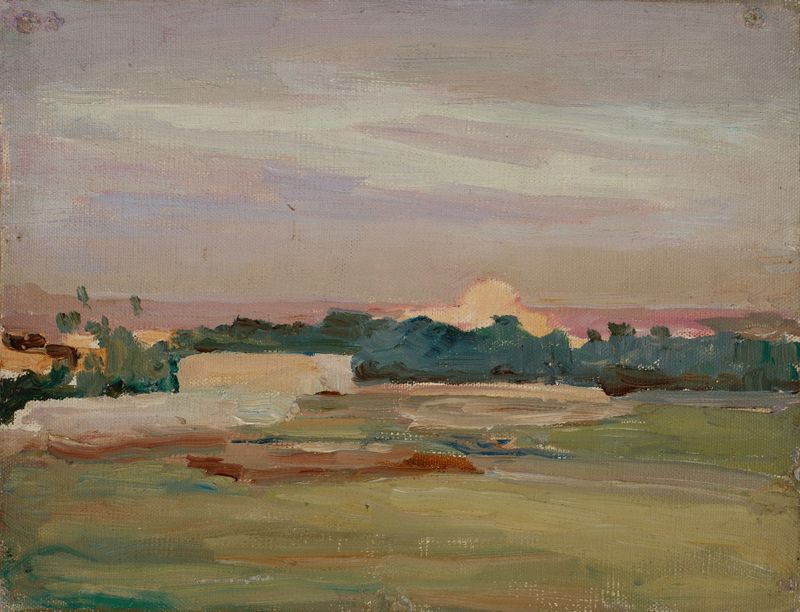
The Sirocco
Jan Ciągliński
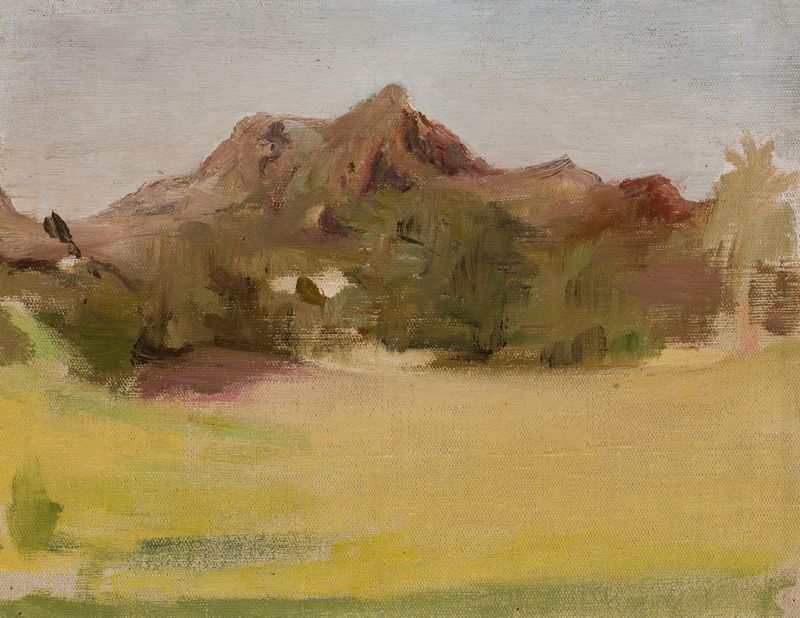
Mountain landscape. From the journey to India
Jan Ciągliński
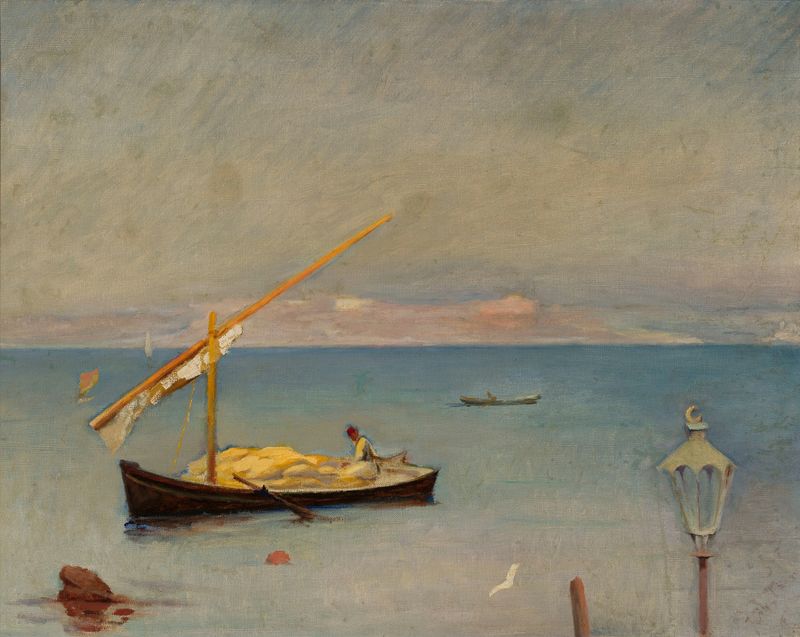
At Bosporus
Jan Ciągliński
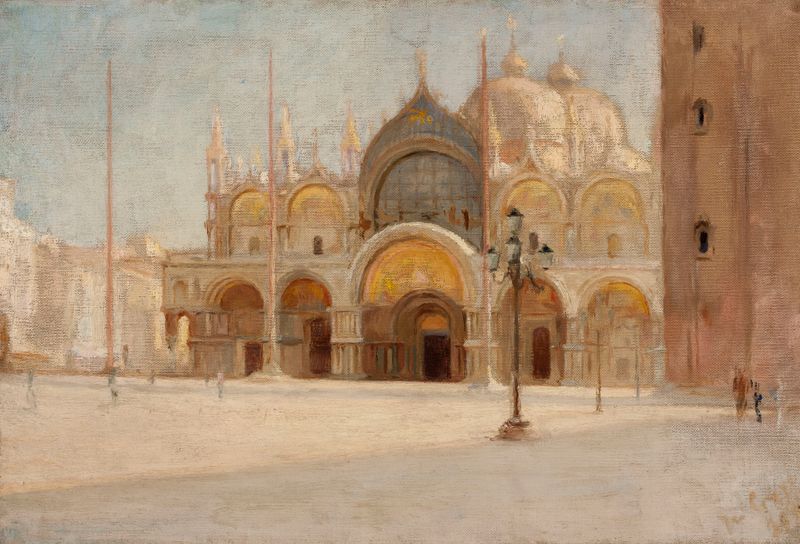
St Mark’s Square in Venice
Jan Ciągliński
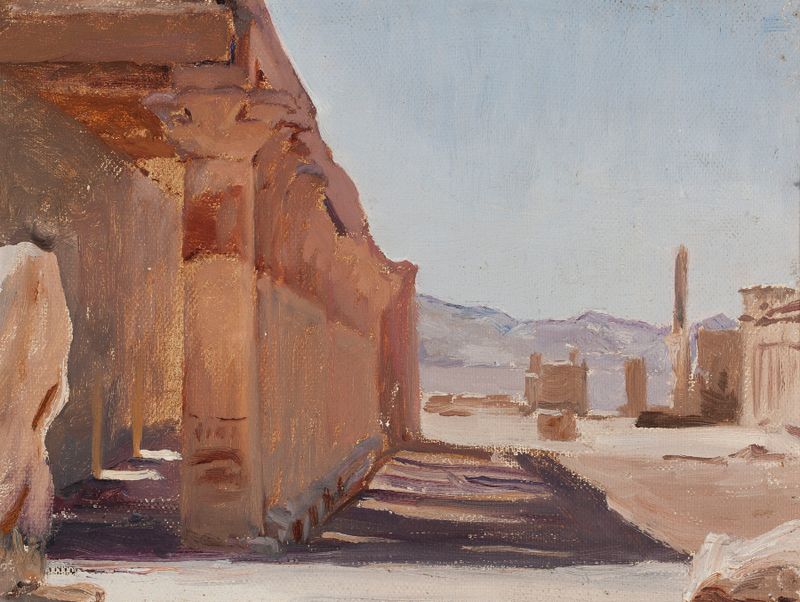
Temple. From the journey to Egypt
Jan Ciągliński
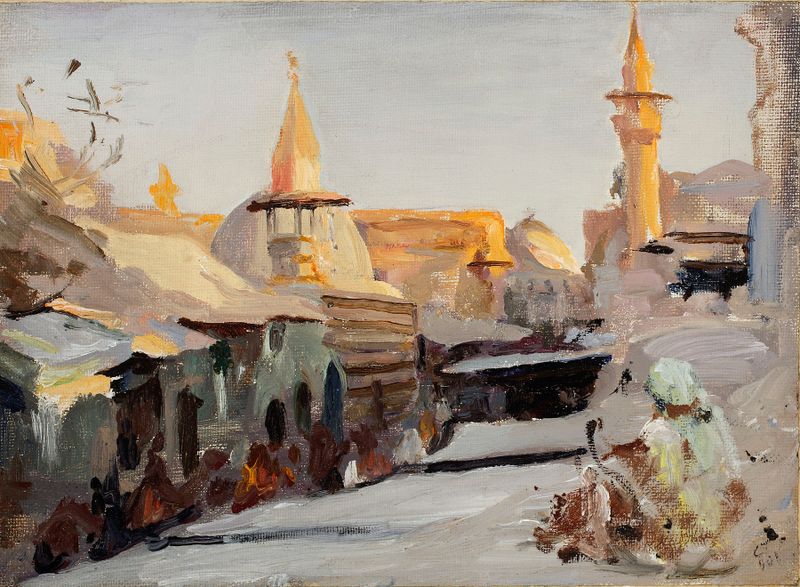
Street in Damascus. From the journey to Palestine
Jan Ciągliński
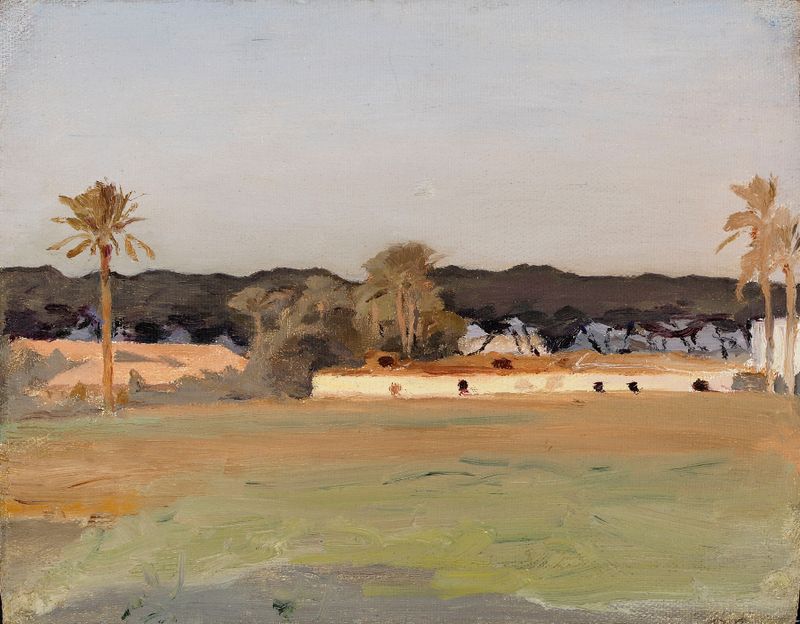
Evening. From the journey to Egypt
Jan Ciągliński
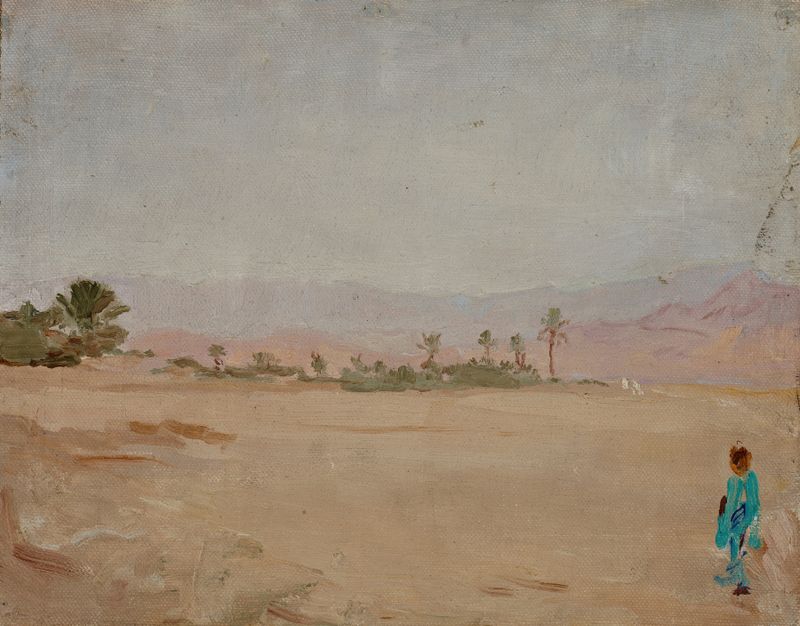
Sahara (Desert)
Jan Ciągliński
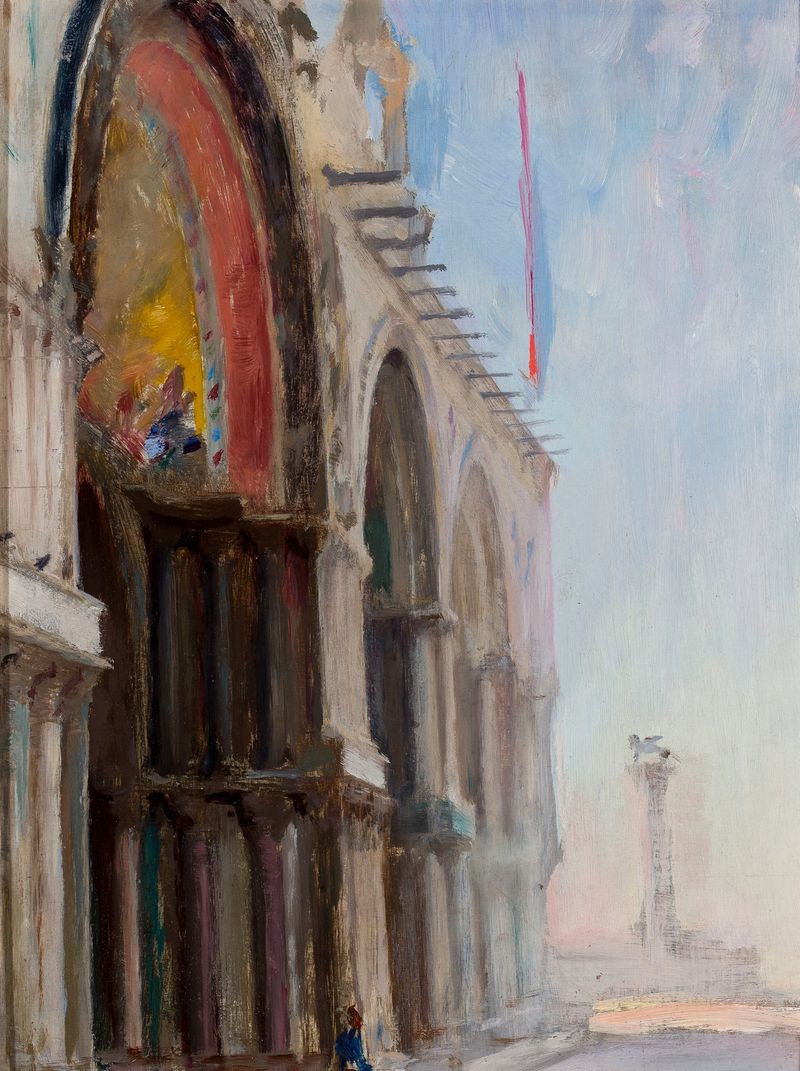
Venice – San Marco. From the journey to Italy
Jan Ciągliński
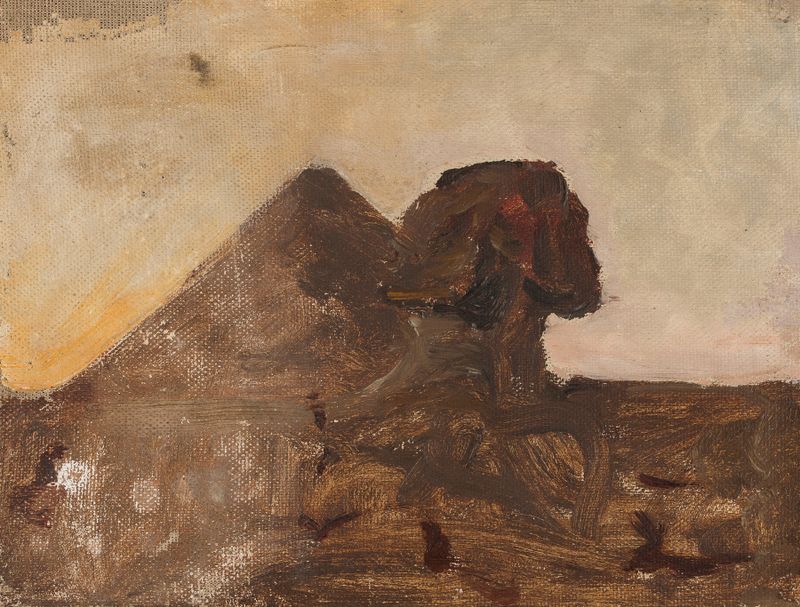
Evening in the desert – Sphinx and pyramid. From the journey to Egypt
Jan Ciągliński
More Architecture Art
Browse all →
The statue of Liberty
Frédéric Auguste Bartholdi

View of Houses in Delft, Known as ‘The Little Street’
Johannes Vermeer

View of Houses in Delft, Known as ‘The Little Street’
Johannes Vermeer

The Cathedral in Rouen. The portal, Grey Weather
Claude Monet

The yellow house
Vincent van Gogh

The Church in Auvers-sur-Oise, View from the Chevet
Vincent van Gogh