
Syracuse (The Greek Theater, Evening) — History & Facts
What secret hides in the quiet of the canvas? Beneath the surface of stillness, the echoes of history and destiny intertwine, waiting for the viewer to listen closely. Look to the center of the composition, where the majestic Greek theater rises, bathed in the warm glow of the evening sun. Notice how the fading light casts long shadows, embracing the ancient stone, bringing forth the rich textures of the architecture. The vibrant hues of twilight blend harmoniously with the earthy tones of the theater, creating a serene yet poignant atmosphere.
The artist’s brushwork invites you to trace the outlines of the seats that once hosted voices of the past. Delve deeper into the details—the gentle curves of the amphitheater, a poignant reminder of artistic mastery and the passage of time. Beyond its physical beauty, the empty seats suggest a longing for voices that once resonated through them, presenting a stark contrast between the vibrancy of life and the stillness of abandonment. The intertwined themes of reflection and destiny echo through the scene, urging the viewer to consider the stories that remain untold. In 1910, Jan Ciągliński painted this work during a period defined by burgeoning interest in classical themes and architectural grandeur.
Living in Paris at the time, he was part of a vibrant art scene that celebrated both modernity and tradition. His fascination with the ancient world, combined with personal experiences of migration and identity, heavily influenced this painting, capturing a moment that is both timeless and hauntingly ephemeral.
More Artworks by Jan Ciągliński
Browse all →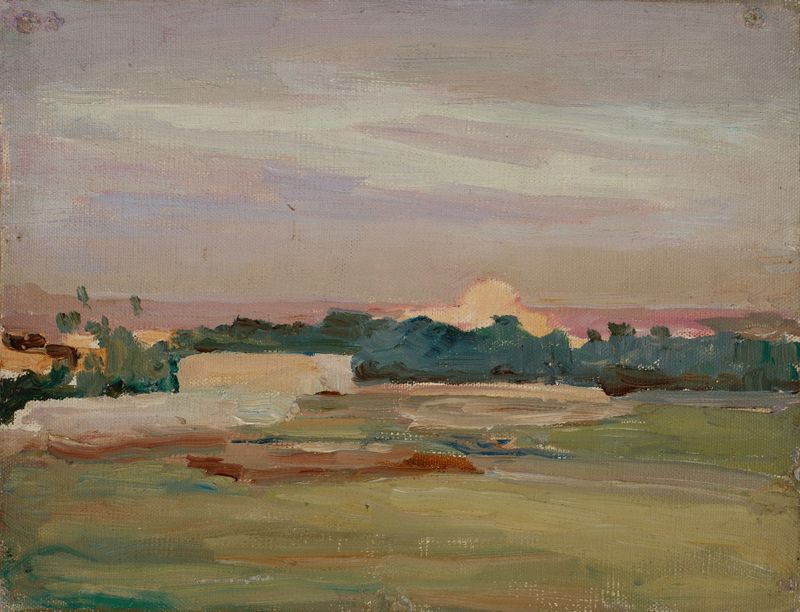
The Sirocco
Jan Ciągliński
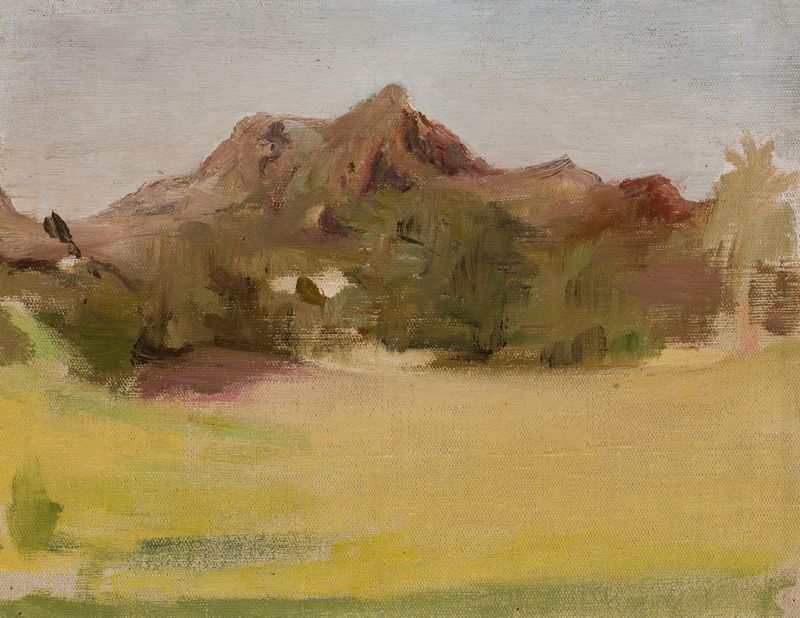
Mountain landscape. From the journey to India
Jan Ciągliński
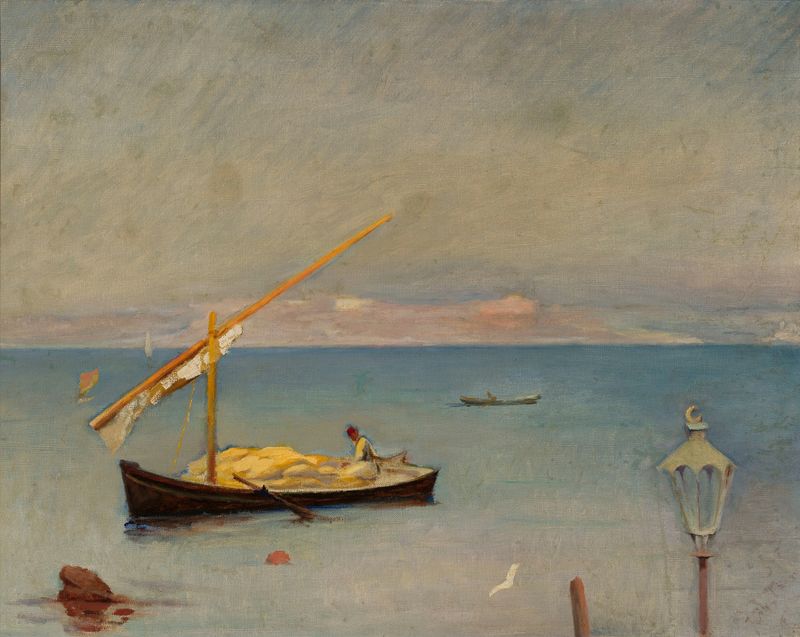
At Bosporus
Jan Ciągliński
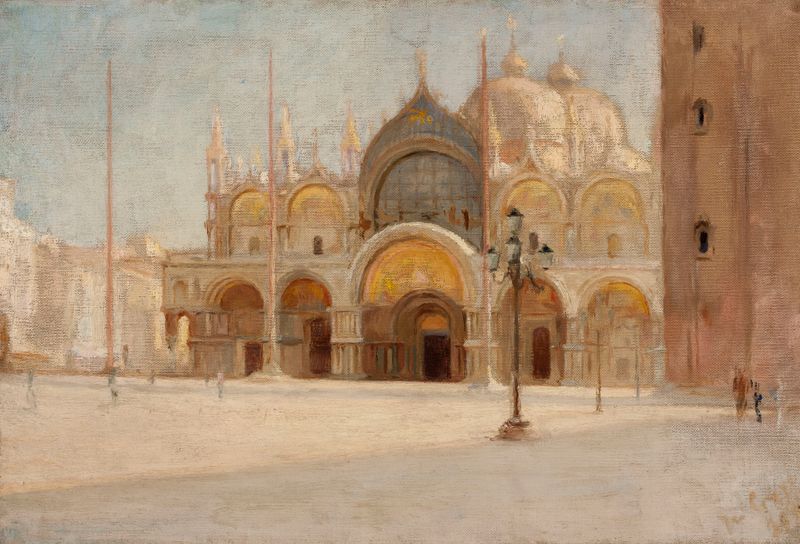
St Mark’s Square in Venice
Jan Ciągliński
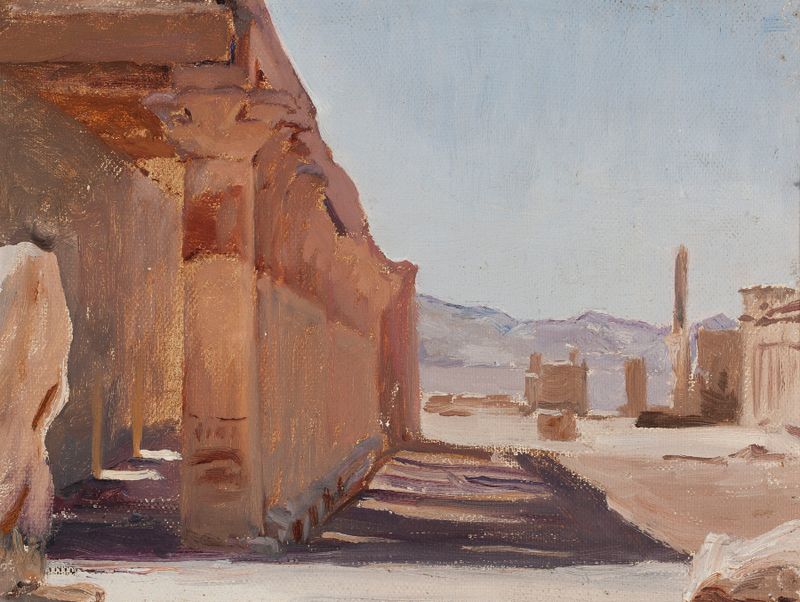
Temple. From the journey to Egypt
Jan Ciągliński
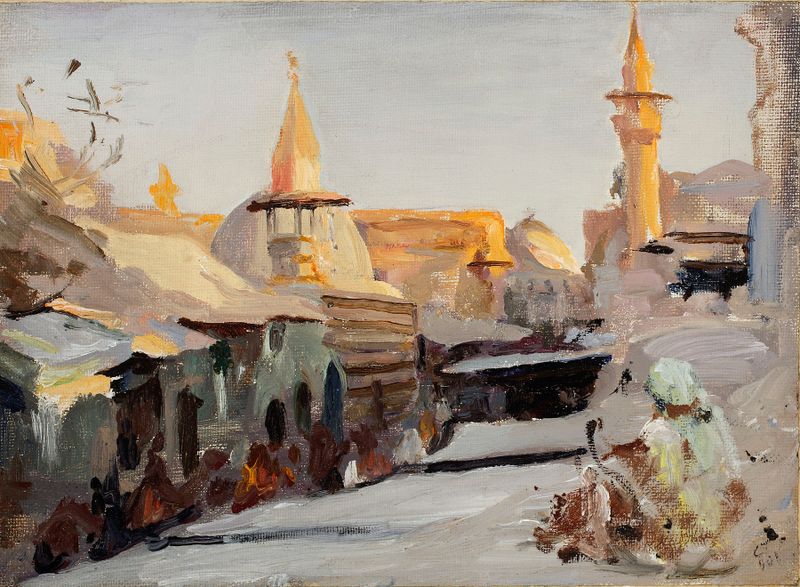
Street in Damascus. From the journey to Palestine
Jan Ciągliński
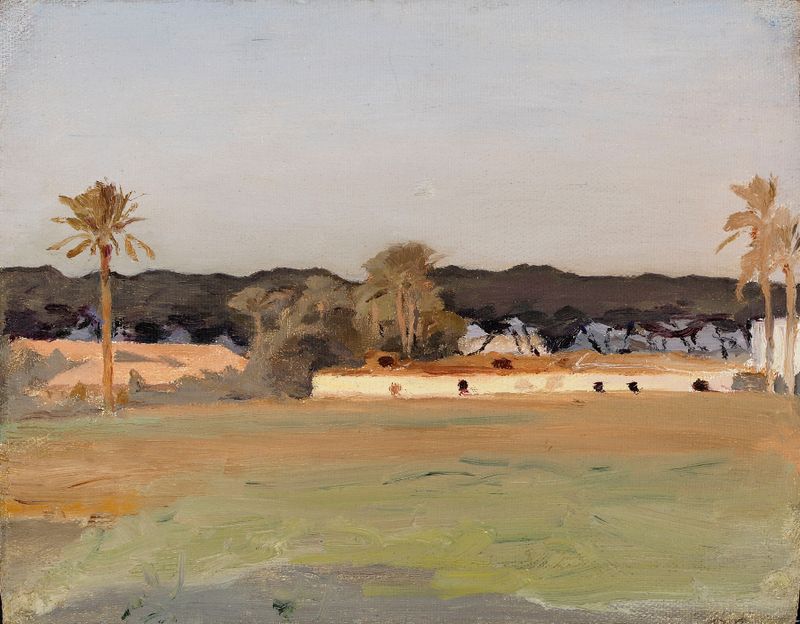
Evening. From the journey to Egypt
Jan Ciągliński
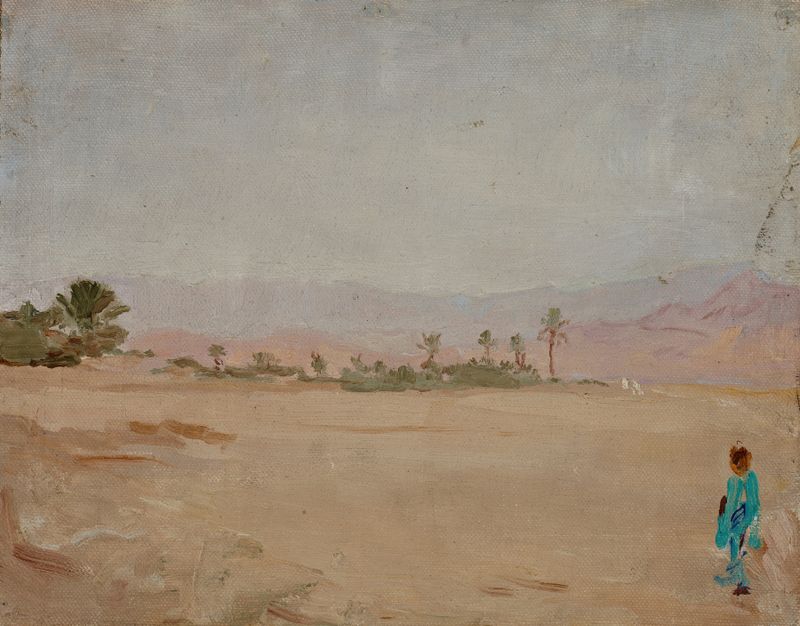
Sahara (Desert)
Jan Ciągliński
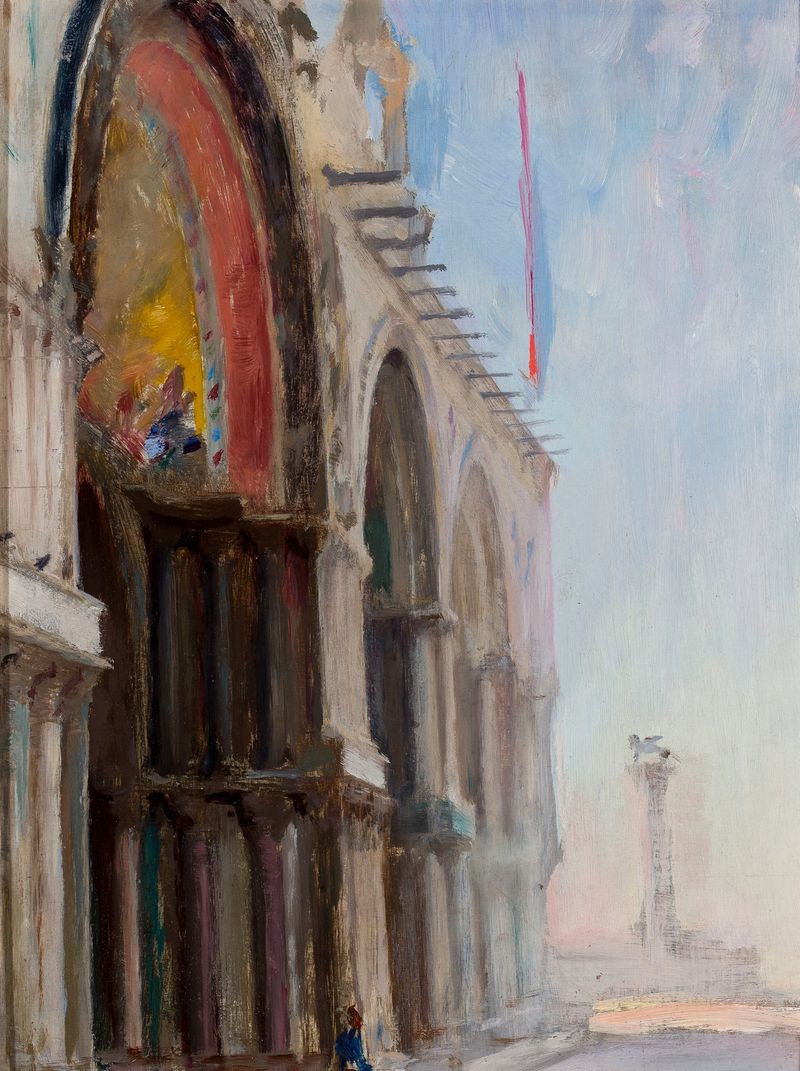
Venice – San Marco. From the journey to Italy
Jan Ciągliński
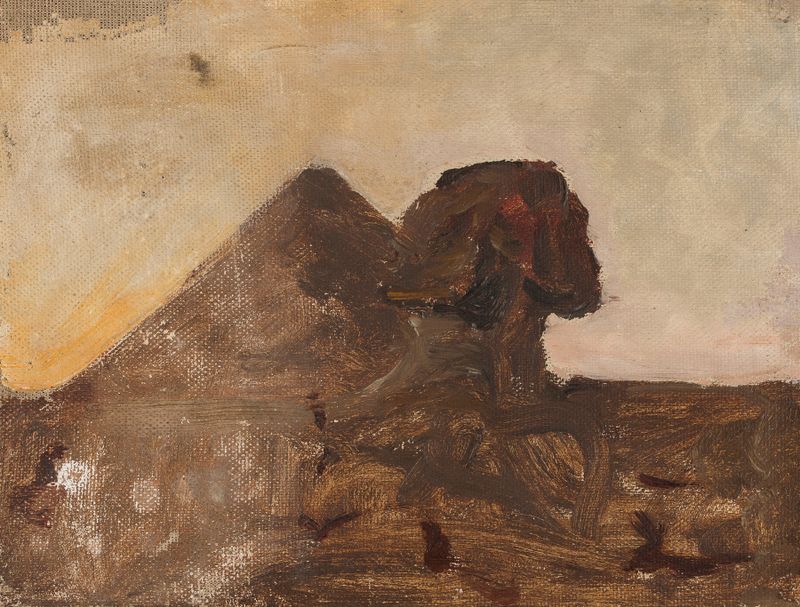
Evening in the desert – Sphinx and pyramid. From the journey to Egypt
Jan Ciągliński





