
Syracuse (The Greek Theatre) — History & Facts
In the stillness of the Greek theatre, the ancient stones bear witness to stories untold, whispering secrets of the past. Each crevice and shadow encapsulates a moment of creation, a dialogue between time and memory. Look to the left at the sweeping rows of weathered stone, meticulously rendered to capture the texture of history. The sunlight spills into the scene, illuminating the amphitheater's curves and casting delicate shadows that dance along its surface.
Notice how the composition draws the eye toward the stage, inviting contemplation of the performances that once echoed through this grand space. The muted palette enhances the sense of antiquity, with earthy tones grounding the viewer in a moment suspended between the past and the present. Delve deeper into the contrasts presented here, where the stillness of the scene juxtaposes the vibrancy of life once celebrated within these walls. The absence of figures speaks volumes, evoking a haunting sense of loss and nostalgia for a culture rich in artistic expression.
Each stone is both a relic and a canvas, revealing the duality of creation and decay, of presence and absence, as the theatre stands resilient against the passage of time. Ciągliński painted this piece in 1890 while living in Paris, a period marked by a growing fascination with classical themes, which reflected the broader cultural revival of antiquity. As European artists sought to connect with historical roots amid a rapidly modernizing world, this work emerged, showcasing a passion for Greek heritage and architectural beauty. The artist’s own journey through art was shaped by these influences, capturing a moment that bridged eras and celebrated the timelessness of artistic creation.
More Artworks by Jan Ciągliński
Browse all →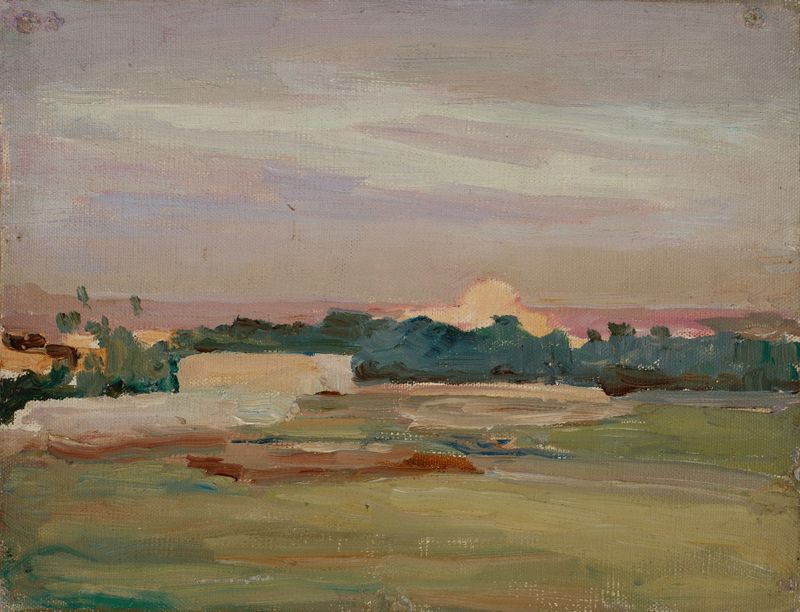
The Sirocco
Jan Ciągliński
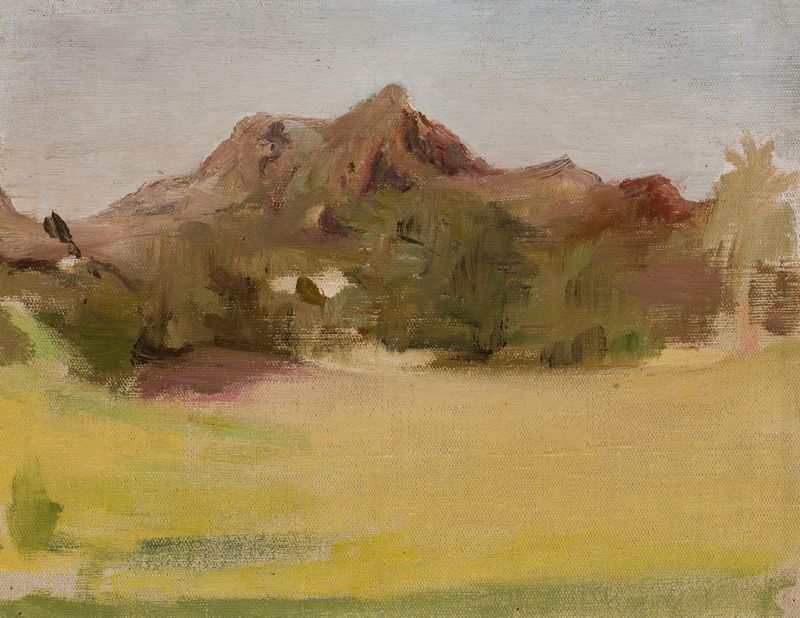
Mountain landscape. From the journey to India
Jan Ciągliński
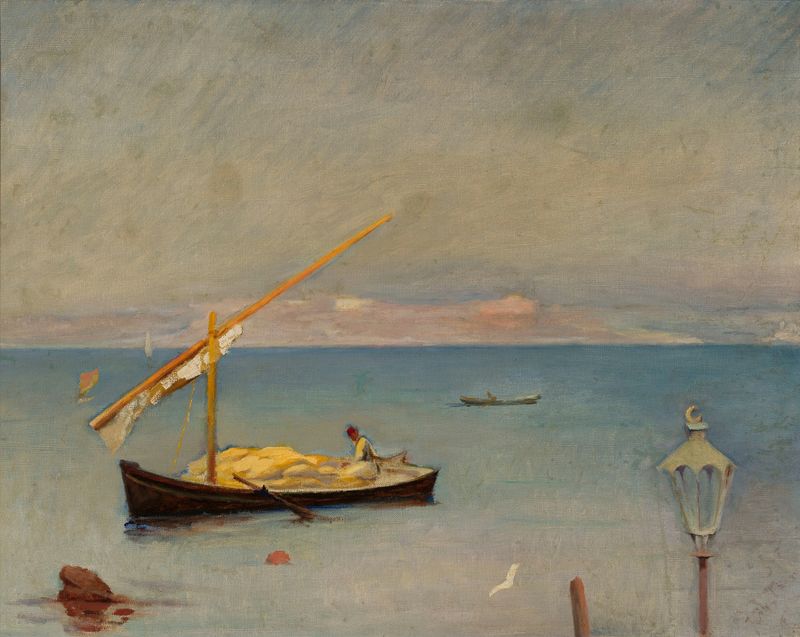
At Bosporus
Jan Ciągliński
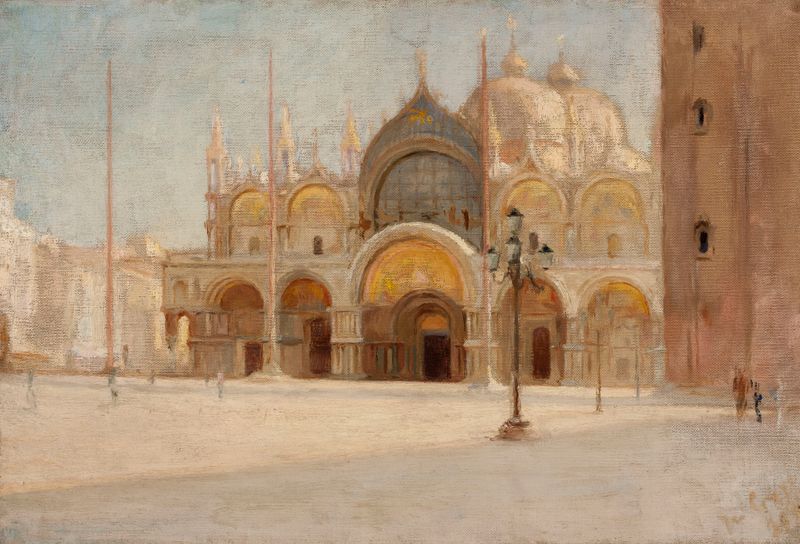
St Mark’s Square in Venice
Jan Ciągliński
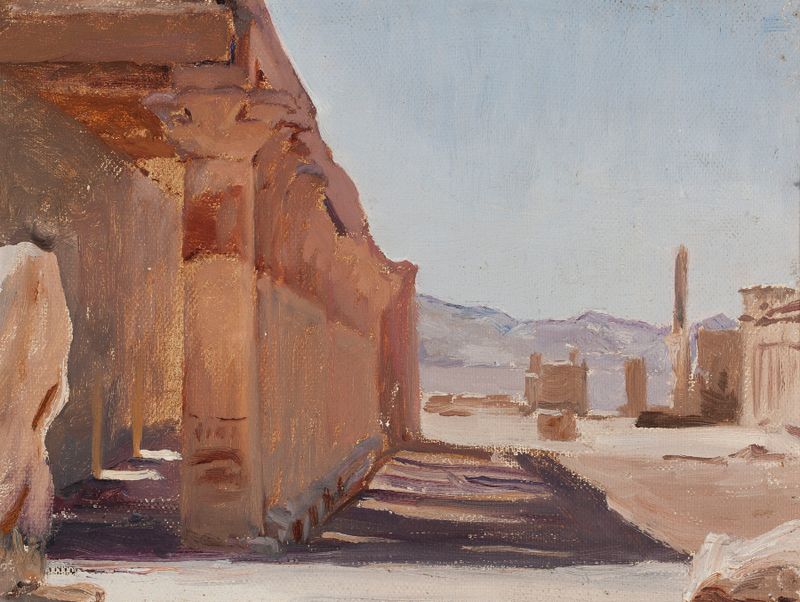
Temple. From the journey to Egypt
Jan Ciągliński
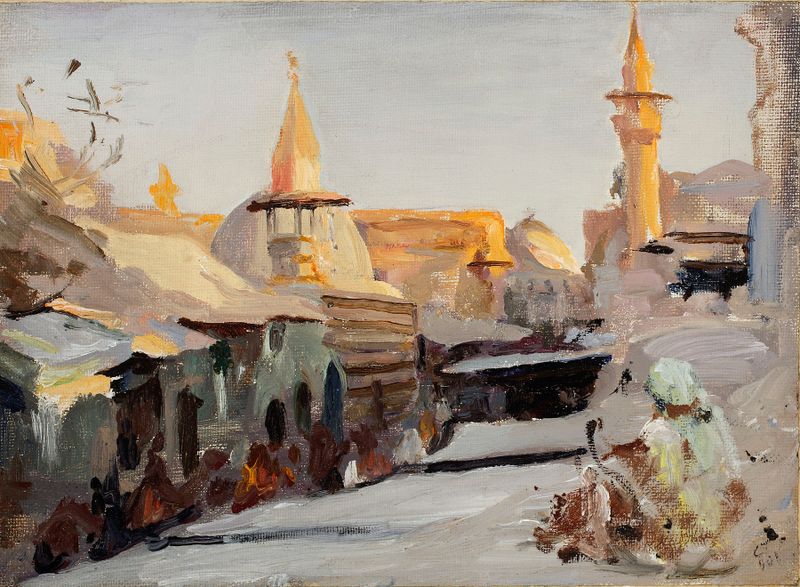
Street in Damascus. From the journey to Palestine
Jan Ciągliński
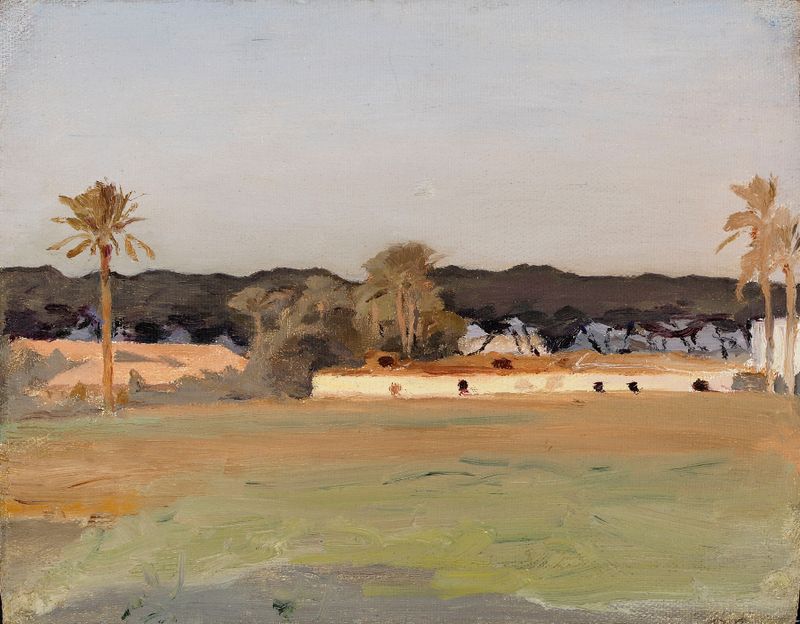
Evening. From the journey to Egypt
Jan Ciągliński
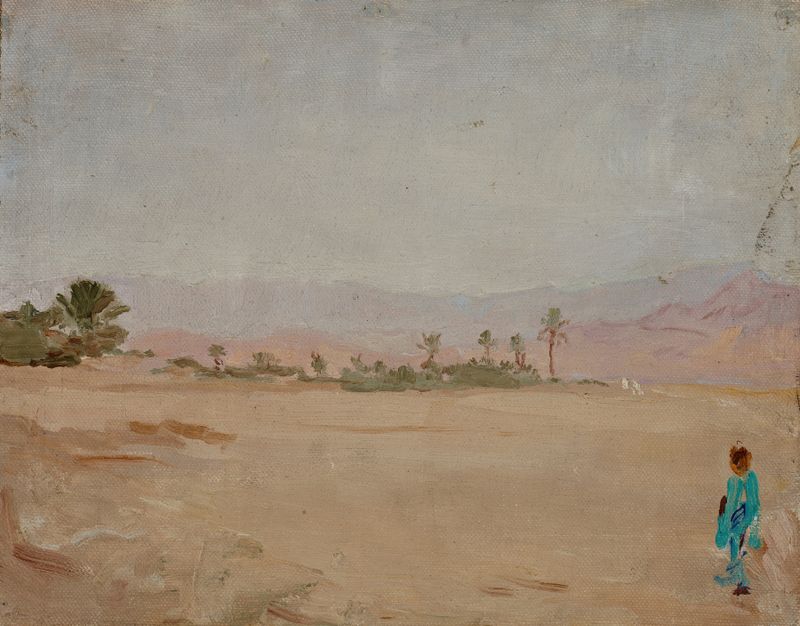
Sahara (Desert)
Jan Ciągliński
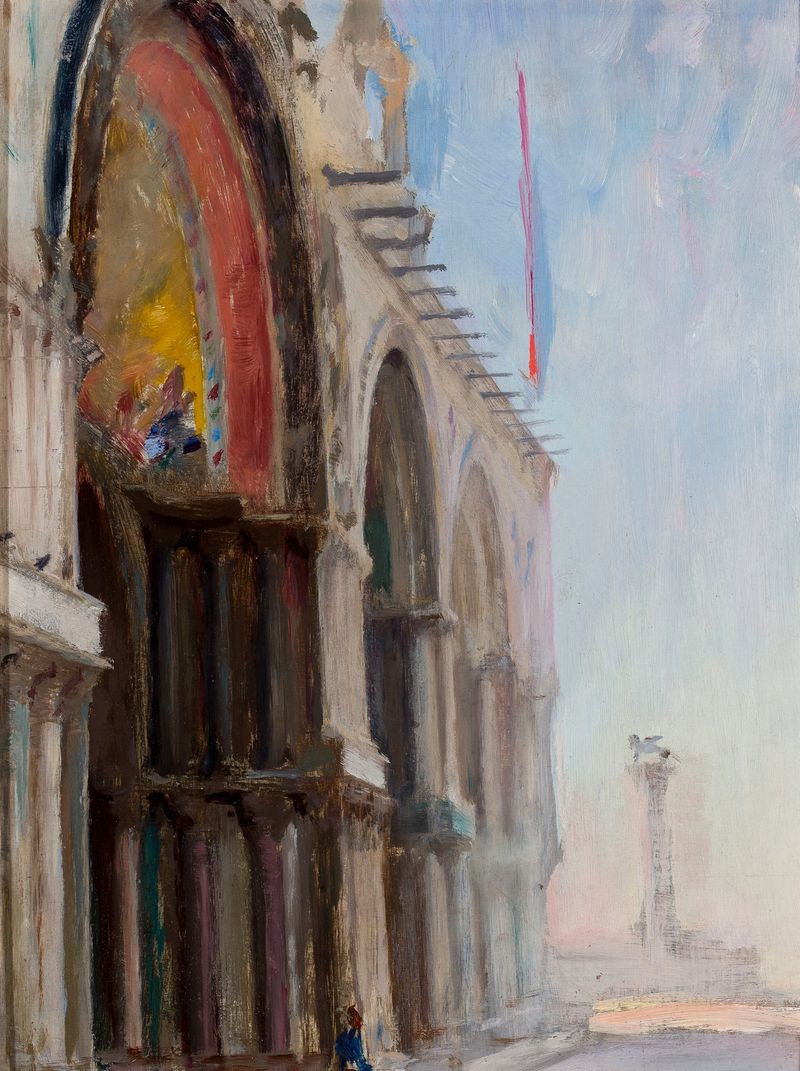
Venice – San Marco. From the journey to Italy
Jan Ciągliński
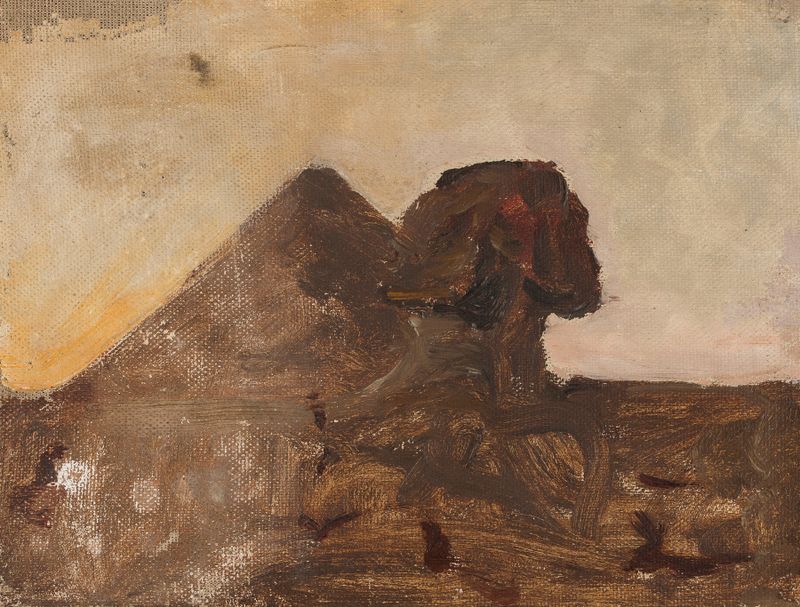
Evening in the desert – Sphinx and pyramid. From the journey to Egypt
Jan Ciągliński





